



Art Nouveau Table Bowl
An art nouveau table bowl brings flowing organic lines to a room, uniting utility with fluid floral motifs.
Art Nouveau Table Bowl
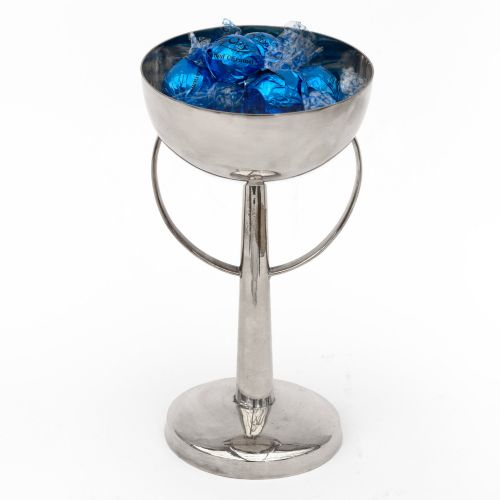
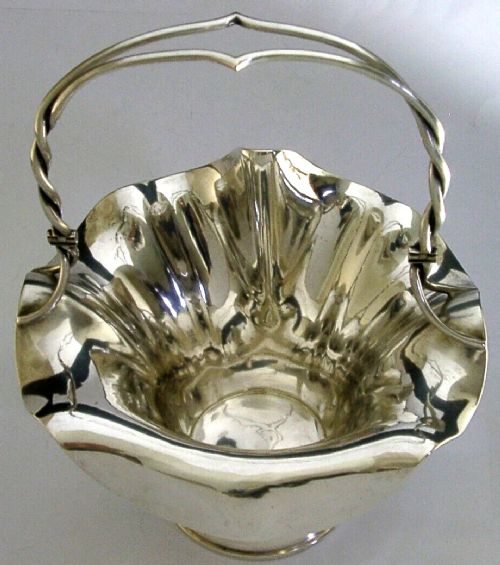
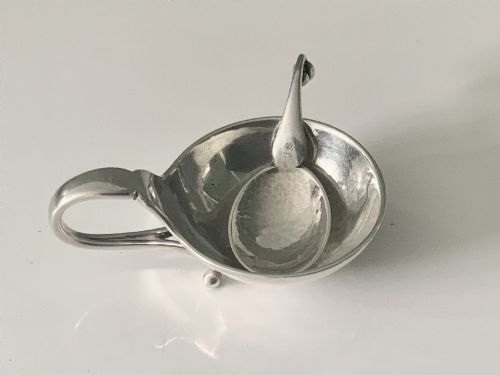
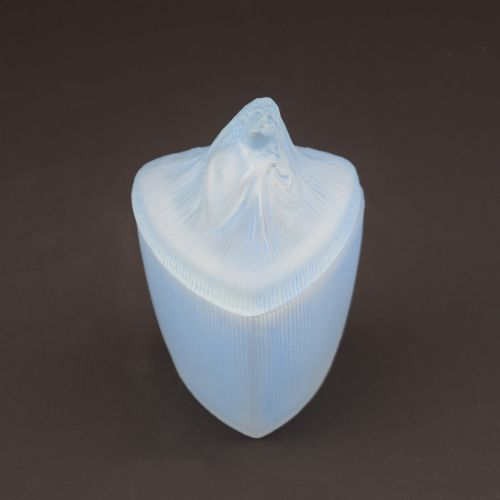
An art nouveau table bowl takes many physical forms, appearing across centrepieces, fruit bowls, baskets, and smaller bonbon dishes. These pieces originate from the late nineteenth century through the Edwardian era, spanning the nineteen tens and nineteen thirties.
The most common examples encountered on this page combine metal frames with glass or ceramic inserts. Makers utilised various forms to suit dining tables, sideboards, and display cabinets.
Judgements of Quality
Quality rests on the harmony between the metal mount and its glass or ceramic vessel. Superior examples demonstrate crisp casting in the metalwork and careful integration with the insert.
Artistic execution distinguishes standard production from exceptional pieces. Hand-painted enamel details, substantial weight in the silver or pewter, and distinct sculptural figures elevate a piece.
Art Nouveau Table Bowl Retail Price Guide 2026
Typical asking prices for art nouveau table bowl among the pieces listed under this phrase on Sellingantiques today, from the lower quarter to the upper quarter. They describe what is for sale here now, not the wider market.
Materials recorded across the inventory include silver plate, sterling silver, crystal, porcelain, pewter, and opalescent glass.
Georg Jensen·Rene Lalique·WMF·St Louis glassworks·Royal Dux·Royal Doulton·Gorham·Archibold Knox·Liberty and Co
The Art Nouveau Table Bowl Glossary
- Centrepiece
- A large decorative vessel placed in the middle of a dining table. It often holds fruit or floral arrangements.
- Bonbon dish
- A small shallow container designed for holding sweets or small confectionery. These frequently feature swing handles or pierced rims.
- Vaseline glass
- A type of glass containing uranium dioxide, which produces a characteristic yellow-green colour. It glows under ultraviolet light.
- Pewter
- A malleable metal alloy consisting mostly of tin. It was widely utilised by workshops during the period for domestic vessels.
- Epergne
- An ornamental centrepiece featuring multiple branching dishes or baskets. It is typically used for fruit or flowers.
Art Nouveau Table Bowl: Frequently Asked Questions
What were art nouveau table bowls used for?
These vessels served practical and decorative functions in domestic settings. Households used them for presenting fruit, holding sweets, or displaying floral arrangements.
Larger forms occupied the centre of dining tables, while smaller dishes functioned as bonbon servers or decorative containers on sideboards.
How do I date an art nouveau table bowl?
Dating relies on maker marks, metal stamps, and stylistic conventions. Pieces from the turn of the century often exhibit distinct floral motifs and naturalistic asymmetry.
Material choices also offer guidance, as certain glass colours and metal plating techniques align with specific decades between eighteen eighty and nineteen thirty.
How do I care for silver plated bowls?
Silver plated surfaces require gentle cleaning with a soft cloth to avoid abrading the thin metal layer. Specialised silver polishes should be used sparingly.
Glass and porcelain inserts are best washed separately in warm soapy water, avoiding harsh scouring pads that might damage enamel decorations.
Are pewter bowls marked?
Many pewter items feature maker stamps, model numbers, or registry marks on the underside. These punch marks identify the producing workshop or designer.
Examining the base often reveals distinct stamps that separate factory production from independent guild work.