


Art Nouveau Silver Box
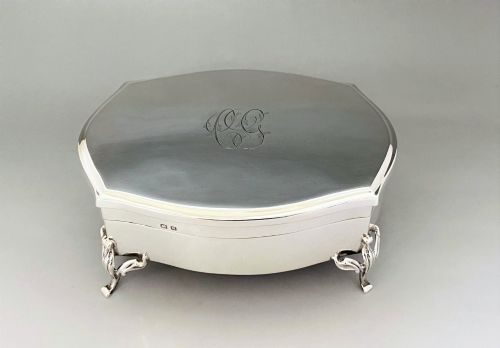
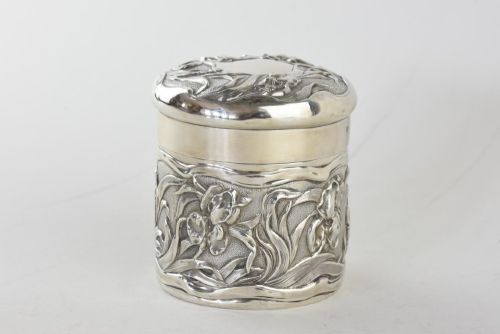
An art nouveau silver box brings sinuous floral lines and organic forms to your dressing table or desk.
Art Nouveau Silver Box
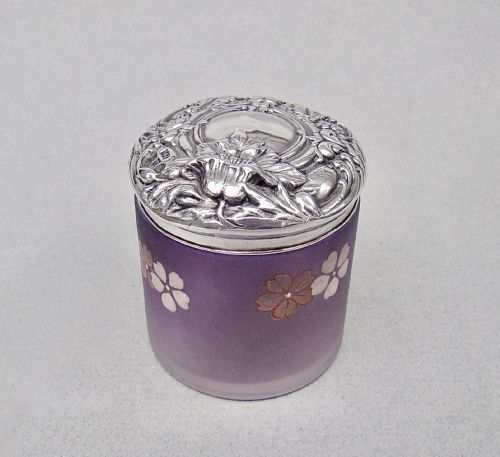
The objects frequently combine sterling silver with contrasting interior linings such as velvet, silk, or frosted glass. Continental and British workshops produced these pieces, often featuring pierced work, hinged lids, and compartments tailored for keepsakes.
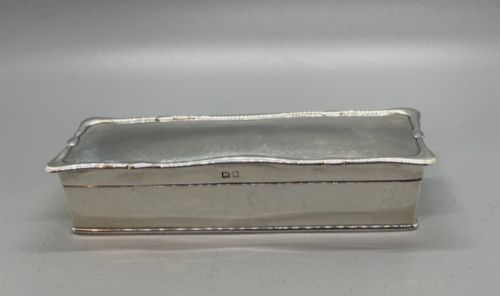
Smaller pill boxes and stamp boxes share shelf space with larger jewellery containers and lidded canisters. The prevailing aesthetic draws heavily on botanical motifs, sinuous curves, and stylised female profiles characteristic of the period.
How they were made
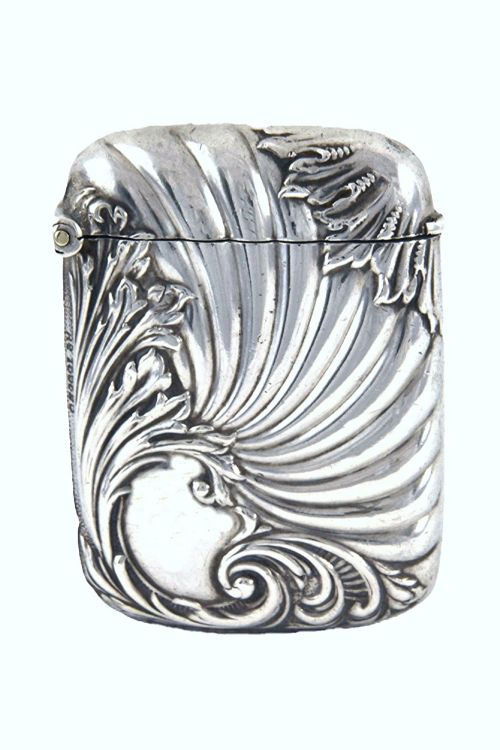
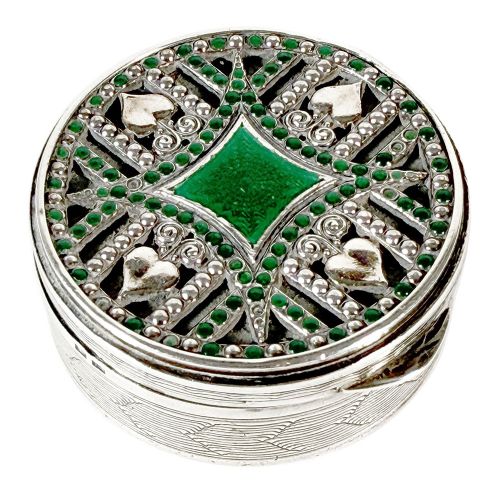
Silversmiths employed techniques such as repousse and chasing to push and hammer the metal from behind and front, creating raised organic relief patterns on the lid and sides. Piercing was utilised to cut intricate openwork designs through the silver plate, frequently revealing a coloured silk or velvet lining beneath.
Enamel work added vibrant colour to silver surfaces, fusing powdered glass onto the metal under high heat to produce lustrous green, blue, or white panels. Cast silver elements provided structural rigidity and decorative borders for hinges, feet, and floral handles.
Art Nouveau Silver Box Retail Price Guide 2026
Typical asking prices for art nouveau silver box among the pieces listed under this phrase on Sellingantiques today, from the lower quarter to the upper quarter. They describe what is for sale here now, not the wider market.
Listings feature sterling silver, enamel, velvet, and frosted glass across trinket boxes, pill boxes, and dressing table jars from the Edwardian era.
What varies in quality
Depth and crispness of the repousse work define the upper tier of these objects, where artisan hand-chasing yields sharp leaf veins and clean petal edges rather than soft, pressed outlines. Maker attribution plays a significant role, as pieces bearing the marks of renowned silversmiths display superior weight, heavier gauge silver, and tighter hinge tolerances.
The integrity of interior fittings and linings also distinguishes standard examples from exceptional ones. Original velvet or silk inserts, intact enamel without chipping, and frosted glass jars free from internal fractures elevate the overall standard of a piece.
Goldsmiths and Silversmiths Company·George Adam Scheid·William Hutton·Josef Margold·William Comyns·Henry Matthews·A J Zimmerman·Levi and Salaman·Robert Pringle and Sons·Edward Souter Barnsley
The Art Nouveau Silver Box Glossary
- Repousse
- A metalworking technique where the silversmith hammers and pushes the design from the reverse side to create a raised relief on the front. This method gives art nouveau flora and figures their characteristic three-dimensional depth.
- Sterling silver
- An alloy consisting of ninety-two point five percent silver and seven point five percent other metals, usually copper, chosen for durability. British pieces carry hallmark stamps verifying this standard.
- Vesta case
- A small pocket container designed to hold matches, frequently decorated with art nouveau motifs matching larger boxes. They feature a striated strip on the base for striking safety matches.
- Pierced work
- The practice of cutting open patterns through the silver sheet to let light pass through. It is often paired with contrasting interior cloth linings.
- Silver gilt
- Sterling silver that has been coated with a thin layer of gold on the interior or exterior surfaces. This finish provides a warm golden tone and protects the silver from tarnishing.
Art Nouveau Silver Box: Frequently Asked Questions
How do I date my silver box?
British pieces feature hallmarks that include assay office symbols, date letters, and maker marks which pinpoint the exact year of manufacture. Examining the style of the numerals and shield shapes helps decode these small stamped indicators.
Stylistic cues such as whip-like plant stems and asymmetrical floral borders also point to the primary production window between eighteen ninety and nineteen ten.
How were these boxes used originally?
Wealthy households utilised smaller silver boxes for pills, stamps, snuff, or matches while carrying them in pockets and handbags. Larger caskets sat on dressing tables to store rings, brooches, and delicate personal keepsakes.
Tea caddies served to store loose tea leaves in the dining room, protected by tight-fitting lids and heavy gauge silver walls.
Can I polish my silver box?
Gentle cleaning with a microfibre cloth and specialised silver cream maintains the shine without wearing away thin repousse details or antique patina. Avoid harsh abrasive dips, particularly on pieces with enamel panels or velvet linings.
Store items away from direct sunlight and damp environments to preserve internal silk and fabric components.
What is the difference between Edwardian and art nouveau pieces?
Art nouveau refers to the international decorative style defined by organic lines and natural motifs popular around nineteen hundred. Edwardian denotes the British historical period spanning the reign of King Edward the Seventh from nineteen hundred to nineteen ten.
Many British items produced during the Edwardian decade incorporate art nouveau aesthetics, merging the two classifications.