



Art Nouveau Pot
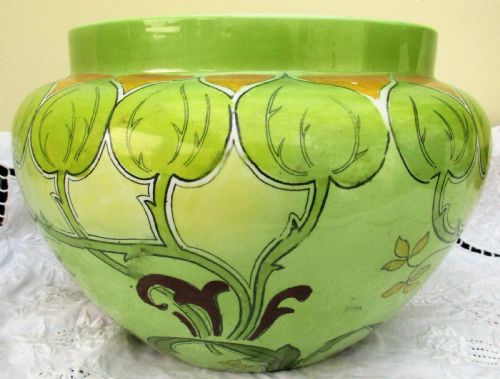
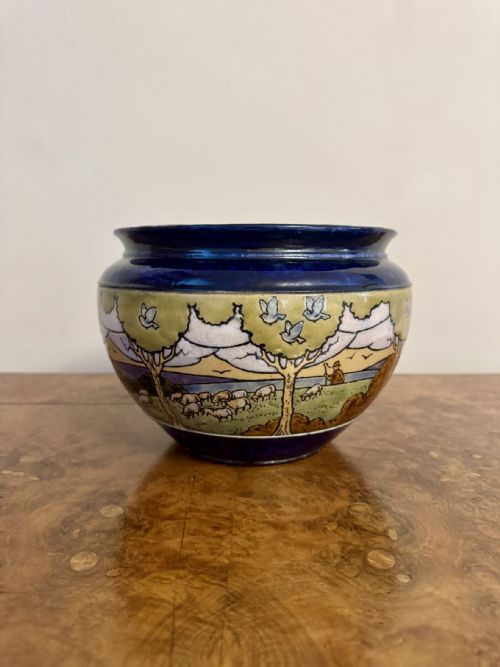
An art nouveau pot brings sweeping organic lines and floral motifs into a room, capturing the defining decorative spirit of the early twentieth century.
Art Nouveau Pot
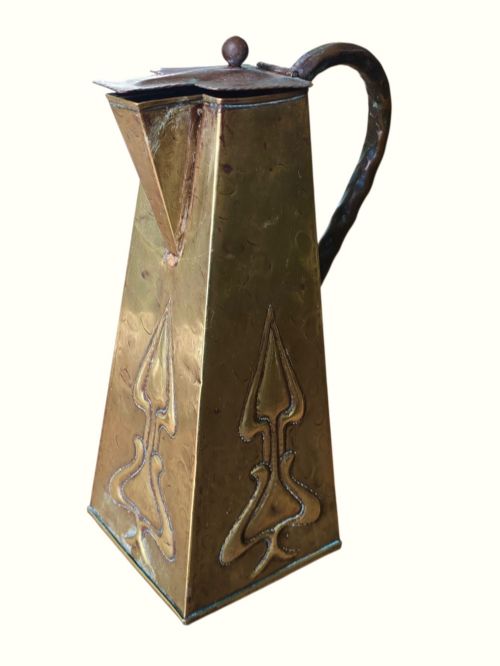
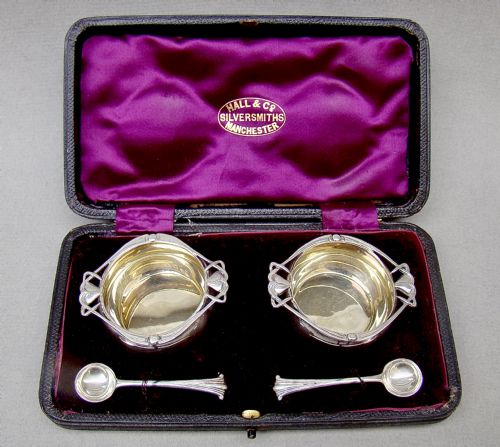
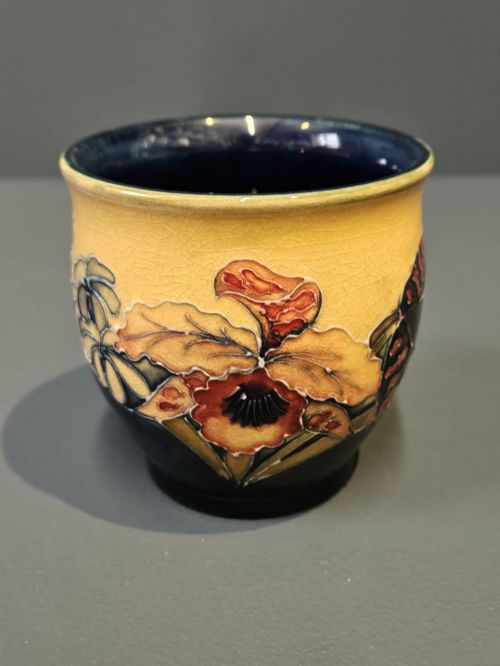
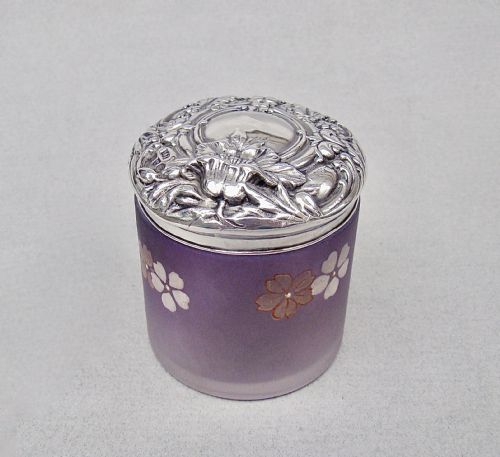
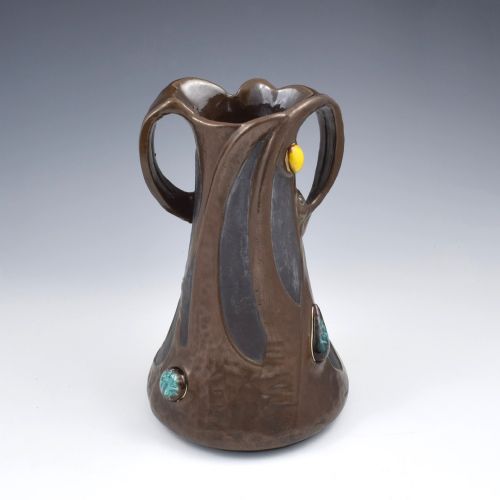
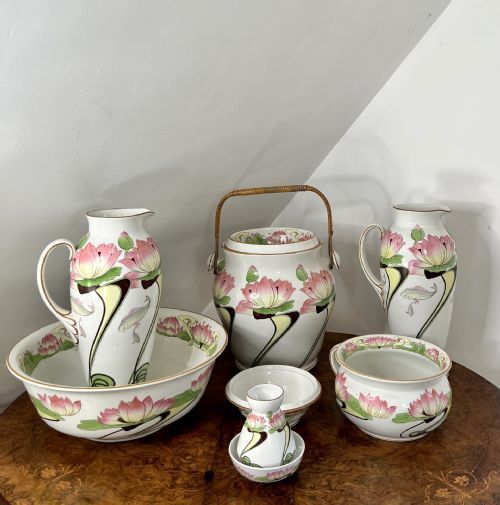
When searching for an art nouveau pot, buyers encounter diverse forms ranging from large ceramic jardinieres and bulbous earthenware vases to compact metal inkwells and lidded dressing table jars. These pieces emerge primarily from the Edwardian period, the late nineteenth century, and the early decades of the twentieth century, reflecting a distinct shift away from rigid historicism toward fluid, natural ornamentation.
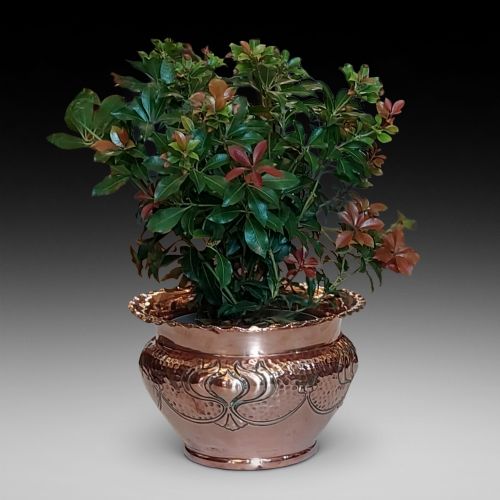
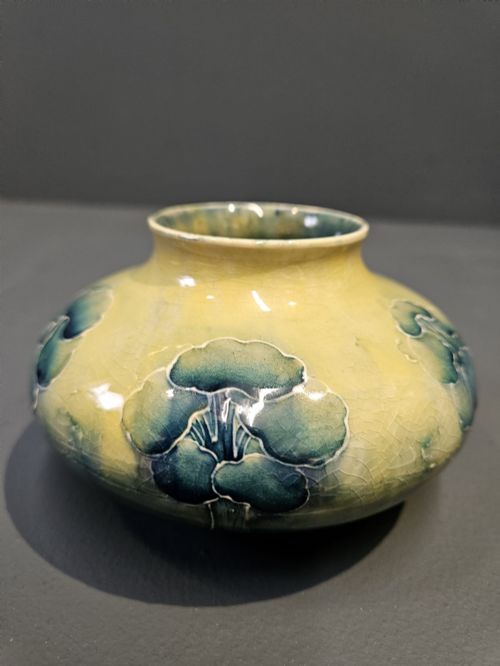
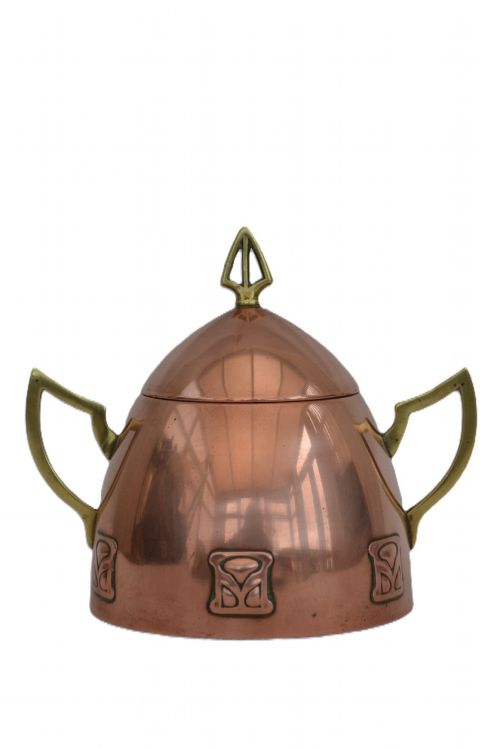
The most common examples on this page are earthenware and stoneware vessels alongside hammered copper and brass planters, often associated with major potteries and metalwork studios of the era. Alongside dedicated vases and jardinieres, the selection includes related domestic items such as tobacco jars, pot pourri containers, and ink bottles set within stands.
Originating across Britain, France, and the Netherlands, these vessels display regional variations from British tubeline floral ceramics to continental metalwork and glass. Whether executed in rich glazed earthenware or polished brass, each item serves as a functional container shaped by the curvilinear aesthetic of the movement.
Materials and methods
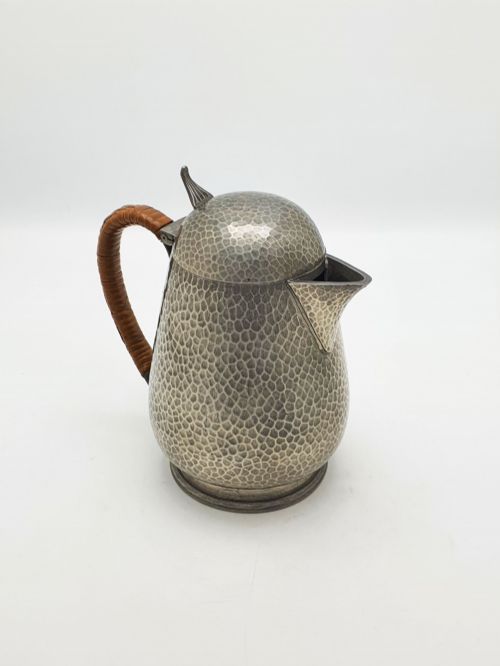
Makers shaped these vessels using traditional ceramic and metalworking techniques, combining thrown or moulded clay with applied glazes, metallic patinas, and raised cabochons. Earthenware and stoneware bodies provide the sturdy foundations for rich surface decoration, while copper, brass, and pewter undergo hammering, plating, and silvering to achieve distinct metallic finishes.
Potteries employed specialised glazing methods, including complex slip decoration and fluid colour blending on ceramic bodies, alongside tube-lining techniques to outline stylised floral motifs. Metal objects often feature riveted construction, applied patination, and fitted glass inserts, demonstrating the collaborative craftsmanship typical of the period.
Art Nouveau Pot Retail Price Guide 2026
Typical asking prices for art nouveau pot among the pieces listed under this phrase on Sellingantiques today, from the lower quarter to the upper quarter. They describe what is for sale here now, not the wider market.
Several planters retain their original fitted metal liners, having survived a century of enthusiastic watering without a single leak.
Distinguishing quality
Quality in these pieces rests upon the crispness of the modelled or hammered detail and the depth of the glaze or metallic finish. Superior examples display confident, unhesitant linework in floral motifs and well-balanced proportions that respect the organic vocabulary of the style.
The distinction between standard production items and finer studio pieces lies in the precision of the execution, such as the registration of tube-lined ceramic glazes and the retention of original metal components. Intricate hand-finishing, well-defined maker attribution, and harmonious patination elevate a piece above routine domestic wares.
Moorcroft·Royal Doulton·W A Adderley·J Sankey and Sons·Maurice Dufrene·Macintyre and Co
The Art Nouveau Pot Glossary
- Jardiniere
- A large decorative pot or stand designed to hold a living plant or floral arrangement. These vessels frequently feature substantial ceramic or metal construction with characteristic surface ornamentation.
- Tubeline
- A ceramic decoration technique where liquid clay is squeezed through a nozzle onto a vessel body to create raised outlines for subsequent glaze fills. This method produces the distinctive bordered colour fields seen on many period pots.
- Patina
- The surface sheen and coloration developed on metal objects through age, use, or intentional chemical treatment. A well-preserved original finish enhances the visual depth of copper and brass pieces.
- Cabochon
- A polished, convex gemstone or glass insert applied as a decorative accent to metalwork or ceramics. These elements catch the light and add textural contrast to the surrounding surface.
Art Nouveau Pot: Frequently Asked Questions
What is an art nouveau pot used for?
These vessels served various practical and decorative roles in period interiors, functioning as plant holders, tobacco storage, inkwells, or purely decorative centrepieces.
Today, they adapt readily to contemporary living spaces as flower vases, desk accessories, or standalone display objects that introduce period character to a room.
How do I identify a genuine period piece?
Authentic items display the characteristic weight, material patination, and manufacturing signatures consistent with turn-of-the-century production methods, such as impressed pottery marks or stamped metal foundry stamps.
Stylistic indicators include whiplash curves, asymmetrical floral motifs, and organic forms drawn directly from plant and insect anatomy.
How do I care for antique ceramic and metal pots?
Ceramic vessels require gentle dusting and careful handling of their glazed surfaces, avoiding harsh chemical cleaners that might compromise historic finishes.
Metal planters in brass or copper benefit from occasional light dusting while preserving their natural patination, ensuring the aged surface character remains undisturbed.
Where were these decorative pots made?
Production centred in established European manufacturing hubs, with notable contributions from English potteries, Scottish metal workshops, and continental European art foundries.
Export networks distributed these designs widely, leading to distinct regional interpretations of the overarching international style.