


Art Nouveau Floral Pottery
Art nouveau floral pottery brings organic plant motifs and sweeping botanical lines into domestic ceramics, prized for capturing natural movement in clay and glaze.
Art Nouveau Floral Pottery
Art nouveau floral pottery comprises vessels and decorative wares shaped around organic plant forms, botanical motifs, and sinuous stems. Collectors most commonly encounter stoneware vases, earthenware jardinieres, and glazed jugs produced across British, French, and Austrian potteries.
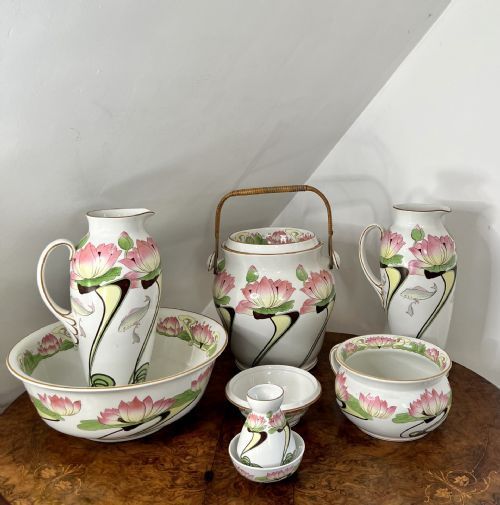
The objects span periods from the late nineteenth century into the early twentieth century, encompassing Arts and Crafts influences alongside traditional earthenware production. Forms range from miniature cabinet pieces and large ewers to complete wash sets and tea services decorated with floral patterns.
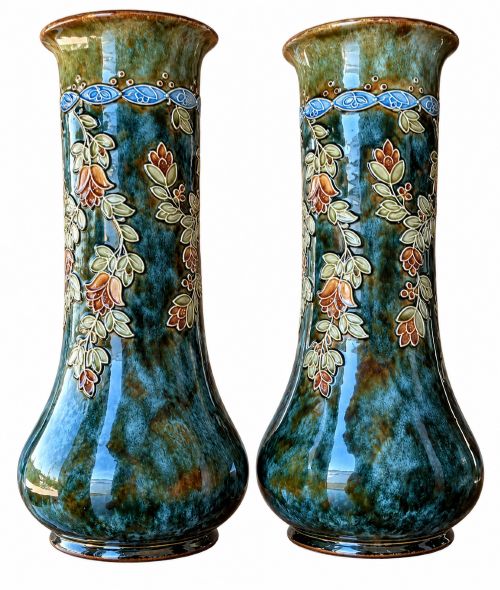
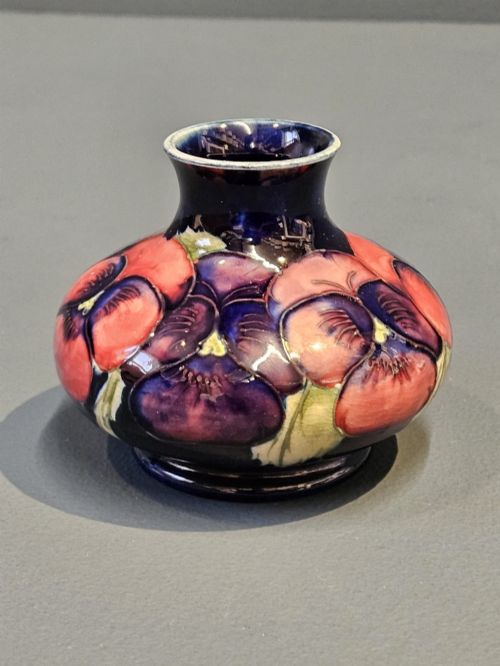
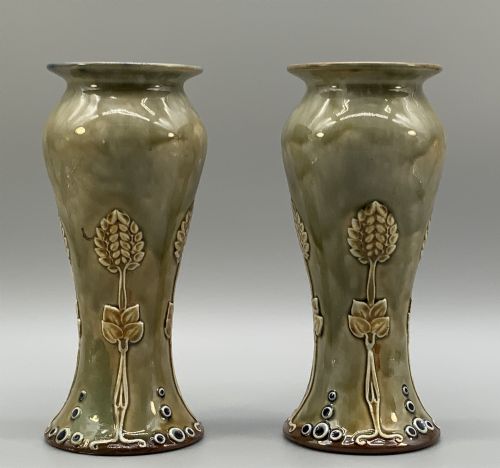
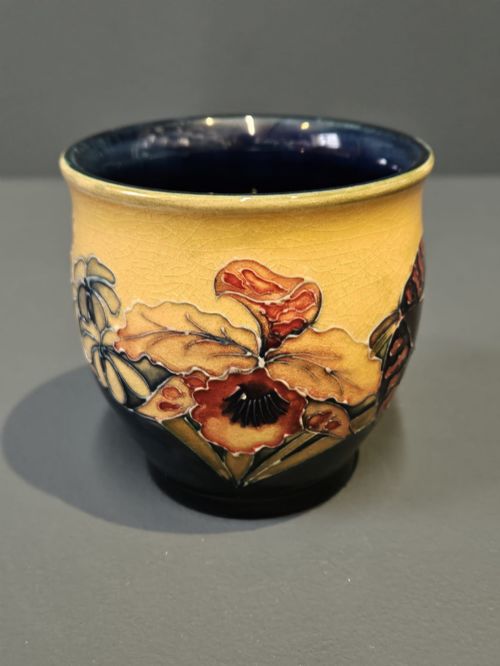
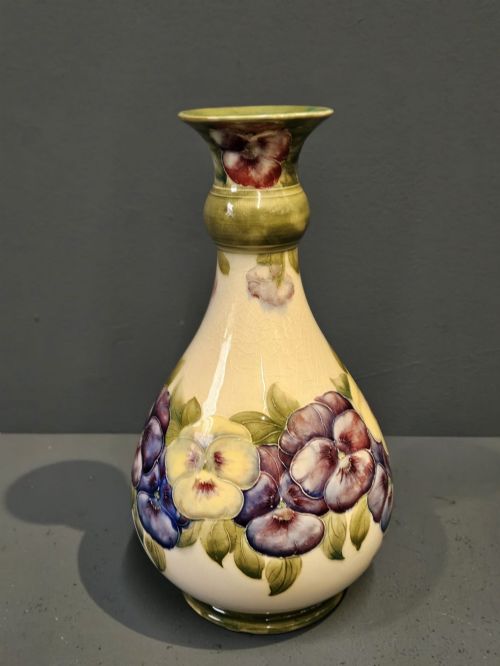
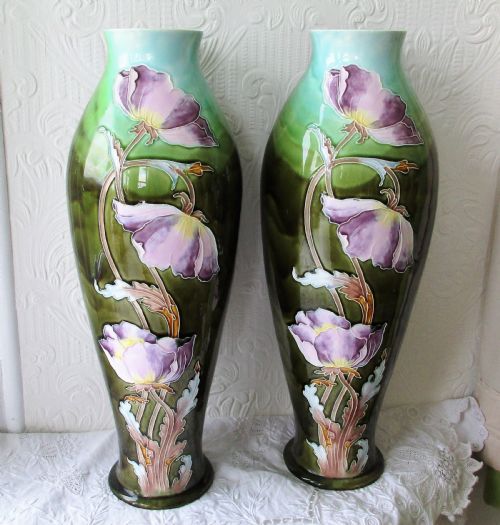
Makers utilise ceramic bodies shaped into botanical profiles, portraying sunflowers, pansies, poppies, and orchids through painted glazes and raised slip decoration. The output reflects both major studio potteries and continental workshops active during the height of the movement.
How they were made
Potters shape ceramic, earthenware, and stoneware bodies on the wheel or press them into moulds to create fluid, asymmetrical vase profiles and jardinieres. Artisans apply glazes and enamel colours over the clay, frequently incorporating gold leaf accents for added depth.
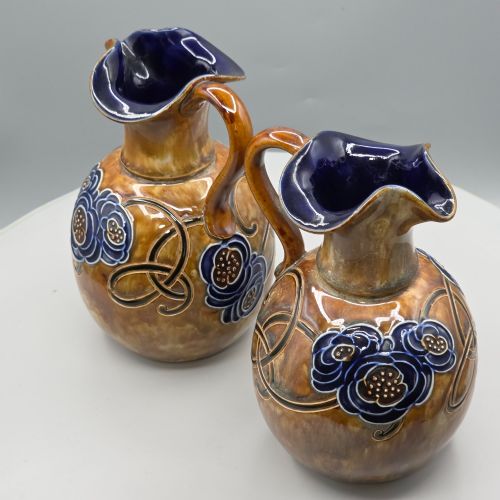
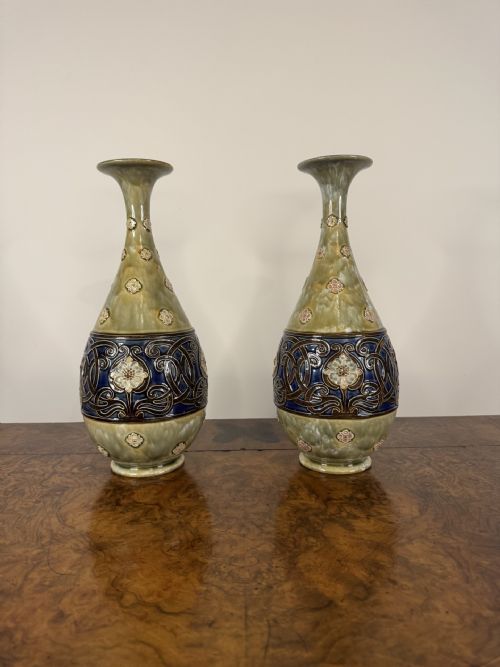
Techniques include tube lining, where raised lines of clay slip map out floral outlines before colour application, creating distinct cells for glazes. Handpainted execution and slip decoration define the surface work across English and continental examples.
Listings feature earthenware, stoneware, and glazed ceramic bodies decorated with floral motifs spanning the late nineteenth century to the nineteen thirties.
What varies in quality
Quality rests upon the crispness of the modelled plant forms, the precision of the tube lined or handpainted botanical details, and the depth of the glaze finish. Pieces bearing distinct artist signatures or specific factory ciphers demonstrate higher studio involvement.
The definition in the applied floral motifs and the balance of the ceramic silhouette distinguish standard commercial production from exceptional studio output.
Royal Doulton·Moorcroft·Minton·Ernst Wahliss·TG Green·Wileman Intarsio·Sir Edmund Harry Elton·J R Mally Co
The Art Nouveau Floral Pottery Glossary
- Stoneware
- A robust, vitrified ceramic body fired at high temperatures until impermeable to water. It accepts heavy salt glazes and intricate slip decoration without distortion.
- Earthenware
- A porous pottery body fired at lower temperatures, requiring a vitreous glaze coating to hold liquids. It forms the foundation for much painted and majolica ware.
- Tube lining
- A ceramic decorating technique using a rubber bulb or nozzle to squeeze raised lines of clay slip onto a vessel. This creates a barrier that separates distinct glaze colours.
- Jardiniere
- A large ornamental ceramic pot or stand designed to hold a live plant or flower arrangement. These pieces often feature prominent floral relief work.
- Baluster
- A vase or architectural form characterised by a rounded body that tapers upward into a narrow neck. The shape provides a stable base for botanical surface patterns.
Art Nouveau Floral Pottery: Frequently Asked Questions
How do I identify art nouveau floral pottery?
Look for sinuous plant motifs, flowing stems, and naturalistic flower forms rendered in slip or glaze across vases and jardinieres. Factory stamps and artist monograms on the base confirm the maker and period.
Examining the application of glazes and the contour of the ceramic body helps separate these organic designs from later geometric styles.
Were these pieces used daily or displayed?
Most decorative vases and chargers served as ornamental display pieces within Edwardian and Victorian interiors. Jugs, wash sets, and tea services saw practical domestic use alongside their decorative function.
The survival of delicate enamel and gold leaf on many items suggests careful handling and primary use as mantel or cabinet decoration.
How should I clean glazed ceramic items?
Dust surfaces gently with a soft, dry cloth to remove everyday particles without disturbing the glaze or delicate enamel work. Avoid harsh chemical cleaners and submersion in water, particularly for pieces with gold leaf or porous earthenware bodies.
Professional conservation advice is recommended for pieces showing historic hairline cracks or crazing in the glaze layer.
What defines the secessionist style in pottery?
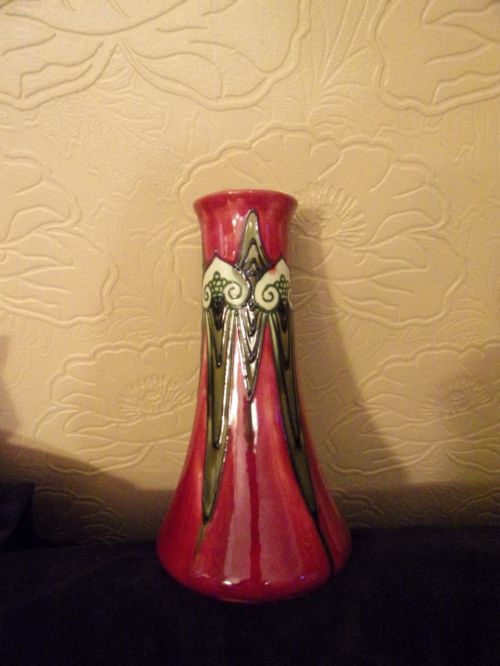
Secessionist ceramics feature stylized floral patterns and geometric symmetry influenced by continental secession movements in art and design. These pieces often employ bold, contrasting glazes within tube lined borders.
Makers utilised this approach to move away from strict historical revivalism toward more expressive, modern botanical forms.