





Art Nouveau Bronze Figural
Art nouveau bronze figural works capture the graceful curves and natural motifs of the turn of the century in lasting metal.
Art Nouveau Bronze Figural
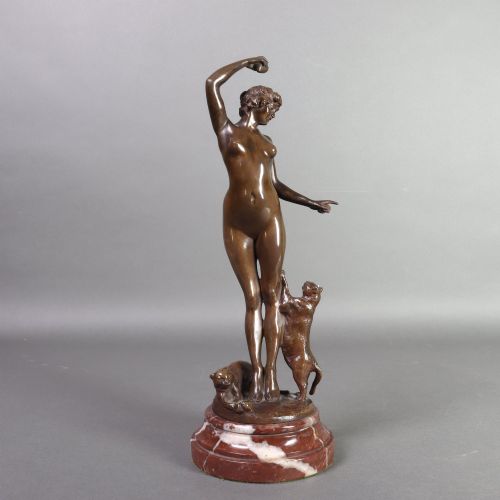
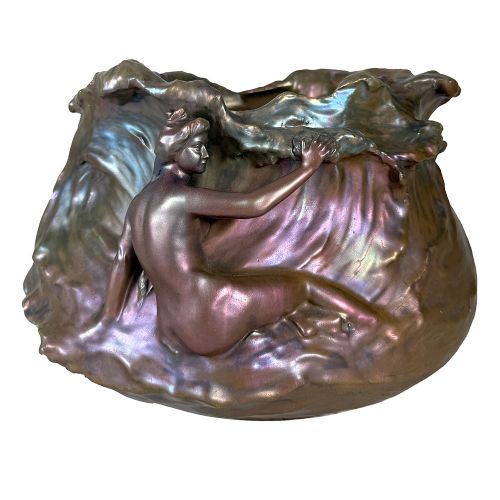
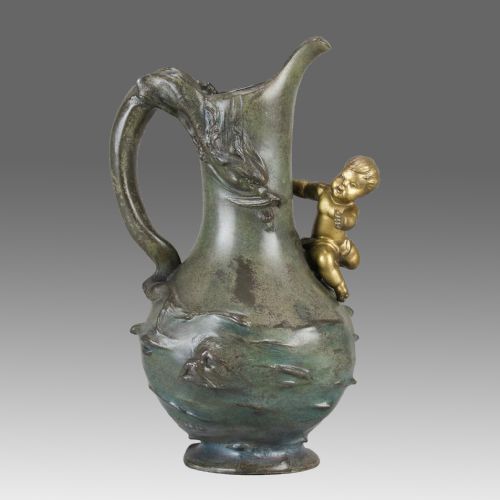
Art nouveau bronze figural pieces combine sculptural human and natural forms with the flowing, organic lines characteristic of the turn of the twentieth century. These works frequently appear as decorative sculptures, table lamps, vases, and mantel clocks originating from French workshops during the Belle Epoque.
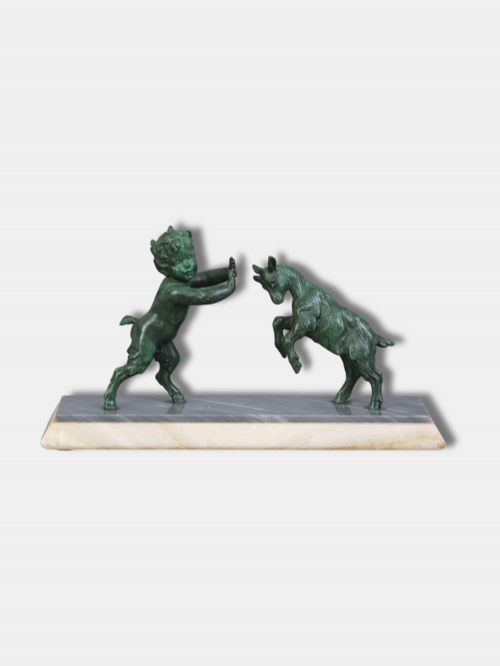
Buyers seeking art nouveau bronze figural items encounter both solid bronze casts and patinated metal figures mounted on marble bases. Subjects range from mythological figures and nymphs to elegant ladies and putti, often integrated into functional objects like lamps and inkwells.
Materials and Construction
Foundries utilised traditional lost-wax casting and sand casting techniques to shape molten bronze into intricate, flowing designs. Artisans then applied chemical patination or silvering to the metal surface to create nuanced tonal variations and highlights.
Many figural sculptures and lamp bases incorporate contrasting materials such as carved marble for plinths or glass elements for shades and vessels. Spelter also appears as an alternative metal base material, often finished with a bronze or gilt coating to mimic solid cast bronze.
Listings feature works spanning the nineteenth century through the nineteen twenties, with a strong concentration of pieces from the nineteen hundreds.
Evaluating Quality and Execution
The precision of the metal chase work and the subtlety of the patination distinguish superior casts from simpler productions. Finer pieces retain crisp facial expressions, delicate drapery folds, and clean surface details without smoothing from excessive polishing.
The integration of the figure with its functional purpose, such as a lamp fitting or clock housing, dictates the success of the design. High quality works feature signed bases from established bronzeiers and harmonise the metal sculpture seamlessly with marble mounts or glass components.
L and F Moreau·Emile Carlier·Georges Van Der Straeten·Hector Lemaire·Charles Korschann·Ernst Barrias·Ivan Zaiec·Emmanuel Villanis·Georges Van De Voorde·Antoine Bofill·Carl Kauba·Auguste Moreau·Henri Honore Ple·Ernest Louis Adnin
The Art Nouveau Bronze Figural Glossary
- Patinated bronze
- Bronze treated with chemical solutions to produce a specific surface colour or aged appearance. This finish protects the metal and highlights sculptural contours.
- Spelter
- A zinc alloy commonly used as a cost-effective substitute for bronze in decorative figures and lamps. It is typically painted or electroplated to resemble bronze.
- Lost-wax casting
- A precise method of metal casting where a wax model is melted from a mould and replaced with molten bronze. This technique allows for complex, undercut details.
- Belle Epoque
- A period of French history spanning the late nineteenth century to the First World War characterised by optimism and flourishing decorative arts. Much of the figural work dates from this era.
Art Nouveau Bronze Figural: Frequently Asked Questions
What is an art nouveau bronze figural lamp?
These functional sculptures incorporate human or natural figures into lighting fixtures, often featuring a female form entwined with plant stems or holding a light source.
Wiring is typically modernised for safe use while retaining the antique base and original decorative elements.
How do I distinguish bronze from spelter?
Bronze is heavier, colder to the touch, and rings with a clear tone when tapped gently, whereas spelter is softer and more brittle.
Examining the underside or areas of wear often reveals the greyish metal beneath a bronze-coloured surface finish on spelter items.
Where were these pieces made?
The vast majority of these decorative bronzes and lamps originated in French foundries and Parisian studios during the late nineteenth and early twentieth centuries.
French artisans led the movement, producing works ranging from large mantel clocks to small desk accessories.
How should I clean my bronze sculpture?
Dust the surface gently with a soft, dry brush or microfibre cloth to prevent the accumulation of grit in recessed details.
Avoid using water, chemical polishes, or abrasive cleaners, as these can strip the original patination and damage the metal.