


Art Glass Lighting
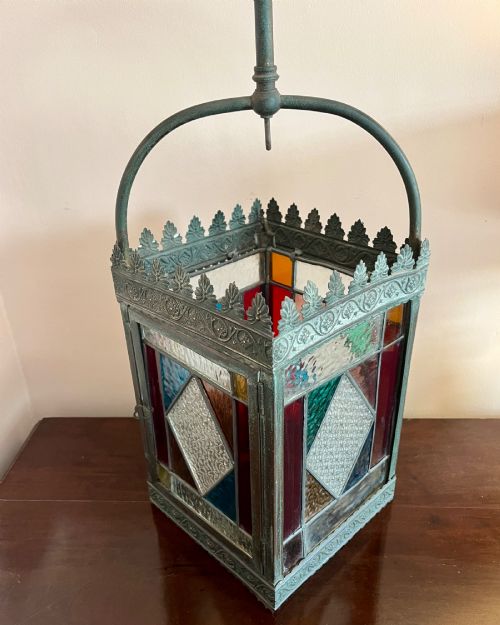
Art glass lighting brings together coloured and frosted glass with metal frames to illuminate rooms with distinct period character.
Art Glass Lighting
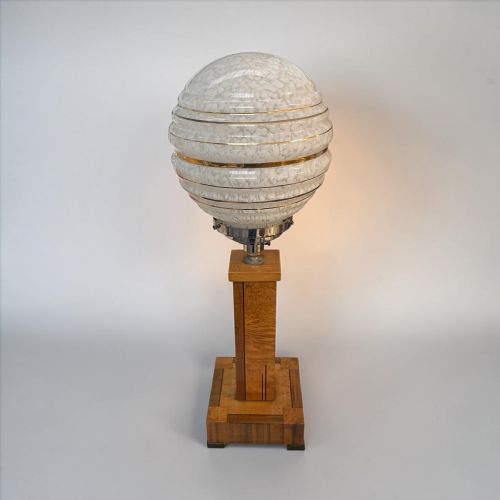
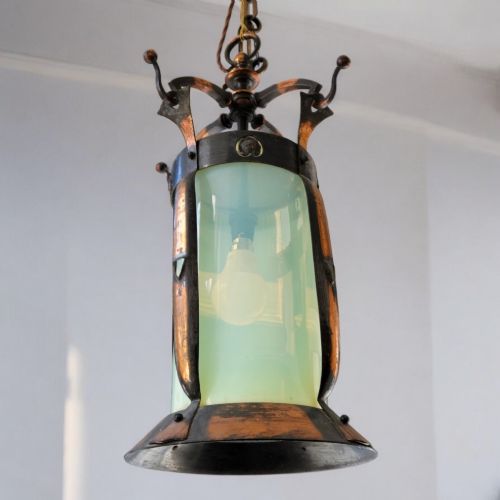
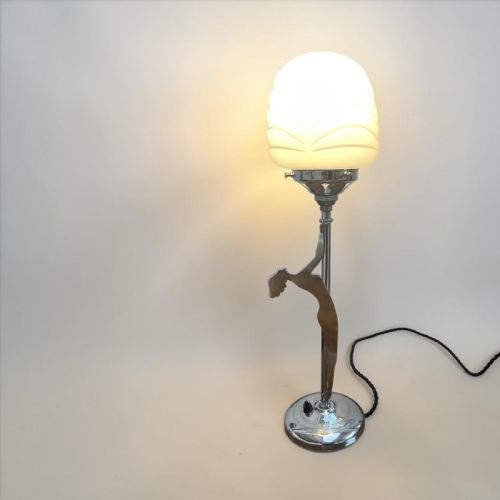
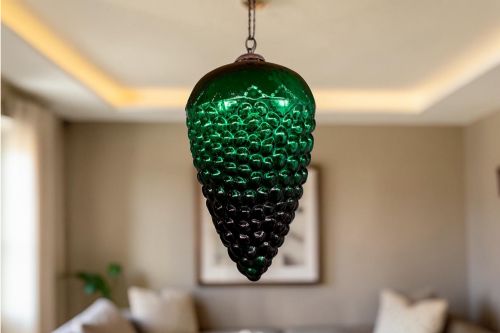
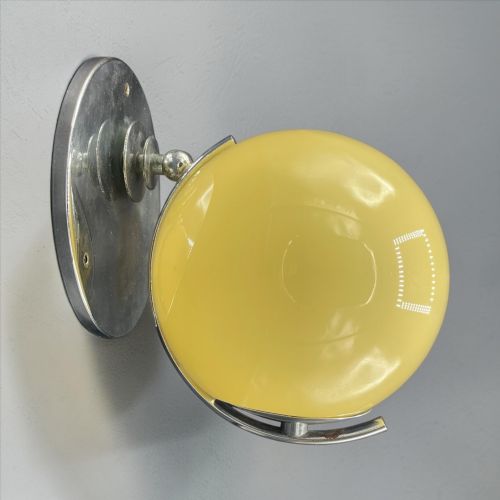
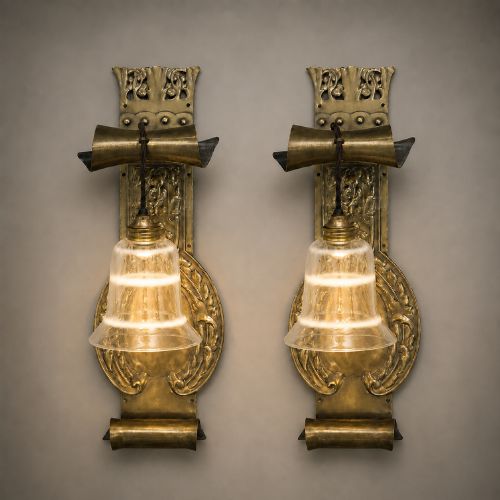
Art glass lighting covers a range of hanging pendants, wall sconces, ceiling lights, chandeliers, and table lamps from periods spanning the nineteenth century through to the 1940s. Buyers investigating art glass lighting will encounter prominent styles such as Art Deco, Art Nouveau, and Arts and Crafts.
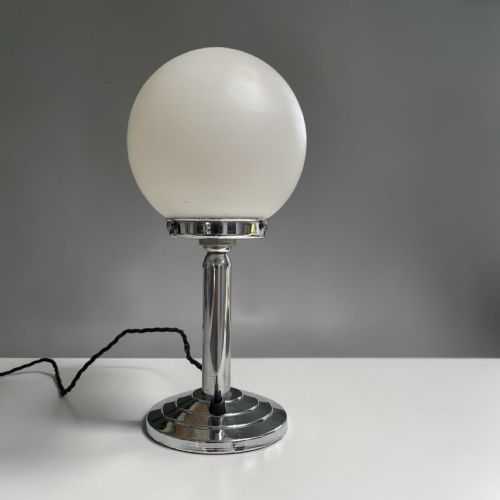
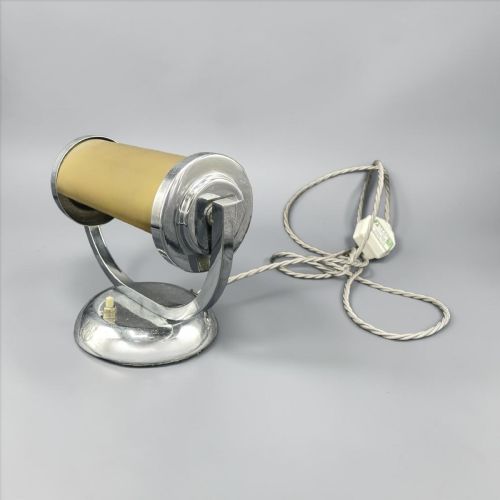
The selections on this page feature standard interior illumination forms utilising glass shades paired with metal mounts in brass, copper, chrome, and bronze. Table lamps and hanging lanterns appear frequently alongside ceiling fixtures and wall lights.
How they were made
Maker workshops combined blown or moulded glass shades with structural metal frames formed from brass, copper, bronze, and chrome. Components often incorporated lead, marble bases, or spelter figures to support the glass elements.
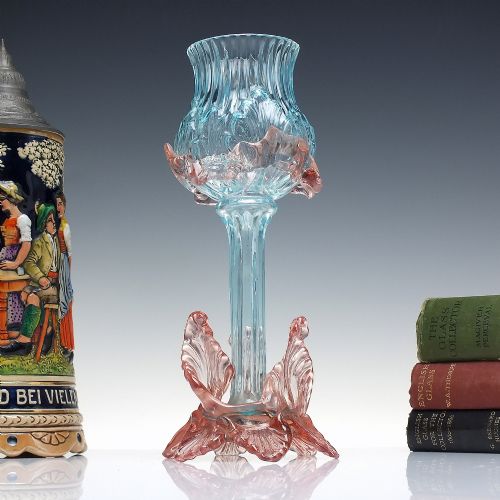
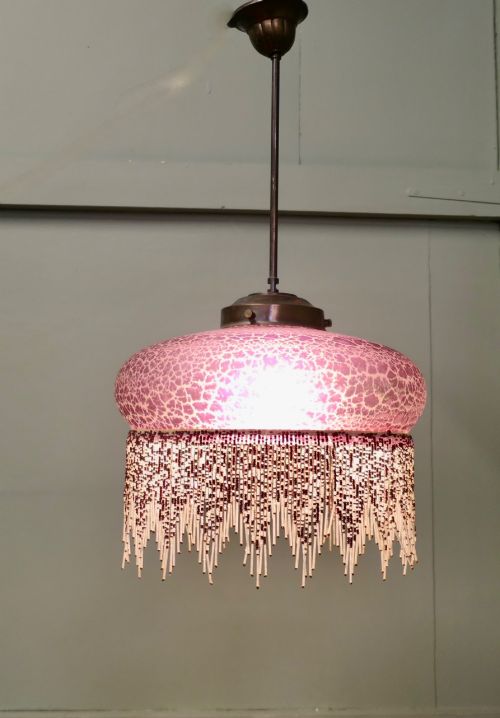
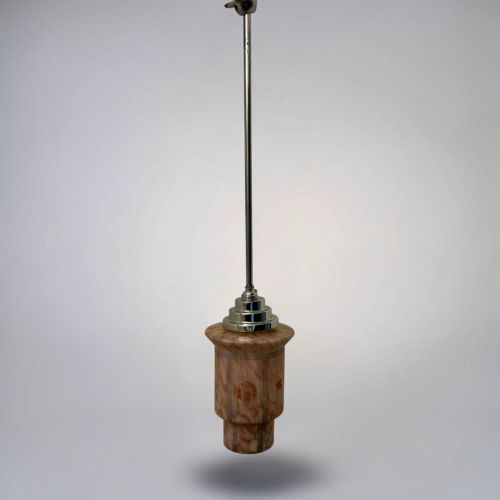
Glass techniques visible across the pieces include frosted, cut, mottled, and reverse painted finishes, paired with metalwork ranging from simple spun brass to detailed cast frames.
Art Glass Lighting Retail Price Guide 2026
Typical asking prices for art glass lighting among the pieces listed under this phrase on Sellingantiques today, from the lower quarter to the upper quarter. They describe what is for sale here now, not the wider market.
Listings incorporate items spanning the Victorian era, Arts and Crafts movement, and the Art Deco period.
What varies in quality
Quality differences emerge in the weight and clarity of the glass, particularly where makers utilised specialised moulding or hand-blown techniques. Thicker glass shades with distinct mottling or layered colours represent finer production standards.
The execution of the metal mounts and frames also differentiates pieces, with substantial brass, bronze, and copper settings showing greater durability and refined detail compared to simpler commercial fixtures.
Charles Schneider·Degué·Fratelli Toso·Émile-Jacques Ruhlmann
The Art Glass Lighting Glossary
- Plafonnier
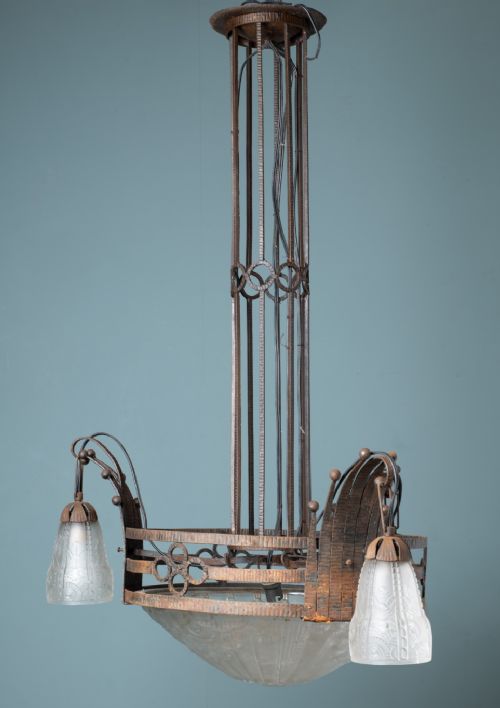
- A shallow bowl-shaped ceiling light mounted close to the ceiling. These fixtures distribute ambient light downward through patterned or frosted glass bowls.
- Slip shade
- A type of moulded glass shade that slots directly into a metal frame without screws. These shades are characteristic of American lighting from the early twentieth century.
- Millefiori
- A glasswork technique involving multi-coloured glass canes fused together into patterns. This method appears on decorative lamp bodies and shades.
- Opaline
- A semi-translucent white or tinted glass developed in the nineteenth century. It softens light output while maintaining an even surface tone.
- Spelter
- A zinc alloy frequently used as a base metal for decorative figures on lamp stands. It was often bronzed or painted to resemble heavier metals.
Art Glass Lighting: Frequently Asked Questions
Can these vintage lights use modern bulbs?
Many vintage fixtures accommodate modern screw or bayonet bulbs once the internal wiring is assessed by a qualified electrician.
Wiring updates ensure safe operation while retaining the original sockets and metal mounts.
What is the difference between a pendant and a plafonnier?
A pendant hangs down from the ceiling on a chain, cord, or rod, suspending the light source further into the room space.
A plafonnier sits flat against the ceiling surface as a shallow bowl that directs illumination downward.
How do I care for antique glass shades?
Clean glass shades using mild soapy water and a soft cloth while detached from the metal electrical fittings.
Avoid abrasive cleaners or submerging painted and frosted surfaces to protect the original finish.