
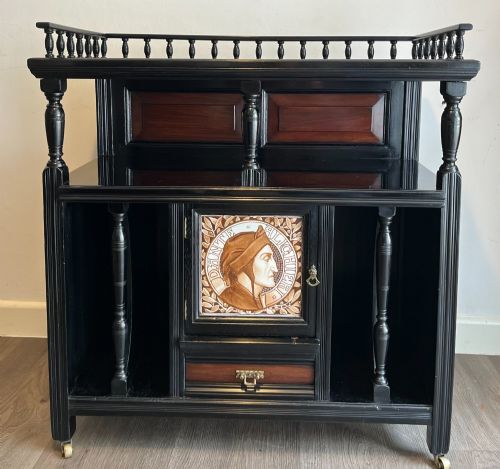
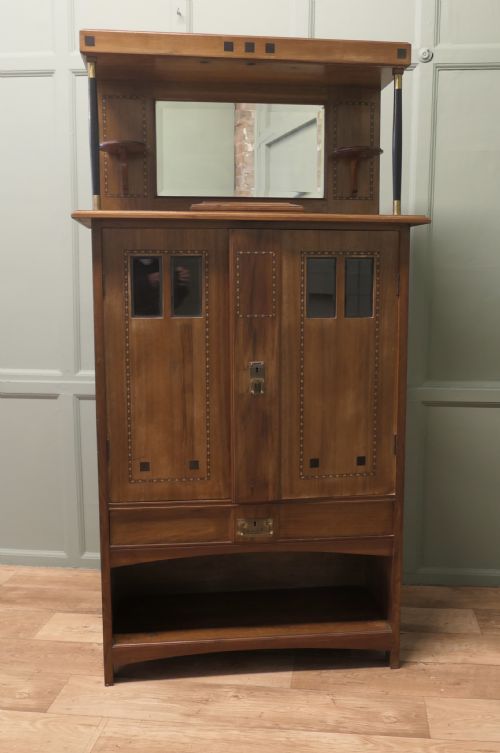
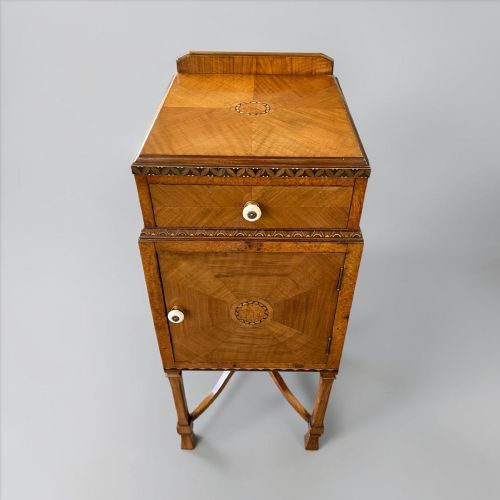
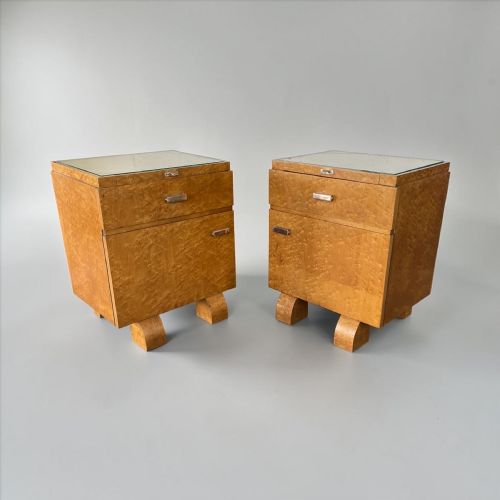




Art Furniture Side Cabinet
An art furniture side cabinet brings forward the defined lines and practical storage of the nineteenth and twentieth centuries.
Art Furniture Side Cabinet
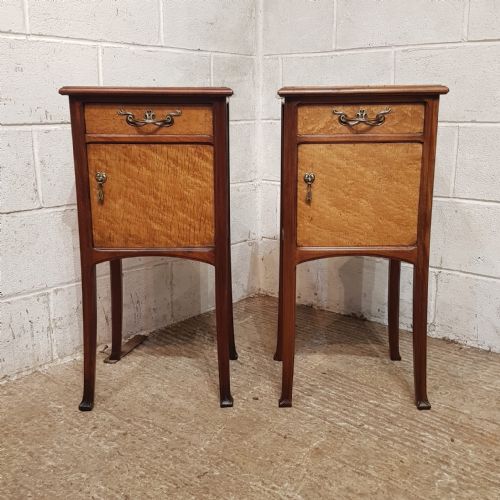
An art furniture side cabinet serves as both display space and storage across periods spanning from the eighteenth century to the mid twentieth century. These items include bedside cabinets, cocktail cabinets, and storage cupboards produced under distinct design movements.
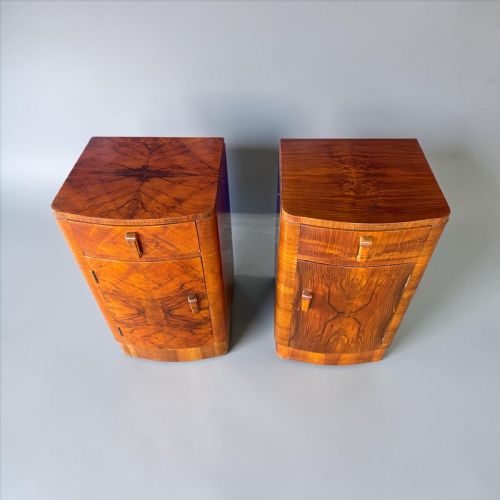
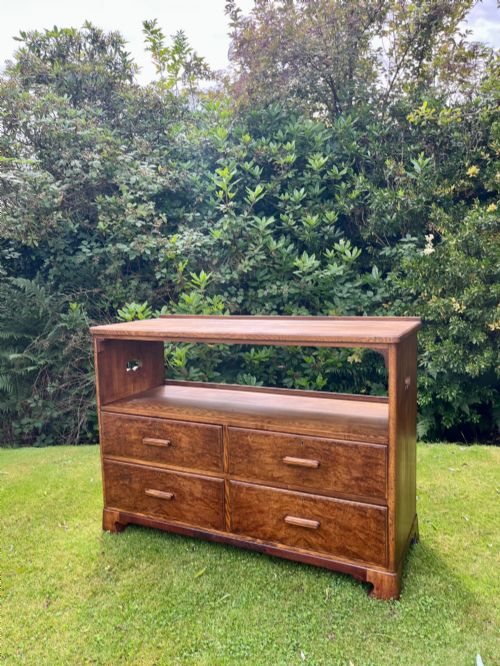
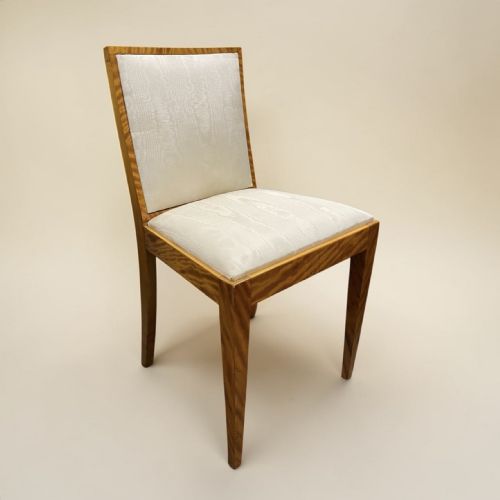
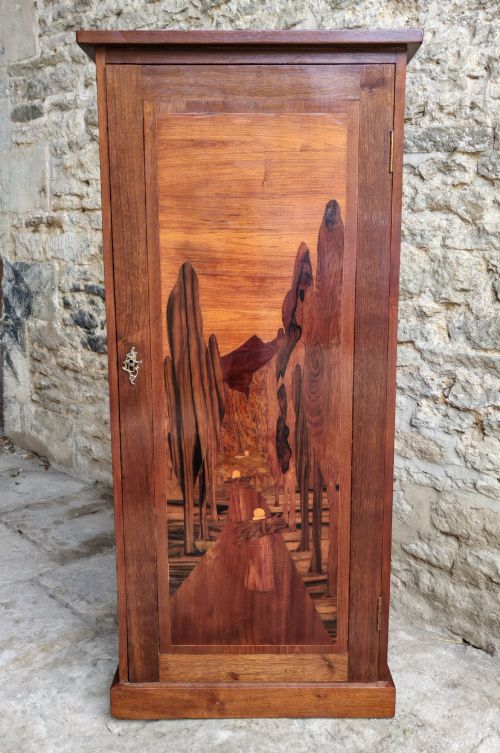
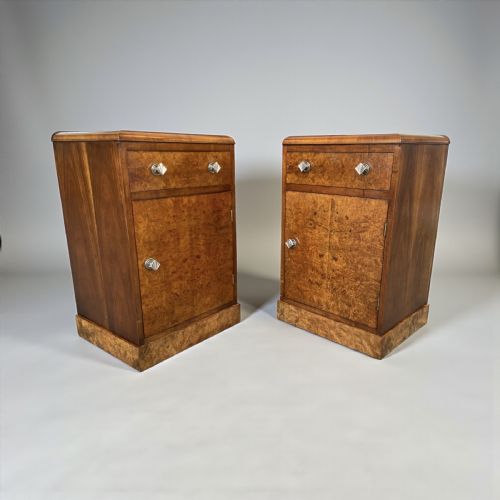
The versions most frequently met on this page date from the Art Deco era and the Arts and Crafts movement. Makers utilised walnut, oak, and satinwood to construct forms ranging from compact bedside chests to larger display cabinets.
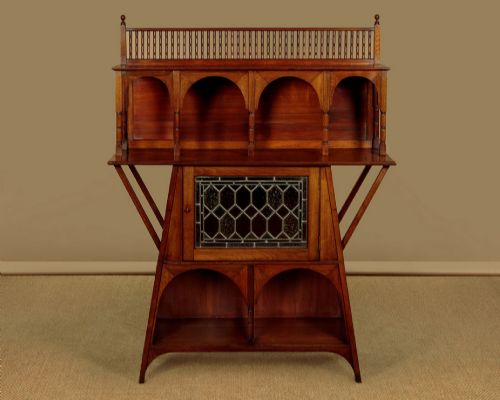
Examples cross several stylistic influences, including Aesthetic Movement, Secessionist, and French Art Deco designs. Buyers encounter both individual items and matched pairs designed for domestic interiors.
Materials and construction
Carpenters employed solid woods such as oak and mahogany alongside decorative veneers like burr walnut, elm, and satinwood to create patterned surfaces. Brass hardware and glass elements frequently complement these timber constructions.
Techniques varied from hand-painted surfaces in the Pre-Raphaelite style to inlaid details and geometric cabinetwork. Construction methods support practical functions like linen storage, book organisation, and bedside utility.
One Dutch painted pine cupboard retains its original surface from the eighteenth century.
Judging the standard
The standard of a piece depends upon the selection of timber veneers and the precision of the cabinetmaking. Matched grain patterns across doors and drawers separate finer examples from standard production.
Makers known for specific design movements bring greater recognition to their pieces through documented attribution and distinctive proportions.
Whytock and Reid·Liberty and Co.·Bath Cabinet Makers·Betty Joel·Harris Lebus·Maurice Adams·Harry and Lou Epstein·Hille·James Plunckett·Bruce Talbert·Gillows
The Art Furniture Side Cabinet Glossary
- Art Deco
- A design style prominent in the 1920s and 1930s characterised by geometric shapes, streamlined forms, and modern materials. This movement produced many of the side cabinets and tables seen here.
- Arts and Crafts
- A movement originating in the late nineteenth century focusing on traditional craftsmanship and simple forms. Pieces from this tradition often use solid oak and emphasise natural wood grains.
- Burr Walnut
- A specialised wood grain obtained from the burls of walnut trees, producing intricate and swirling patterns. Cabinetmakers utilised this material for decorative veneer panels.
- Aesthetic Movement
- A late nineteenth-century design approach emphasising visual beauty over narrative subject matter. Cabinets from this period often display refined lines and artistic detailing.
- Secessionist
- A Central European artistic movement of the early twentieth century that rejected historicism in favour of simplified geometric forms. This style appears on specialised display cabinets.
- Compactum
- A multi-functional wardrobe or storage cupboard designed to maximise internal organisation. These items provide dedicated compartments for various types of clothing.
Art Furniture Side Cabinet: Frequently Asked Questions
What is an art furniture side cabinet?
An art furniture side cabinet is a storage or display unit produced during design movements like Art Deco, Arts and Crafts, or the Aesthetic Movement.
These pieces combine practical function with artistic cabinetry, utilising woods such as walnut, oak, and satinwood alongside brass and glass details.
How do I date an art cabinet?
Dating relies on stylistic markers, materials, and construction methods associated with specific decades between the nineteenth and twentieth centuries.
Art Deco items typically date to the 1920s and 1930s, while Arts and Crafts examples generally emerge from the late Victorian or Edwardian periods.
Where were these cabinets used?
These cabinets served primary functions in bedrooms, dining rooms, and living spaces as bedside storage, cocktail cabinets, or display units.
Their compact footprints allowed them to fit into various domestic layouts while providing enclosed storage surfaces.
How do I care for burr walnut?
Burr walnut surfaces require protection from direct sunlight and excessive moisture to prevent veneer cracking and fading.
Regular dusting with a soft cloth helps maintain the polished timber finish without damaging the delicate grain patterns.