


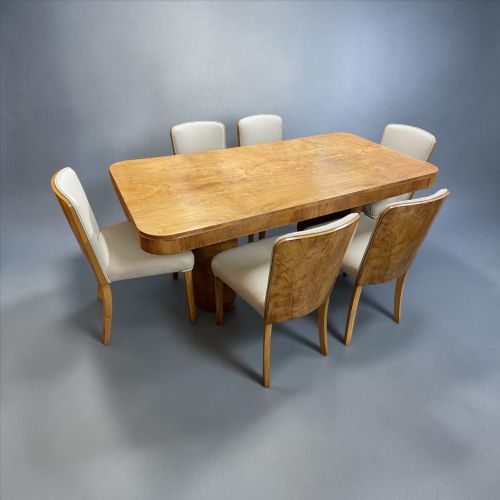

Art Deco Walnut Pedestals
Art deco walnut pedestals are striking period furnishings defined by rich veneers and geometric forms that anchor a room with architectural presence.
Art Deco Walnut Pedestals
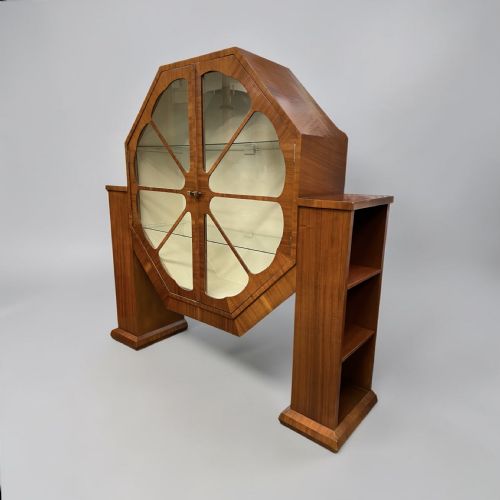
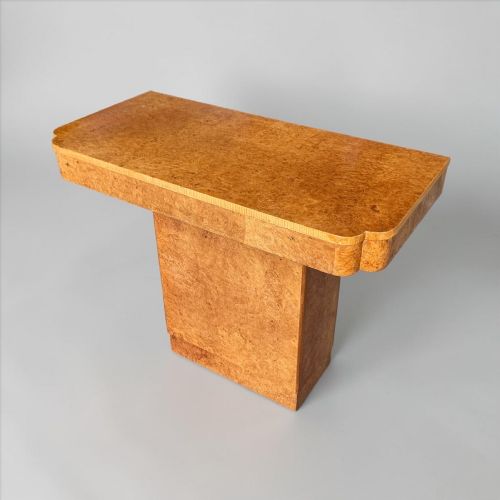
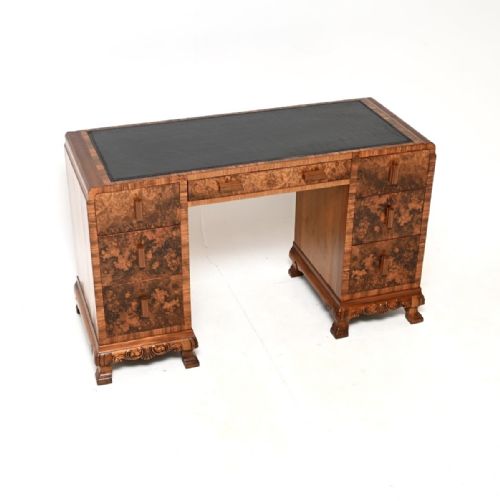
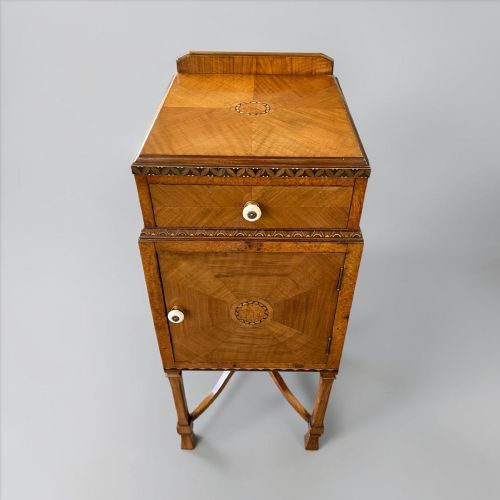
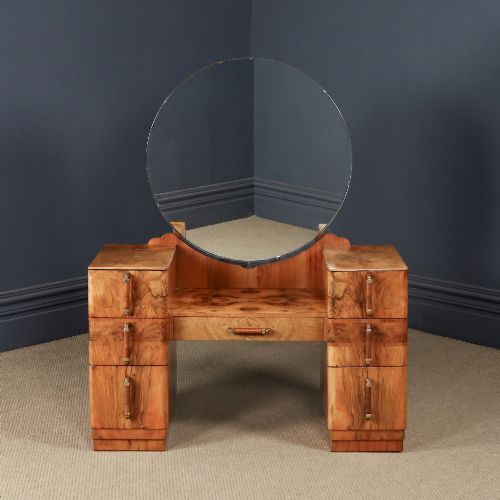
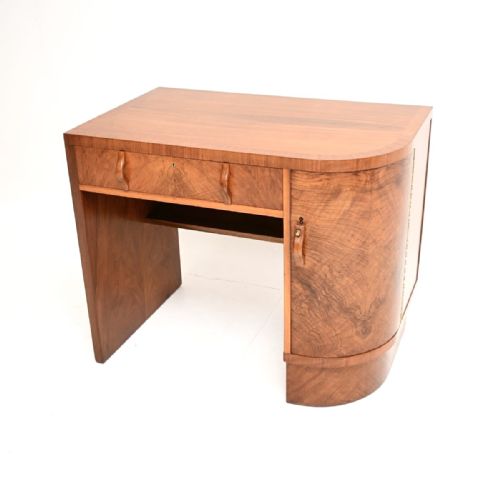
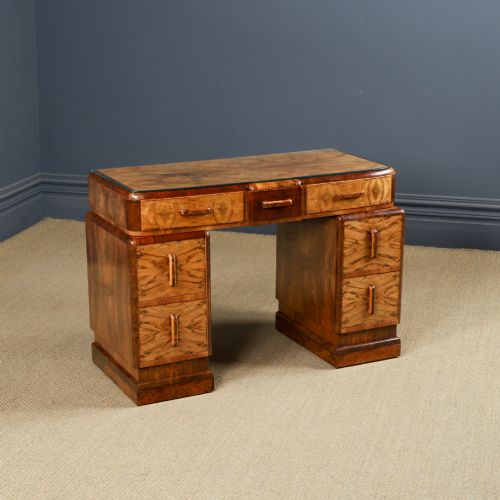
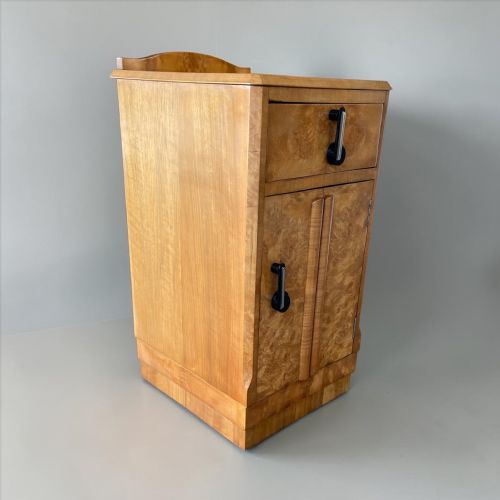
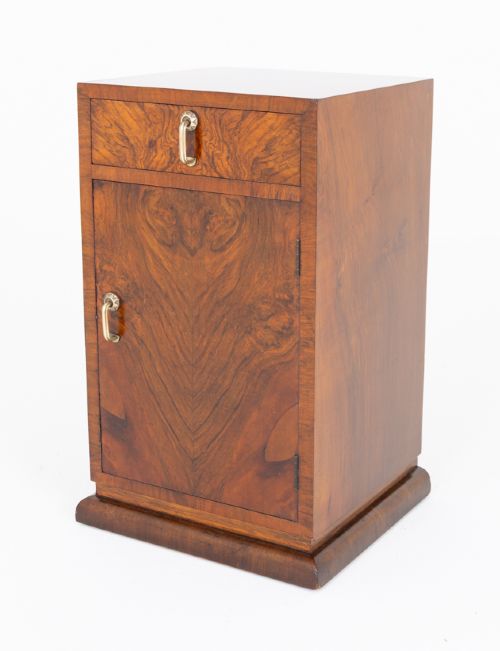
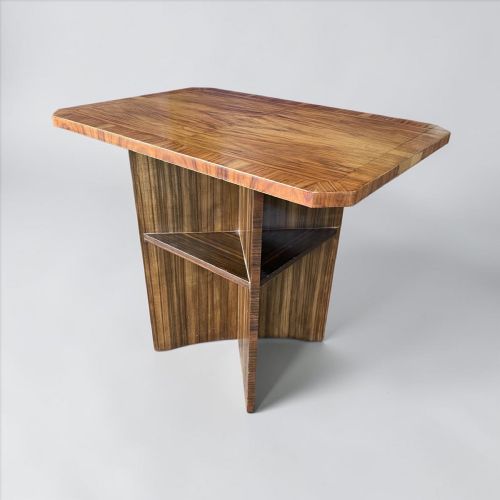
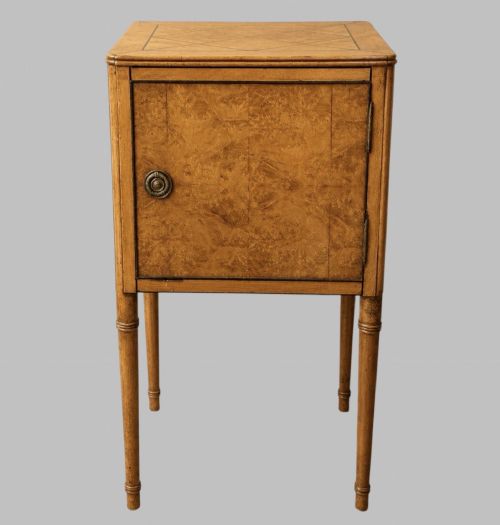
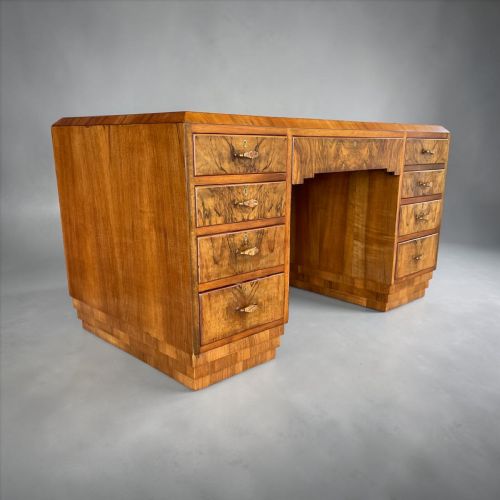
When you search for art deco walnut pedestals, you encounter a selection of tables, desks, cabinets and dressing tables originating primarily from the 1920s, 1930s and 1940s. These pieces showcase the distinct design language of the period, utilising rich wood grains to create bold silhouettes.
The objects listed under this description encompass various utilitarian and decorative forms, including bedside cabinets, occasional tables and large office writing desks. English and French workshops dominate the origin of these items, often pairing the primary wood with contrasting materials.
Materials and construction techniques
Craftsmen of the era relied heavily on walnut and burr walnut veneers, applying them across solid wood carcasses to highlight the swirling patterns of the grain. This technique allowed makers to achieve symmetrical visual effects on large flat surfaces like desk tops and cabinet doors.
Makers integrated secondary materials such as glass, brass, metal and leather into the designs to accent the warm tones of the walnut. These additions served both structural and decorative purposes, defining the characteristic look of the style.
The listings here span the 1920s, 1930s and 1940s, featuring walnut, burr walnut, glass, brass, metal and leather across multiple furniture forms.
Distinctions in construction and design
The standard of an individual piece often rests on the selection and matching of the veneer figures across the surfaces. Finer examples display carefully arranged grain patterns that flow continuously across drawers and doors.
Construction quality also appears in the integration of secondary elements like leather writing inserts, glass panels and metal hardware. Pieces attributed to notable makers or specific workshops generally exhibit more refined proportions and thoughtful detailing.
Walter Carter Harrods·Harry and Lou Epstein·Betty Joel·Étienne Kohlmann·Maurice Adams
The Art Deco Walnut Pedestals Glossary
- Burr walnut
- A specialised timber cut from the growth warts of walnut trees, yielding intricate swirling grain patterns. It was frequently used for veneering prominent surfaces on high-end furniture.
- Veneer
- A thin layer of superior wood adhered to a base timber carcass. This method allowed craftsmen to display decorative grain figures while maintaining structural stability.
- Art Deco
- A design style emerging in the interwar period, characterised by clean geometric lines, stylised motifs and modern industrial materials. It influenced architecture, interior design and furniture manufacture.
- Pedestal
- A structural support base for a larger piece of furniture, such as a desk or dressing table. These supports often contained drawers or cabinets in office furniture.
- Console table
- A side table designed to stand against a wall, frequently featuring decorative legs or supports. They appeared in various sizes within hallway and living room settings.
Art Deco Walnut Pedestals: Frequently Asked Questions
What periods do these pieces date from?
The items generally date from the 1920s, 1930s and 1940s, capturing the height of the design movement. Most examples recorded here originate specifically from the 1930s.
Production during these decades involved both English and French workshops, each bringing distinct regional interpretations to the furniture forms.
How do I identify burr walnut?
Burr walnut is recognizable by its dense, swirling patterns and clustered knot formations across the wooden surface. Makers utilised this timber as a veneer to create decorative focal points on tables and cabinets.
The irregular grain contrasts with straight-grained walnut timber, often laid out in symmetrical book-matched designs.
Where were these pieces used originally?
These items served functional roles in homes and offices, appearing as desks in studies, bedside cabinets in bedrooms, and console tables in hallways. Dining suites and dressing tables also formed part of domestic interiors.
The variety of forms reflects the widespread adoption of the style across different domestic spaces.
What other materials accompany the walnut?
Makers frequently paired walnut and burr walnut with glass, brass, metal and leather. These materials appeared as desk inserts, tabletop surfaces, handles and structural framing.
The combination of wood with contrasting textures contributed to the overall aesthetic of the period.