


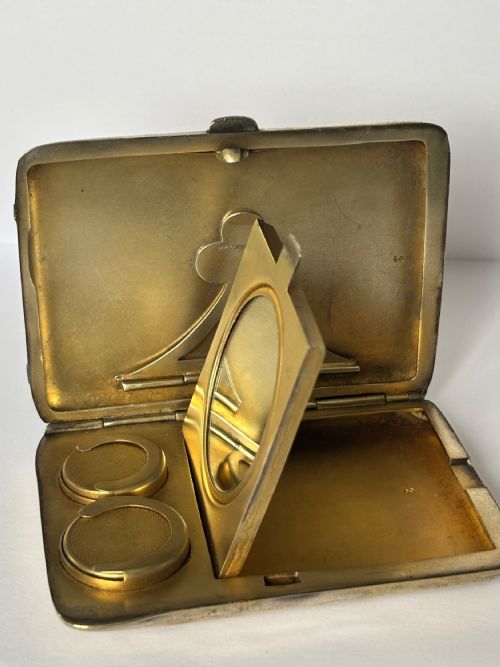


Art Deco Vanity Case
These art deco vanity case pieces are portable pocket accessories designed for cosmetics, offering a touch of geometric elegance from the interwar period.
Understanding the Pieces
When you search for art deco vanity case items, you encounter pocket-sized powder compacts produced during the 1920s and 1930s. These items served as essential accessories for women carrying loose powder and cosmetics during the interwar era.
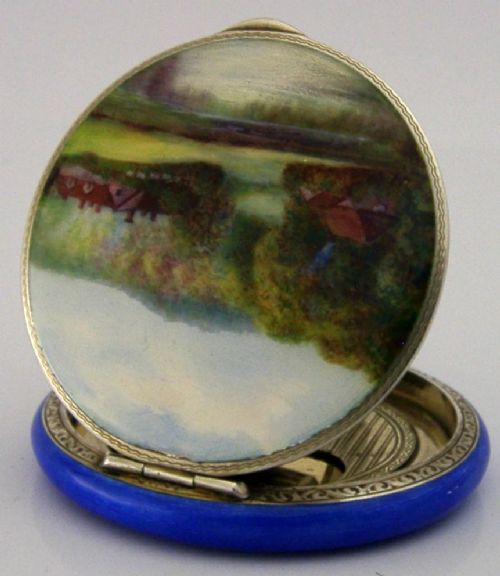
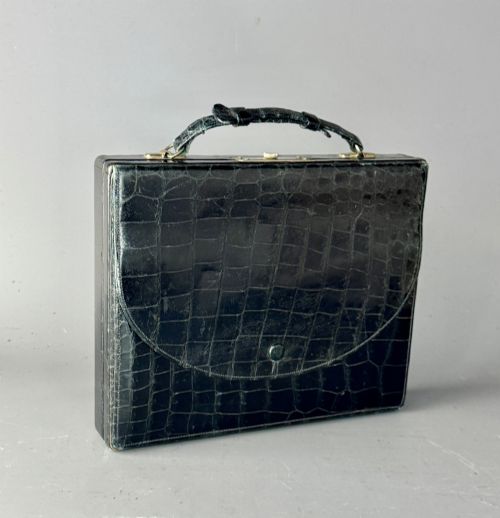
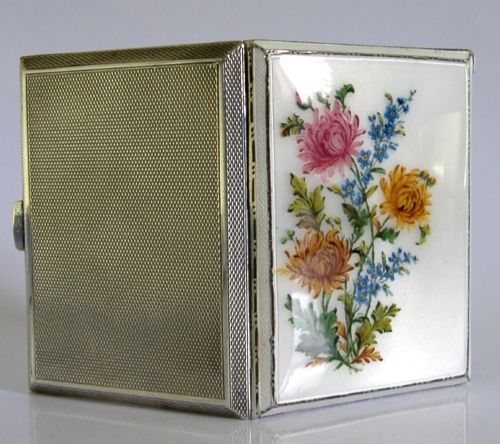
The pieces appearing on this page take the form of ladies powder compacts and mesh compacts. They date from the 1920s and 1930s, reflecting the streamlined aesthetics of the period.
Examples range from simple chrome designs to elaborate silver and enamel creations. Each piece provides a tangible connection to the cosmetic habits of the early twentieth century.
Materials and Construction
Maker workshops utilised a variety of metals including sterling silver, gilt metal, chrome, and solid gold. These metal foundations were often paired with coloured enamel finishes such as blue enamel, alongside suede linings for internal protection.
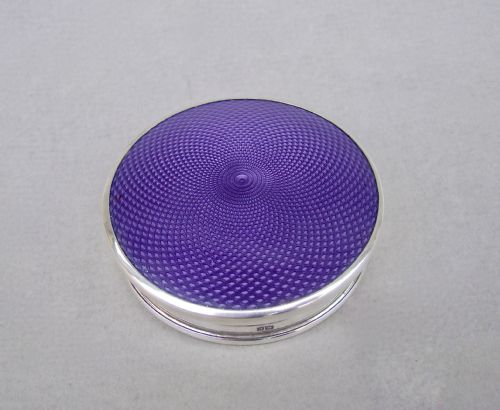
Techniques included engine-turned guilloché engraving beneath translucent enamel layers, alongside fine metal mesh construction for flexible body panels. Gemstones like diamonds occasionally accented high-end luxury pieces made from precious metals.
Retail Price Guide 2026
Typical UK retail prices for art deco vanity case, calculated from the Sellingantiques database of over a million retail prices indexed since 2003. This retail price guide relies exclusively on Sellingantiques data; no external sources or auction records are used, so the figures do not describe the wider market.
Some compacts include tiny internal mesh pockets designed to hold a powder puff no larger than a postage stamp.
Assessing Quality
Quality separation rests primarily on the choice of foundational materials, distinguishing simple chrome and base metal items from sterling silver and solid gold editions. The presence of precious stones like diamonds elevates the luxury tier significantly.
Artisanal execution on decorative surfaces dictates the upper range of craftsmanship. Complex guilloché patterns and multi-coloured enamel work demand greater skill than plain metal stampings.
Henry Matthews·Evans·Richard Hudnut·Asprey
The Art Deco Vanity Case Glossary
- Guilloché enamel
- A decorative technique where intricate geometric patterns are mechanically engraved into metal and then covered with translucent enamel. This method creates a shimmering background effect visible beneath the coloured glass surface.
- Mesh compact
- A flexible textile-like fabric constructed from interlinked metal rings or strips. This style forms a pliable body that conforms comfortably to the hand or pocket.
- Sterling silver
- A silver alloy containing a fixed proportion of pure silver combined with other metals for durability. Items made to this standard frequently bear official assay office hallmarks.
- Bakelite
- An early synthetic plastic material utilised during the period for functional components or decorative accents. Its durability made it suitable for everyday items of the era.
Frequently Asked Questions
What fits inside an art deco vanity case?
These compacts were specifically sized for loose face powder and basic touch-up essentials carried during evening outings or daily travels.
Interior spaces often featured small mirror panels and dedicated compartments designed to hold powder puffs securely.
How do I date an art deco compact?
Dating relies on stylistic markers from the 1920s and 1930s, alongside maker marks and metal hallmarks stamped onto the frames.
Silver pieces frequently include city assay marks and date letters that pinpoint the exact year of manufacture.
Are these compacts suitable for daily use?
While original mechanisms remain functional, antique items benefit from gentle handling to preserve delicate enamel and internal linings.
Many collectors prefer to display them or carry them only occasionally to protect the historical surface finishes.
What materials were commonly used?
Manufacturing involved base metals like chrome and gilt metal alongside sterling silver and solid gold for luxury tiers.
Surfaces were frequently embellished with blue enamel, suede interior linings, and occasional diamond settings.