



Art Deco Silver Vanity
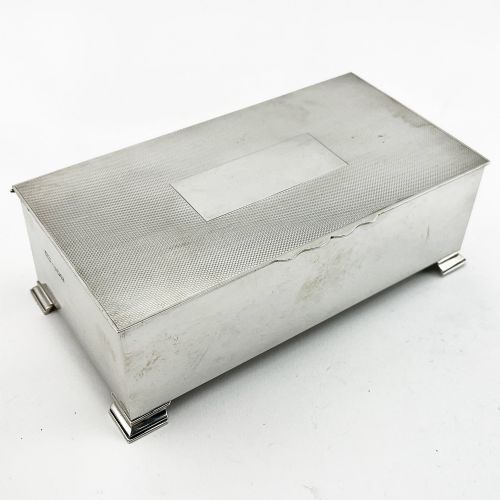
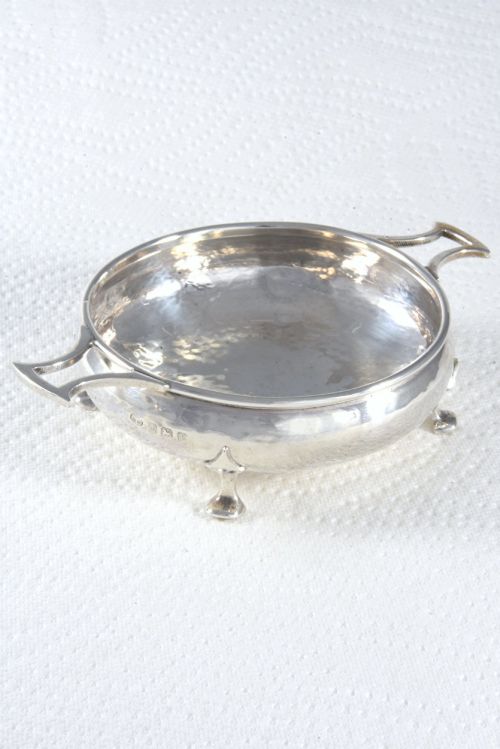
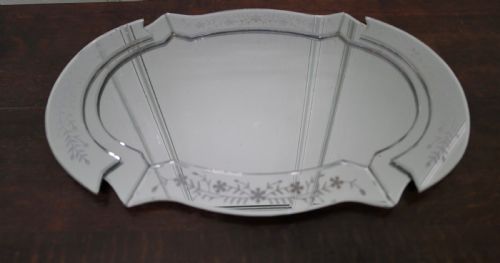
Art deco silver vanity objects unite geometric precision with the brilliant colour of guilloché enamel and cut glass, offering dressing tables an enduring elegance.
Art Deco Silver Vanity
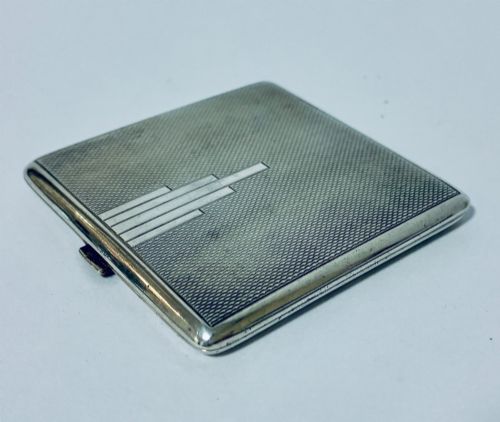
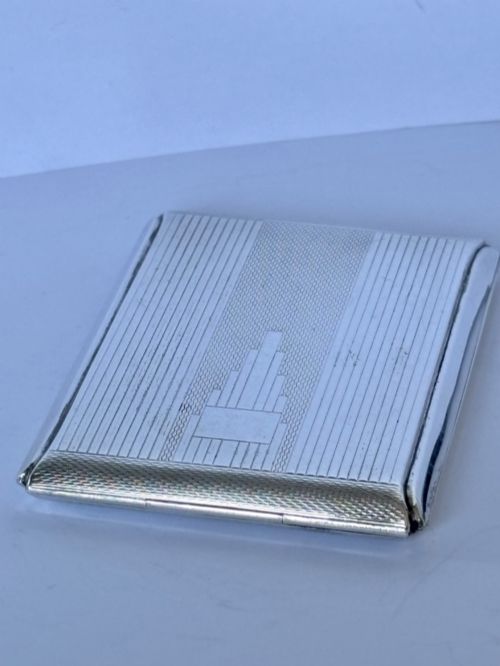
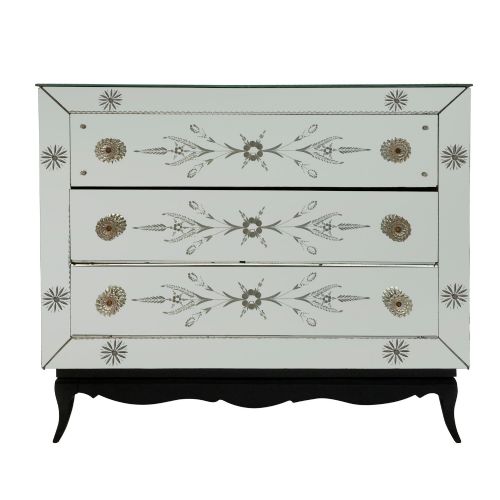
An art deco silver vanity selection encompasses portable accessories and dressing table accoutrements produced predominantly during the 1920s and 1930s. Pieces range from compacts and cigarette cases to scent bottles, jars, and mirrors designed for personal grooming.
The objects derive from periods spanning the early twentieth century, including Edwardian examples through to pieces made in the 1940s. British workshops, French makers, and German silversmiths contribute diverse regional interpretations of the style.
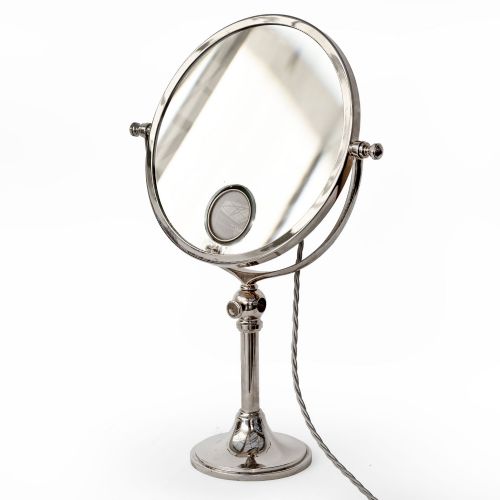
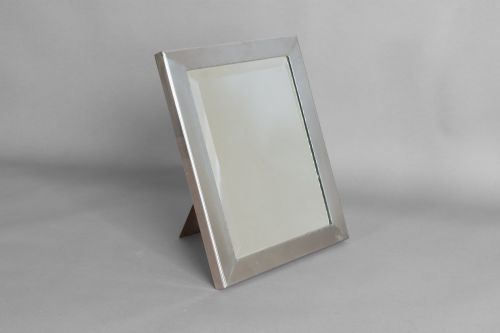
Dressing table jars and handheld mirrors appear frequently alongside powder compacts and trinket boxes. These items serve both functional roles in daily routines and decorative purposes on display surfaces.
Materials and construction
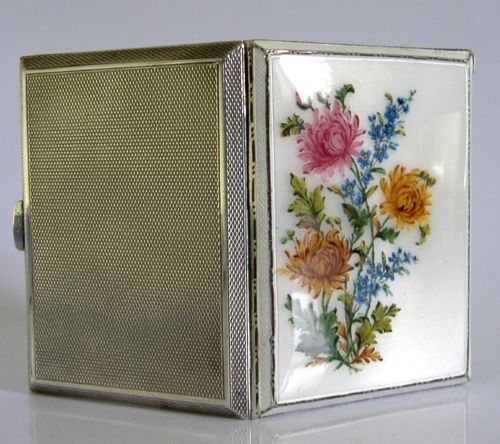
Silversmiths utilised sterling silver and silver plate to form mounts, lids, and structural frames, often integrating engine-turned engraving to create geometric patterns beneath translucent coatings.
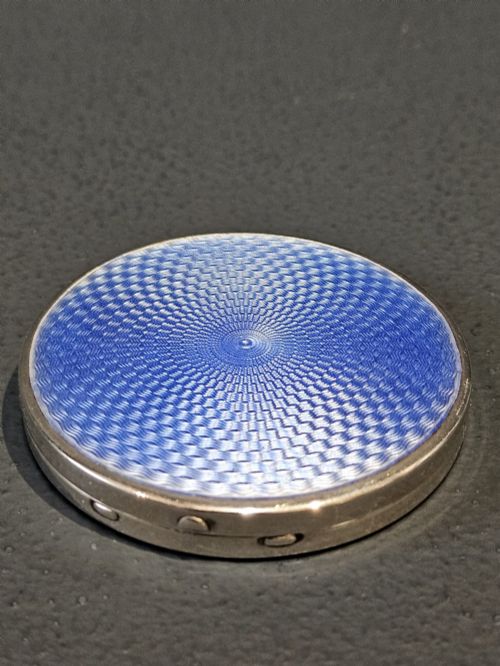
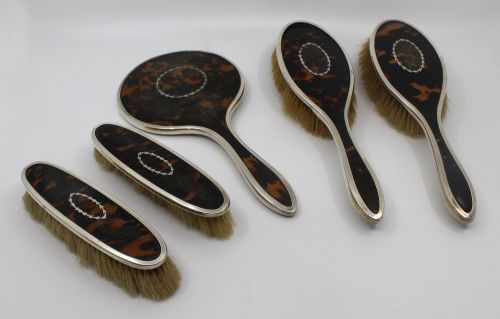
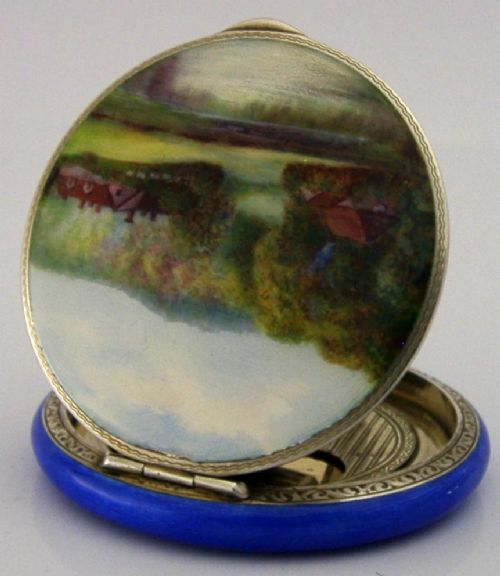
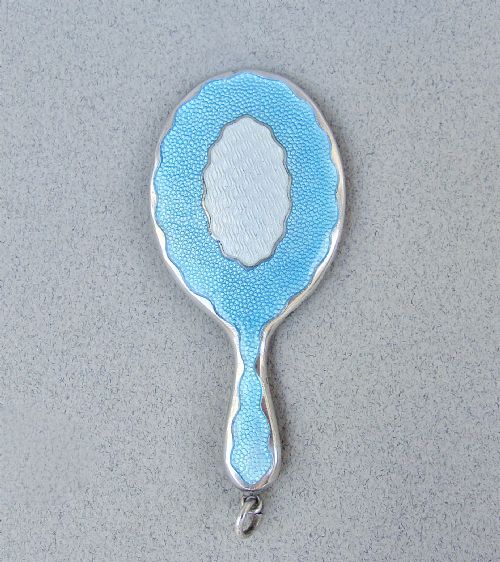
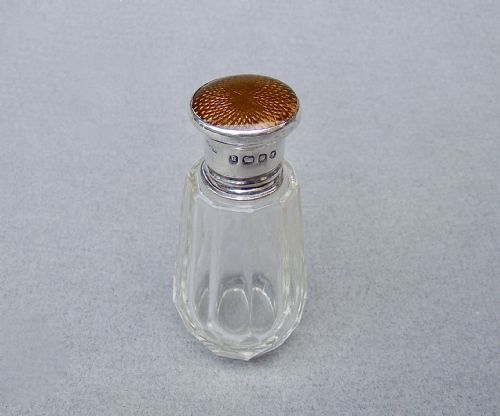
Vitreous enamel and guilloché work provide vibrant colour on compacts and jar lids, frequently paired with cut glass, amethyst glass, and tortoiseshell bodies.
Makers combined metalworking with glass-cutting techniques, securing silver rims to heavy glass bottles and jars using specialised adhesives and tight mechanical friction.
Art Deco Silver Vanity Retail Price Guide 2026
Typical asking prices for art deco silver vanity among the pieces listed under this phrase on Sellingantiques today, from the lower quarter to the upper quarter. They describe what is for sale here now, not the wider market.
One extraordinary vanity mirror arrived disguised in the shape of a car wing mirror.
Judging the range
The distinction between standard production items and superior pieces rests on the complexity of the enamel work and the crispness of the engine-turning beneath. Intricate hand-painted floral motifs and unblemished guilloché patterns indicate higher workshop standards.
Maker attribution elevates certain examples, with signed pieces from known silversmiths demonstrating superior weight in the silver mounts and greater refinement in the glass-cutting.
Henry Clifford Davis·Henry Williamson·Henry Perkins·Henry Matthews·The Daniel Manufacturing Co·Mappin And Webb·Karl Palda·Hasset And Harper·William Adams Ltd·Albert Carter·Asprey
The Art Deco Silver Vanity Glossary
- Guilloche enamel
- A decorative technique where a precise geometric pattern is mechanically engraved into metal before translucent enamel is applied over the top. This allows light to pass through and reflect off the worked surface.
- Engine turned
- A method of mechanical decoration using a lathe to cut intricate, precise geometric lines into metal. It provides a textured foundation for enamel or stands alone as surface pattern.
- Sterling silver
- An alloy consisting of pure silver and other metals, usually copper, proportioned to ensure durability while maintaining a bright metallic lustre. Items bear hallmarks indicating their metal standard and assay office.
- Vanity jar
- A small lidded container designed to hold creams, powder, or pins on a dressing table. They typically feature glass or crystal bodies with decorated metal tops.
- Triptych mirror
- A three-panel dressing table mirror where the outer wings fold inward on hinges. This configuration allows the user to adjust the viewing angles during grooming.
Art Deco Silver Vanity: Frequently Asked Questions
What items belong in a vanity set?
Vanity sets comprise matching accessories for personal grooming, typically featuring hand mirrors, clothes brushes, and lidded glass jars for powder or pins. These collections sat upon dressing tables in fitted leather cases or bespoke trays.
Survival of complete sets remains uncommon, as individual pieces often dispersed over time. Many surviving components appear independently on dressing tables today.
How do I identify guilloché enamel?
Guilloché enamel displays a repeating, mechanical pattern visible underneath a smooth, translucent layer of coloured glass paste. The underlying metal catches the light through the enamel with patterned precision.
Run a fingertip across the surface to feel the uniform glass smoothness while observing the underlying geometric engraving visually. The technique differs from flat painted enamel by adding physical depth.
Were these pieces made in Britain?
British production was prolific, with Birmingham and London assay offices stamping thousands of items during the interwar decades. Makers registered hallmarks that reveal exact assay years and silversmith identities.
Continental workshops in France, Germany, and Austria also exported significant quantities of silver and enamel vanity items. These international pieces often carry different purity marks rather than traditional British leopard heads and walking lions.
How should I clean silver vanity items?
Silver mounts require gentle cleaning with a soft cloth to preserve delicate hallmarks and surface engraving. Harsh dips ruin enamel and damage organic materials like tortoiseshell stored nearby.
Keep moisture away from the interior mirrors and lined compartments of compacts and boxes. A dry microfiber cloth removes dust without risking the structural adhesives holding glass and metal together.