

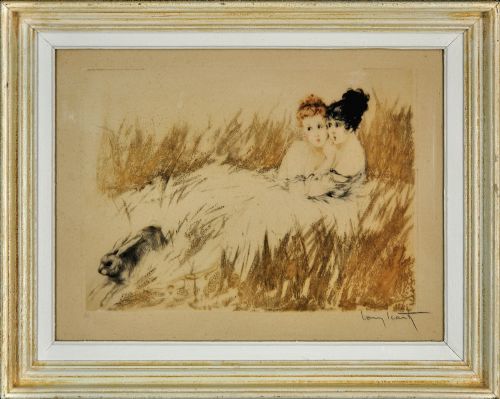


Art Deco Portrait Frame
An art deco portrait frame brings geometric polish and modernist style to your desk, combining period materials with striking linear design.
Identifying an art deco portrait frame
When you search for an art deco portrait frame, you encounter picture frames designed to display photographs and portraits with distinct period aesthetics. These pieces primarily date from the 1930s, alongside earlier examples from around 1910.
The selections span free-standing configurations and versatile landscape or portrait photo frames. Common geographic origins noted in the evidence include England and France.
Forms range from streamlined modernist compositions to distinct skyscraper silhouettes and classic oval shapes. These decorative items serve both functional display purposes and aesthetic roles within interior spaces.
Materials and construction
Maker construction relies on a diverse selection of hard materials recorded across the inventory. Metals form a significant portion of the output, including sterling silver, nickel-plated metal, chrome, copper, and general metal alloys.
Makers paired these metallic elements with glass for viewing windows and utilised wood for structural backing and support. The combination of chrome and nickel plating provided reflective surfaces suited to the modernist aesthetic.
Retail Price Guide 2026
Typical UK retail prices for art deco portrait frame, calculated from the Sellingantiques database of over a million retail prices indexed since 2003. This retail price guide relies exclusively on Sellingantiques data; no external sources or auction records are used, so the figures do not describe the wider market.
Some frames reach upward like miniature urban skyscrapers, ready to house your most sternly posed ancestors.
Assessing quality in period frames
Quality separates through the purity and weight of the primary materials used in construction, such as solid sterling silver versus plated base metals. The precision of geometric lines and the execution of skyscraper or modernist motifs also define the upper tier of objects.
The integrity of surface finishes, including the preservation of chrome plating and nickel coatings, indicates superior original manufacture. Additionally, the complexity of structural framing and the quality of integrated glass contribute to the distinction between standard and finer examples.
The Art Deco Portrait Frame Glossary
- Art Deco
- A design style characterised by sleek lines, geometric shapes, and modernist influences prominent during the interwar period. This aesthetic defined household accessories and picture frames alike.
- Skyscraper
- A architectural form translated into decorative objects, featuring stepped tiers that echo early twentieth-century urban architecture. This silhouette is frequently observed in modernist picture frames.
- Sterling Silver
- A high-purity silver alloy containing specified proportions of silver and other metals to increase durability. Items fashioned from this material carry distinct hallmarks indicating their composition.
- Nickel Plated Metal
- A base metal substrate coated with a thin layer of nickel to improve corrosion resistance and provide a bright finish. This technique was common in functional 1930s homeware.
Frequently Asked Questions
What materials make up an art deco portrait frame?
These frames incorporate various metals including sterling silver, nickel-plated metal, copper, chrome, and general metal alloys. Glass and wood also appear frequently as supporting and protective elements.
The choice of material often reflects the specific decade of production, with chrome and plated metals defining the later 1930s modernist pieces.
How do I date an art deco portrait frame?
Dating relies on stylistic markers such as skyscraper steps, oval formats, and modernist geometric lines typical of the 1930s. Earlier pieces from around 1910 display distinct manufacturing techniques and material choices.
Examining the metal type, such as sterling silver versus later chrome plating, helps narrow the period of origin.
Were these frames made for portraits or landscapes?
Surviving examples accommodate both portrait and landscape orientations, with many versatile photo frames designed to accept either layout. Specific architectural frames, such as those with skyscraper silhouettes, generally follow fixed vertical orientations.
Proportions vary depending on whether the frame was intended for a desk display or a larger mantelpiece setting.
Where were these frames manufactured?
The recorded inventory includes pieces originating from workshops and makers in England and France. Each region contributed distinct stylistic interpretations within the broader art deco movement.
British examples frequently utilise sterling silver, whereas continental pieces often embrace chrome and nickel-plated metal constructions.