

Art Deco Ornament
An art deco ornament brings the sharp lines and animalier energy of the interwar years straight onto a mantelpiece or desk.
Art Deco Ornament
The version you are most likely to meet on this page is a cabinet-sized bronze, a ceramic figure, or a moulded glass paperweight. They reflect the dominant stylistic choices of European workshops working in the interwar decades.
How they were made
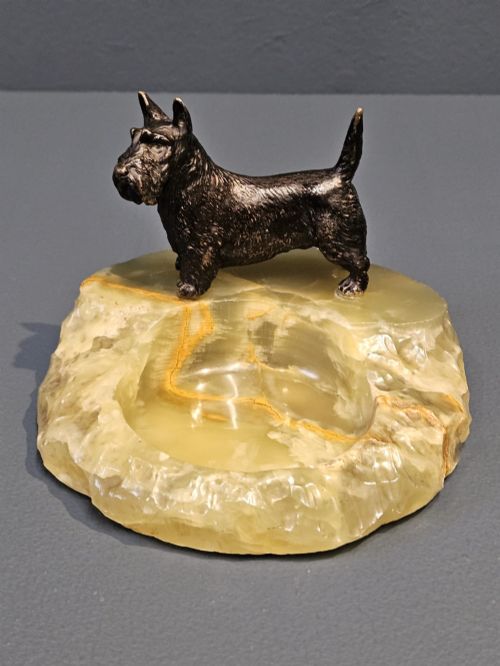
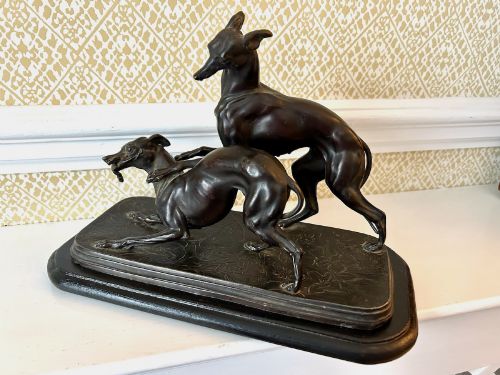
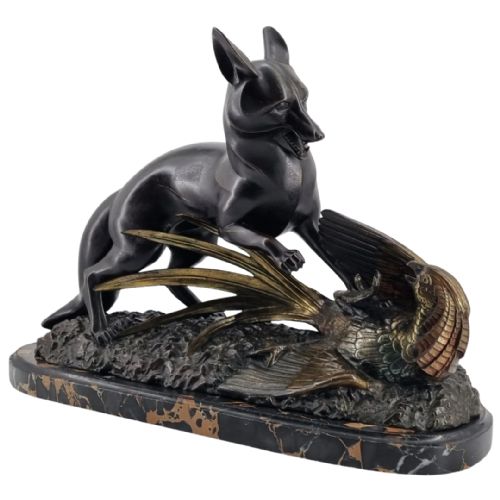
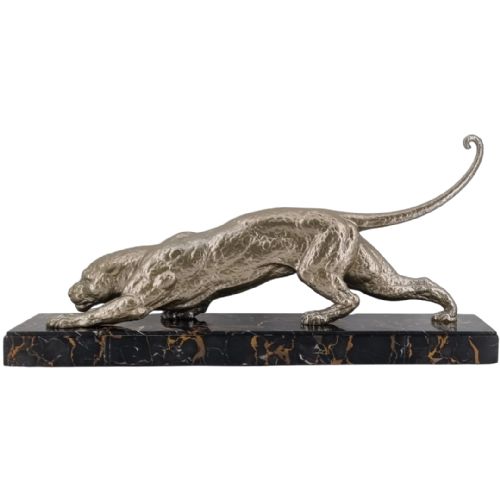
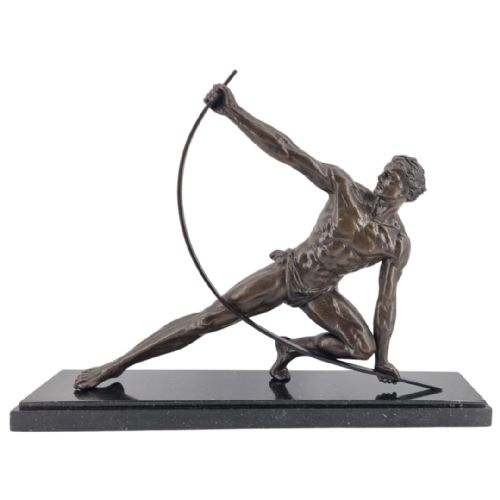
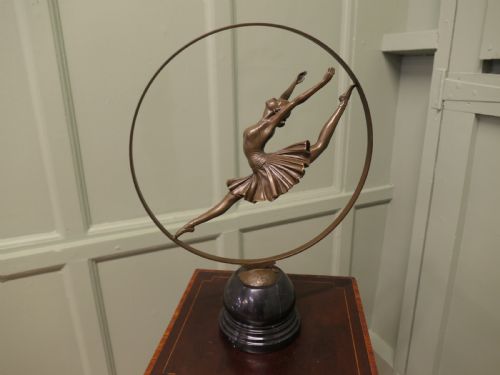
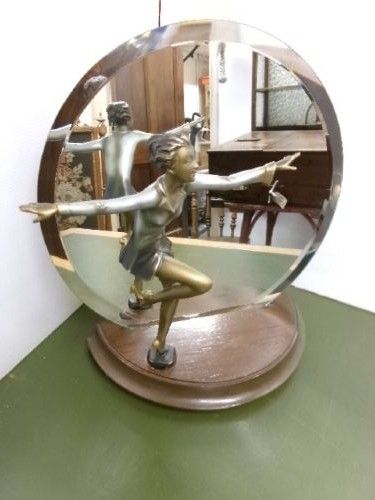
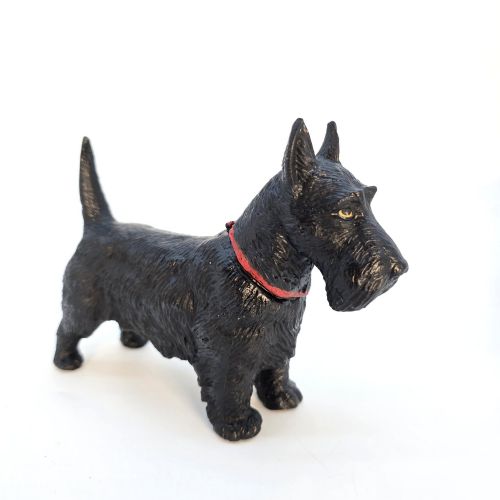
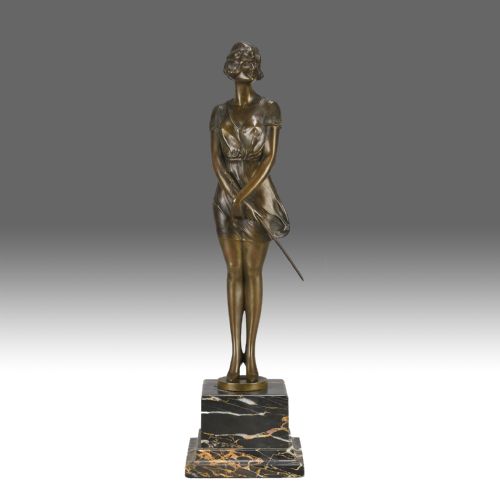
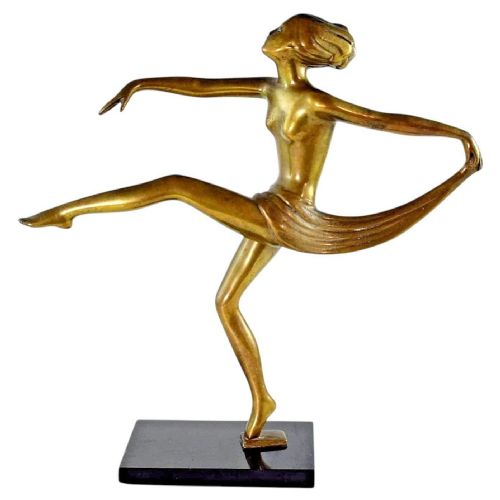
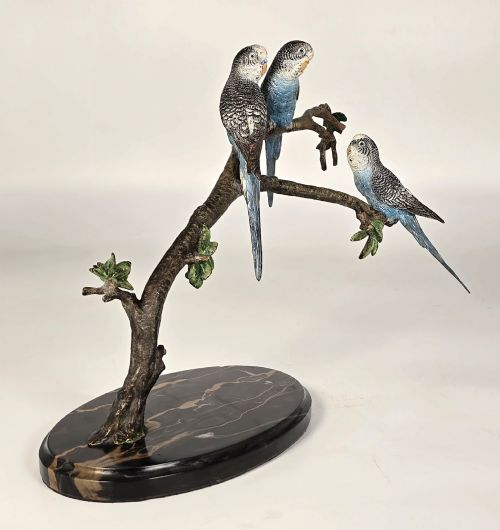
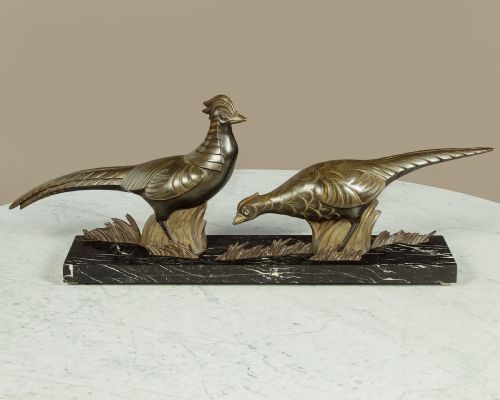
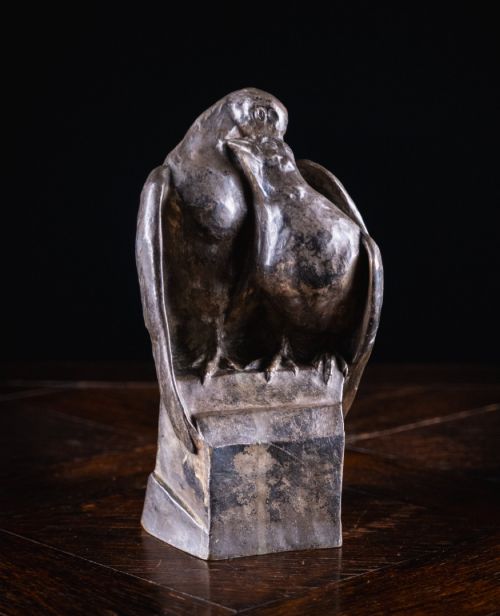
Makers utilised bronze, spelter, and cast metal for sculptural figures, often applying cold-painted finishes to accentuate garments and plumage. Marble and onyx frequently served as heavy bases to ground these dynamic compositions.
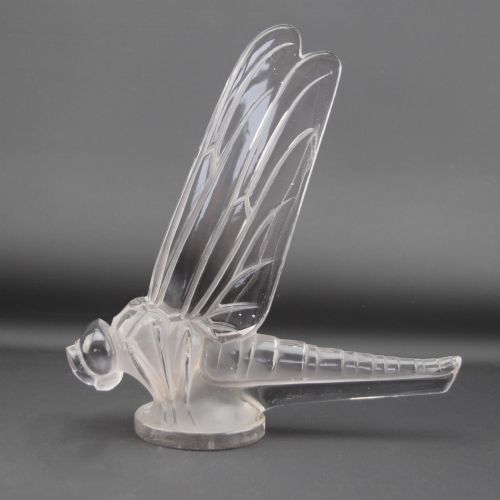
Glass production relied on moulding and opalescent techniques, particularly seen in car mascots and paperweights. Ceramics and stoneware involved detailed glazing and hand-painting on earthenware bodies.
Listings feature pieces spanning the nineteen-twenties, nineteen-thirties, and nineteen-forties, alongside items produced later than nineteen-sixty.
What varies in quality
The depth and translucency of the material in moulded glass elements determine the refinement of the piece. Hand-painted ceramic and stoneware examples rely on the precision of the brushwork and the stability of the glaze.
Bruno Zach·Josef Lorenzl·Aurore Onu·Charles Vyse·Berthe Savigny·Sier Kunst
The Art Deco Ornament Glossary
- Spelter
- A zinc alloy commonly utilised as a less expensive alternative to bronze for figural sculptures during the interwar period. It was frequently painted to simulate bronze or finished with polychrome cold-painting.
- Cold-painted
- A technique where paint is applied to metal objects without subsequent kiln firing. This method allowed for vivid colouration on bronze and spelter figures.
- Animalier
- A genre focusing on the realistic portrayal of animals, particularly prevalent in sculptures of birds and beasts from the early twentieth century. These works capture creatures in motion or repose.
- Car mascot
- A sculptural ornament mounted on the radiator cap of a motor car. Many iconic glass examples were produced by moulded glass specialists.
- Pietra dura
- An artistic technique using cut and fitted polished coloured stones to create geometric or figurative designs on marble plaques. It is found on Italian decorative objects from the period.
Art Deco Ornament: Frequently Asked Questions
What materials were used for art deco ornament?
These decorative objects appear in bronze, spelter, marble, onyx, ceramic, and frosted glass. Artisans also utilised earthenware, stoneware, and wood combined with brass.
Selection depended on the intended function, ranging from heavy desk accessories to delicate glass mascots.
How do I identify a car mascot?
Car mascots were designed to mount onto motor vehicle radiator caps during the interwar years. They often feature robust moulded or opalescent glass intended to catch the daylight.
Many examples include threaded bases or mounting collars originally engineered for vehicle attachment.
Where were these pieces made?
Production centred largely in European studios and factories, with significant contributions from French, English, and Italian workshops. Potteries and foundries across the continent supplied domestic markets.
Signature styles often reflect the distinct national traditions of these regional manufacturing centres.
How do I display a marble base ornament?
These heavier pieces require stable surfaces such as sideboards, mantelpieces, or designated display cabinets. The substantial weight of marble or onyx plinths provides natural balance for dynamic sculptural poses.
Placement should account for natural light to highlight patination on metal and translucency in glass.