
Art Deco Nightstand Table
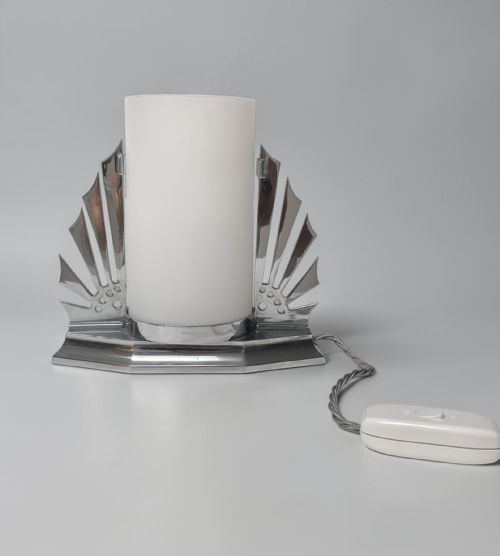
These art deco nightstand table pieces combine geometric clarity with rich timber grains, offering practical bedside storage rooted in the 1920s and 1930s.
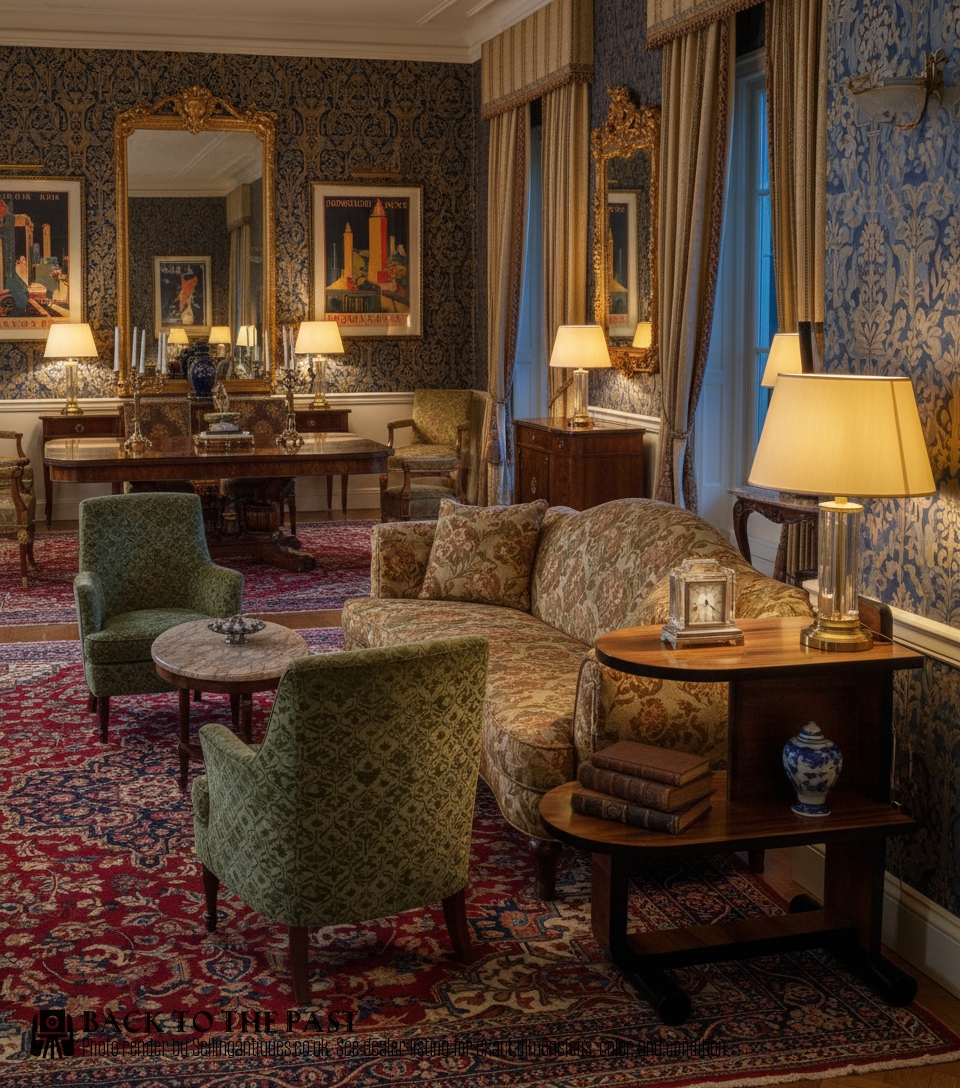
Art Deco Nightstand Table
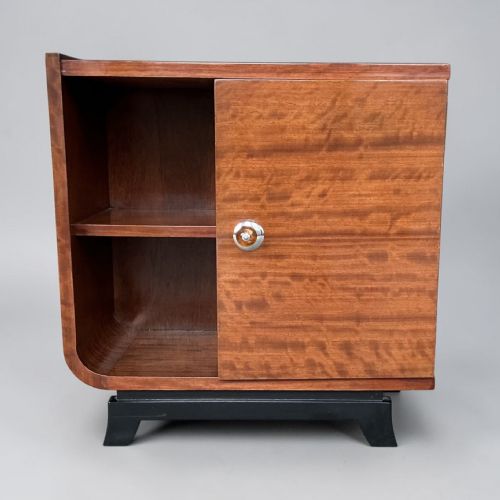
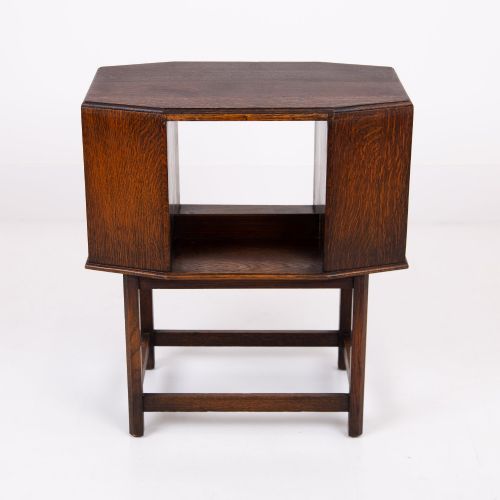
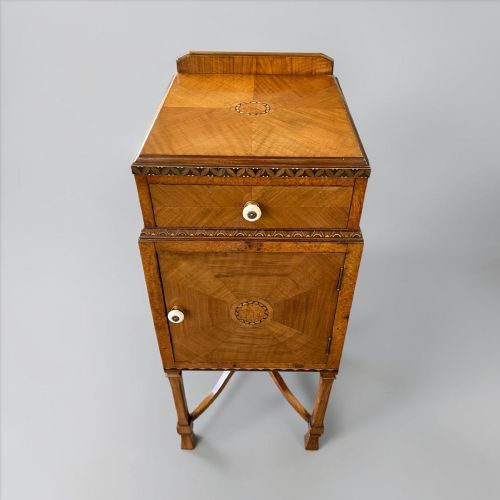
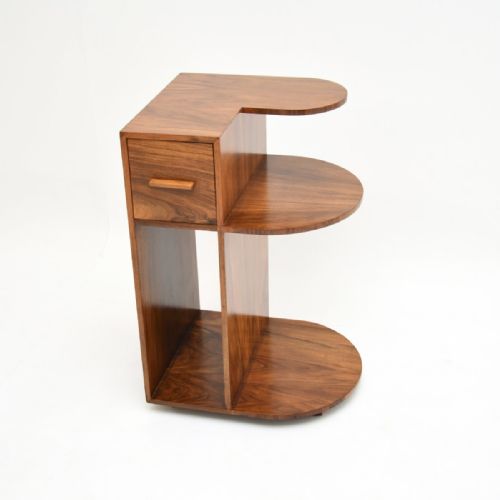
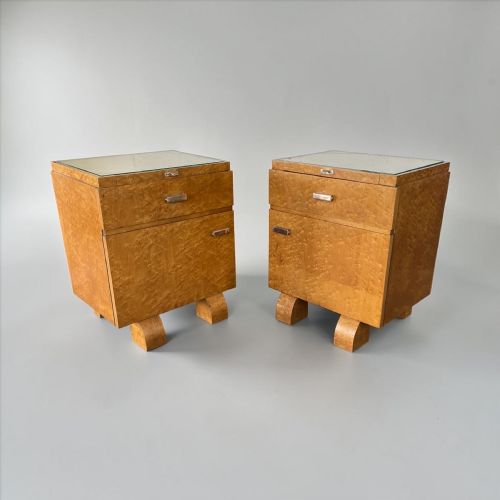
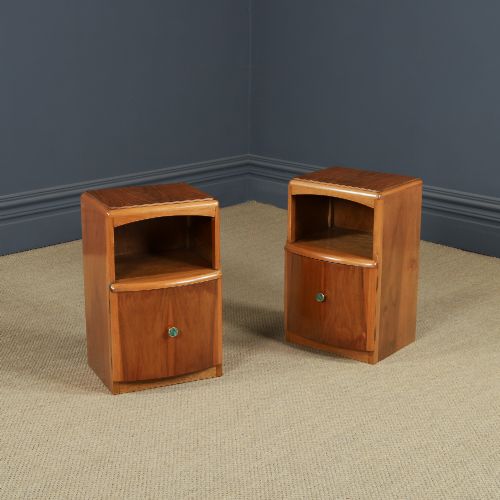
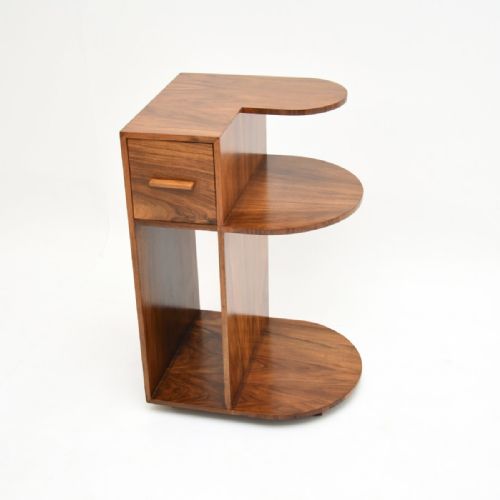
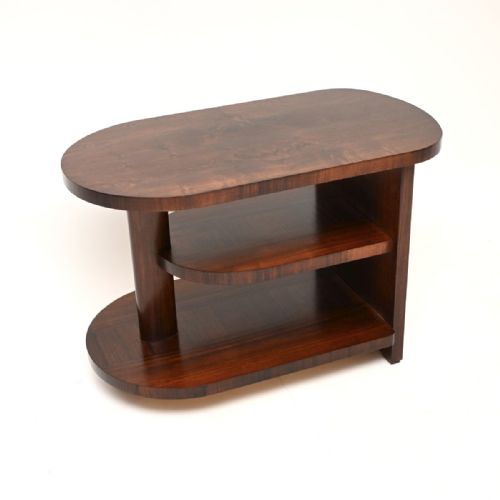
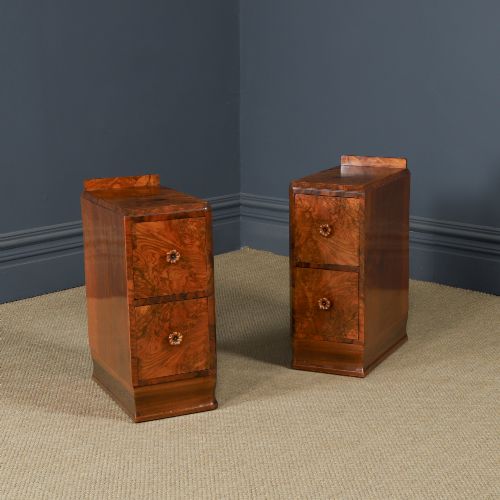
When searching for an art deco nightstand table, buyers encounter compact bedside cabinets, side tables, and small chests of drawers originating predominantly from the 1920s and 1930s. These pieces function primarily as functional beside storage, often appearing as matched pairs designed to sit symmetrically flanking a bed.
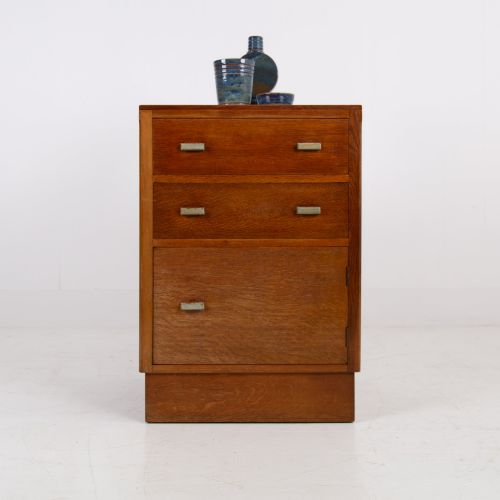
The selections span English, French, Italian, and Scandinavian workshops, showing distinct regional interpretations of the modernist aesthetic. Forms range from simple open-shelf side tables to enclosed cupboards with intricate drawer arrangements and curved bow fronts.
Materials and construction
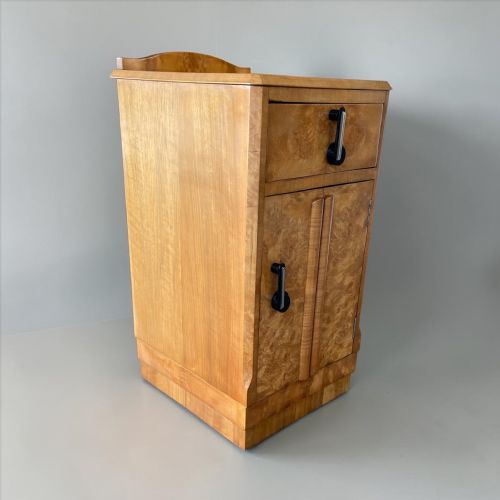
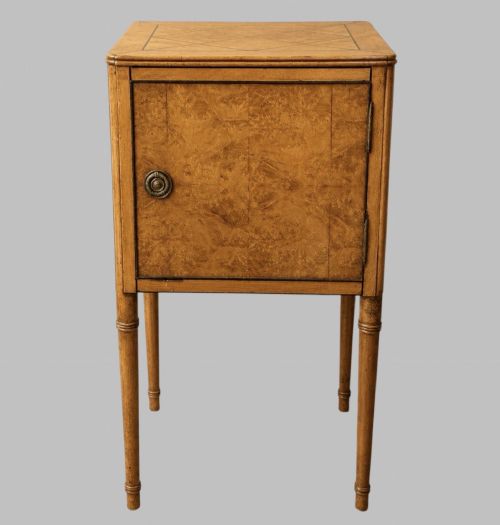
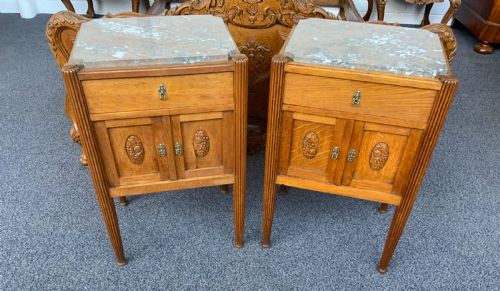
Cabinetmakers utilised dense native and exotic timbers, notably walnut, burr walnut, oak, satinwood, and birds eye maple, often laid as decorative veneers over a stable core. These timber surfaces are frequently paired with contrasting metal details in brass or chrome, alongside glass and occasional marble tops.
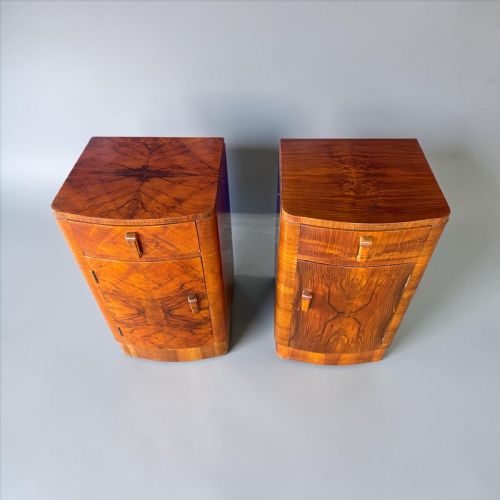
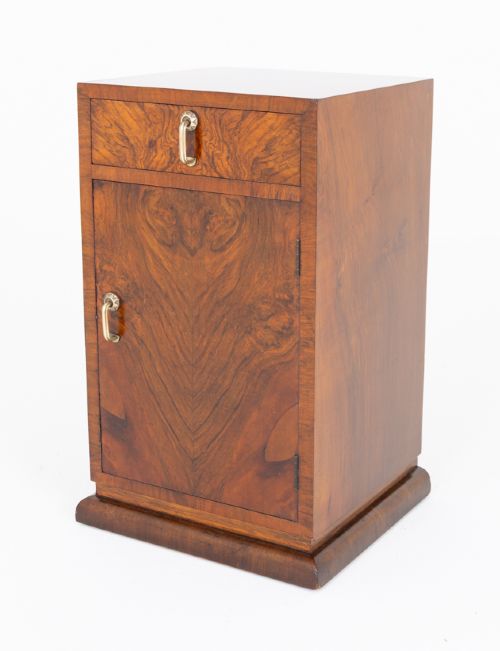
Construction techniques emphasise clean geometric lines, smooth curved carcases, and flush-fitting drawers that showcase the natural grain patterns of the wood. Craftspeople exploited the organic movement of burr and figured veneers to create striking symmetrical patterns across door fronts and table tops.
Current listings feature pieces predominantly dated to the 1930s, alongside examples from the 1920s and 1940s.
Assessing craftsmanship
Quality rests heavily on the selection and matching of wood veneers, where superior examples display continuous grain patterns across multiple drawers or cabinet doors. The precision of the joinery and the integrity of the original hardware, such as brass or chrome handles, separate standard production items from finer workshop pieces.
The refinement of the silhouette distinguishes the range, with superior pieces exhibiting well-balanced proportions, subtle curves, and harmonious integration of contrasting materials like marble and exotic woods.
Walter Carter Harrods·Gomme·Heals·Maurice Adams
The Art Deco Nightstand Table Glossary
- Burr walnut
- A wood harvested from the warted growth on a walnut tree, yielding highly figured, swirling grain patterns prized for decorative veneer work on cabinet doors and table tops.
- Bow front
- A convex, outward-curving front profile common on bedside chests and cabinets from the period, offering a softer alternative to sharp rectangular edges.
- Bedside cabinet
- An enclosed piece of furniture featuring a cupboard door or drawers designed specifically to keep personal items concealed beside a bed.
- Modernist
- A design philosophy focusing on clean lines, functional forms, and the rejection of superfluous ornamentation, heavily influencing 1930s furniture design.
Art Deco Nightstand Table: Frequently Asked Questions
Are art deco nightstand tables usually sold as pairs?
Many surviving examples were manufactured as matching pairs to flank a bed symmetrically, though single pieces also appear frequently in marketplace listings.
Buyers seeking symmetrical bedroom layouts will find that paired cabinets often share identical veneer patterns and hardware configurations.
What woods were commonly used for these tables?
Cabinetmakers favoured rich timbers such as walnut, burr walnut, oak, satinwood, and birds eye maple for their striking natural grain variations.
These surfaces were occasionally accented with contrasting materials including chrome, brass, glass, and marble tops.
How do French designs differ from English pieces?
French interpretations often incorporate more dramatic curves, exotic wood veneers like rosewood, and luxurious additions such as inset marble tops.
English pieces tend to focus on architectural restraint, rectilinear forms, and practical storage configurations like multiple drawers or open shelving.
How do I care for wood veneered surfaces?
Veneered surfaces require protection from excessive direct sunlight and moisture to prevent fading and lifting of the delicate wood layers.
Routine dusting with a soft, dry cloth preserves the polished finish without risking damage to the antique timber.