


Art Deco Ice Bucket
An art deco ice bucket brings period elegance to modern hospitality, combining striking geometric forms with functional design.
Art Deco Ice Bucket
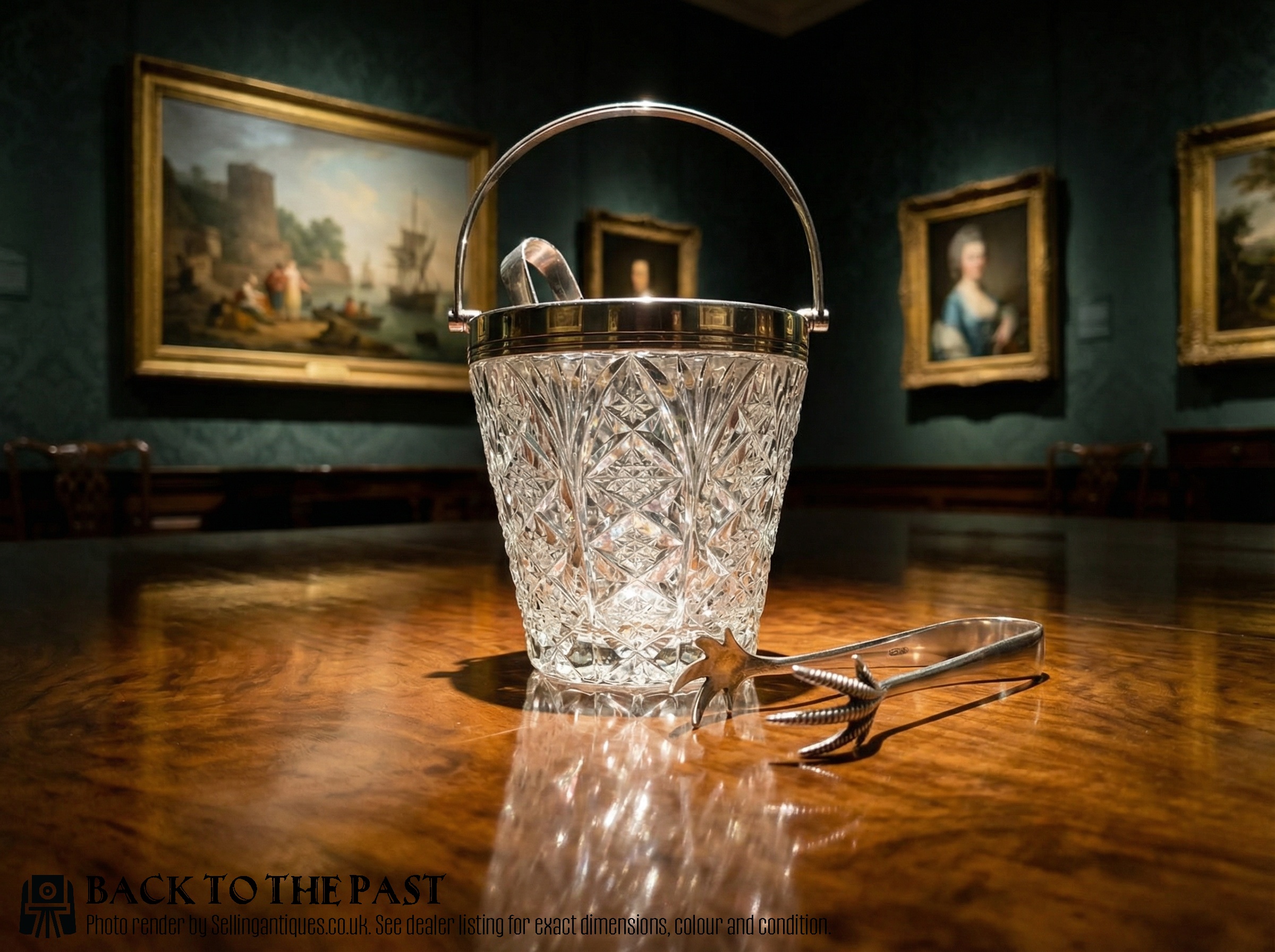
An art deco ice bucket serves as a sophisticated vessel for chilling wine or holding ice, heavily rooted in the aesthetic movements of the early twentieth century. These pieces encompass various forms such as champagne coolers, wine buckets, and barware sets designed for entertaining.
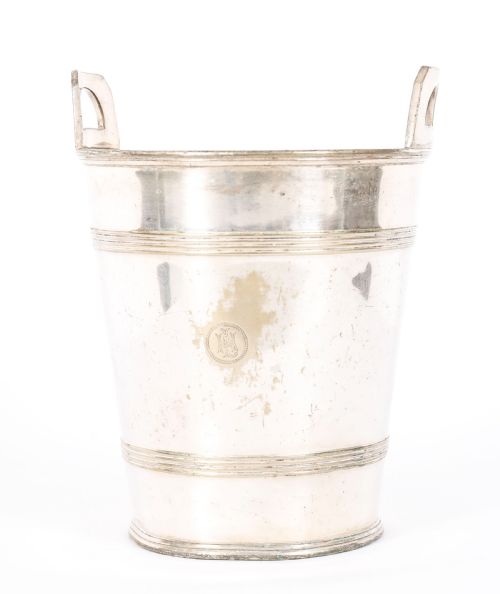
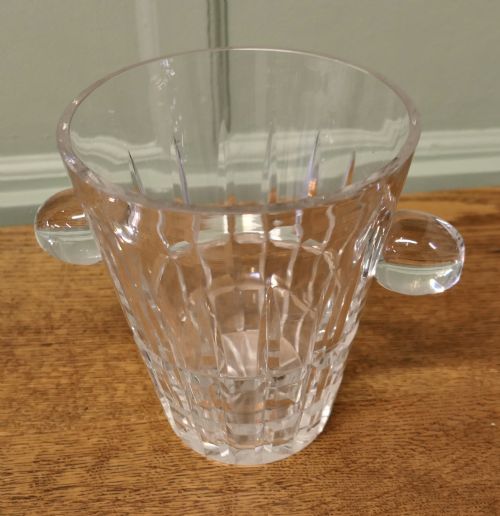
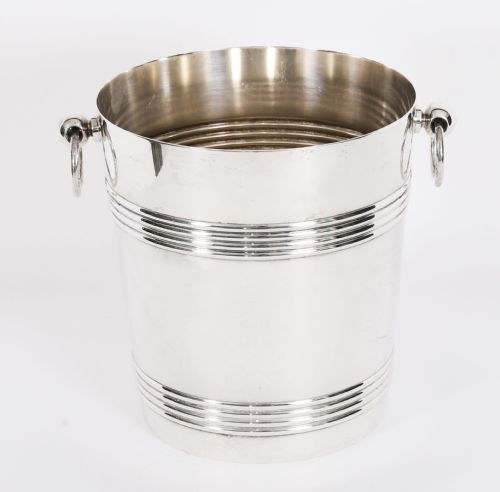
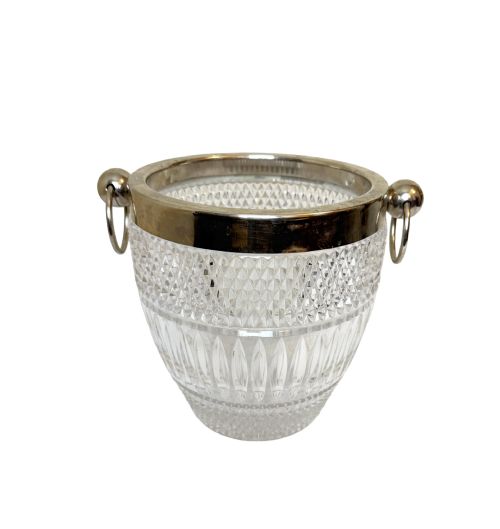
The most common versions encountered on this page combine silver plate with heavy cut crystal or glass liners, often originating from French and English makers. Examples range from compact domestic ice vessels to floor-standing champagne coolers intended for grand dining rooms.
Makers utilised durable metals and sparkling glass to create striking silhouettes, spanning decades from the nineteen-twenties through to the nineteen-forties. Collectors seek these objects both for practical use and for their distinct historical design credentials.
Materials and construction
Silversmiths and manufacturers formed the structural bodies of these items using silver plate, copper, or chrome, applying durable metallic coatings over base metals. Silver-plated surfaces frequently complement hand-blown or hand-cut crystal and glass liners, providing a contrast between gleaming metal and refractive glass.
Techniques such as deep cutting, hand enamelling, and precise metal fabrication defined the output of leading silversmiths and glassworks. Handles, stands, and matching tongs were often cast or forged separately before being assembled onto the main body of the cooler.
Art Deco Ice Bucket Retail Price Guide 2026
Typical asking prices for art deco ice bucket among the pieces listed under this phrase on Sellingantiques today, from the lower quarter to the upper quarter. They describe what is for sale here now, not the wider market.
Listings feature items spanning from the nineteen-hundreds through to the nineteen-forties, constructed from silver plate, cut crystal, oak, and copper.
Evaluating craftsmanship
The distinction between standard production items and exceptional examples lies in the weight of the metal, the precision of the glass cutting, and the reputation of the silversmith. Pieces produced by renowned houses exhibit heavier gauge silver plate and more intricate detailing on handles and rims.
Design attribution to specific designers or prominent metalwork studios elevates the status of an object within the market. Furthermore, the presence of original components, such as matching cut glass liners and specialised tongs, adds to the integrity of the piece.
Christofle·Mappin & Webb·Elkington·Luc Lanel·Karl Palda·WMF
The Art Deco Ice Bucket Glossary
- Silver plate
- A layer of pure silver applied to a base metal substrate, such as copper or nickel brass, to provide a lustrous finish. This technique allowed manufacturers to produce substantial tableware at a lower cost than solid silver.
- Cut crystal
- High-clarity glass decorated with geometric or linear patterns carved by abrasive wheels. The facets created on the surface enhance the refractive quality of light passing through the vessel.
- Champagne cooler
- A deep metallic or glass vessel specifically proportioned to submerge a wine bottle in ice and water. These containers are generally larger than standard domestic ice buckets.
- Gallia
- A high-grade silver-plate alloy developed by Christofle in the early twentieth century. Items bearing this mark denote premium manufacture and distinctive French styling.
- Liner
- A removable glass or crystal insert designed to sit inside the metal body of the bucket. This protects the exterior metal from prolonged moisture exposure and simplifies cleaning.
Art Deco Ice Bucket: Frequently Asked Questions
How do I clean a silver plated ice bucket?
Wash the metal gently using warm soapy water and a soft cloth, avoiding abrasive pads that can damage the plated surface. Dry thoroughly immediately afterwards to prevent water spots.
For stubborn tarnish, apply a specialised silver polish formulated for plated items, rubbing lightly and rinsing clean. Remove glass liners before cleaning to protect both materials.
Are these ice buckets suitable for daily use?
These historical vessels were built for regular hospitality and remain robust enough for contemporary entertaining. Their solid construction handles ice and bottled drinks without issue.
Care should be taken to avoid thermal shock in glass liners by not exposing them to extreme temperature changes. Hand washing preserves the finish of both the silver plate and the crystal.
How can I identify the period of a piece?
Dating relies on maker marks stamped onto the base of the metal body, stylistic cues, and material combinations. Stylized geometric motifs typically point towards production from the nineteen-twenties and nineteen-thirties.
Manufacturer hallmarks often cross-reference with historical registry dates. Examining the screw fittings, handle construction, and casting methods provides further clues to age.
What is the difference between a wine cooler and an ice bucket?
Wine coolers generally feature taller proportions designed to hold an entire bottle upright alongside ice and water. They often include integrated side handles for lifting when filled.
Ice buckets tend to be wider and shallower, intended specifically for gathering and serving ice cubes to individual glasses. Many examples on the market, however, served dual purposes depending on the occasion.