

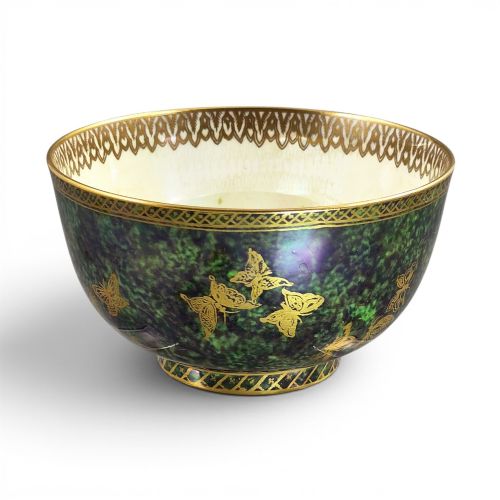


Art Deco Green Vessel
An art deco green vessel brings a striking splash of colour and geometric form into a room, capturing the vibrant design energy of the interwar years.
Art Deco Green Vessel
When you search for an art deco green vessel, you enter a distinct world of interwar design defined by rich emerald, olive, and teal shades. The pieces gathered here span vases, bowls, and baskets from the 1920s and 1930s, alongside a few earlier examples that prefigure the style.
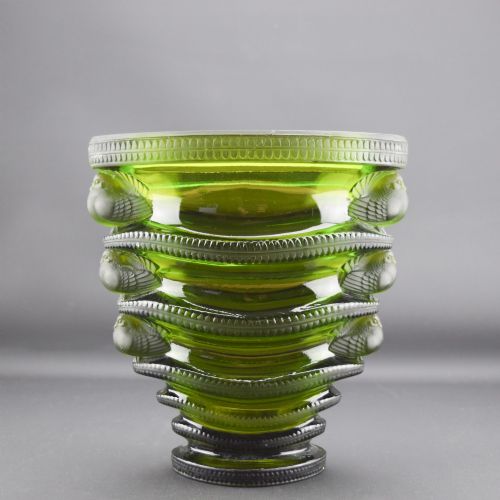
Moulded glass and glazed ceramic form the backbone of what you are most likely to meet on this page. Makers across Britain, France, Belgium, and Bohemia utilised these materials to produce everything from sleek ribbed cylinders to botanical bowls.
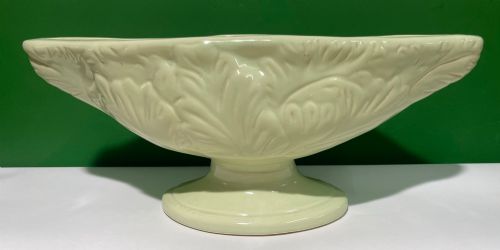
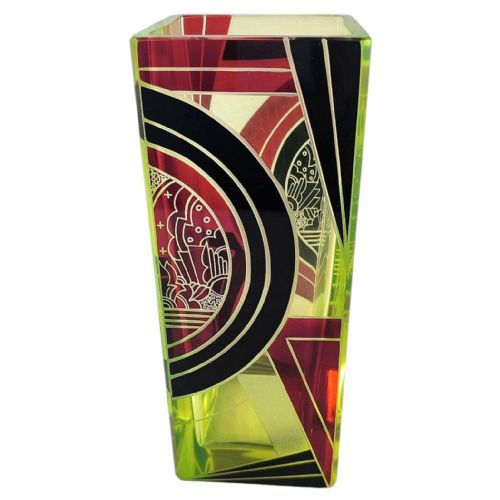
The aesthetic leans heavily into bold silhouettes, whether through the organic curves of a lotus leaf boat or the crisp geometry of etched crystal. These items were designed to catch the light and command attention on a mantelpiece or side table.
Materials and production methods
Glassmaking in this period relied heavily on moulding and acid-etching techniques to create depth and texture. Monart pieces achieved their distinct cloudy tones through layered glass manipulation, while makers like Karl Palda applied sharp enamel decoration over uranium glass.
Ceramic works such as those from Fulham Pottery and Wedgwood employed earthenware and porcelain bodies finished with heavy glazes. Lustre techniques brought shimmering iridescent finishes to the surface, particularly evident in butterfly and fairy motifs.
Art Deco Green Vessel Retail Price Guide 2026
Typical asking prices for art deco green vessel among the pieces listed under this phrase on Sellingantiques today, from the lower quarter to the upper quarter. They describe what is for sale here now, not the wider market.
Listings feature moulded glass, frosted glass, and glazed earthenware from the 1910s to the 1930s, reflecting diverse European design traditions.
Distinguishing quality across the range
The distinction between standard production items and premier pieces rests on the complexity of the manufacturing process and the prestige of the designer. Items bearing signatures or attributions to established European houses command greater attention.
Depth of colour and clarity of form separate simpler utilitarian objects from artistic showpieces. A heavy layer of coloured glass over clear crystal or precise hand-etching indicates a higher level of workshop execution.
Constance Spry Fulham Pottery·Karl Palda·Whitefriars Glass·Rene Lalique·Daisy Makeig-Jones Wedgwood·Charles Graffart for VSL·Monart Glass
The Art Deco Green Vessel Glossary
- Uranium glass
- Glass containing trace amounts of uranium dioxide, which glows a vivid green under ultraviolet light. This material was widely used during the 1930s for decorative tableware and vases.
- Moulded glass
- Molten glass pressed into a metal mould to shape complex patterns and figures. This technique allowed makers to produce consistent sculptural reliefs efficiently.
- Lustre ware
- Pottery finished with a metallic glaze that produces an iridescent, pearlescent sheen. Wedgwood utilised this method to create deeply coloured decorative bowls and mugs.
- Baluster vase
- A vase featuring a rounded body that tapers toward a narrow neck, resembling an architectural baluster. This shape provides a stable base while displaying surface patterns clearly.
Art Deco Green Vessel: Frequently Asked Questions
What is Monart glass?
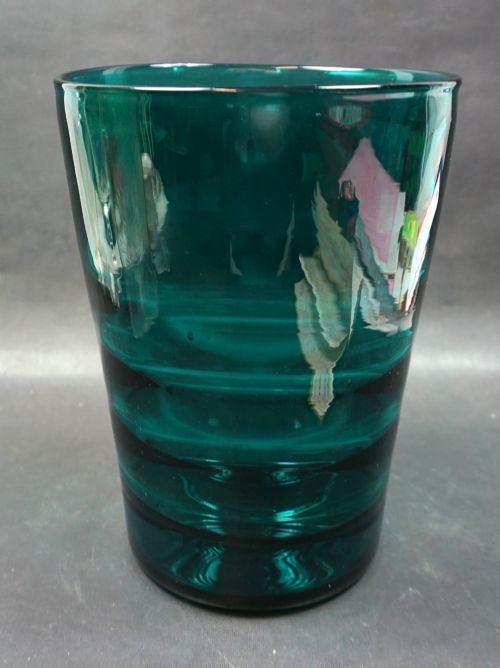
Monart glass refers to the distinctive decorative glassware produced in Scotland by John Moncrieff during the interwar period. These items are celebrated for their mottled colourways and suspended air bubbles within the glass walls.
Collectors prize Monart pieces for their organic shapes, such as baluster vases and posy bowls, which showcase subtle gradations of green and amber. Each piece was hand-blown, ensuring subtle variations in weight and profile.
Where should I display these vessels?
These green vessels suit placement near natural light sources, particularly window sills or glass-fronted cabinets where sunlight can pass through the tinted material. Translucent pieces respond well to illumination from behind.
Heavier ceramic bowls and glazed earthenware look balanced on wooden sideboards or mantelpieces. Ensure the display surface is stable, as many vintage glass items have considerable weight.
Are these pieces waterproof?
Most glass vessels and glazed ceramics can hold water safely for fresh flowers, though vintage items require careful handling during cleaning. Sudden temperature changes can crack old glass or weaken historic pottery bodies.
Earthenware with lustre finishes should be washed by hand rather than placed in a dishwasher. Inspect the interior for any historic hairline fractures before filling with liquid.