

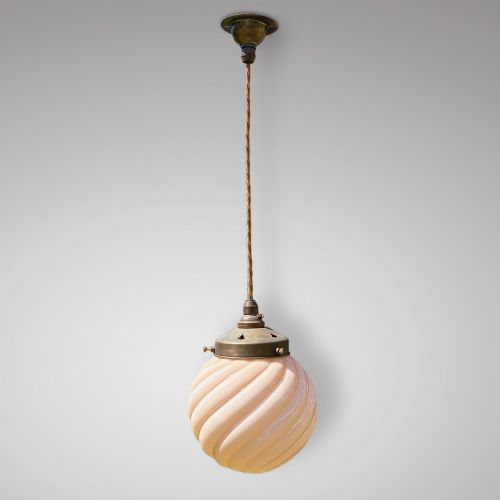
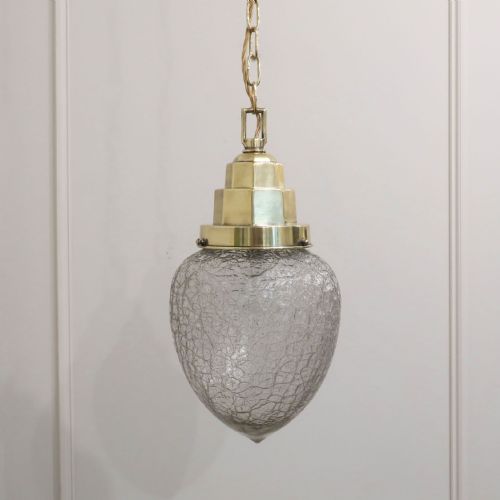
Art Deco Glass Pendant
An art deco glass pendant brings geometric form and warm diffusion to a room, drawing the eye upwards with period style.
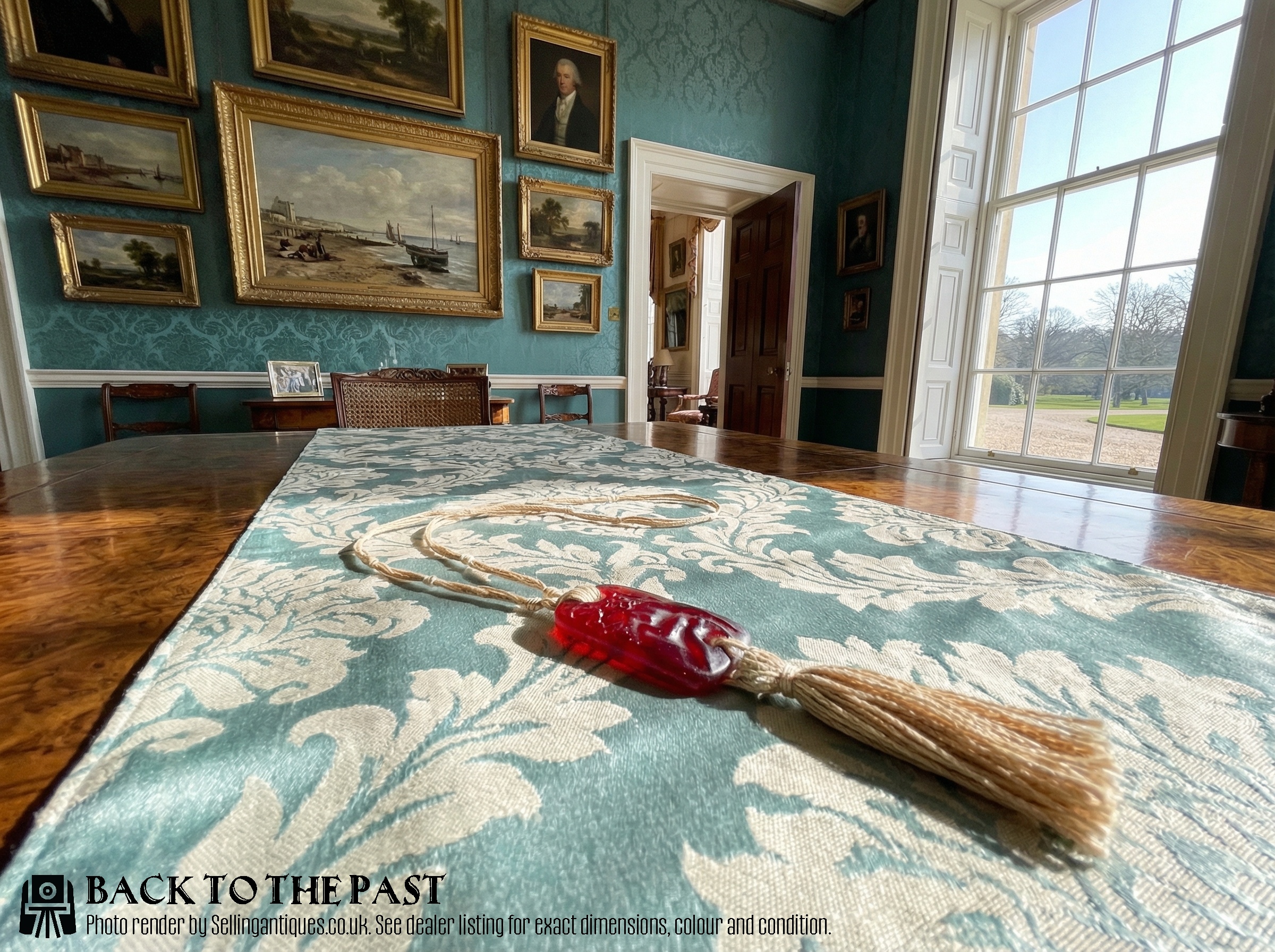
Art Deco Glass Pendant
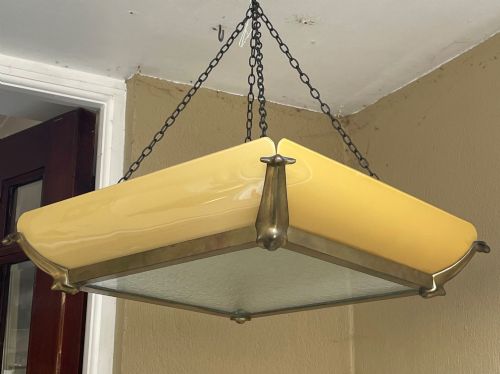
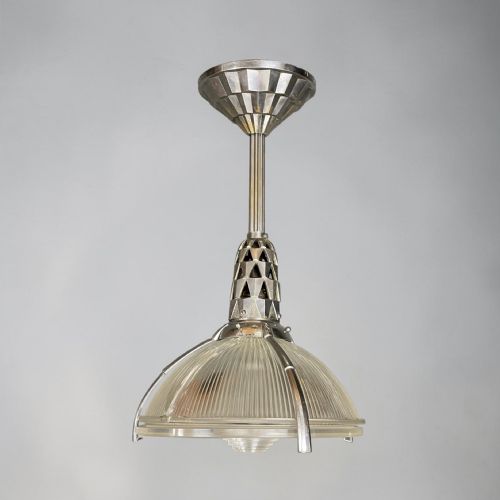
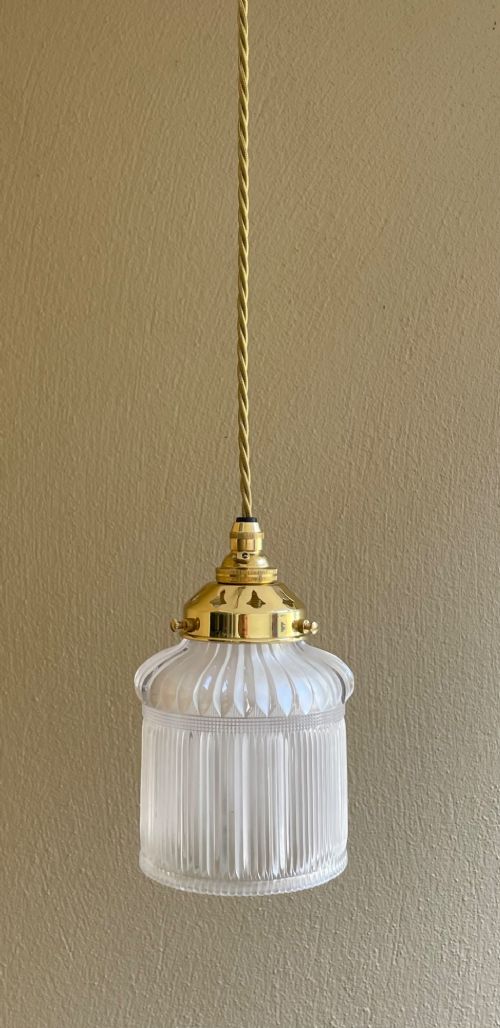
An art deco glass pendant is a hanging light fixture designed to illuminate interiors through moulded, pressed, or frosted glass shades suspended from ceilings. These fixtures emerge predominantly from the 1920s and 1930s, capturing the modernist shift towards clean lines and stylised motifs.
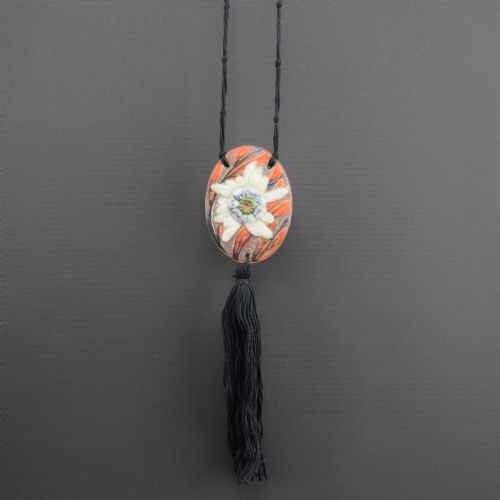
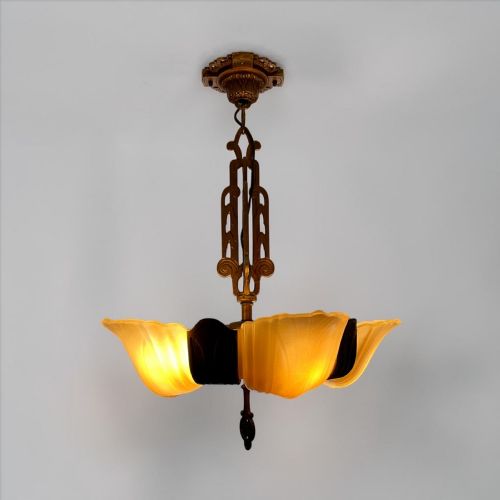
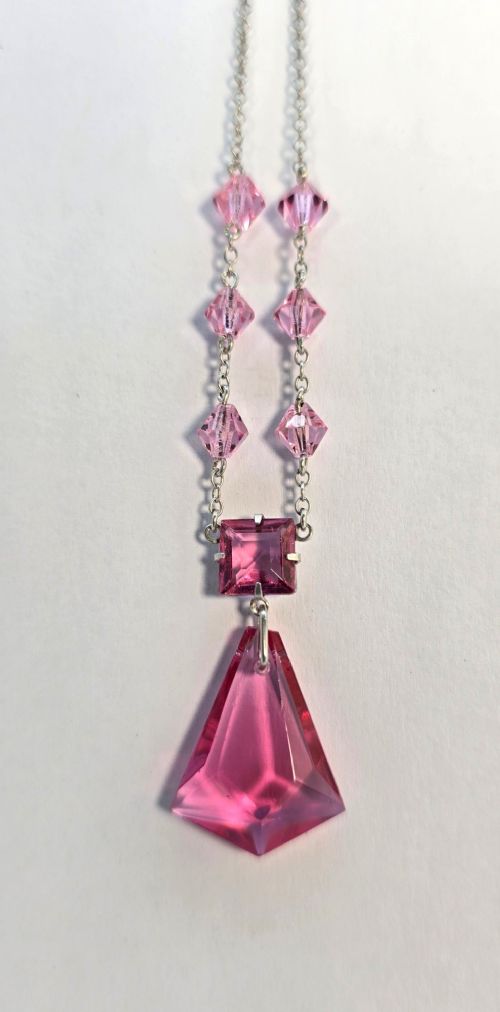
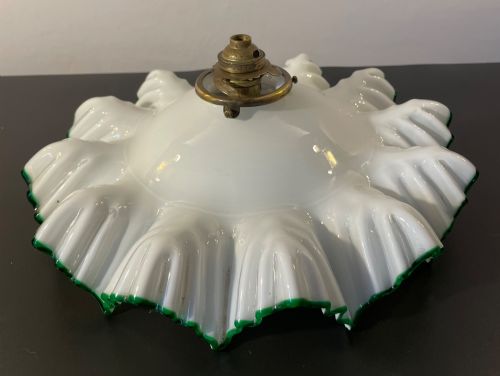
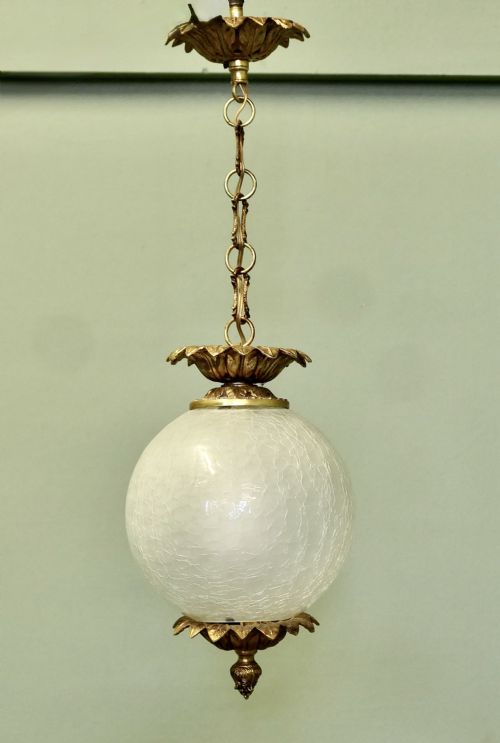
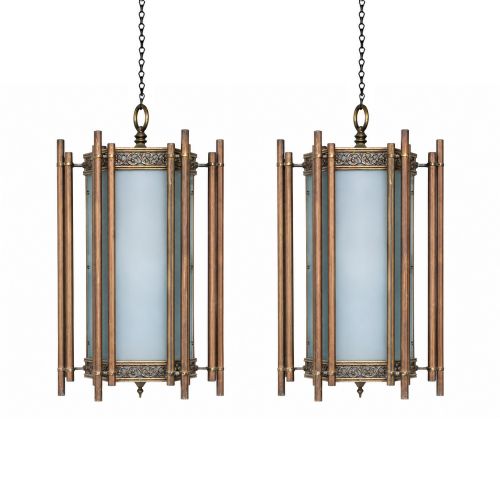
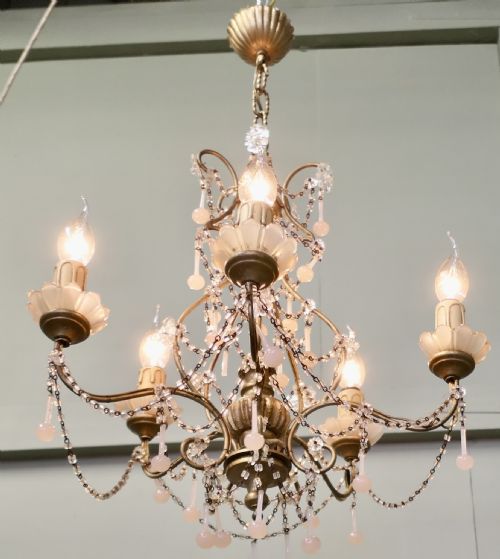
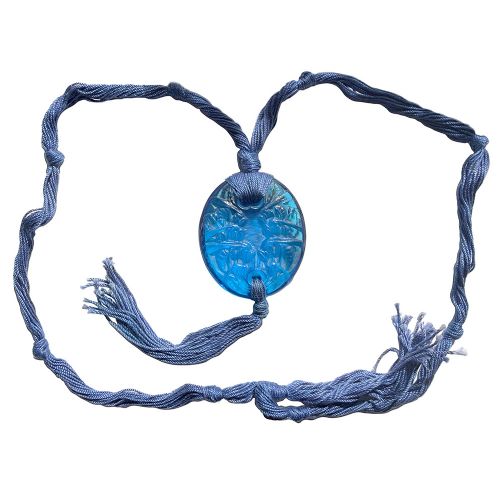
The selections available here range from single-bulb globes and hemispherical plafonniers to multi-tiered crystal chandeliers and slip shade configurations. Buyers frequently encounter French opalescent bowls and American brass-mounted lanterns alongside smaller glass necklaces intended for personal wear.
Beyond standard domestic lighting, the category encompasses specialised forms such as crackle glass cylinders, clam shell shades, and pate de verre plaques. Each variant reflects the period's preoccupation with industrial symmetry paired with artisanal glasswork.
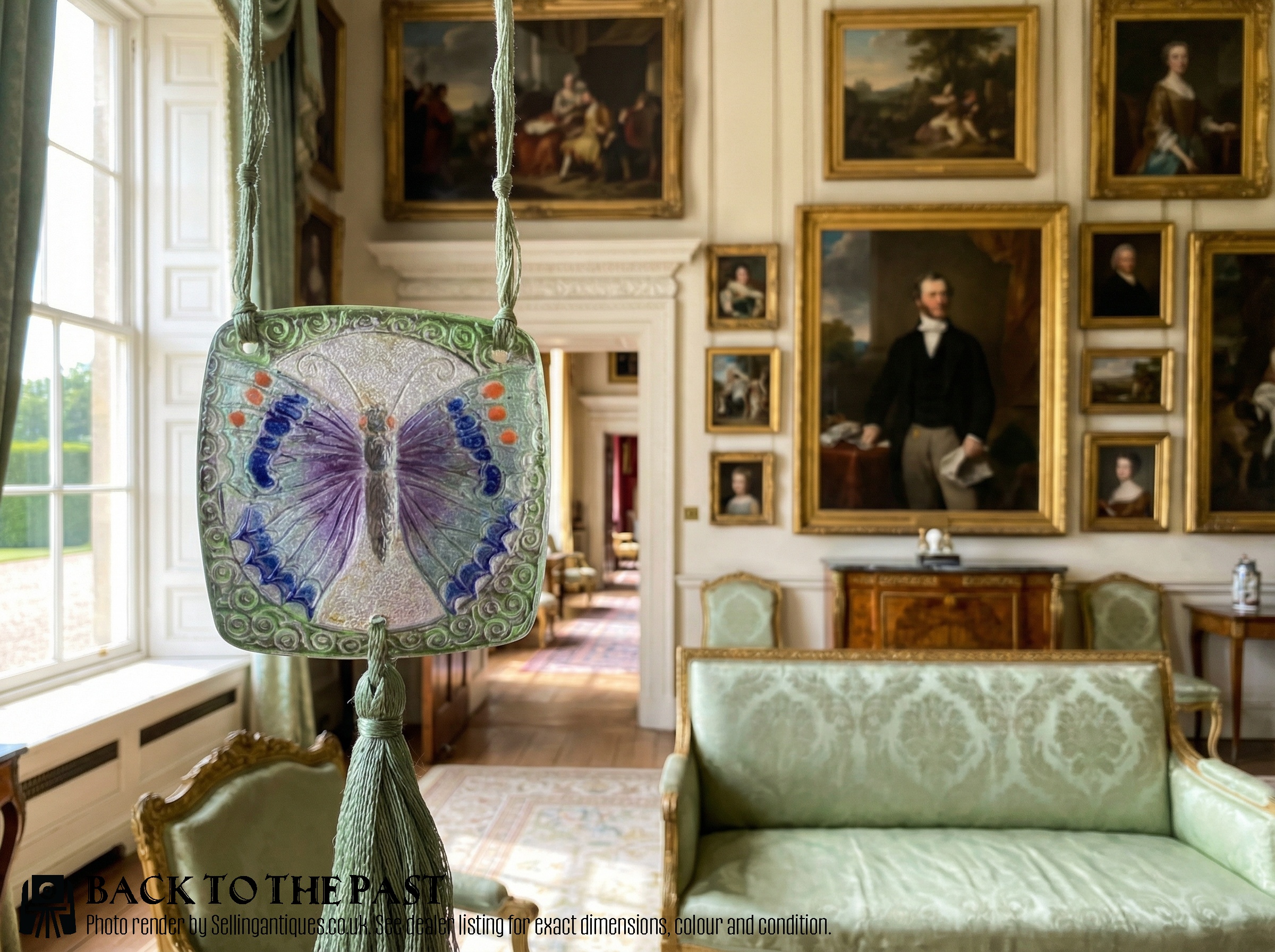
How they were made
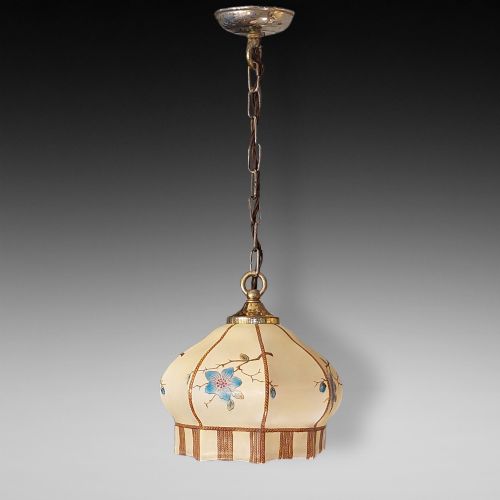
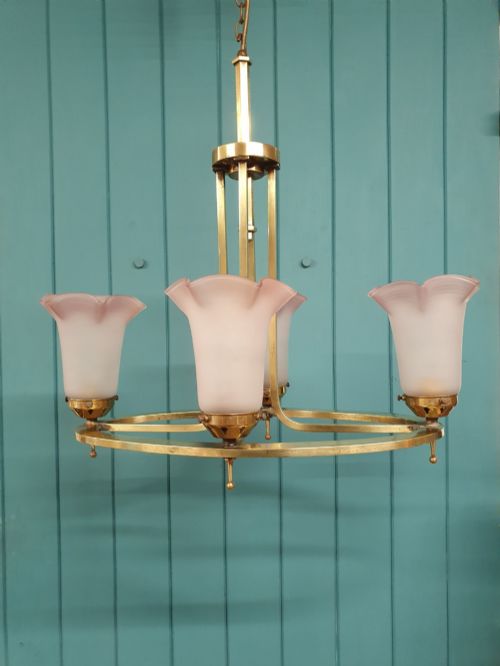
Makers produced these shades using specialised glass-forming techniques including acid-etching, mould-blowing, and pate de verre casting to achieve dense opacity or transluscent colour. Artists layered oxides within the molten material to create opaline, pink, and blue tones that diffused harsh bulb glare.
Metal components such as brass, chrome, copper, and bronze formed the galleries, chains, and frames that secured the glass bowls. Artisans hammered, cast, or plated these metallic elements to complement the geometric symmetry of the shade above.
Art Deco Glass Pendant Retail Price Guide 2026
Typical asking prices for art deco glass pendant among the pieces listed under this phrase on Sellingantiques today, from the lower quarter to the upper quarter. They describe what is for sale here now, not the wider market.
Wasps, butterflies, and sea thistles flutter across the glass, proving that the twenties loved an insect.
What varies in quality
The distinction between standard commercial production and exceptional studio output rests upon the depth of the mould and the purity of the glass. Superior pieces display crisp relief moulding, balanced weight distribution, and harmonious integration between the metal gallery and the glass body.
Signatures or moulded marks from notable workshops elevate the desirability of a pendant, indicating higher artistic oversight during production. The complexity of the glass treatment, from simple surface frosting to intricate multi-coloured pate de verre, dictates the refinement of the finished light.
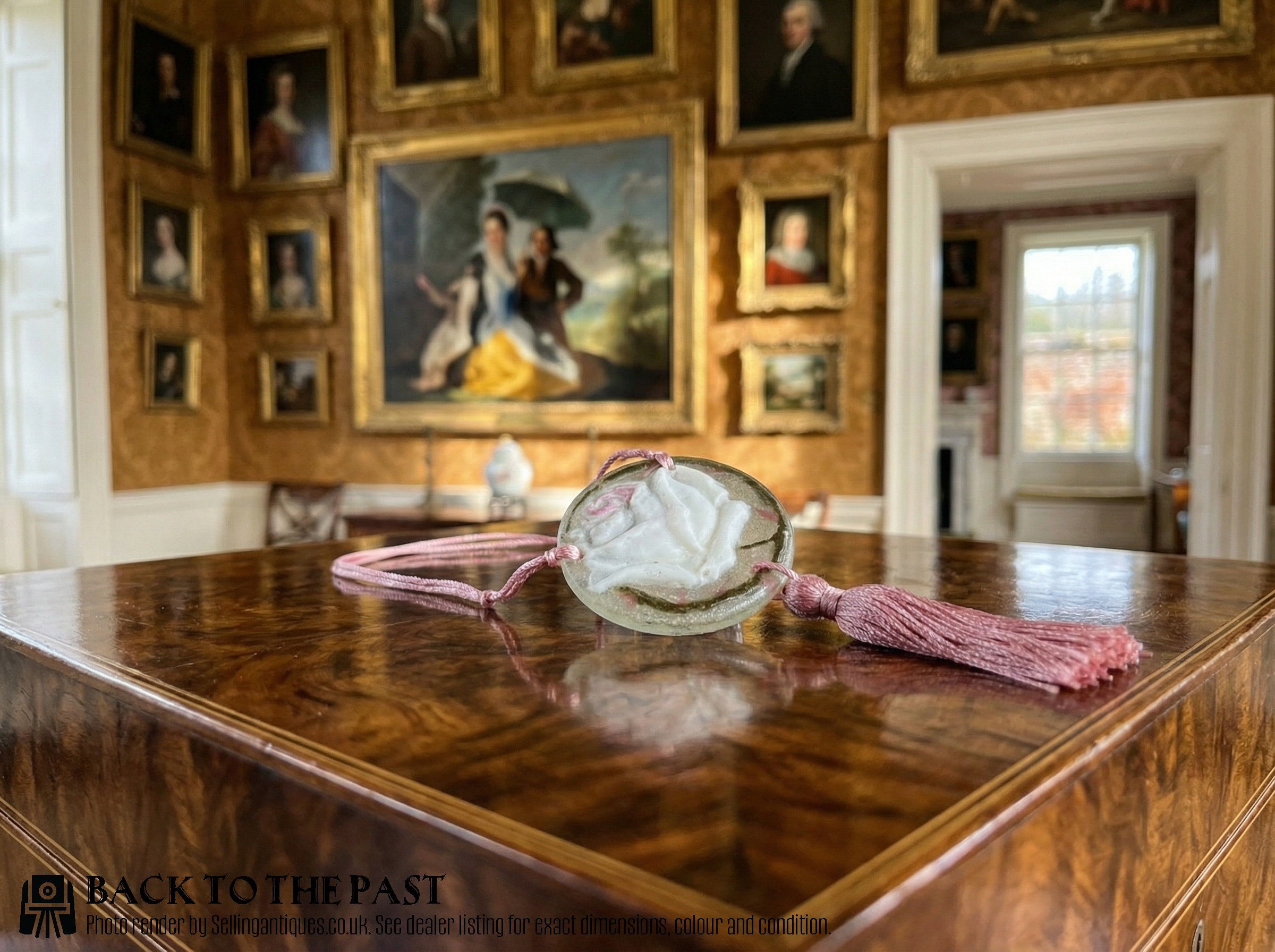
Argy Rousseau·Émile-Jacques Ruhlmann·R Lalique·Schneider
The Art Deco Glass Pendant Glossary
- Plafonnier
- A ceiling-mounted or closely suspended light fixture featuring a shallow glass bowl. These direct illumination upwards and outwards into the room.
- Slip shade
- A moulded piece of glass that slides directly into a metal frame or armature. Multiple slip shades typically lock together to form a basket or bowl shape around the light source.
- Pate de verre
- A glass-casting method where finely crushed glass is packed into a mould and fused in a kiln. This technique produces dense, colourful items with a granular texture.
- Gallery
- The metal collar or ring that grips the upper rim of a glass lampshade. It connects the shade to the suspension rod or chain.
- Opaline glass
- A milky, semi-translucent glass type created by adding bone ash or chemical agents. It softens light diffusion effectively.
Art Deco Glass Pendant: Frequently Asked Questions
How do I hang a heavy pendant?
Heavy fixtures require secure anchoring into ceiling joists using rated metal hooks rather than plaster anchors alone. Professional electricians should verify that the junction box supports the combined weight of the glass and metal.
Adjust the suspension chain carefully to position the fixture at the correct height above furniture. Ensure the weight distributes evenly across all supporting arms to prevent stress fractures in the glass.
Can modern bulbs be used safely?
Most vintage fittings accommodate modern LED bulbs provided the wattage matches the historical thermal limits of the shade. Low-heat LED alternatives prevent excess thermal stress on fragile antique glass.
Check the internal wiring condition before installation to confirm the socket insulation remains intact. Rewiring is common for pieces retaining original perished cords.
How is vintage glass cleaned?
Wash glass components gently using warm water and mild soap, avoiding harsh chemical abrasives that strip surface patination. Remove shades from their metal galleries before cleaning to prevent moisture damage to old fixings.
Dry each piece thoroughly with a soft cloth to avoid water spots on etched or frosted surfaces. Metal mounts require dry dusting or specialised non-abrasive metal polishes.
Are these lights signed by makers?
Certain pieces feature acid-etched signatures, moulded lettering, or painted factory marks near the rim of the glass. Master glassmakers often signed their output to verify authenticity and workshop origin.
Unsigned pieces remain common and typically reflect high-volume commercial manufacturing standards of the period rather than studio art glass. Both signed and unsigned examples offer period character.