

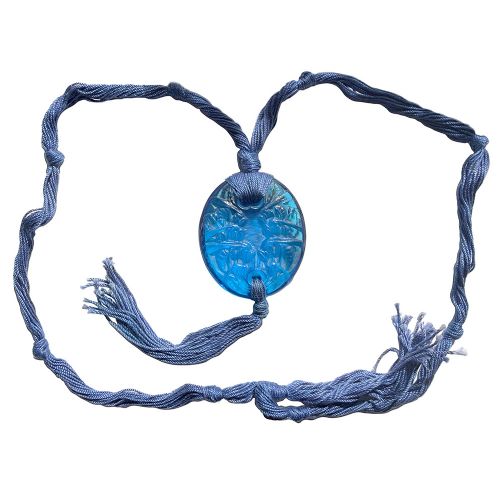


Art Deco Glass Jewellery
Art deco glass jewellery brings geometric clarity and rich colour to vintage adornment, combining moulded or paste stones with silver settings.
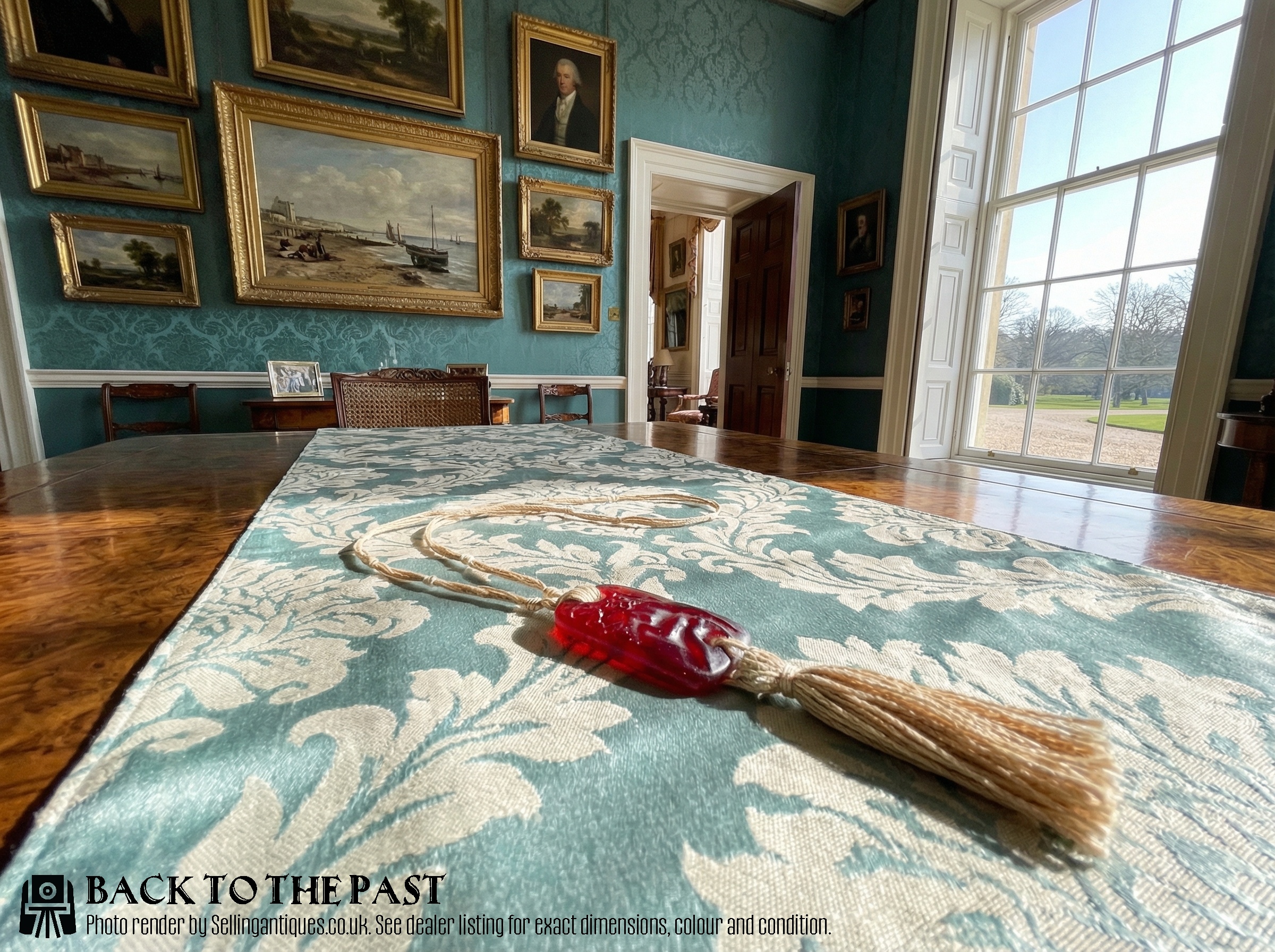
Art Deco Glass Jewellery
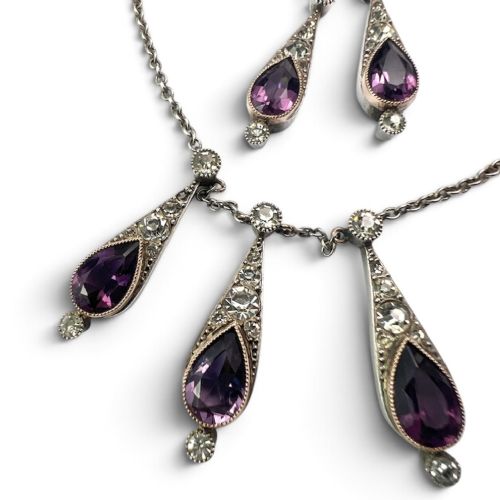
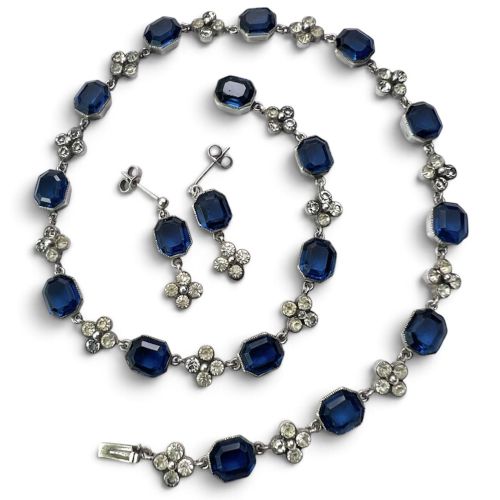
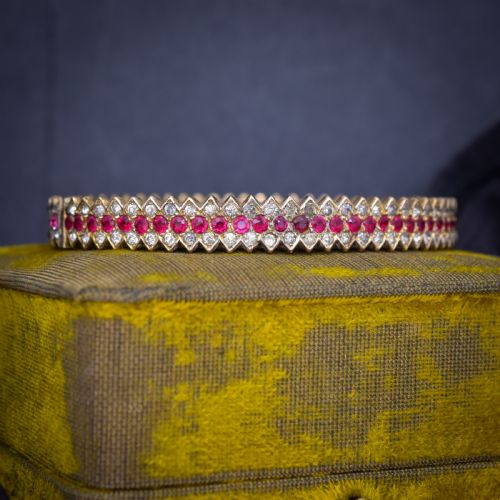
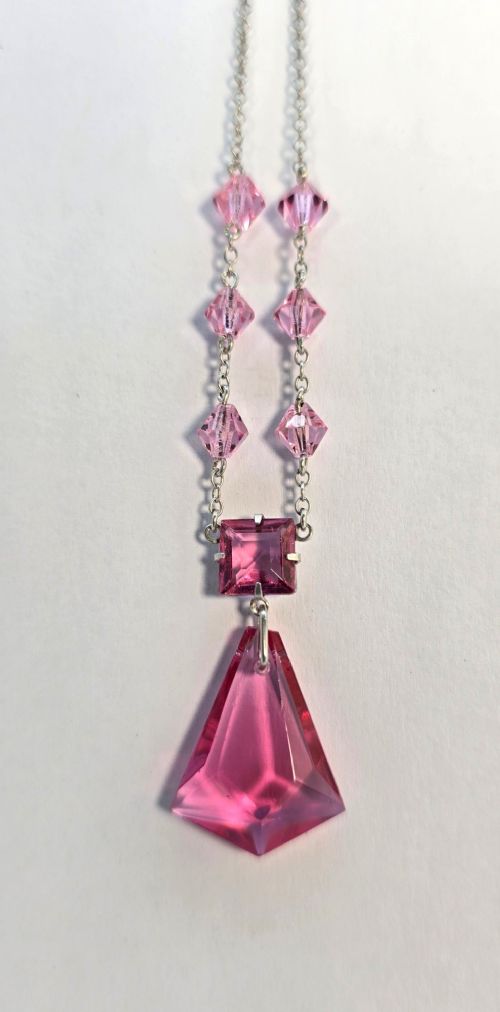
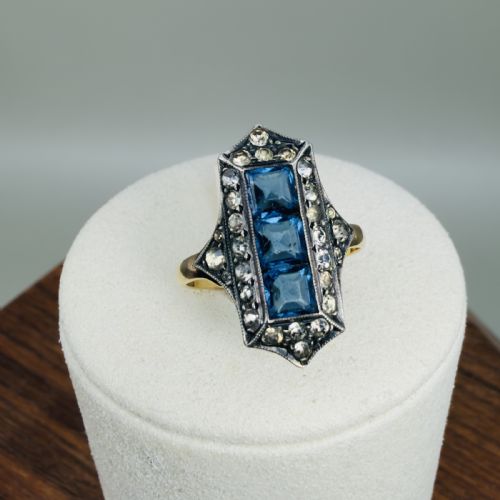
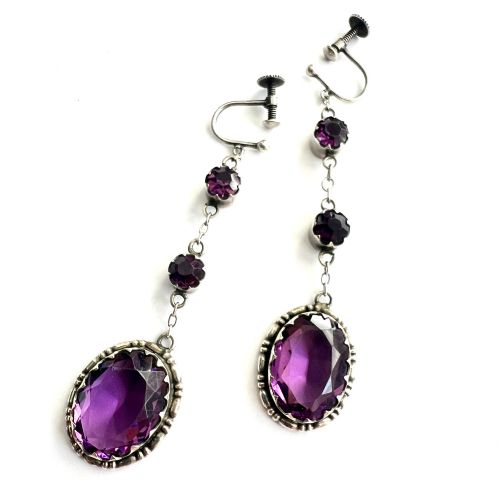
When searching for art deco glass jewellery, you encounter pieces that capture the design spirit of the interwar period through striking use of glass, crystal, and paste stones. The selections here predominantly span the nineteen twenties and thirties, featuring pendants, earrings, necklaces, and bangles framed in silver or chromium.
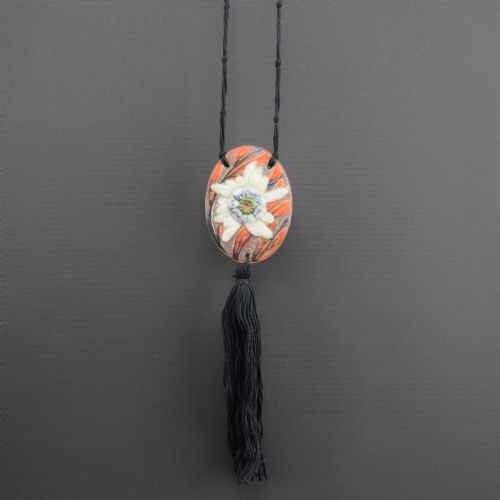
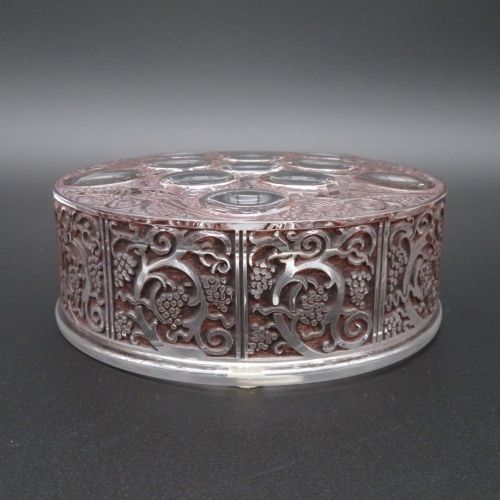
Moulded glass components, vibrant paste stones, and pate de verre elements dominate the forms, reflecting the industrial and natural motifs popular during the era. Alongside wearable items, related display pieces occasionally appear to contextualise the jewellery.
The objects bridge fine craftsmanship and accessible materials, utilising coloured glass to achieve the visual impact of precious gems. Each piece demonstrates how period designers manipulated light and colour through synthetic and moulded mediums.
Materials and construction
The creation of these ornaments relies heavily on moulded glass, paste stones, and pate de verre, combined with sterling silver, chromium, and gold settings. Artisans shaped glass through specialised casting and pressing techniques to achieve intricate reliefs and saturated colour profiles.
Pate de verre pieces involve fusing powdered glass in a kiln, producing characteristic textural depth and translucency seen in notable pendants. Metalwork components such as silver frames, settings, and clasps are soldered or cast to secure the fragile glass elements.
Art Deco Glass Jewellery Retail Price Guide 2026
Typical asking prices for art deco glass jewellery among the pieces listed under this phrase on Sellingantiques today, from the lower quarter to the upper quarter. They describe what is for sale here now, not the wider market.
Listings feature items from the nineteen twenties and thirties, incorporating silver, sterling silver, paste glass, crystal, and moulded glass.
Factors of distinction
Quality in these adornments rests on the precision of the glass cutting, the clarity of the paste stones, and the integrity of the metal settings. Pieces attributed to prominent makers exhibit superior moulding definition, particularly in intricate pate de verre reliefs and enamelled details.
The balance between the glass component and its surrounding silver or chromium framework dictates the structural cohesion of the jewellery. Finer examples maintain crisp edges on hand-cut crystals and secure stone settings without excess adhesive or distortion.
Rene Lalique·Gabriel Argy Rousseau·Amalric Walter·Chales Horner·Jakob Bengel
The Art Deco Glass Jewellery Glossary
- Paste glass
- High-refractive-index glass cut and polished like gemstones to imitate precious rubies, sapphires, and amethysts. It serves as the primary sparkling element in period necklaces and earrings.
- Pate de verre
- A glass-making technique involving crushed glass packed into a mould and fused in a kiln. This process creates richly coloured objects with a distinctive sugary texture.
- Sterling silver
- An alloy consisting of ninety-two point five percent silver and seven point five percent other metals, typically copper. It forms the durable mounting structure for many period brooches and rings.
- Chromium
- A hard, corrosion-resistant metal used for plating jewellery frames and bracelets during the interwar era. It provides a sleek, modern finish characteristic of industrial styling.
- Intaglio
- A design carved into the flat surface of a glass stone so that the image sits below the plane. These stones appear frequently in pendants and rings.
Art Deco Glass Jewellery: Frequently Asked Questions
What defines art deco glass jewellery?
These ornaments utilise moulded glass, paste stones, and pate de verre set within silver or chromium frames to project geometric and naturalistic motifs. The aesthetic relies on saturated colour and clean lines typical of the interwar period.
Items range from delicate drop earrings to statement bracelets and detailed figural pendants.
How should I care for glass jewellery?
Store pieces individually in padded compartments to prevent scratching the glass surfaces and delicate silver or gold settings. Avoid harsh chemical cleaners and ultrasonic baths, which can damage paste stones and pate de verre.
Clean gently with a soft, dry cloth to maintain the lustre of both the metal and the glass.
How do I identify paste stones?
Paste stones are heavy glass compositions cut with facets to imitate precious gems like sapphires, amethysts, and diamonds. Under magnification, they often reveal tiny air bubbles or mould seams absent in natural stones.
They feel cooler to the touch than plastic alternatives and display high light dispersion.
What is pate de verre?
Pate de verre translates to glass paste and involves packing crushed glass into a mould before firing it in a kiln. This technique produces translucent, richly shaded pendants featuring motifs such as insects and flora.
The resulting objects display a characteristic matte or granular surface texture distinct from blown glass.