


Art Deco Figure Light
An art deco figure light brings sculptural presence and warm illumination into a room, combining stylized human or animal forms with functional design.
Art Deco Figure Light
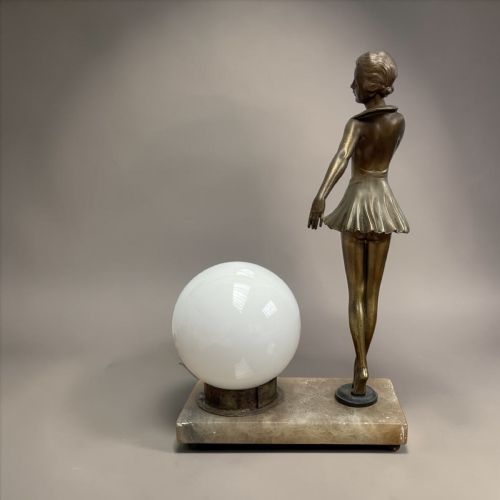
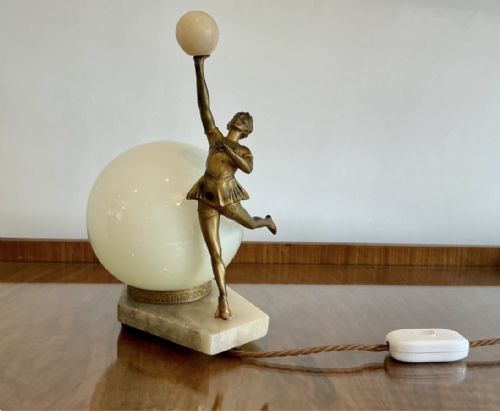
An art deco figure light combines sculptural form with functional illumination, taking inspiration from the 1920s, 1930s, and 1940s eras. These pieces typically feature human figures such as ladies, dancers, athletes, and pierrots, or animal subjects integrated into table and night light designs.
The versions most commonly met on this page range from English and French origins, utilising varied figural compositions standing on marble or metal bases. Alongside specialised figural lamps, the listings encompass related forms including decorative stools, side tables, and illuminated top sofa tables that reflect the same design vocabulary.
Makers and artists from the period often utilised cast metals, glass, and ceramics to create these glowing table pieces. Collectors search for these lamps to anchor a room with period character, balancing the utility of a desk or table lamp with expressive figural artistry.
Materials and construction
The construction of an art deco figure light relies heavily on metal casting, utilising bronze, spelter, brass, chrome, and silver plate to shape the central figures. These metal components are frequently paired with heavy stone plinths made of marble or onyx to provide stability to the elevated forms.
Glass forms a crucial element of the manufacture, appearing as frosted glass figurines, moulded shades, or illuminated panels, often sourced from renowned glasshouses like Baccarat. Artisans finished these pieces with patinated metal surfaces or painted porcelain details, occasionally incorporating fabric elements to complete the composition.
Listings feature table lamps, night lights, and occasional furniture spanning the 1920s to the 1940s.
Judging quality and craftsmanship
Material integration also dictates the standard of a piece, as seen in the weight and selection of genuine marble bases paired with substantial bronze or high-grade plated metal rather than lighter spelter. The harmony between the sculptural figure and the lighting element determines the overall success and desirability of the object.
Karl Ens·Anton Buschelberger·Ignacio Gallo
The Art Deco Figure Light Glossary
- Spelter
- A zinc alloy commonly used as a cost-effective substitute for bronze in decorative figures and lamp bases during the early twentieth century. It is softer than bronze and typically carries a applied patinated finish.
- Patinated metal
- Metal treated with chemical solutions or heat to produce a specific surface colour or aged finish. This process protects the underlying metal while enhancing the visual depth of figural sculptures.
- Night light
- A smaller scale lighting fixture designed to provide low-level ambient illumination, frequently featuring compact figural groups or animal subjects mounted on stone bases.
- Frosted glass
- Glass treated by acid-etching or sandblasting to create a diffusing, translucent surface. This technique softens the glare from internal bulbs and highlights moulded sculptural details.
Art Deco Figure Light: Frequently Asked Questions
What materials are art deco figure lights made from?
These lamps combine cast metals such as bronze, spelter, brass, and chrome with glass elements and solid marble or onyx bases.
Additional components like porcelain, fabric, and silver plate also appear across various pieces from the period.
Where were most art deco figure lights produced?
Production was concentrated in European workshops and factories, with significant numbers originating from France and England.
Individual artists and ceramic houses also contributed distinct designs during the 1920s and 1930s.
How do I style an art deco figure light at home?
Place these lamps on side tables, desks, or mantelpieces where the sculptural silhouette and glowing elements can serve as a focal point.
They pair well with period furniture, dark wood surfaces, and minimalist modern interiors that benefit from sculptural contrast.
How can I tell the difference between a 1920s and 1940s lamp?
Pieces from the 1920s often feature intricate, flowing details inspired by early modern dance and high-end French glassmaking techniques.
By the 1940s, designs tended toward streamlined athletic forms and heavier use of chrome and standardised metal casting.