




Art Deco Dresser Box
An art deco dresser box brings period geometric elegance to a dressing table, holding small treasures with distinctive style.
Art Deco Dresser Box
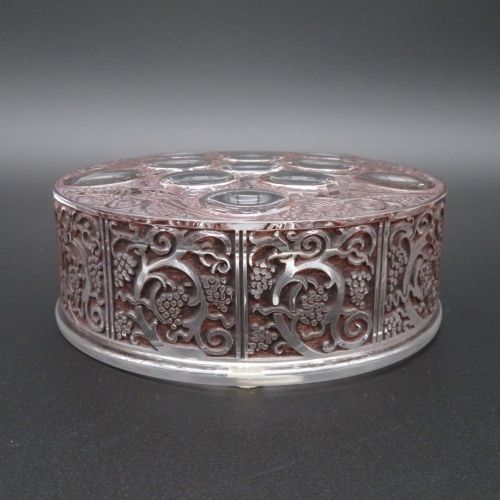
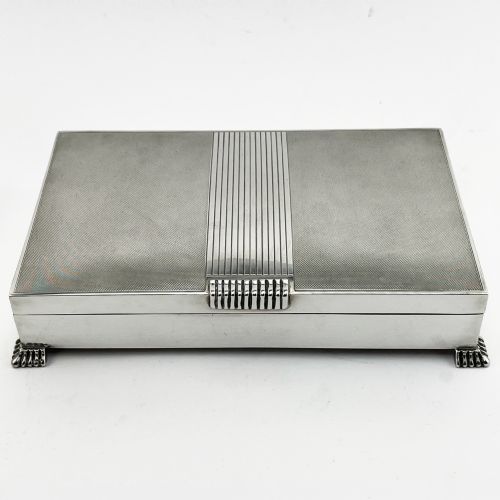
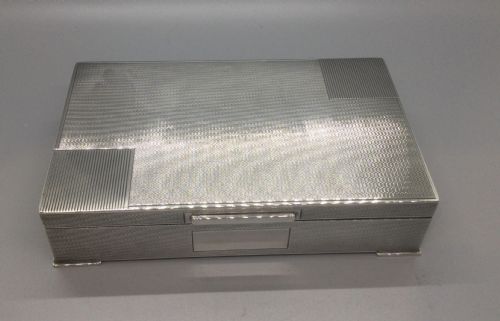
An art deco dresser box serves as a functional receptacle for trinkets, powder, or cigarettes on a dressing table. When exploring this selection, buyers encounter various forms including powder jars, trinket boxes, and decorative caskets.
The majority of pieces date from the nineteen thirties, with additional examples spanning from the nineteen twenties to the nineteen fifties. Origins include France, Germany, and Austria alongside domestic British manufacture.
Makers utilise diverse terminology such as powder bowls and trinket boxes to describe these receptacles. Figural designs featuring half doll flapper girls and jesters appear frequently alongside geometric crystal vessels.
Materials and construction
Makers shape these vessels from porcelain, ceramic, crystal glass, and sterling silver. Many ceramic and porcelain examples incorporate detailed glaze finishes and hand-painted figural elements.
Silver components often feature hallmarks indicating assay offices such as Birmingham, while crystal pieces utilise heavy moulded glass techniques. Gilt and gold leaf applications enhance select porcelain and glass surfaces.
A jaunty jester ceramic box waits alongside glamorous flapper girls to guard your powder.
Assessing quality
The refinement of modelled figures, particularly porcelain half dolls and flapper figures, distinguishes finer receptacles from standard production. Clarity and weight in crystal glass boxes indicate superior manufacture.
The integration of precious metals like sterling silver with natural stones such as white onyx and lapis lazuli elevates the status of a piece. Precision in silver hallmarks and gilt work marks the distinction between workshop tiers.
Lalique·W.M.F.·Limoges
The Art Deco Dresser Box Glossary
- Half doll
- A ceramic or porcelain upper torso figure used as a lid on powder jars and dresser boxes. These figures often depict stylized flapper girls or characters with elaborate hats.
- Powder box
- A receptacle designed to hold cosmetic face powder on a dressing table. They frequently feature removable ceramic or glass lids.
- Sterling silver
- An alloy of silver containing ninety-two point five percent pure silver and seven point five percent other metals. This standard metal appears frequently in fitted cigarette and trinket boxes.
- Crystal
- A type of glass containing lead oxide for enhanced clarity and weight. Makers employ this material for heavy geometric boxes.
Art Deco Dresser Box: Frequently Asked Questions
What goes inside an art deco dresser box?
These receptacles hold daily cosmetics, loose powder, hairpins, and small personal trinkets on a dressing table. Some variations specifically serve to hold cigarettes or cigars.
Collectors today use them on dressing tables and mantelpieces for functional storage of small contemporary accessories.
How do I identify a nineteen thirties piece?
Pieces from this decade typically display characteristic geometric lines, stylized figural motifs, and specific ceramic or crystal body compositions. Hallmarks on silver mounts provide exact date ciphers.
Matching the stylistic markers of the period helps distinguish nineteen thirties examples from later mid-century revivals.
Where were these boxes made?
Production centres spanned across Europe, with significant numbers originating in France, Germany, and Austria. British workshops also contributed marked sterling silver examples.
Regional styles often reveal the origin, such as Limoges ceramics from France or precision crystal from established glassworks.