

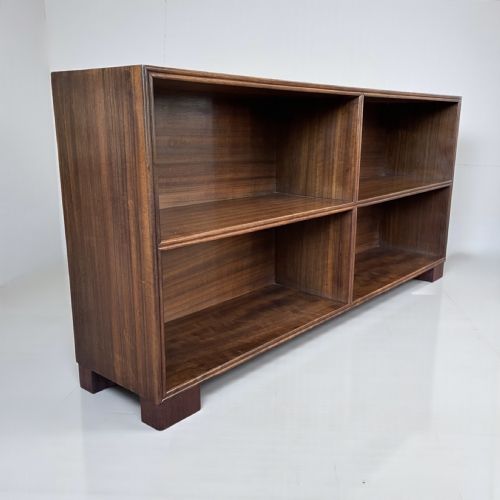
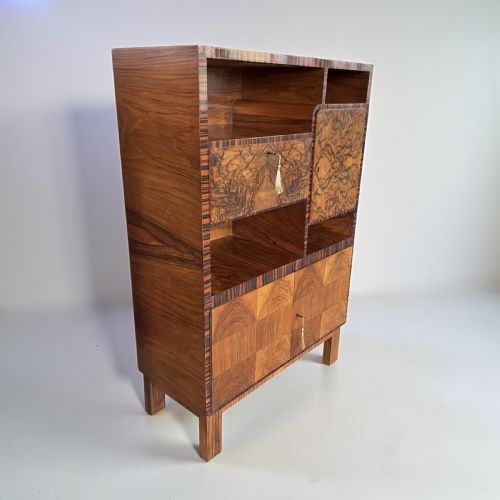


Art Deco Display Unit
An art deco display unit brings geometric order and striking materials to a room, holding books and collections with architectural presence.
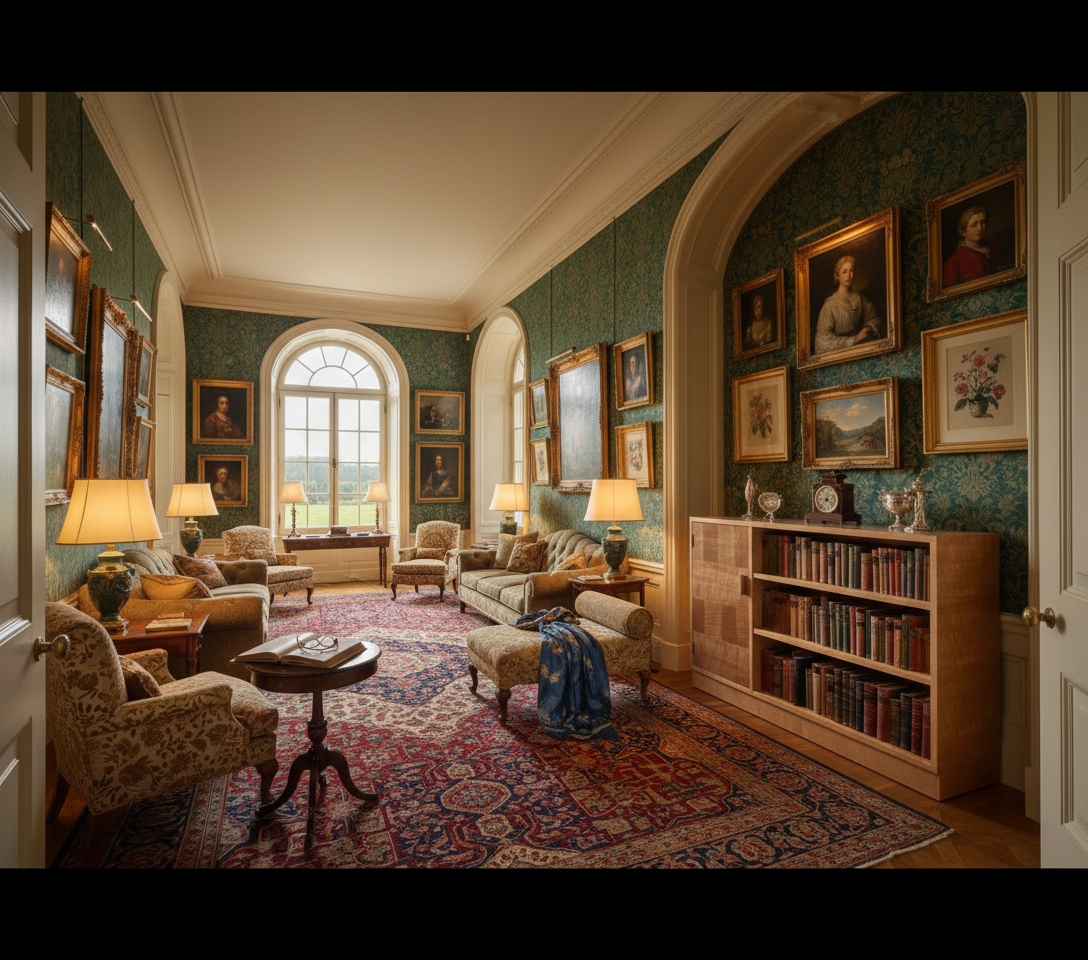
Art Deco Display Unit
When you search for an art deco display unit, you enter a field defined primarily by nineteen-thirties production alongside earlier Edwardian and twentieth-century British examples. These pieces merge practical storage with architectural form, appearing most frequently as bookcases, display cabinets, and shop display counters adapted for domestic interiors.
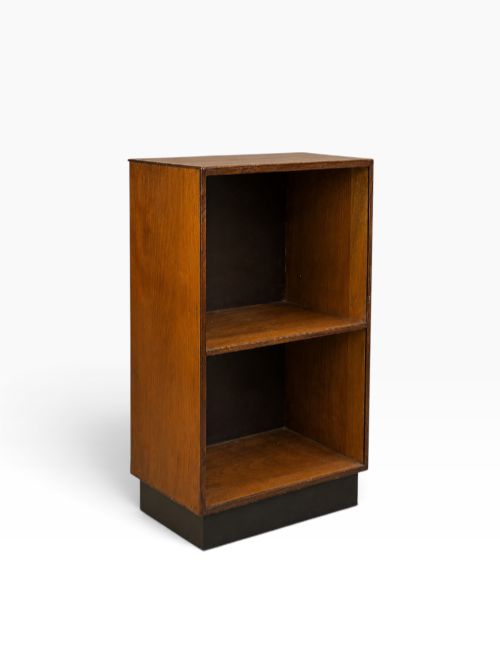
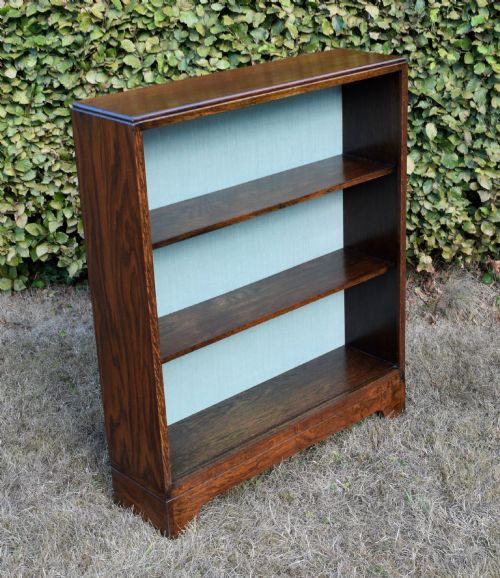
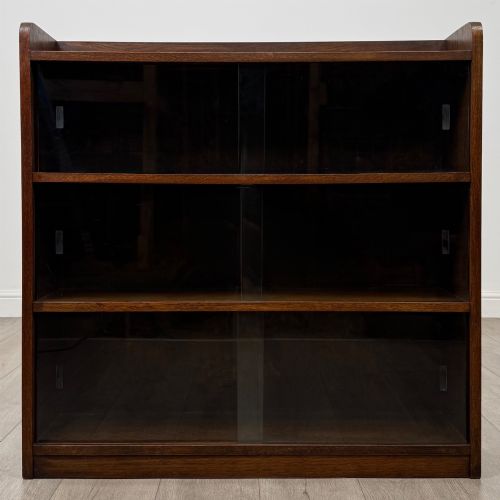
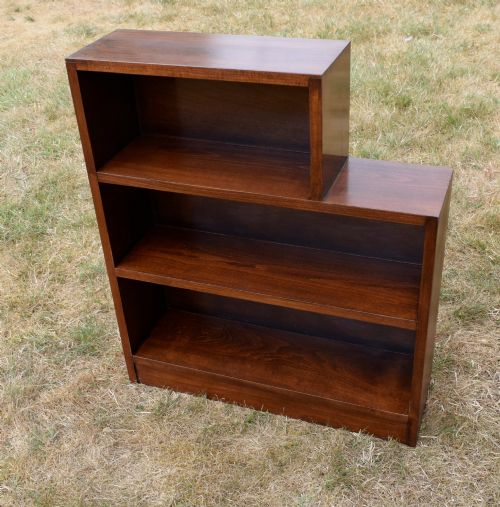
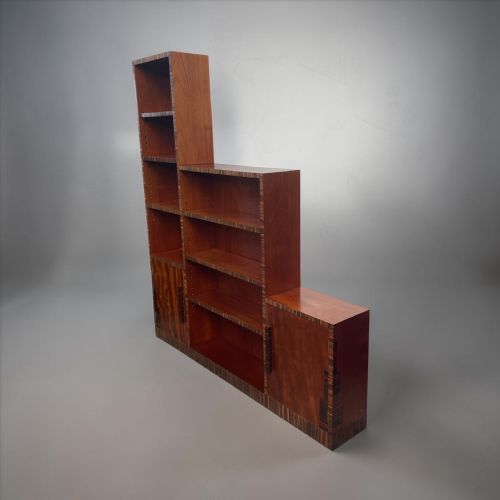
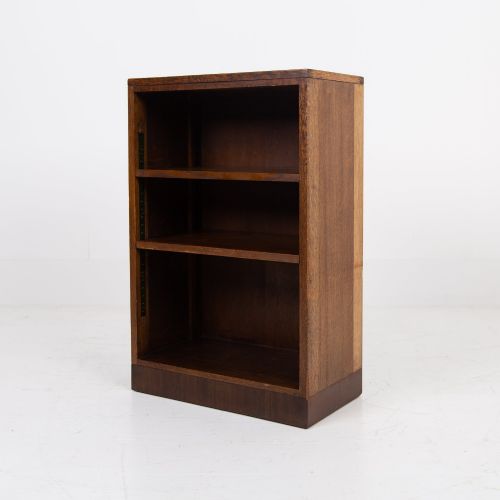
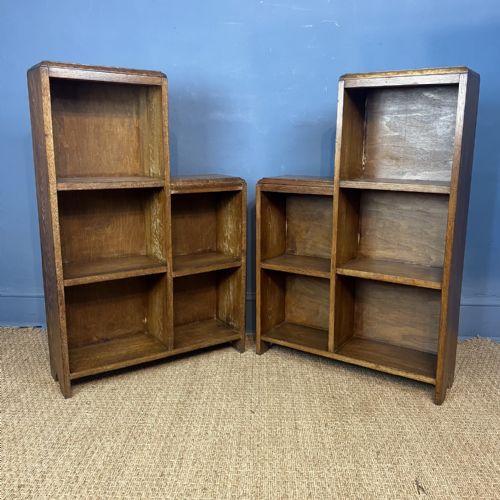
The selection ranges from stepped bookcases and open shelving to enclosed cabinets featuring glass doors and timber mouldings. Walnut, oak, and mahogany form the structural backbone of these items, often enhanced by specialised veneers and metal framing.
Originating largely from nineteen-thirty design traditions, these units also draw on nineteen-ten, nineteen-twenty, and nineteen-forty influences. Buyers encounter both home furniture by known designers and commercial shop fittings repurposed for modern display.
Distinguishing quality in construction and design
The finest examples separate themselves through deliberate selection of Burr walnut, sycamore, and figured veneers matched symmetrically across doors and panels. Superior joinery manifests in precise stepped profiles, integrated mouldings, and robust internal shelving that maintains alignment over decades.
Commercial shop fittings and bespoke designer commissions display a higher level of architectural ambition than standard domestic variants. The integration of specialised hardware, such as brass and chrome framing, distinguishes standard utility pieces from exceptional cabinet work.
Some units transitioned from holding buttons and ribbons in drapery shops to displaying modern curiosities in living rooms.
Dudley & Co·Betty Joel·Maurice Adams·Epstein·Saml. Elliott & Sons·Sandberg & Co
The Art Deco Display Unit Glossary
- Burr walnut
- A highly figured wood grain obtained from the warted growths on walnut trees. It creates intricate, swirling patterns favoured for decorative cabinet doors.
- Stepped bookcase
- A shelving unit featuring diminishing tiers that create a terraced silhouette. This form is a hallmark of nineteen-thirties design.
- Haberdashery cabinet
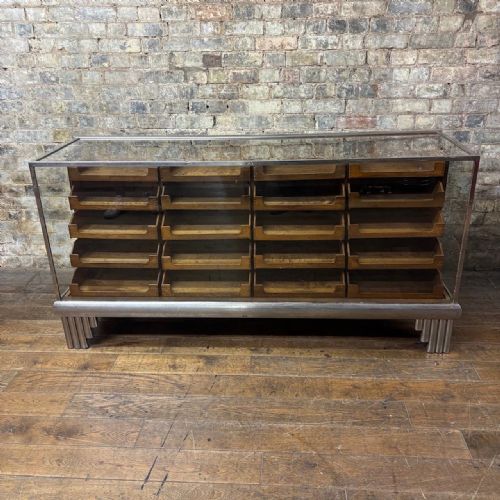
- A commercial shop fixture fitted with numerous drawers or glass compartments. These units were originally designed for retail display and storage.
Art Deco Display Unit: Frequently Asked Questions
How do I identify a true nineteen-thirties piece?
Authentic nineteen-thirties examples typically display stepped profiles, geometric symmetry, and specific timber choices like burr walnut or ash. Construction methods rely on traditional joinery combined with period-typical hardware.
Examine the back panels and interior secondary woods, as these reveal period manufacturing traits that modern reproductions lack.
Where were haberdashery units used originally?
Haberdashery cabinets and counters originated as department store and outfitter shop display units for small wares and textiles. Retailers utilised glass fronts and numerous shallow drawers for organised stock presentation.
Today, these commercial pieces function effectively in domestic settings for displaying collections while providing structured storage.
Are open bookcases suitable for heavy books?
Period open bookcases constructed from solid oak or mahogany generally offer robust support for heavy volumes. Fixed shelving and substantial timber thicknesses prevent sagging under weight.
Buyers should inspect the shelf fixings and vertical supports to confirm the unit can bear the intended load.
How do I care for walnut veneer surfaces?
Walnut veneer surfaces require protection from direct sunlight and excessive moisture to prevent fading and lifting. Regular dusting with a soft, dry cloth preserves the polished finish.
Occasional application of appropriate furniture wax maintains the moisture balance in the timber and enhances the grain.