


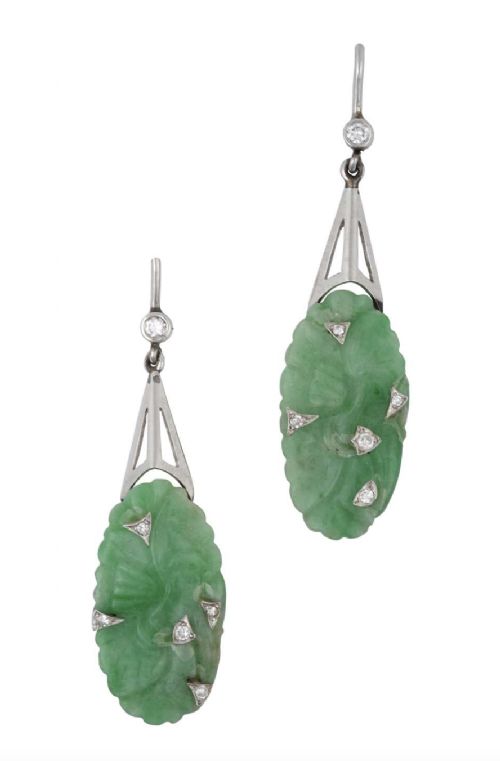


Art Deco Diamond Drops
Art deco diamond drops bring together geometric forms, precious platinum, and brilliant stones from the 1920s and 1930s for the wearer.
Art Deco Diamond Drops
The form relies on geometric lines, stepped motifs, and symmetrical layouts typical of the period style. Master jewellers combined cascading stones with central gems such as aquamarine, ruby, sapphire, and jadeite.
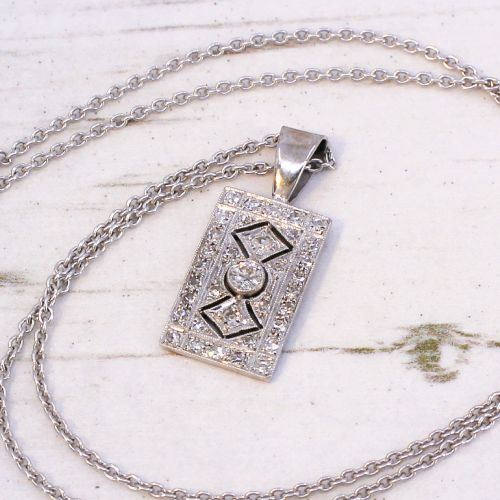
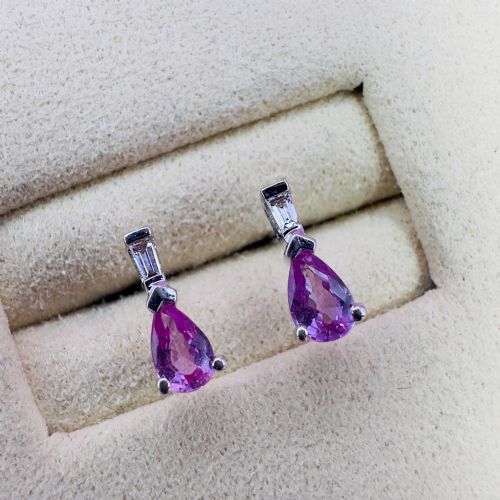
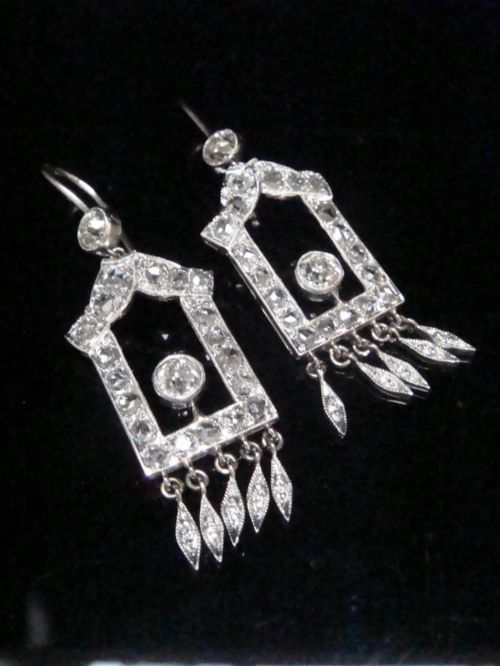
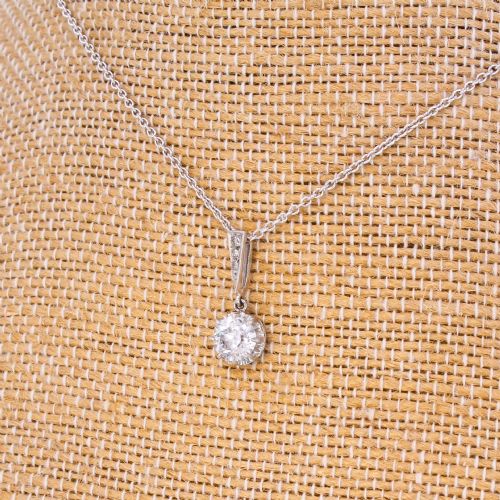
Drop earrings and pendant necklaces dominate the choices available on this page. Pieces range from delicate single-stone pendants to substantial cluster drops set with multiple carats of diamonds.
How they were made
Craftsmen of the era relied heavily on platinum to mount diamonds and coloured stones. This dense metal allowed for delicate, intricate wirework and secure prong settings without adding excessive weight to hanging pieces.
White gold and yellow gold also appear frequently as primary structural materials, particularly in combination with platinum tops. Jewellers cut diamonds using old European cuts, pear shapes, and trapezoid facets to catch the light during evening wear.
Art Deco Diamond Drops Retail Price Guide 2026
Typical asking prices for art deco diamond drops among the pieces listed under this phrase on Sellingantiques today, from the lower quarter to the upper quarter. They describe what is for sale here now, not the wider market.
Some night and day drop earrings let wearers detach the lower sections to transform grand evening drops into simple daytime studs.
What varies in quality
The standard of a piece depends largely on the symmetry of the geometric layout and the matching of the central stones. Superior examples display thoughtful stone selection where secondary melee diamonds complement the primary gems without overpowering the design.
Construction robustness dictates longevity in hanging items, with higher grade pieces showing secure articulation points and clean soldering. Metalwork precision, especially in platinum openwork, separates standard commercial output from exceptional studio work.
The Art Deco Diamond Drops Glossary
- Old cut
- A diamond facet style popular before modern brilliant cutting standards were established. These stones feature smaller tables and higher crowns that produce a distinctive candlelit sparkle.
- Platinum
- A strong, corrosion-resistant precious metal used extensively during the 1920s and 1930s. Its strength permitted the creation of delicate, lace-like metal structures.
- Cluster
- An arrangement of smaller gemstones surrounding a larger central stone. This technique maximises visual impact and light reflection.
- Drop
- A pendant component that hangs below the main body of an earring or necklace. It moves independently to catch the light from multiple angles.
- Melee
- Small diamonds used as accent stones around a larger centre gem. They add texture and continuous sparkle to the framework.
Art Deco Diamond Drops: Frequently Asked Questions
How do I care for my drop earrings?
Store hanging pieces flat in dedicated compartments to prevent the chains and articulated joints from tangling or bending under pressure.
Clean them gently with warm soapy water and a soft brush, avoiding harsh chemical dips that might damage softer set stones like jadeite or pearls.
Can I wear these pieces every day?
Period items require mindful handling due to their delicate platinum or gold wirework and historical settings. Reserve them for regular evening wear or special occasions to protect the fine linkages from accidental strain.
Check the closures and hinge mechanisms periodically to ensure the security of the components during use.
What defines the period style?
The aesthetic relies on strict symmetry, stylised motifs, and architectural lines inspired by early twentieth-century design movements. Jewellers embraced clean geometry rather than organic floral curves.
Contrasting materials, such as platinum paired with calibrated coloured gemstones, create the distinctive visual rhythm associated with the era.
How are different lengths worn?
Pendant necklaces often feature standard sixteen-inch chains that position the drop centrally against the collarbone. Earrings hang close to the jawline or extend lower depending on the scale of the cluster.
Consider your neckline preferences and hair length when selecting shorter studs versus longer swinging drops.