


Art Deco Decorative Vase
An art deco decorative vase brings geometric precision and bold colour into a room, offering striking display forms rooted in the interwar period.
Art Deco Decorative Vase
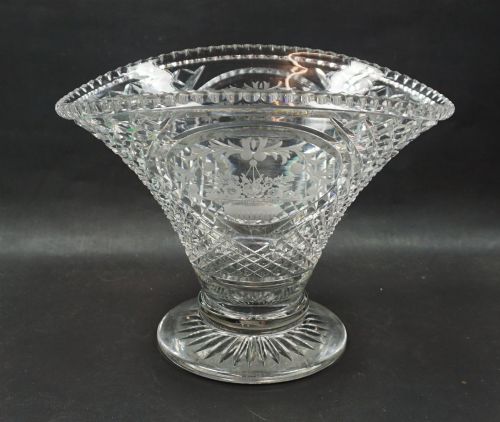
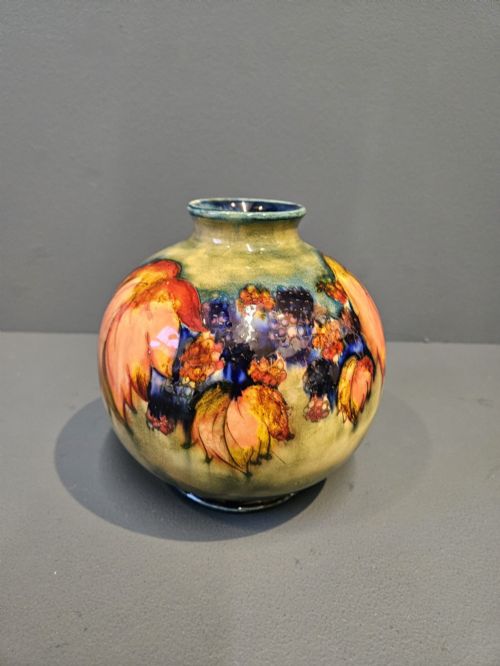
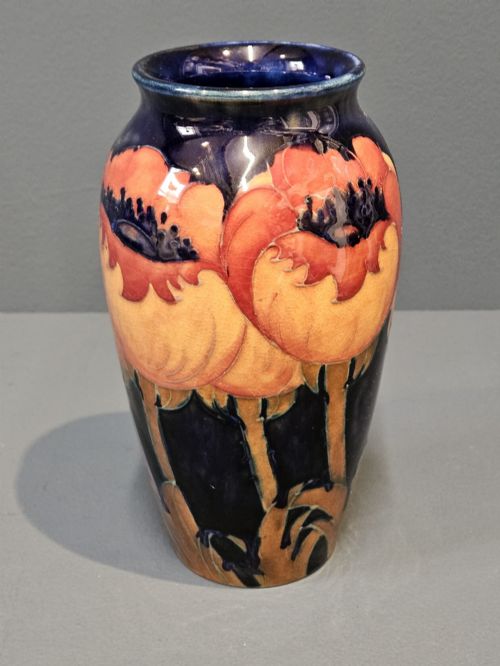
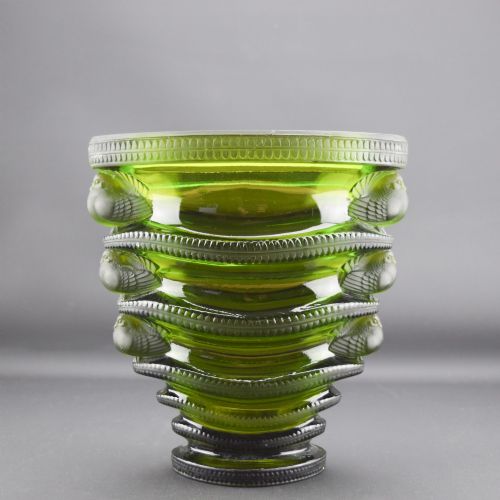
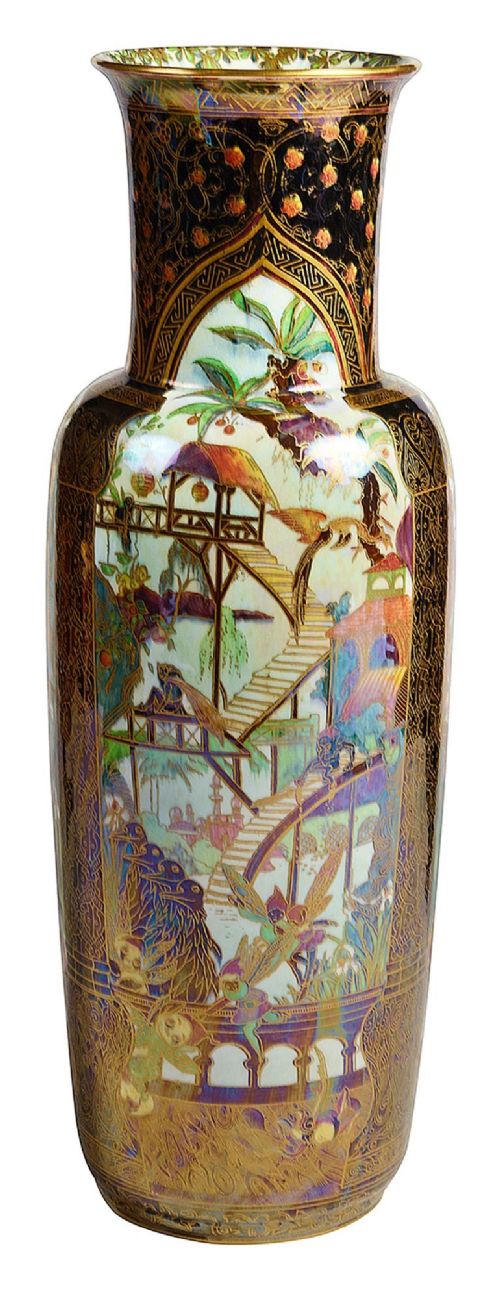
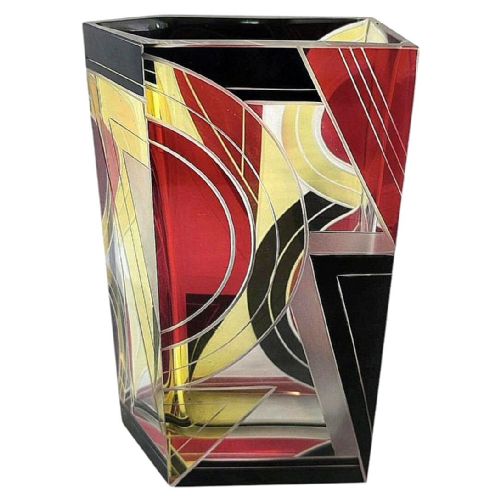
When searching for an art deco decorative vase, collectors encounter a diverse selection of ceramics, earthenware, and glass vessels originating primarily from the 1920s and 1930s. These pieces reflect prominent aesthetic shifts away from Victorian ornamentation toward stylised flora, fauna, and abstract motifs.
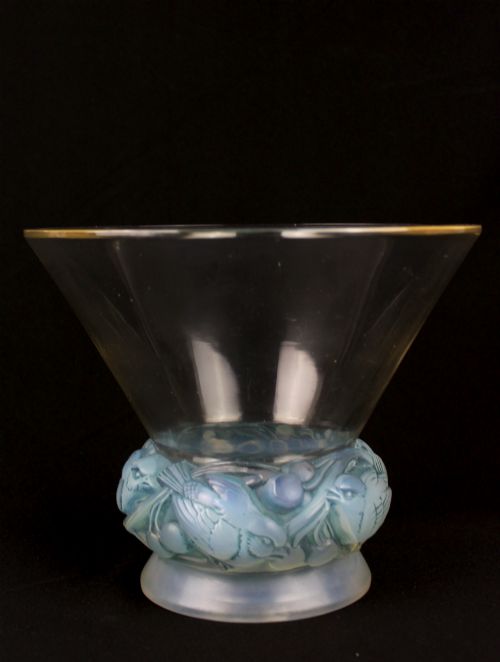
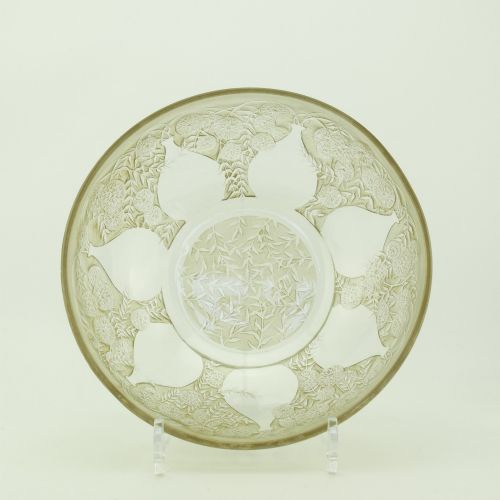
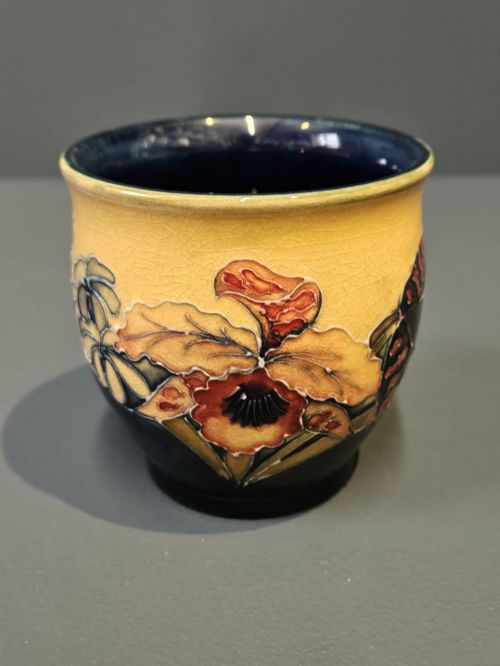
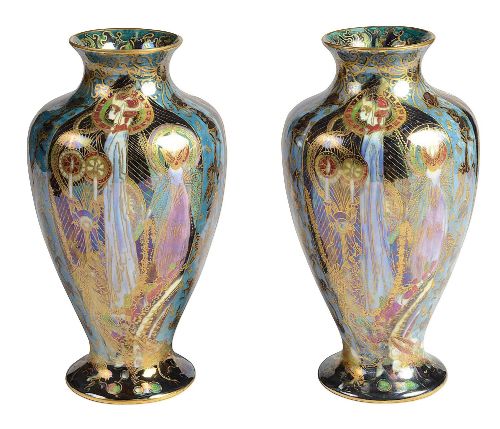
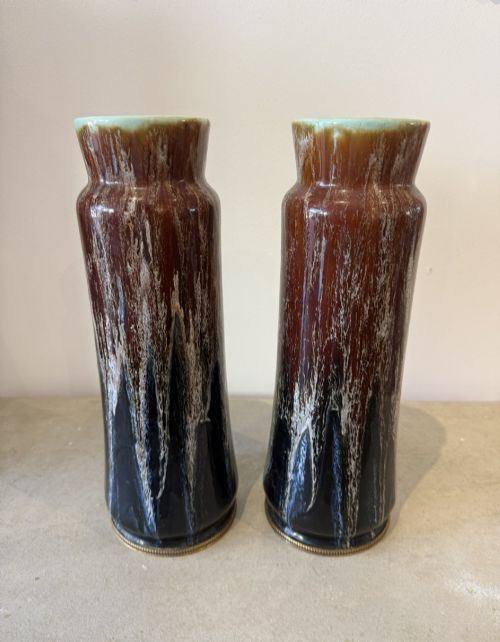
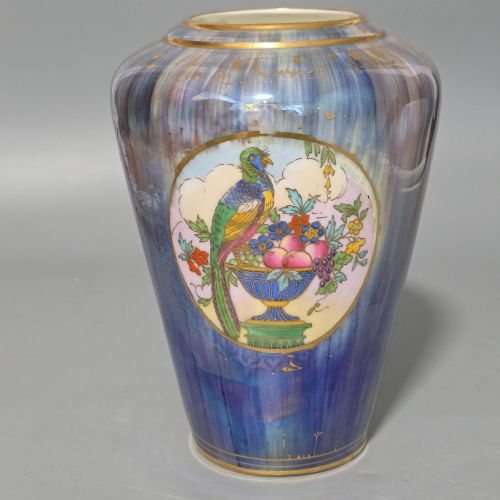
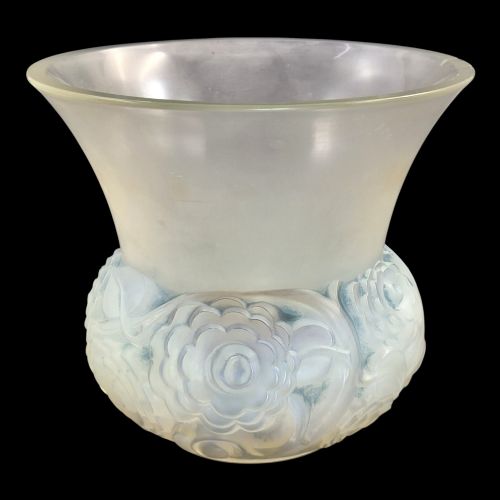
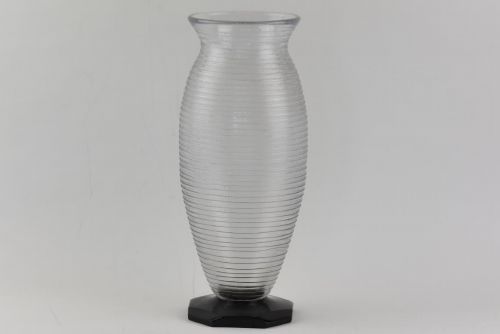
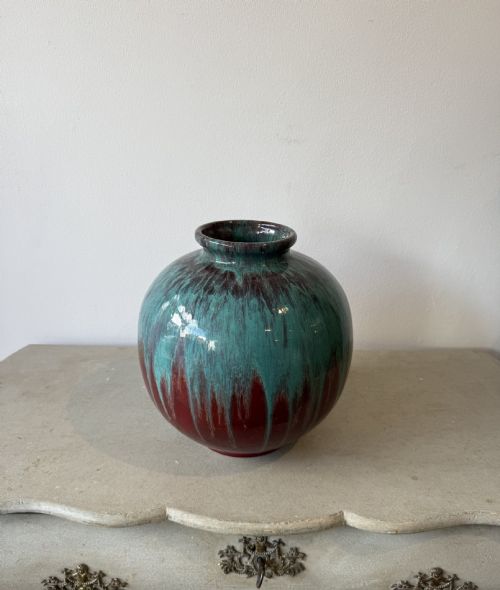
The most frequent examples on this page combine earthenware and glazed ceramic bodies with enamel or lustre finishes, alongside French opalescent and frosted glass. Forms range from tall baluster shapes to geometric vessels designed specifically for visual impact.
Materials and Techniques
Makers utilised earthenware, porcelain, and heavy-moulded glass, applying gold leaf, rich enamels, and iridescent lustre glazes to achieve depth and shine. Ceramic pieces often rely on hand-painted slip decoration and tube-lining techniques to create defined borders for vibrant colour fills.
Glass vessels involve complex moulding, acid-etching, and opalescent treatments that capture light across textured surfaces. The combination of these specific finishes defines the tactile quality of the period's output.
Art Deco Decorative Vase Retail Price Guide 2026
Typical asking prices for art deco decorative vase among the pieces listed under this phrase on Sellingantiques today, from the lower quarter to the upper quarter. They describe what is for sale here now, not the wider market.
Listings span the Victorian era, 1900, 1920, 1930, and 1940, uniting earthenware, frosted glass, and glazed ceramic.
Evaluating Quality
Quality rests in the crispness of the moulding and the deliberate application of enamel or lustre finishes. Pieces that demonstrate precise hand-painting, well-defined geometric etching, and balanced proportions stand apart.
The integrity of the material finish, whether the luminous depth of opalescent glass or the smooth execution of a tube-lined ceramic pattern, determines the standard of the vessel.
Rene Lalique·Wedgwood·Charlotte Rhead·Roger Guerin·Karl Palda·Daum
The Art Deco Decorative Vase Glossary
- Lustre
- A type of ceramic glaze containing metallic salts that produce an iridescent sheen upon firing. It catches ambient light to create a reflective surface.
- Opalescent Glass
- Glass that diffuses light with a milky, translucent appearance, often showing contrasting colour shifts at the edges. French glassmakers frequently employed this technique.
- Tube-lining
- A ceramic decoration method where slip is squeezed through a nozzle onto a clay body to form raised outlines. These raised lines contain the subsequent washes of enamel colour.
- Baluster
- A vase form characterised by a rounded body that tapers toward a narrow neck and flares at the base. This silhouette remains typical of interwar display vessels.
Art Deco Decorative Vase: Frequently Asked Questions
How do I clean an antique ceramic vase?
Dust the surface gently with a soft, dry cloth to protect delicate enamel and lustre finishes from abrasive damage.
Avoid submerging older earthenware in water, as moisture can penetrate porous bodies and harm historical glazes.
Were these vessels used for flowers?
Many examples served purely as decorative mantel or display objects rather than functional containers for water and stems.
Larger baluster and geometric forms were created to showcase the skill of the potter or glassmaker within domestic interiors.
What defines the style?
The aesthetic relies on stylised symmetry, geometric patterns, and motifs drawn from nature simplified into repeating shapes.
Bold colour palettes involving cobalt blue, orange, and gold accents distinguish these interwar pieces from earlier Victorian designs.