





Art Deco Dancer Light
An art deco dancer light brings unmistakable theatrical movement and period elegance into a room.
Art Deco Dancer Light
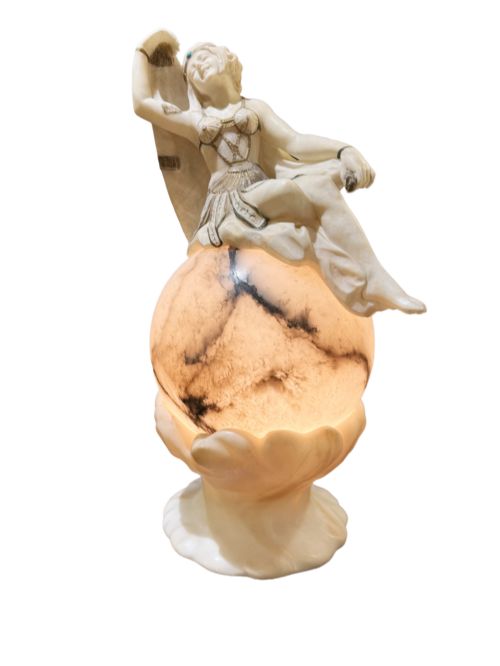
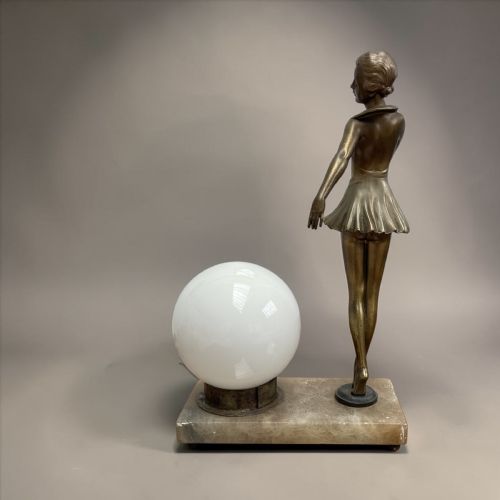
When you search for art deco dancer light, you encounter sculptural table lamps depicting figures from the interwar period, most frequently cast as ladies or athletes.
The pieces listed on this page span the decades from 1920 to 1940, capturing the stylised forms and energetic poses typical of the era.
You are most likely to meet figural table lamps mounted on marble or onyx bases, often accompanied by glass shades or globes.
How they were made
Maker workshops utilised metals such as bronze, brass, chrome, silver plate, and spelter to cast the central human figures with crisp linear definition.
The lamp bases and integrated stands were frequently cut from solid marble or onyx to provide a heavy, stable foundation.
Illumination is provided through glass elements, including frosted glass and opaline glass, which soften the electric light.
Art Deco Dancer Light Retail Price Guide 2026
Typical asking prices for art deco dancer light among the pieces listed under this phrase on Sellingantiques today, from the lower quarter to the upper quarter. They describe what is for sale here now, not the wider market.
The inventory here spans table lamps from 1920 to 1940, utilising glass, marble, chrome, bronze, and spelter.
What varies in quality
The distinction between ordinary and superior pieces rests on the crispness of the metal casting and the expressive detail within the dancer's pose.
Materials dictate the upper tier, where genuine bronze and heavy silver plate replace simpler spelter or brass.
The integration of the figural sculpture with the lighting mechanism demonstrates the original designer's structural ambition.
The Art Deco Dancer Light Glossary
- Spelter
- A zinc alloy commonly utilised as a less expensive alternative to bronze for figural castings during the early twentieth century. It accepts patination well but lacks the heavy density of true bronze.
- Opaline glass
- A semi-opaque white glass that diffuses electric light evenly across the room. It was widely blown into globes and shades for period light fittings.
- Patinated metal
- Metal treated with chemical solutions to produce a specific surface colour or aged finish. This technique highlights the sculptural contours of the dancer.
- Alabaster
- A fine-grained, translucent stone carved into decorative mounts and lamp bases. Its natural veining ensures each lighting base remains unique.
Art Deco Dancer Light: Frequently Asked Questions
What periods do these lamps come from?
These decorative table lamps originate from the interwar decades, specifically spanning the 1920s, 1930s, and 1940s.
The styles reflect the streamlining and figurative dynamism associated with the design movements of those years.
How were these lamps used originally?
They served as decorative table lamps in domestic interiors, combining functional illumination with sculptural art.
The figures often held balls or integrated lighting globes as part of the composition.
What materials should I expect to find?
Common materials include cast metals such as bronze, brass, chrome, and spelter paired with heavy stone bases.
The illumination typically comes through frosted, opaline, or plain glass shades.
How do I identify a figural table lamp?
A figural table lamp incorporates a human subject, such as a dancer or athlete, directly into the sculptural base of the fitting.
These pieces rely on metal casting techniques to achieve their distinct silhouettes.