




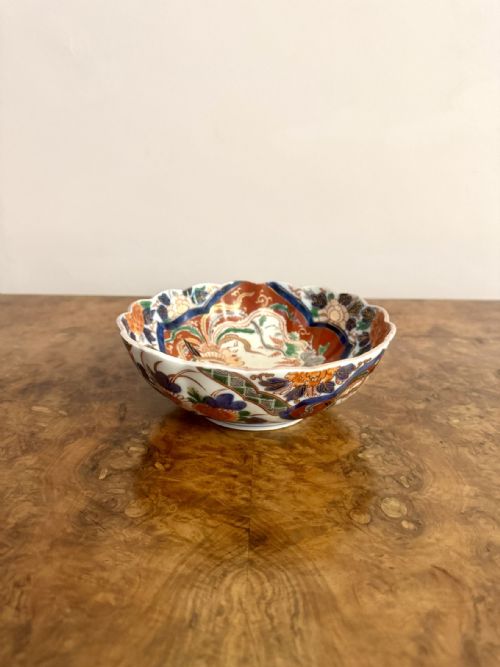
Arita Ceramic Ware
When you handle arita ceramic ware, you touch centuries of kiln tradition designed to bring form and painted decoration together in porcelain.
Arita Ceramic Ware
Arita ceramic ware comprises porcelain vessels and decorative objects originating from the Japanese town of Arita across several distinct historical periods. Buyers seeking these pieces encounter items ranging from seventeenth-century Edo period specimens to nineteenth-century Meiji examples and twentieth-century productions.
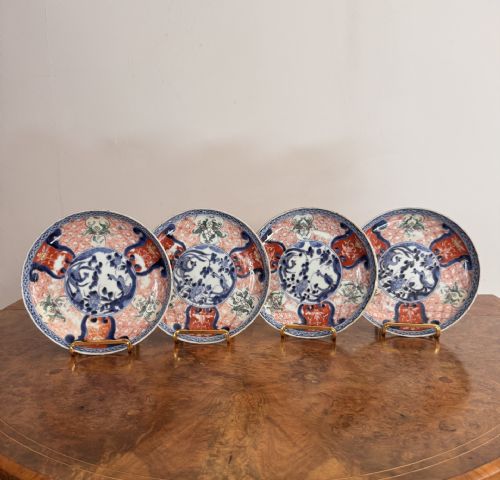
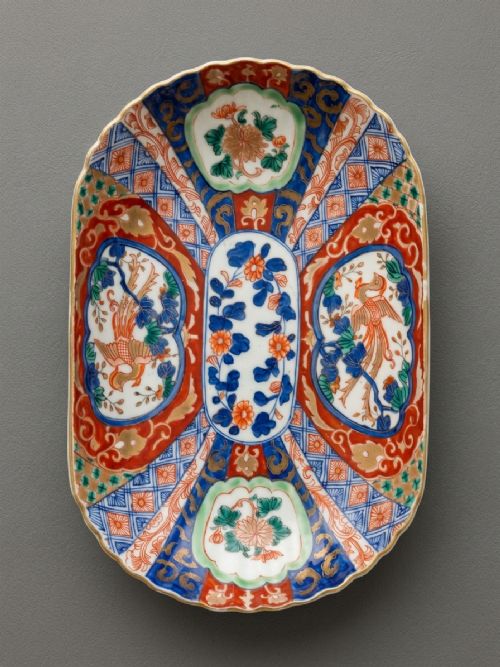
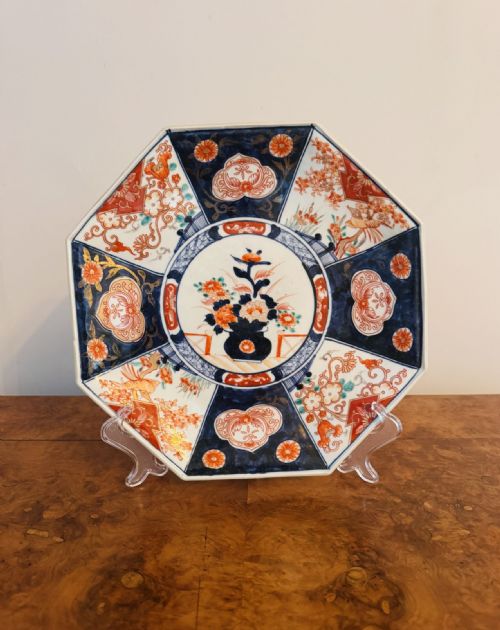
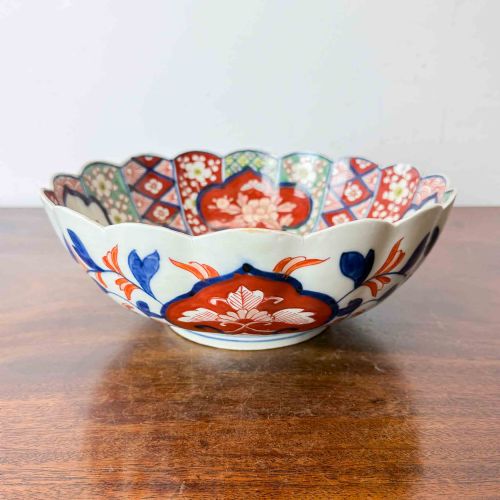
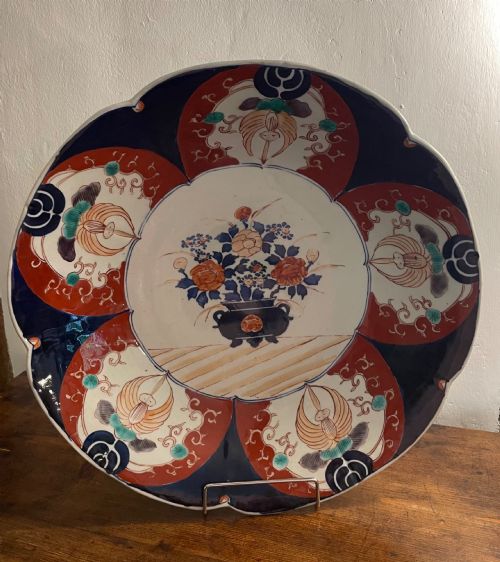
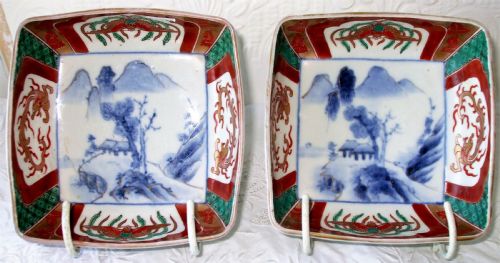
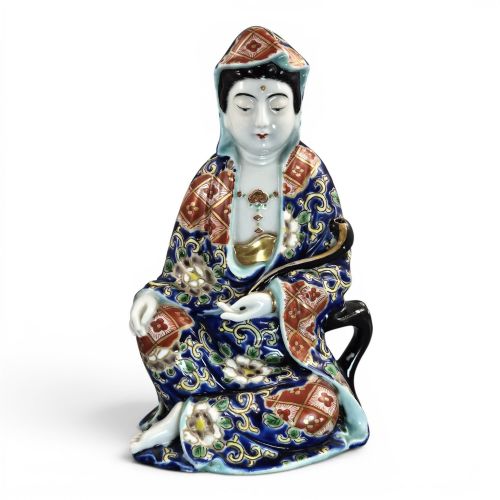
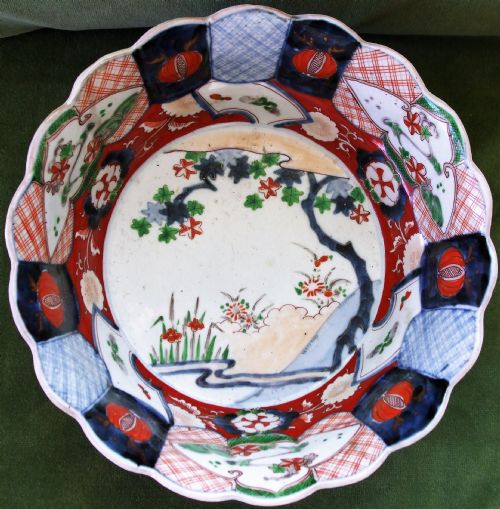
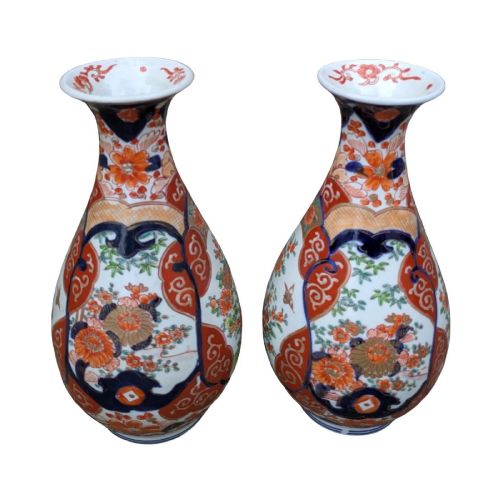
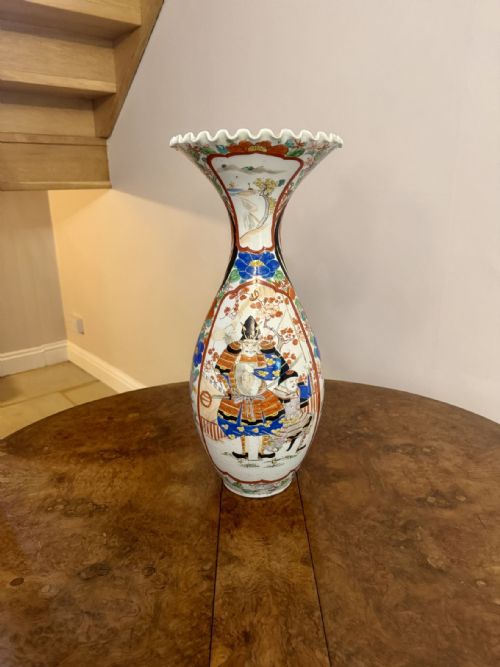
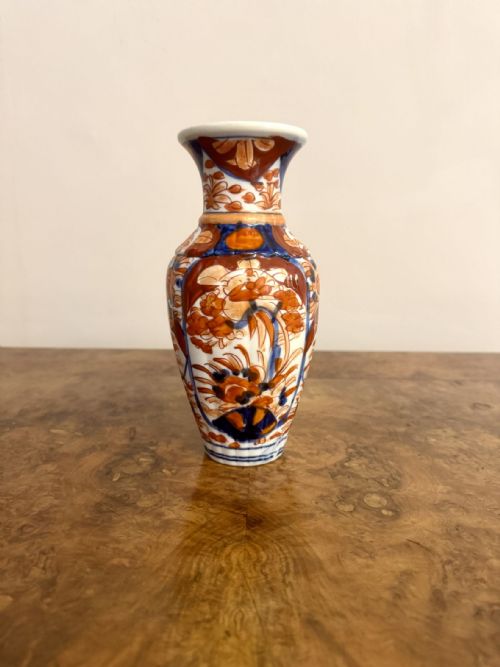
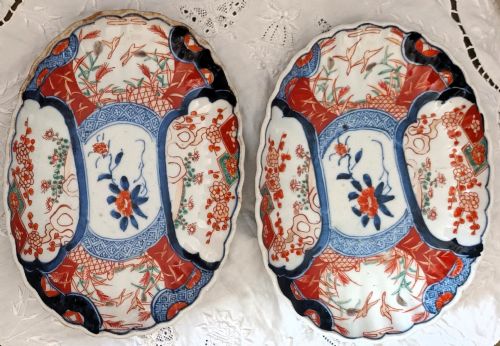
The selections on this page concentrate heavily on decorative plates, bowls, dishes, chargers, and vases decorated in the Japanese Imari style. Alongside these table and display pieces, collectors find specialised forms such as jardinières, clam shell dishes, fan-shaped plates, and ceramic figures.
Earlier pieces date back to the seventeen-hundreds under the Edo period, while the majority of the available inventory spans the late nineteenth and early twentieth centuries. This chronological spread allows buyers to choose between utilitarian vessels from foundational eras and highly decorative Meiji export pieces.
Materials and Techniques
Makers formed these objects using porcelain clay, shaping bowls, plates, and vases by hand or on the wheel before firing them in kilns. The resulting white ceramic body provided a smooth ground suited for detailed surface decoration.
Artisans applied pigment, enamel glaze, and occasionally gold leaf or gold gilt to the fired porcelain surface. Many pieces utilise the characteristic Imari palette, combining underglaze blue with contrasting overglaze enamel colours and metallic highlights.
Arita Ceramic Ware Retail Price Guide 2026
Typical asking prices for arita ceramic ware among the pieces listed under this phrase on Sellingantiques today, from the lower quarter to the upper quarter. They describe what is for sale here now, not the wider market.
Among the plates and vases, a solitary clam shell dish waits quietly to remind everyone that porcelain can mimic the ocean.
Judging Quality and Execution
The standard of a piece rests upon the crispness of the porcelain throwing, the symmetry of shaped edges such as scallops and hexagons, and the stability of the glaze. Master potters produced balanced forms that maintain their geometric integrity through high-temperature firings.
Painted decoration distinguishes everyday production from exceptional work, relying on steady brushwork in the floral, bird, and figural motifs. The integration of enamel glazes with gold leaf creates a layered visual depth that elevates the standing of an object.
The Arita Ceramic Ware Glossary
- Imari palette
- A decorative colour scheme utilising underglaze blue, iron red, and gold on a white porcelain ground. This style originated in Hizen province and took its name from the port of shipment.
- Edo period
- The period in Japanese history spanning from seventeen hundred to eighteen sixty-eight. Pieces from this era often display robust forms and foundational glazing techniques.
- Meiji period
- The era of Japanese history running from eighteen sixty-eight to nineteen twelve. Ceramics from this time frequently demonstrate intricate export decoration and varied vessel shapes.
- Jardiniere
- A large ornamental pot designed to hold a plant or floral arrangement. These substantial ceramic vessels provide a focal point within a room.
- Garniture
- A set of matching vases or vessels intended for symmetrical display on a mantelpiece or shelf. These matched groupings demonstrate uniform decorative schemes across multiple objects.
Arita Ceramic Ware: Frequently Asked Questions
How do I care for arita ceramic ware?
Wash porcelain pieces gently by hand using lukewarm water and mild soap when cleaning is necessary. Avoid abrasive sponges or harsh detergents that might damage overglaze enamels and gold leaf.
Keep decorative plates and vases away from direct sunlight and areas subject to sudden temperature shifts. Stable indoor environments protect the ceramic body and surface pigments from unnecessary wear.
What is the difference between Edo and Meiji pieces?
Edo period items date from earlier centuries and typically feature simpler, structural forms with traditional kiln characteristics. These pieces reflect the foundational output of the Arita kilns.
Meiji period items belong to the late nineteenth and early twentieth centuries, aligning with an era of increased international export. They frequently showcase elaborate hand-painted floral and bird designs across varied shapes.
How were these pieces used historically?
Many items functioned as tableware or display dishes in Japanese households and international trade markets. Scallop edge bowls, plates, and chargers served functional dining roles while simultaneously acting as interior decoration.
Vases and garnitures were placed on furniture or architectural ledges to enrich interior spaces. Figural ceramics and specialised dishes added narrative elements to domestic collections.
Can I use these bowls for serving food?
While historic bowls and dishes were originally created for domestic use, antique porcelain requires careful handling today. Assessing the age and surface condition of each individual vessel helps determine its suitability for modern dining.
Many collectors prefer to exhibit antique porcelain as decorative art rather than putting historical pieces into daily service. This preserves the enamel glazes and gold gilt from potential scratching.