
Architectural Wall Salvage
Architectural wall salvage brings historic fragments into modern interiors, offering tangible pieces of past craftsmanship through panels, corbels and pediments.
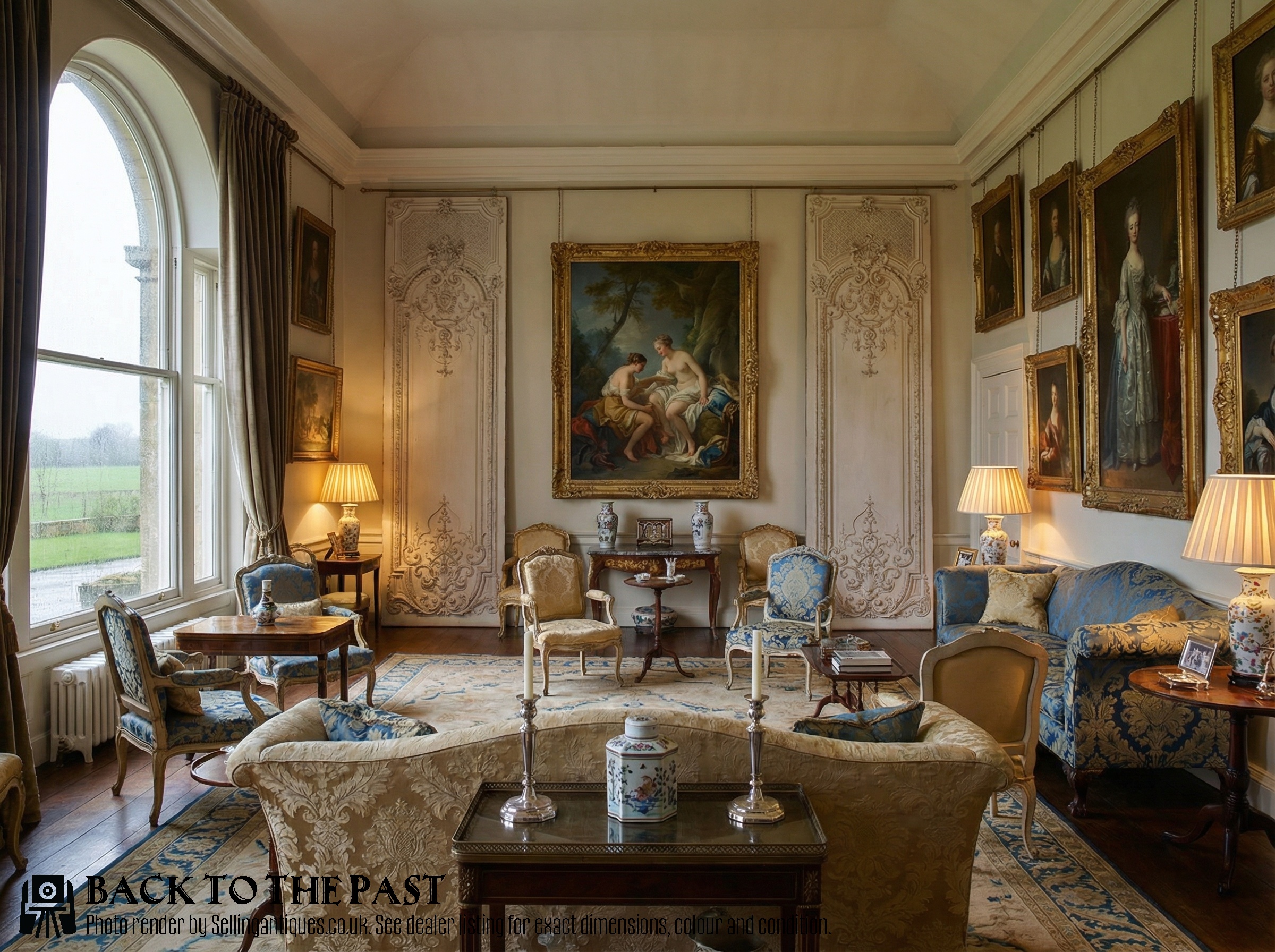
Architectural Wall Salvage
Architectural wall salvage encompasses decorative and structural elements rescued from historic buildings, spanning the sixteenth century through the Edwardian period. Buyers seek these items to introduce historic character, texture and depth to interior walls through authentic period forms.
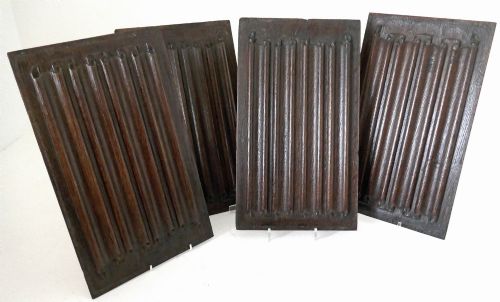
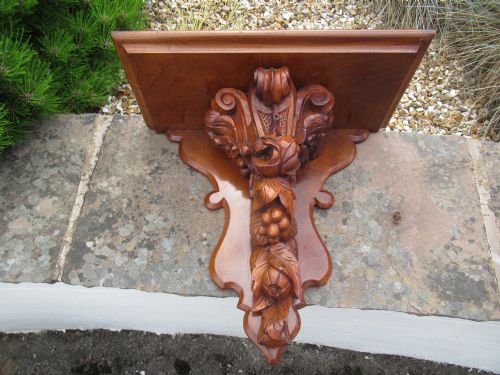
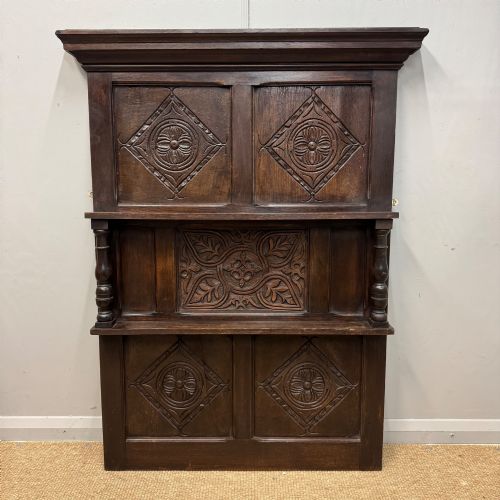
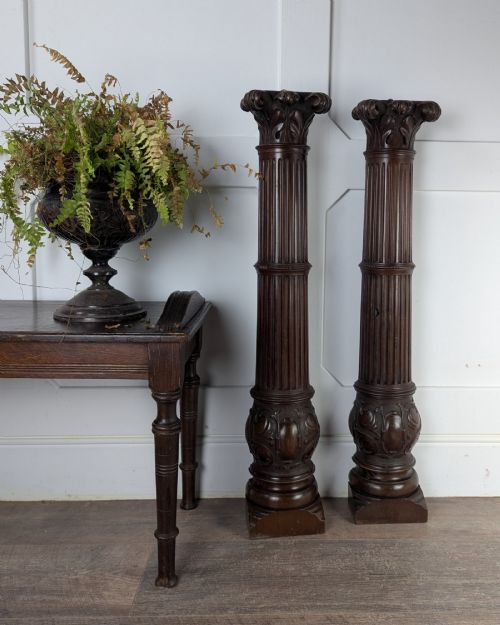
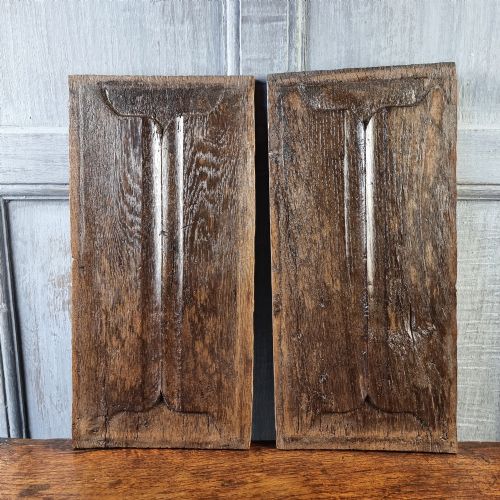
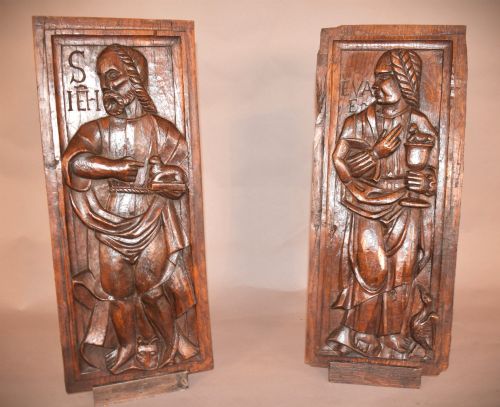
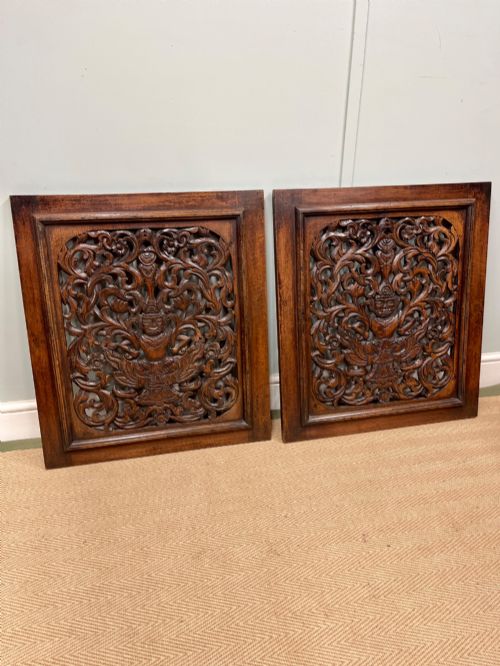
The selections available here lean heavily towards carved wooden panels, overmantels, brackets and pediments from the seventeenth, eighteenth and nineteenth centuries. Oak and pine dominate the wooden formats, often displaying traditional linenfold motifs or intricate foliage carvings.
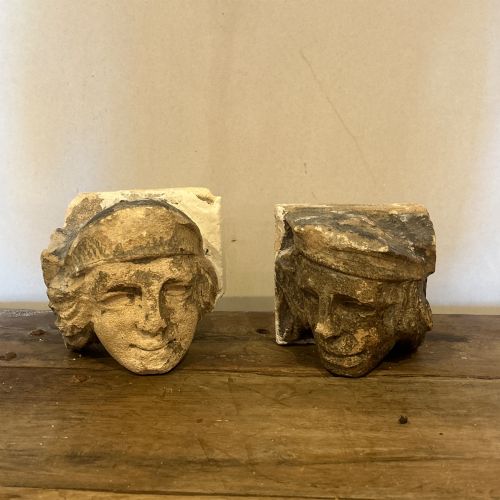
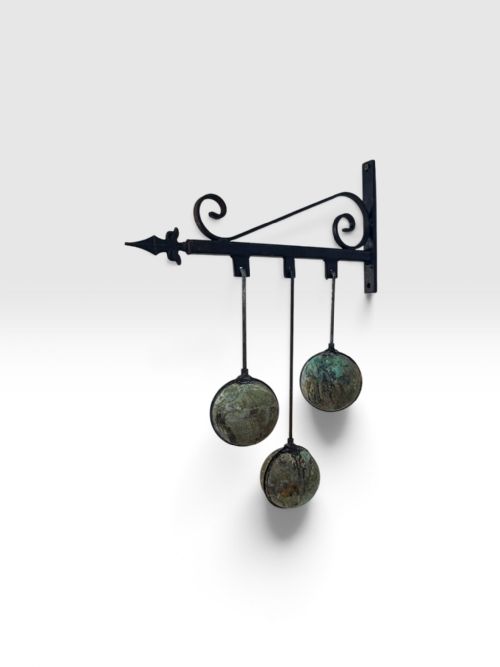
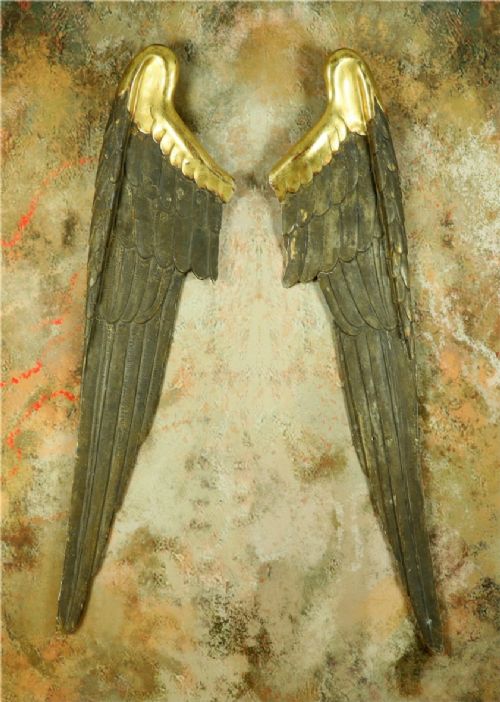
Beyond timber, the category includes limestone corbels, wrought iron scroll panels, cast iron plaques and gilt gesso angel wings. These varied objects originate from English, French, Italian and Oriental buildings, reflecting diverse regional aesthetics and architectural traditions.
Materials and construction methods
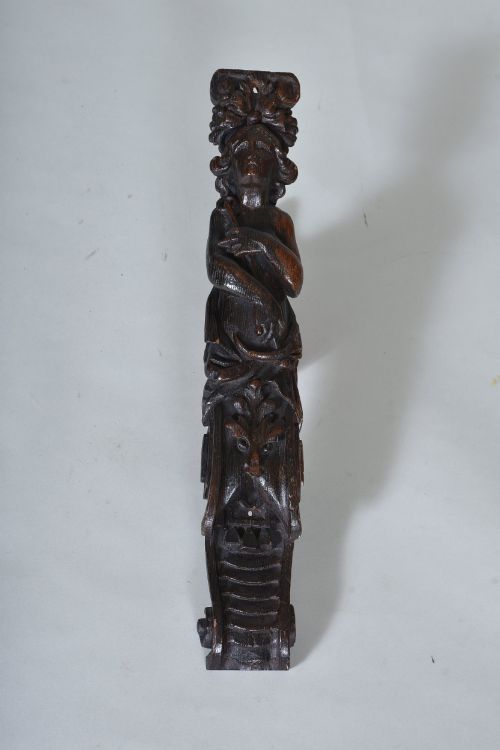
Makers shaped these architectural elements primarily from solid timbers like oak, walnut, mahogany and pine, employing traditional hand-carving techniques. Craftsmen utilised gouges and chisels to create deep relief carvings on panels, ceiling roses and overdoor pediments.
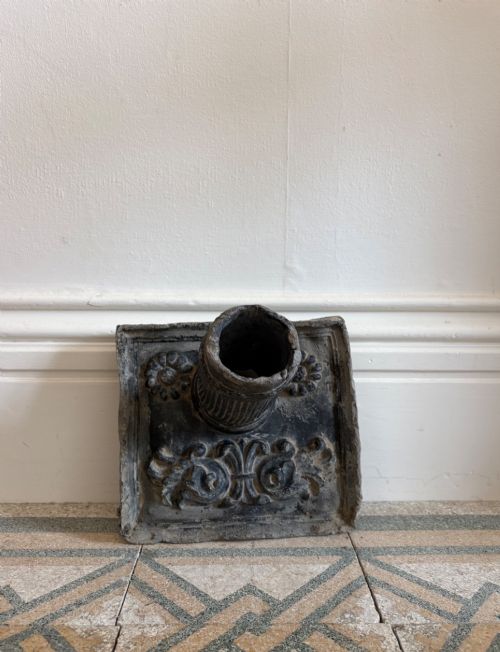
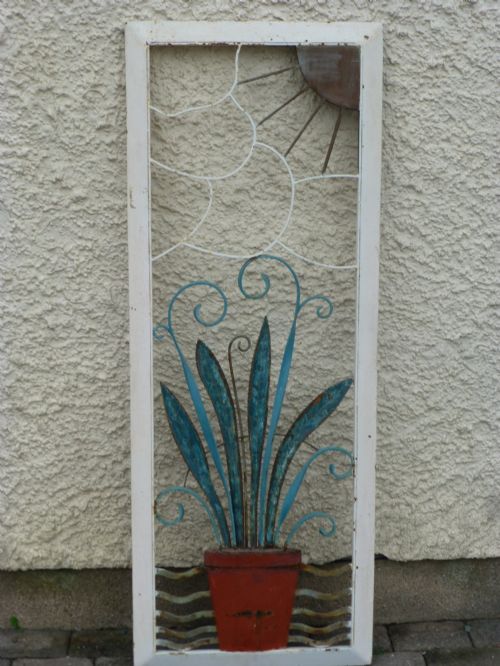
Metal components rely on hand-forged wrought iron and cast iron, sometimes enhanced with gold leaf, gesso or polychrome paint finishes. Limestone and lead also appear in structural items like corbels and fountain heads, shaped through stone masonry and casting.
Listings feature timbers including oak, walnut, mahogany and pine across periods from the sixteenth century to the Edwardian era.
Assessing quality in salvaged elements
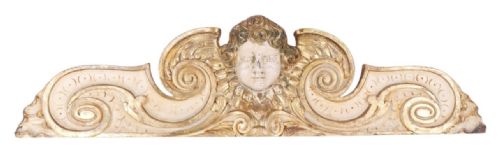
Quality in these pieces rests upon the crispness and depth of the hand-carved detail, distinguishing master craftsmanship from straightforward production work. Finer examples exhibit fluid lines, anatomical precision in figural carvings like putti or cherubs, and well-balanced proportions.
The integrity of the original material and surface finish dictates upper-tier status. Pieces retaining untouched historic patinas, original polychrome paint or authentic gilding command greater regard than stripped or heavily restored alternatives.
Raymond Subes·Thomas Chippendale
The Architectural Wall Salvage Glossary
- Linenfold
- A style of wood carving representing folded linen, frequently seen on sixteenth-century panels. This motif provides a distinctive textile-like texture to flat wooden surfaces.
- Corbel
- A structural stone or timber bracket projecting from a wall to support a weight. Medieval and later examples often feature detailed figural or botanical carvings.
- Overmantel
- A decorative panel, mirror or painting placed directly above a fireplace mantelpiece. These wooden architectural fixtures often anchor the decorative scheme of a historic room.
- Gesso
- A plaster-like mixture applied as a surface preparation for painting or gilding on wood. It provides a smooth base for gold leaf application on decorative architectural elements.
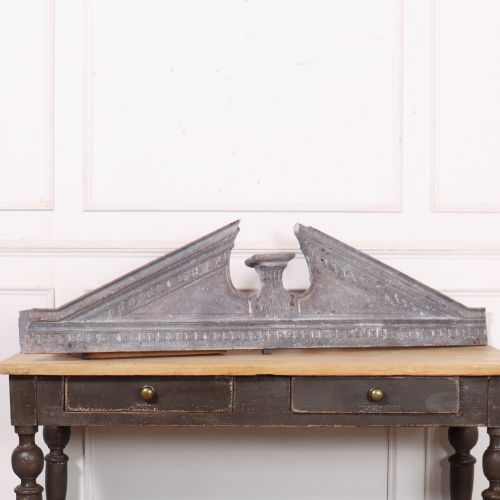
- Pediment
- A triangular or curved architectural crown used above doors, windows or overmantels. Salvaged examples bring grand classical proportions to interior wall spaces.
Architectural Wall Salvage: Frequently Asked Questions
How do I hang heavy architectural wall salvage safely?
Heavy items such as cast iron plaques or large timber overmantels require secure fixing directly into wall studs or masonry using appropriate heavy-duty brackets. Professional installation is strongly recommended to support the substantial weight of stone and solid wood pieces.
Ensure the hanging hardware matches the weight capacity of the specific salvage piece. Distributing the load evenly across multiple fixing points protects both the wall structure and the antique.
Can exterior architectural salvage be used indoors?
Many items designed for outdoor use, such as wrought iron scroll panels or limestone corbels, transition successfully into interior spaces. Their weather-resistant materials adapt well to indoor climates when properly cleaned.
Using exterior salvage inside adds contrasting texture and architectural gravity to modern rooms. Interior placement also protects fragile painted or gilded surfaces from further weathering.
How should I clean historic wood and iron salvage?
Cleaning historic wood requires a soft brush to remove dust, followed by a gentle application of appropriate wax to nourish the dry timber. Avoid harsh liquid cleaners that can strip original patinas or damage aged finishes.
Wrought and cast iron items benefit from careful dusting and occasional light oiling to prevent active oxidation. Preserving the accumulated surface history is vital for maintaining the authenticity of the piece.
How can I date an antique carved wooden panel?
Dating relies on examining the tool marks left by makers, the wood species used, and the specific stylistic motifs present. Sixteenth-century panels often display hand-split oak with linenfold carving, while later periods introduced softer pines and more exuberant baroque foliage.
Joint construction methods and backboard characteristics also offer clues to the age of the woodwork. Comparing the piece to documented regional styles helps narrow down the century of production.