


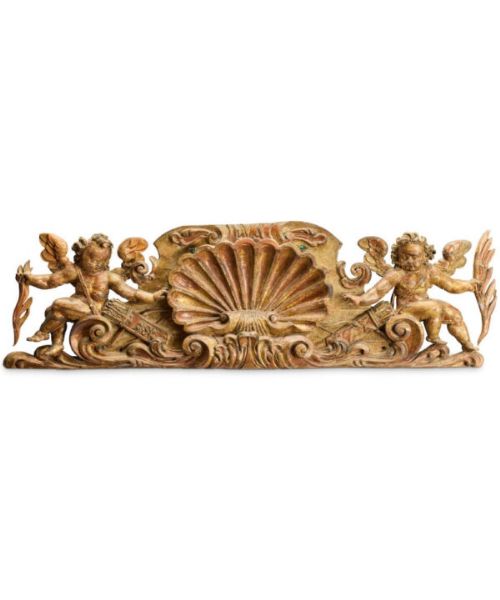

Architectural Timber Relief
An architectural timber relief brings structural depth to a wall, taking the form of panels and carvings shaped by centuries of hand work.
Architectural Timber Relief
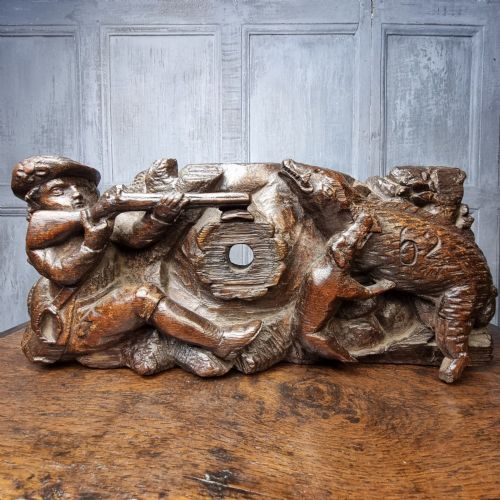
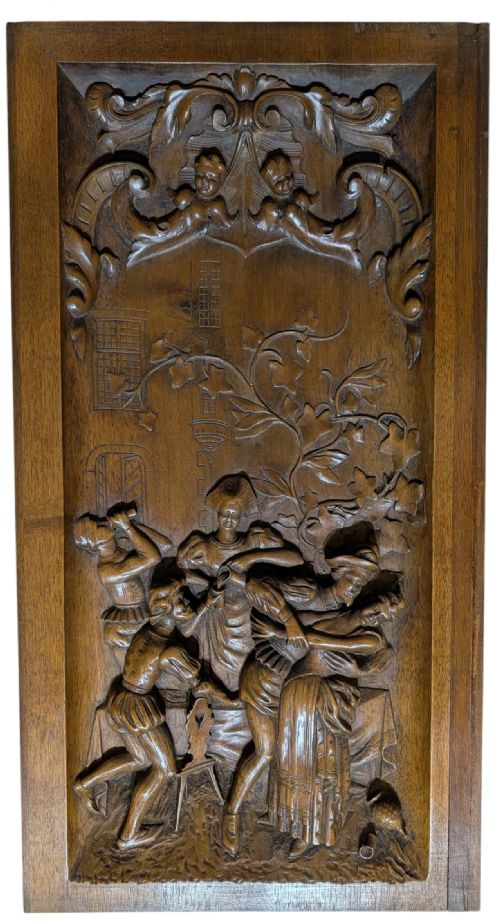
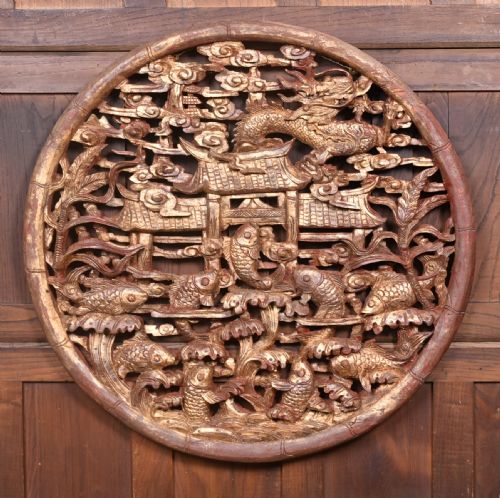
When you search for architectural timber relief, you encounter fragments of historic buildings fashioned into wall panels, plaques, and sculptures. These works originate primarily from the sixteenth through the nineteenth centuries, spanning English, continental European, and Asian workshops.
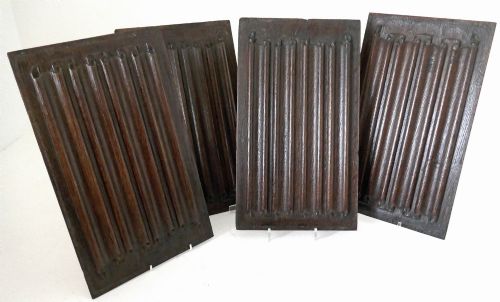
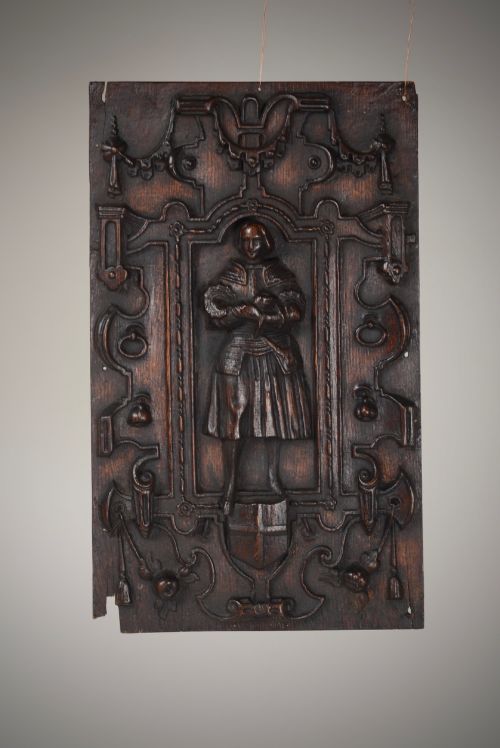
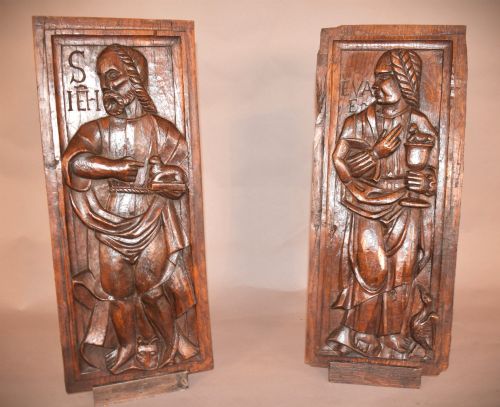
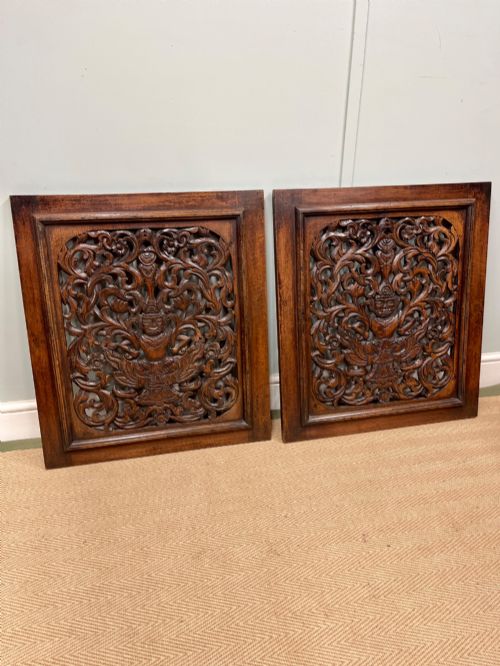
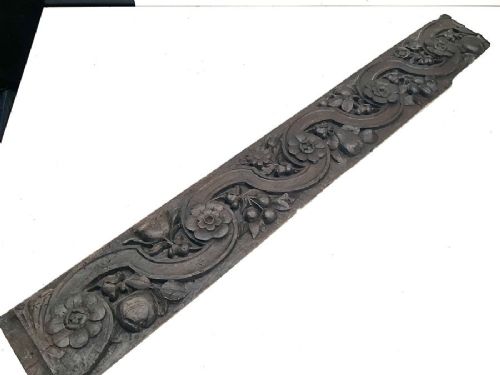
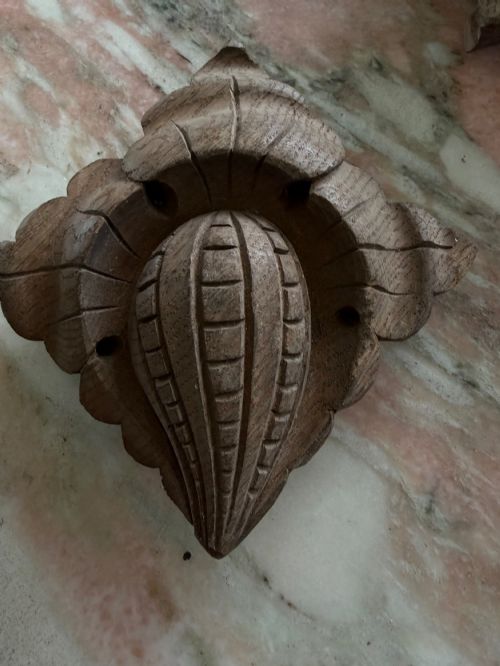
The objects most frequently met on this page are oak and walnut panels carved with linenfold motifs, figural scenes, or botanical scrollwork. They take the form of overdoor elements, ceiling bosses, friezes, and staircase panels salvaged from period interiors.
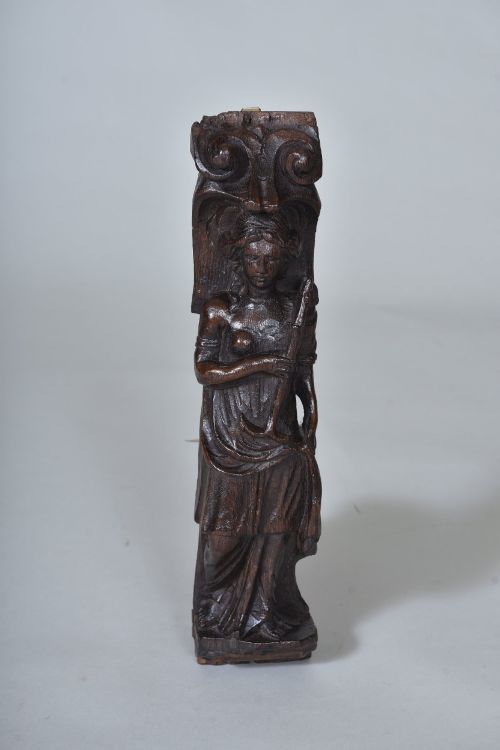
Beyond standard panels, the selection includes specialised architectural fragments such as corbels, herms, and pediments. These items served structural or decorative roles in historic spaces before entering the antique market as wall art.
How they were made
Carpenters and carvers shaped these pieces using native hardwoods such as oak, walnut, limewood, and chestnut, working primarily with hand chisels and gouges. The timber was seasoned, planed, and carved directly in relief, often utilising mortise and tenon construction for panel assemblies.
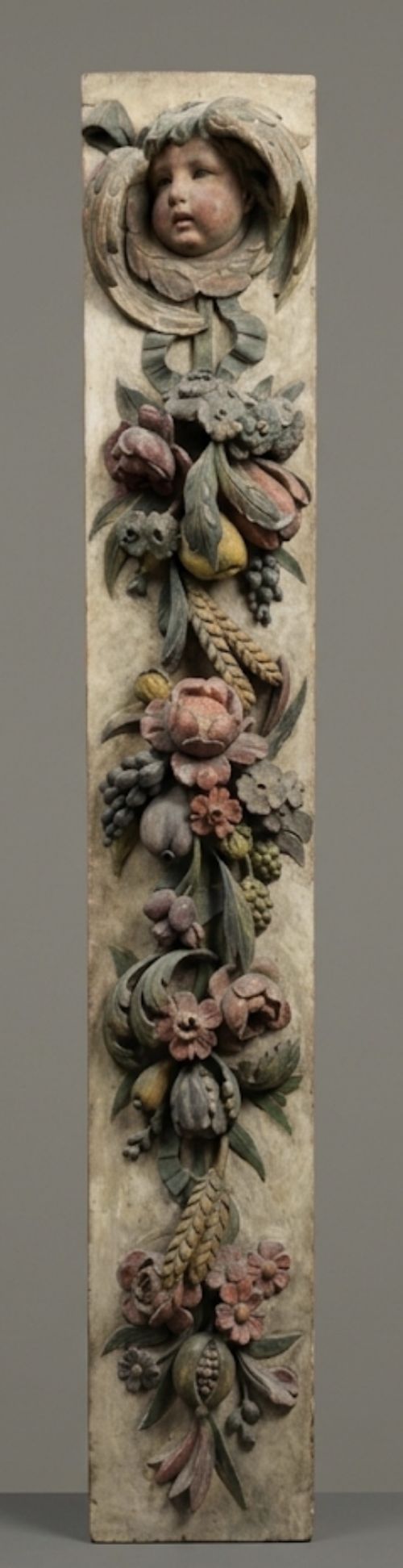
Surface treatments varied according to period and region, ranging from waxed natural grain to polychrome pigment, gesso, and parcel gilt highlights. Pierced carving techniques removed background wood entirely to create openwork motifs like acanthus leaves and interlaced scrollwork.
A stoic Roman helmet shares wall space with a cheerful eighteenth-century cherub.
What varies in quality
The standard of a carved relief rests upon the depth of the undercutting and the confidence of the chisel work. Master carvers achieved anatomical and botanical precision that lesser hands rendered stiffly.
Proportion and symmetry separate routine architectural salvage from exceptional examples. Pieces designed by named architectural hands display harmonious composition across friezes and overdoor panels.
Edward Pearce·Grinling Gibbons·Hugues Sambin
The Architectural Timber Relief Glossary
- Linenfold
- A style of wood carving representing folded cloth, popular on sixteenth-century panels. This motif mimics stiffly pleated fabric arranged in vertical rows.
- Corbel
- A structural piece of stone or timber projecting from a wall to support a weight. In wood, these often take figural or scroll-cut forms.
- Ceiling Boss
- A decorative projecting block placed at the intersection of ribs in a ceiling. These carved wooden discs often display floral or heraldic designs.
- Herm
- A carved bust or upper half of a figure growing out of a pillar or pier. These architectural supports derive from classical antiquity.
- Acanthus
- A carved ornamentation imitating the leaves of the acanthus plant. This motif forms the basis of classical scrollwork and baroque relief panels.
Architectural Timber Relief: Frequently Asked Questions
How do I hang a heavy wooden panel?
Heavy timber carvings require secure fixings anchored directly into wall studs or masonry using appropriate metal brackets. Weight distribution must be calculated carefully to protect both the wall and the antique.
Professional installation is recommended for large overdoor panels and architectural friezes. Ensure the hanging hardware engages with the solid timber frame rather than non-structural applied elements.
How do I clean historic carved wood?
Dust carved timber gently using a soft, dry bristle brush to clear debris from deep recesses without disturbing the surface. Avoid liquid cleaners and chemical polishes that soften ancient wax or damage historic finishes.
Maintain stable indoor humidity to prevent the timber from splitting or warping over time. Occasional application of a microcrystalline wax preserves bare oak and walnut surfaces safely.
What is a Green Man panel?
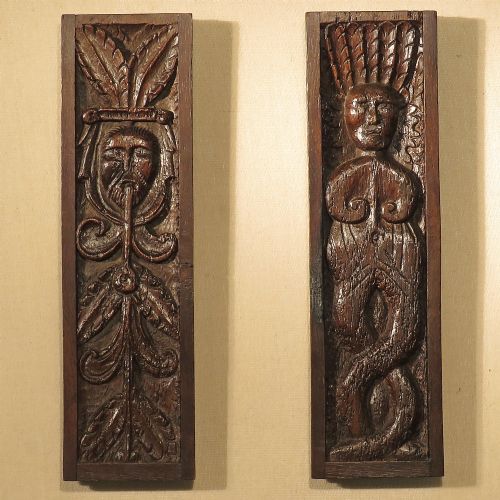
A Green Man panel depicts a human face surrounded by or sprouting from foliage, vines, or branches. This ancient motif appears frequently in medieval and Tudor architectural woodwork.
The imagery symbolises rebirth and the cycle of growth in nature. Carvers rendered these faces peering out from oak leaves across church screens and domestic wall panels.
How are seventeenth-century panels identified?
Seventeenth-century panels display distinct tool marks, pegged joinery, and patination developed over hundreds of years. Oak and walnut from this era show deep oxidation and grain shrinkage consistent with age.
Stylistic clues include strapwork, geometric moulding, and low-relief carving executed with early hand chisels. Comparing joint construction helps confirm the period of manufacture.