



Architectural Stone Garden Ornaments
Architectural stone garden ornaments bring weight and history to an outdoor space through carved granite, sandstone, and limestone.
Architectural Stone Garden Ornaments
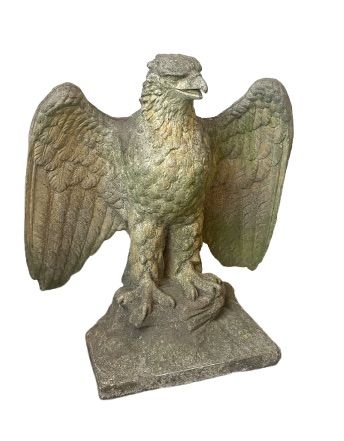
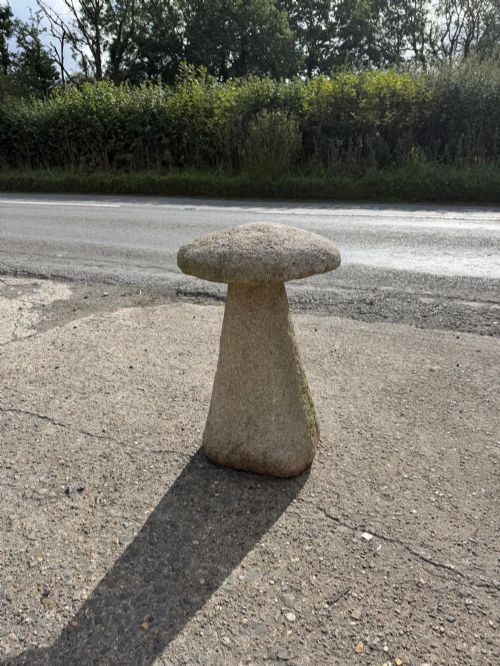
Architectural stone garden ornaments encompass salvaged fragments, staddle stones, mill stones, and statues spanning centuries of English garden design. Buyers encounter sturdy Cornish granite staddle stones, limestone pinnacles, and sandstone fragments rooted in rural and estate traditions.
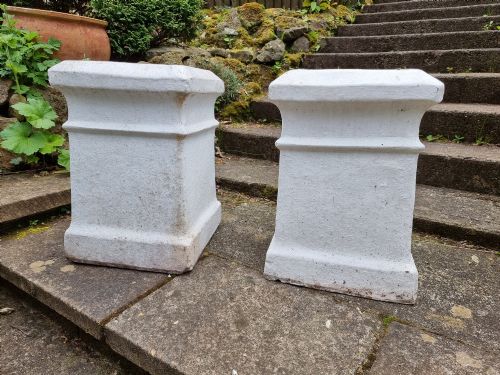
The selection ranges from utilitarian agricultural items like grindstones to decorative Victorian terracotta lions and Edwardian funerary altars. Pieces vary widely in scale, from single keystones to imposing pairs of gate guardians.
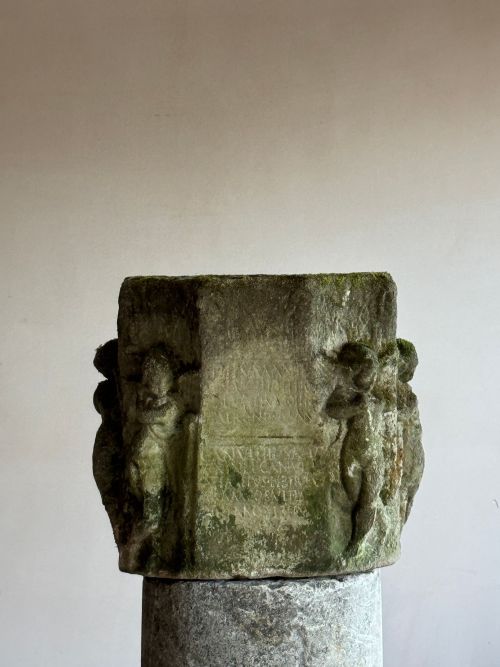
Originating largely from 18th and 19th-century domestic and ecclesiastical settings, these items carry genuine weathering including moss and lichen growth. They serve as focal points, plinths, or structural salvaged elements within modern and traditional gardens.
How they were made
Stonemasons shaped hard materials like sandstone, granite, and York stone using traditional hand tools to create architectural details and staddle stones. Later pieces utilise cast stone and reconstituted stone poured into moulds to replicate carved textures.
Natural weathering over decades or centuries interacts with the porous stone surfaces, allowing moss and lichen to establish distinctive patinas. Terracotta components were hand-pressed or moulded before firing in kilns to achieve durable garden ornaments.
Architectural Stone Garden Ornaments Retail Price Guide 2026
Typical asking prices for architectural stone garden ornaments among the pieces listed under this phrase on Sellingantiques today, from the lower quarter to the upper quarter. They describe what is for sale here now, not the wider market.
Several items retain their original agricultural purpose, meaning your new garden ornament once supported a granary floor or ground corn.
What varies in quality
Quality rests in the crispness of the original hand-carving and the integrity of the material against frost damage. Pieces originating from significant structures, such as cathedral fragments, carry greater historical resonance than standard yard items.
The degree of natural weathering and the intactness of original edges distinguish superior examples from heavily eroded stock. Proportion and balance in sculptural figures like lions and finials dictate the visual presence in the garden.
The Architectural Stone Garden Ornaments Glossary
- Staddle stone
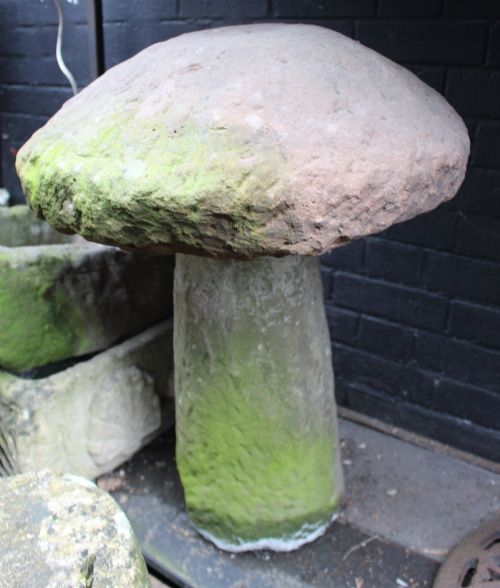
- A traditional mushroom-shaped stone support once used to elevate granaries above damp ground and pests. They feature a distinct cap and base, commonly hewn from Cornish granite or sandstone.
- Reconstituted stone
- A manufactured material composed of crushed stone aggregate mixed with a binder to imitate natural carved stone. It appears frequently in Edwardian and mid-century garden statuary.
- Keystone
- The central wedge-shaped stone at the apex of an arch that locks the other pieces in place. Dated examples often bear inscriptions or heraldic carvings.
- Boot scraper
- A small iron or stone fixture placed near doorways for cleaning mud from footwear. They represent domestic architectural salvage from the Georgian and Victorian eras.
- Pinnacle
- A relatively small architectural ornament that rises above a roof, buttress, or wall. Early examples exhibit intricate Gothic Revival stonework.
Architectural Stone Garden Ornaments: Frequently Asked Questions
How do I place heavy stone ornaments?
Heavy staddle stones and statues require a stable, level foundation of compacted hardcore or paving slabs to prevent sinking into soil.
Position larger pieces using appropriate lifting equipment, as granite and sandstone components carry substantial weight.
Can I leave sandstone outside in winter?
Natural sandstone and granite generally withstand outdoor winter conditions well, provided drainage beneath the piece remains clear.
Pieces with existing deep cracks or porous cast stone benefit from being kept clear of standing water during freezing periods.
How do I clean moss off garden stone?
Light brushing with a soft bristle brush removes loose debris while preserving the historic patina of moss and lichen.
Avoid harsh pressure washing or chemical treatments that can strip the weathered surface and erode softer limestones.
What is a staddle stone used for today?
Staddle stones function as striking focal points, garden pedestals, or low seating elements on lawns and paved terraces.
Their distinct mushroom profile provides an immediate sense of rural heritage and architectural structure.