



Architectural Cityscape Artwork
Architectural cityscape artwork captures the stone and street life of European capitals and canals through the brush of past centuries.
Architectural Cityscape Artwork
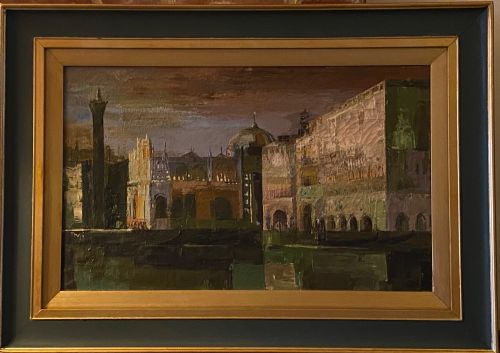
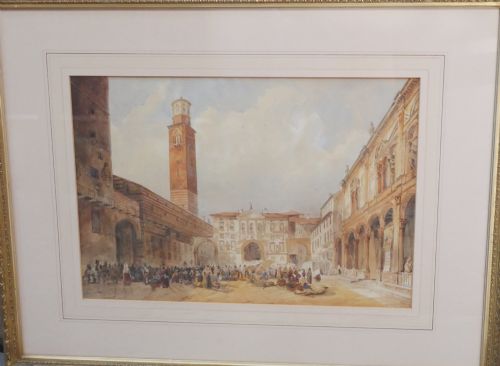
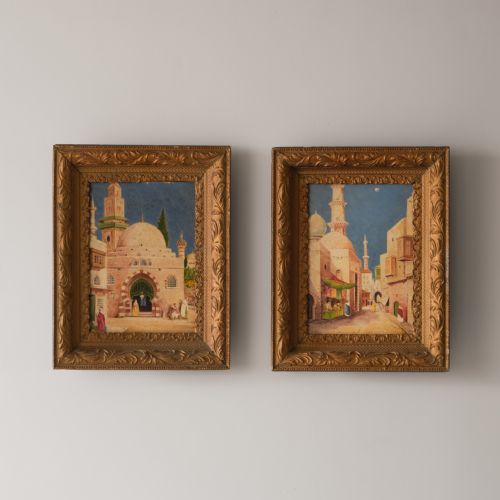
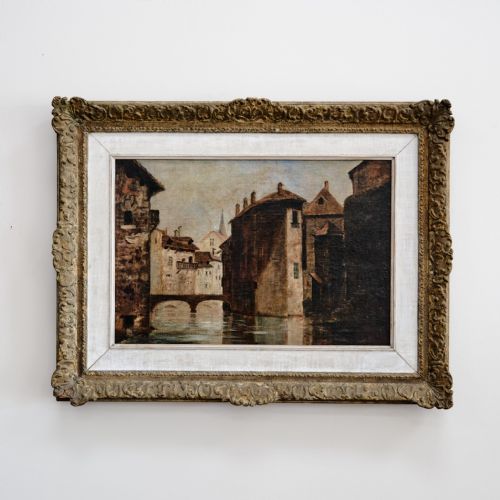
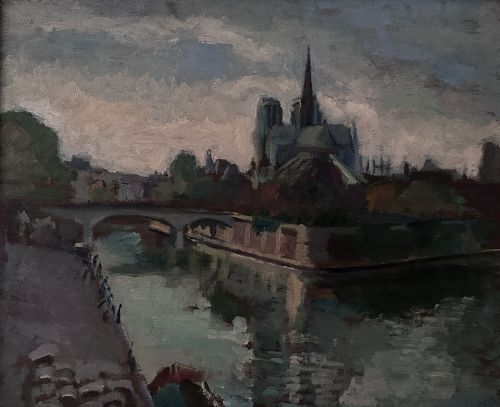
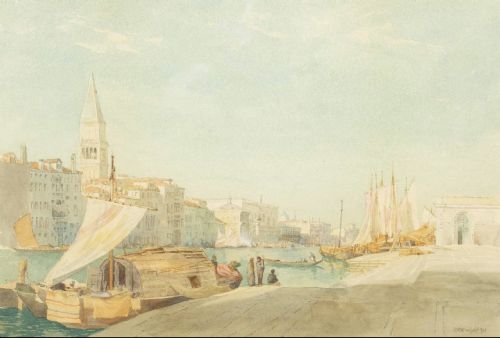
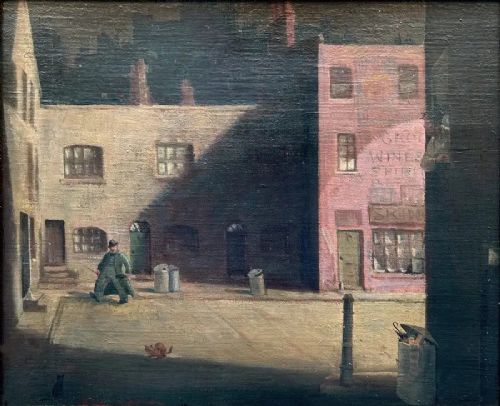
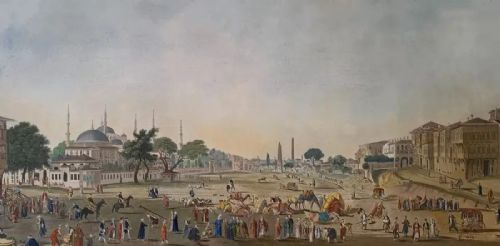
These pieces focus on urban views, cathedrals, bridges, and markets across European locations such as Venice, Paris, London, and Prague. Architectural cityscape artwork records the built environment through oil paintings, watercolours, and mixed media on canvas or paper.
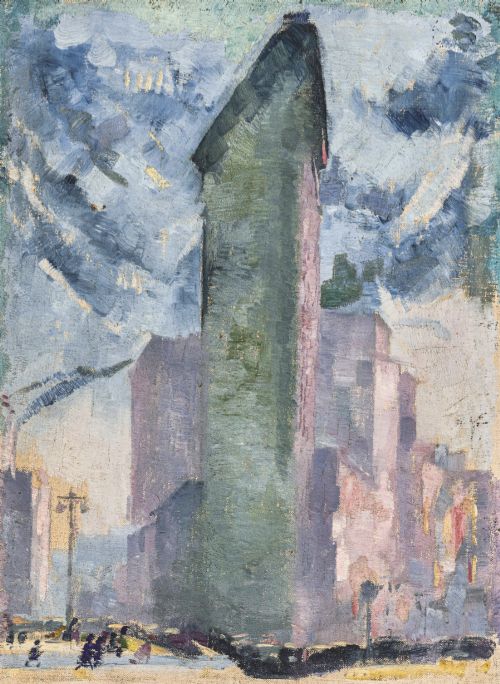
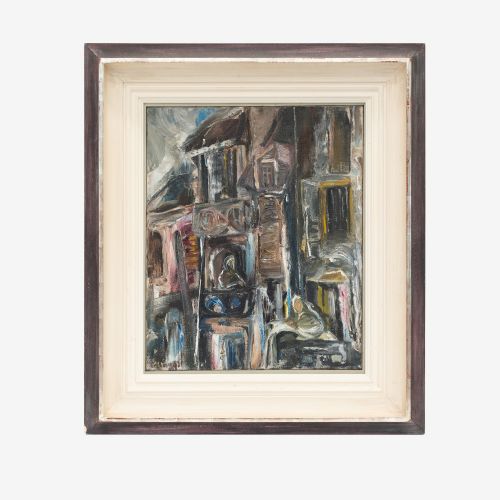
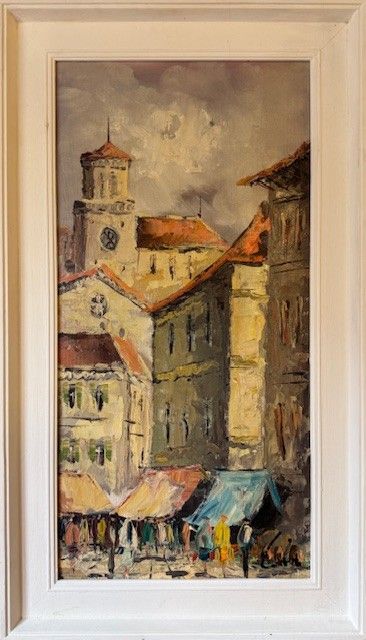
The selection on this page relies heavily on nineteenth-century academic works and early-to-mid twentieth-century modernist interpretations. Buyers encounter depictions ranging from detailed Victorian watercolours to mid-century impressionist and expressionist street scenes.
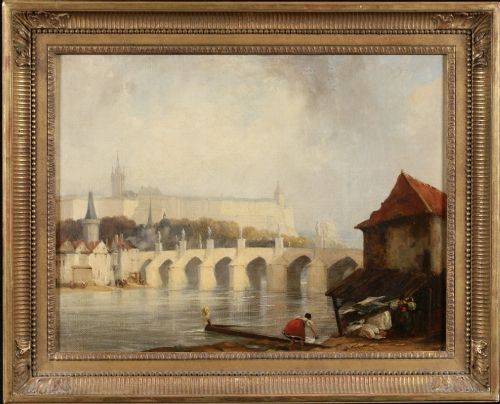
Geographical subjects lean towards historic Italian canals, French squares, and British thoroughfares. The compositions balance structural precision with the atmospheric bustle of figures moving through civic spaces.
Materials and Construction
Makers apply oil paint and watercolour across canvas, wood panels, paper, and board as the primary supports. Oil on canvas allows for textured impasto layers that build up stone facades, while watercolours rely on fluid washes on paper to capture light on water.
Giltwood frames frequently enclose these works, providing a traditional border that complements the period of the painting. Mixed media applications and pastel on paper also appear to render specific atmospheric conditions in urban environments.
Formats range from panoramic canvases of the River Seine to intimate pencil drawings of continental buildings.
Evaluating Quality
Superior works demonstrate a rigorous command of perspective and scale when rendering complex architectural elements like cathedrals and bridges. Lesser examples often falter in the structural geometry of buildings and the proportion of figures within the street scene.
The handling of light and atmosphere distinguishes masterly compositions from routine topographical records. Stronger paintings use colour and brushwork to evoke the climate and time of day rather than merely mapping a street plan.
Richard Henry Wright·Francisco Sancha·Alfred Wolmark·Lilian Colbourn·Victor Gabriel Gilbert·Charles James Lauder·Ron Folland·Cornelis Christian Dommersen·Frederick Tully Lott·Lewis J Wood·Vittore Zanetti Zilla·Jack Merriott
The Architectural Cityscape Artwork Glossary
- Impasto
- Paint applied thickly to a canvas, standing out from the surface to give texture to stone buildings and clouds. This technique adds physical depth to the urban view.
- Giltwood
- Wood carved and covered with a thin layer of gold leaf, commonly used for period picture frames. It enhances the visual weight of the artwork.
- Watercolour
- A paint consisting of pigment suspended in a water-based solution, typically applied to paper. It offers translucent washes ideal for skies and waterways.
- Post-Impressionism
- An art style developing from impressionism that focuses on symbolic motifs and distinct colour choices rather than pure optical realism. Works in this style emphasise structural forms in the cityscape.
- Etching
- A printmaking process where lines are incised into a metal plate with acid before taking an ink impression on paper. This method produces fine, precise architectural details.
Architectural Cityscape Artwork: Frequently Asked Questions
What periods do these artworks cover?
The inventory spans from the nineteenth century through the mid-twentieth century, capturing Victorian, Edwardian, and mid-century aesthetic shifts.
Most pieces reflect the artistic conventions of their specific decade, ranging from strict topographical watercolours to expressive modernism.
How should I frame an unframed piece?
Select a frame that aligns with the historical period of the artwork, such as a traditional giltwood moulding for nineteenth-century oils.
Ensure the glazing on works on paper leaves adequate space between the glass and the surface to prevent moisture damage.
Where were most of these scenes painted?
Subjects concentrate heavily on major European urban centres, with Venice, Paris, London, and Prague appearing frequently.
Artists often travelled to these locations during the nineteenth and twentieth centuries to record historic architecture and bustling civic squares.
How do I distinguish watercolours from oil paintings?
Watercolours are executed on paper under glass, showing translucent washes and the texture of the underlying sheet.
Oil paintings utilise heavier pigments on canvas or board, often featuring visible brushstrokes or raised impasto textures.