





Arched Top Glazed Cabinet
An arched top glazed cabinet offers refined display space, combining curved woodwork with clear glass doors to house books and prized objects.
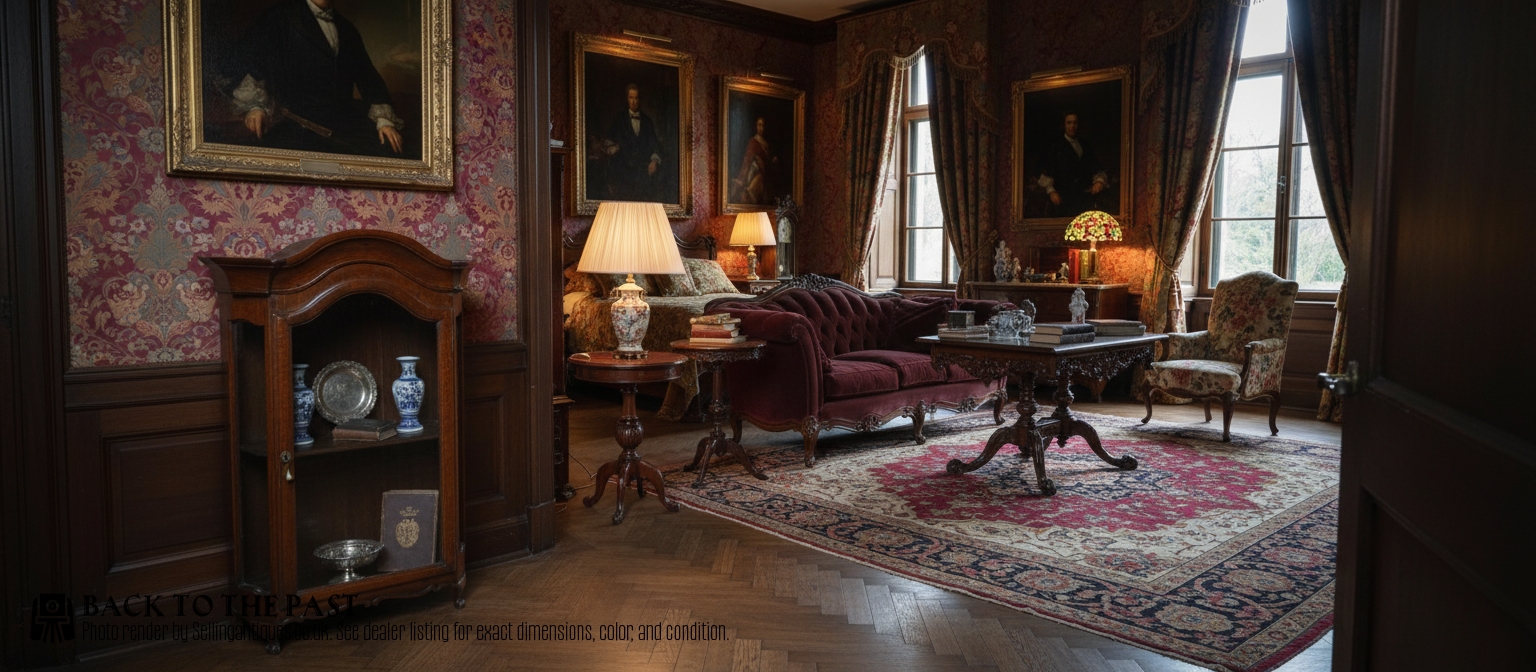
Arched Top Glazed Cabinet
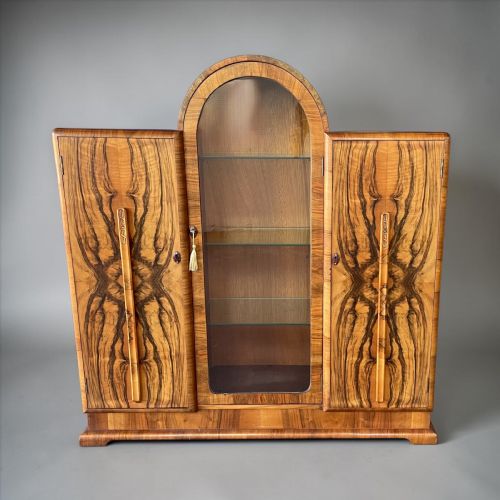
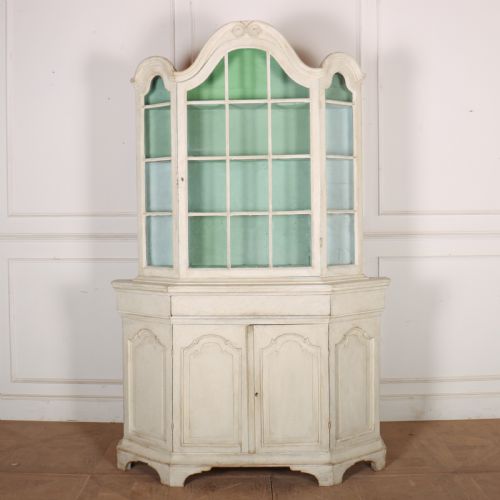
An arched top glazed cabinet is a storage and display piece defined by its curved upper frame and glass fronted doors. You will frequently encounter corner cabinets, freestanding display cabinets, and bookcases spanning several periods.
The selection ranges from eighteenth century Dutch painted vitrines and walnut cupboards to later Art Deco designs and twentieth century oak bookcases. Regional variations such as French provincial armoires and English Regency pieces also appear.
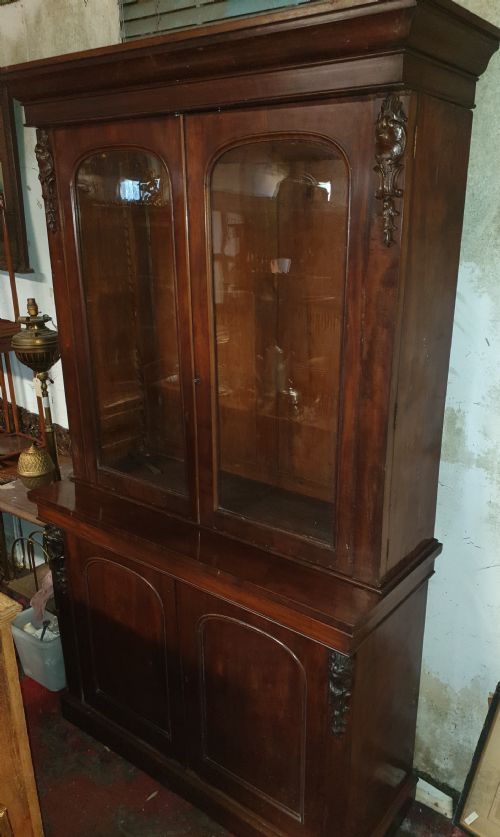
Most examples function as vitrines or bookcases, designed to keep dust away from contents while offering clear visibility. Formats vary from tall two part bookcases on stands to compact table top display cabinets and corner cupboards.
How they were made
Cabinet makers utilised sturdy timbers including walnut, burr walnut, mahogany, oak, and pine, often enhancing plain surfaces with decorative marquetry or painted finishes. Metal hardware such as brass handles and hinges secured doors and drawers.
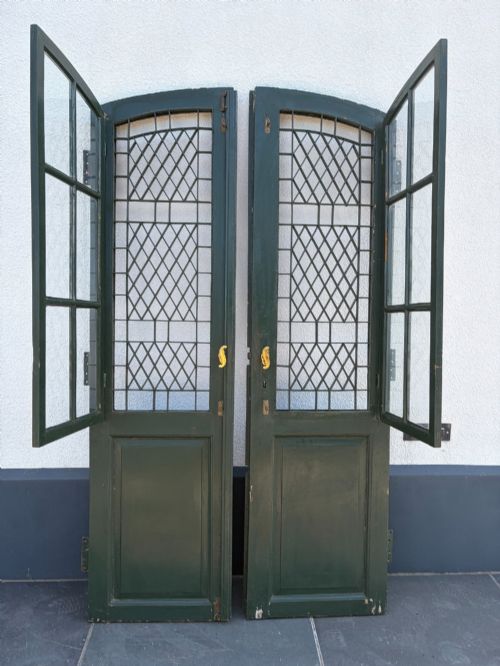
Glass panes were set into wooden frames to form the distinctive glazed doors, allowing light to enter the interior shelving space. The arched top required skilled carpentry to curve the upper wooden moulding precisely.
Some miniature table top cabinets were built just big enough to hold a tea service and gossip.
What varies in quality
Quality rests upon the selection of timber veneers, such as figured burr walnut or rich mahogany, and the precision of the marquetry inlay. Superior construction shows in the seamless joining of the curved arch and the weight of the brass fittings.
Proportion and decorative detail distinguish standard regional items from finer period pieces, particularly in the carving of the woodwork and the clarity of the glass.
The Arched Top Glazed Cabinet Glossary
- Vitrine
- A glass fronted display cabinet used for showcasing porcelain, curiosities, and fine objects. These pieces often feature glazed sides to maximise light.
- Marquetry
- Inlays of different coloured woods applied to a furniture surface to create decorative patterns and pictures. This technique appears on Dutch cupboard designs.
- Corner cabinet
- A piece built with a triangular footprint designed to fit neatly into the corner of a room. They maximise space while providing display shelving.
- Bookcase on stand
- A tall shelving unit raised off the floor on a separate supporting base or legs. This form lifts the main cabinet to a more accessible height.
- Bow top
- A rounded or arched upper contour found on cabinet doors and frames. It softens the linear profile of tall furniture.
Arched Top Glazed Cabinet: Frequently Asked Questions
Where should I place an arched top glazed cabinet?
These cabinets suit living rooms, dining spaces, or hallways where they can safely house books and collections behind glass. Corner versions make efficient use of unused room angles.
Position them away from direct sunlight to protect antique timbers and the objects stored inside from fading.
How do I clean the glass and wood?
Dust the wooden surfaces regularly with a dry cloth and apply appropriate wax sparingly to maintain the finish. Clean the glass panels with a mild solution.
Avoid soaking the wood or using harsh chemical sprays that might damage older polishes and painted areas.
Can these cabinets support heavy books?
Most display cabinets and vitrines are designed primarily for lighter decorative objects, ceramics, and select volumes. Sturdier bookcases in the selection handle heavier libraries.
Check the thickness and support of internal shelving before loading heavy items onto upper tiers.
How do I identify the period of a cabinet?
Dating relies on observing timber choices, construction methods, and stylistic cues such as Art Deco geometric lines or eighteenth century Dutch painted details. Secondary woods inside drawers also provide clues to age.
Comparing hardware styles and overall proportions against known period examples helps narrow down the decade of manufacture.