




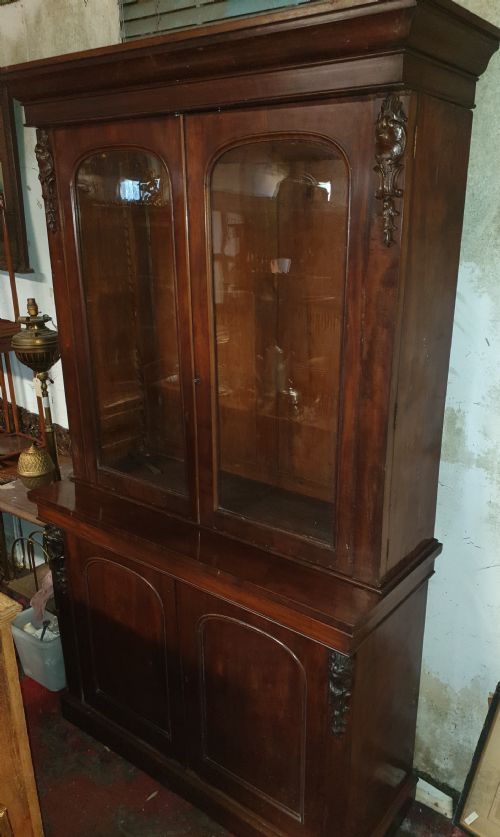

Arched Top Bookcase
An arched top bookcase brings immediate architectural character to a room, offering both generous display space and refined period proportion.
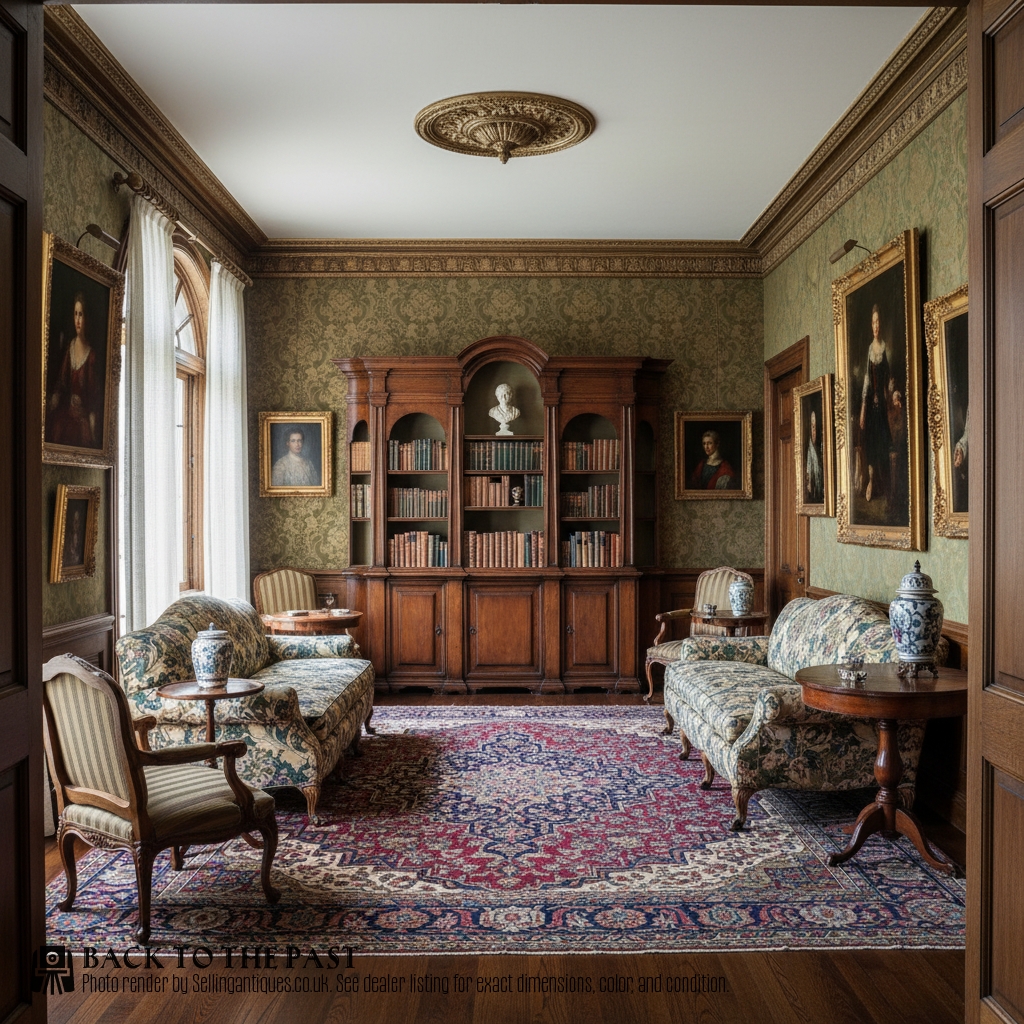
Arched Top Bookcase
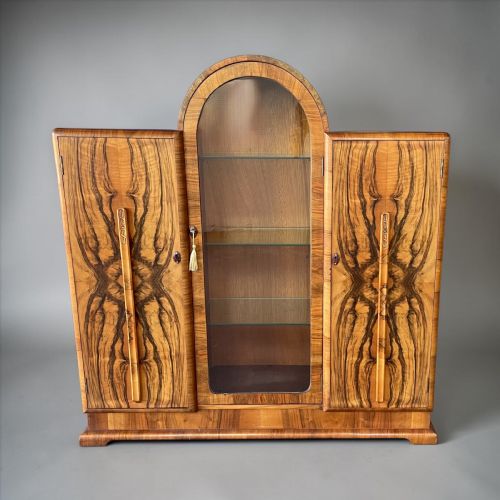
An arched top bookcase is a substantial cabinet designed for housing volumes and decorative objects, defined by its curved upper crown. These pieces range from Georgian bureaux and Regency pieces on stands to French provincial vitrines and Art Deco oak shelving units.
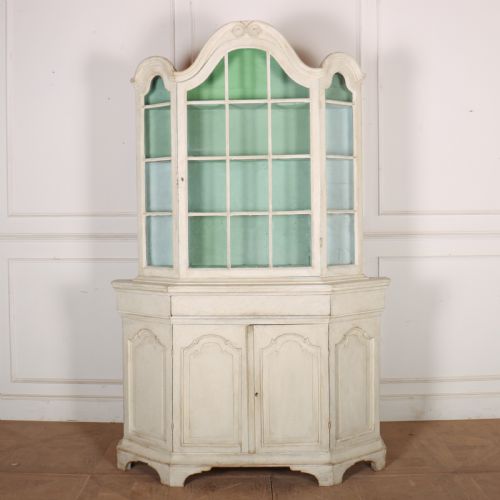
Buyers encountering this selection will find examples spanning several centuries, including 18th century Dutch glazed cupboards, 19th century mahogany two-part bookcase cabinets, and early 20th century display cabinets. Formats vary from corner cupboards and alcove shelving to grand armoires and bureau cabinets.
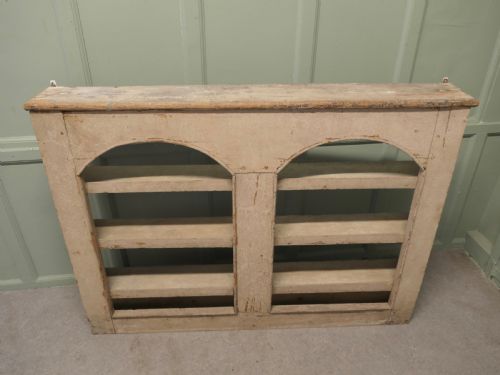
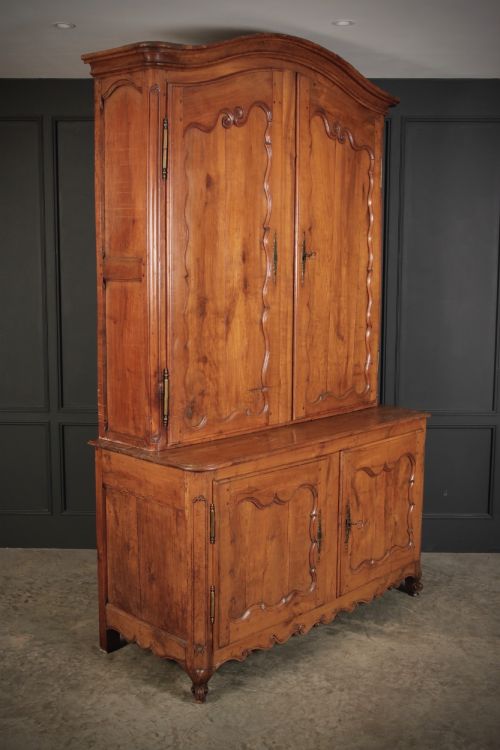
Origins stretch across English, French, Italian, and Dutch workshops, showing regional preferences in timber choice and decorative hardware. Whether executed in walnut, cherry wood, pine, or painted wood, each piece balances utility with distinct period style.
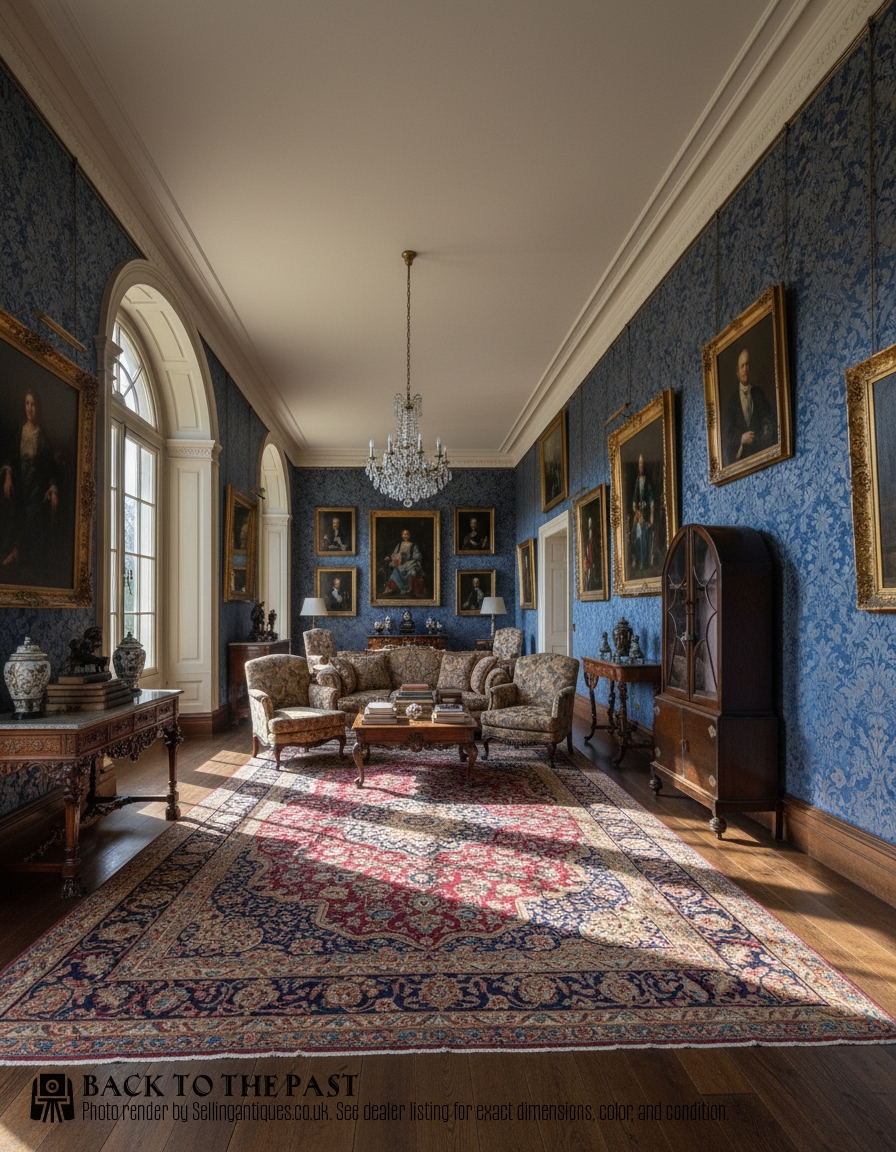
How they were made
Cabinetmakers constructed these bookcases using traditional joinery, housing shelves within solid timber carcases and securing glass panes within slender wooden glazing bars. Woods such as mahogany, walnut, oak, and cherry provided the structural stability needed for tall double-part units and corner cabinets.
Surface decoration relied on natural grain patterns, notably burr walnut, alongside marquetry inlays and painted finishes. Brass fittings, including hinges, escutcheons, and handles, were integrated into the doors and fall-fronts of bureau sections.
Some provincial cupboards still whisper of old farmhouse ledgers through faint ink stains hidden deep inside their lowest shelves.
What varies in quality
Quality in an arched top bookcase is determined by the selection of timber veneers and the crispness of the curved pediment moulding. Finer examples display carefully matched grain across large door panels and well-proportioned architectural cornices.
The integrity of the original glass panes, brass hardware, and internal shelving systems distinguishes superior cabinetwork from later adaptations. Construction details, such as dovetailed drawer boxes and stable backboards, reflect the standard of the workshop of origin.
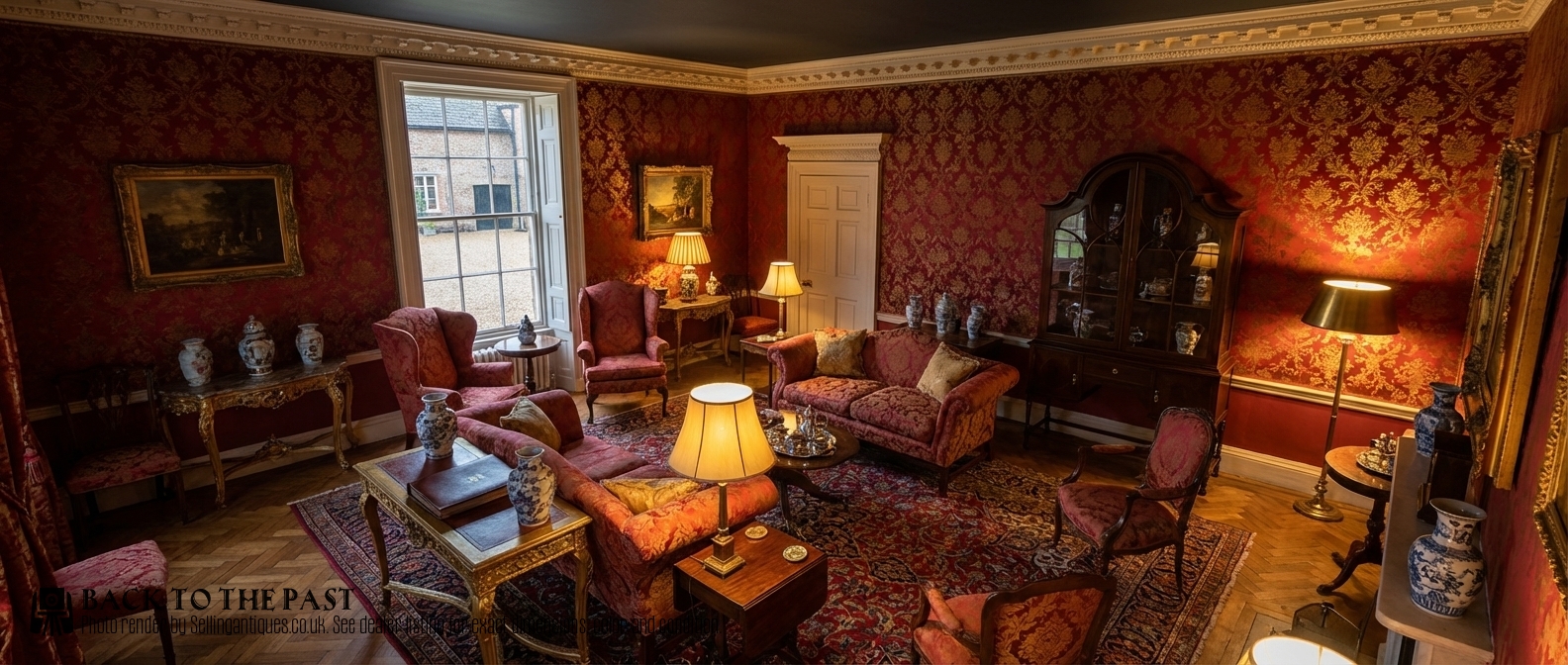
Giles Grendy
The Arched Top Bookcase Glossary
- Glazing bar
- A wooden strip that holds individual panes of glass within a cabinet door. These bars form geometric patterns across the upper doors of bookcases.
- Vitrine
- A glass-fronted cabinet used for displaying porcelain, books, or curiosities. These pieces often feature glazed sides as well as doors.
- Pediment
- The architectural crowning element above the bookcase doors. The arched variant defines the silhouette of this furniture type.
- Bureau bookcase
- A multi-part piece combining a sloping desk flap with upper shelving enclosed by doors. The lower section contains drawers for writing materials.
- Marquetry
- Decorative veneer work created by fitting together small pieces of different woods to form pictorial or geometric designs. This technique appears on Dutch and continental cabinets.
Arched Top Bookcase: Frequently Asked Questions
How do I style an arched top bookcase?
Position the piece against a main wall where its curved crown can command the room without obstruction. Balance heavier folios on the lower shelves with smaller decorative objects and upright books on the upper tiers.
Allow negative space around displays to let the timber grain and architectural woodwork remain visible. Ensure the room has adequate ambient lighting to highlight the glass panes and interior contents.
What rooms suit an arched top bookcase?
These cabinets work naturally in studies, libraries, and drawing rooms where book storage and display are primary functions. Tall proportions also suit high-ceilinged dining rooms and living spaces.
Corner variations fit snugly into unused angles, making them useful for smaller rooms or alcoves. Taller two-part units require careful measurement of ceiling clearance before placement.
How do I care for antique timber bookcases?
Maintain a stable indoor climate away from direct heat sources and strong sunlight to prevent the timber from warping or splitting. Dust regularly with a soft, dry cloth and apply occasional specialist wax polish to nourish unpainted wood surfaces.
Check brass hinges and locks periodically to ensure doors hang straight and close smoothly without dragging. Avoid excessive moisture on glass and wood surfaces during routine cleaning.
How do I distinguish 18th century from 19th century pieces?
Earlier pieces from the 18th century often feature hand-cut dovetails, pegged mortise and tenon joints, and native timbers like walnut, oak, and cherry. The curvature of the arched top tends to follow restrained architectural proportions specific to Georgian or Dutch design.
Nineteenth-century examples frequently incorporate mahogany, pine, or exotic veneers with machine-sawn elements and standardised hardware. Stylistic revivals during this later period draw heavily on earlier Queen Anne, Regency, and Baroque forms.