


Arched Gold Wall Mirror
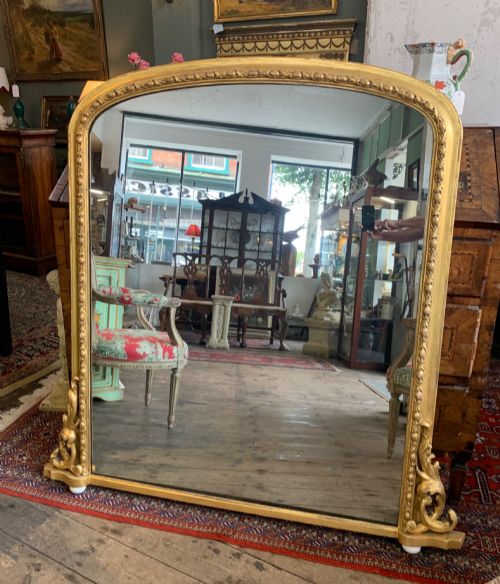
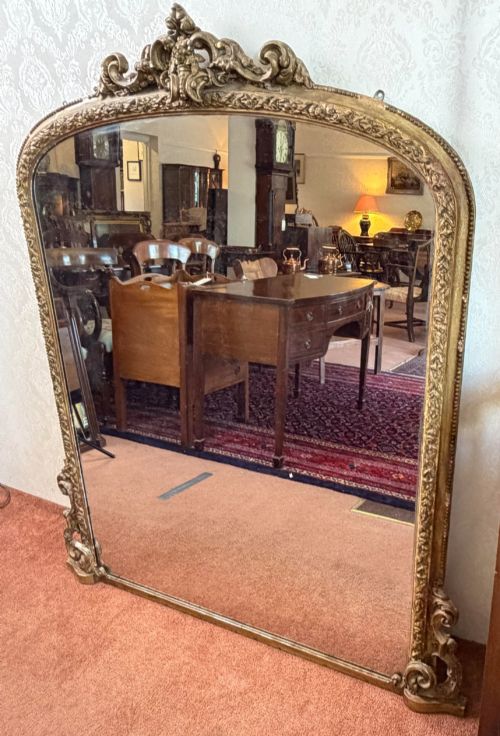
An arched gold wall mirror brings architectural presence and reflected light to a room, drawing on Victorian and French styles.
Arched Gold Wall Mirror
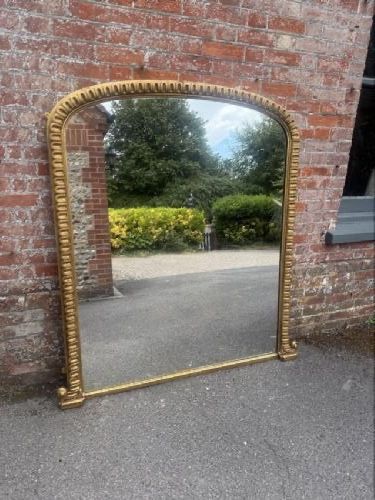
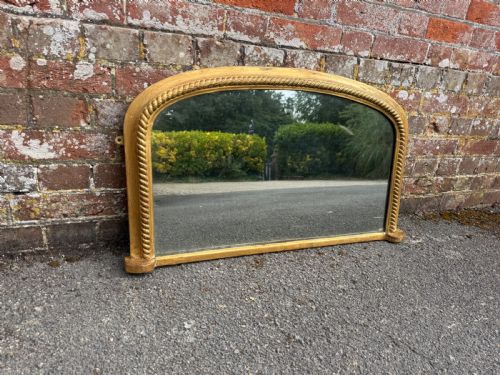
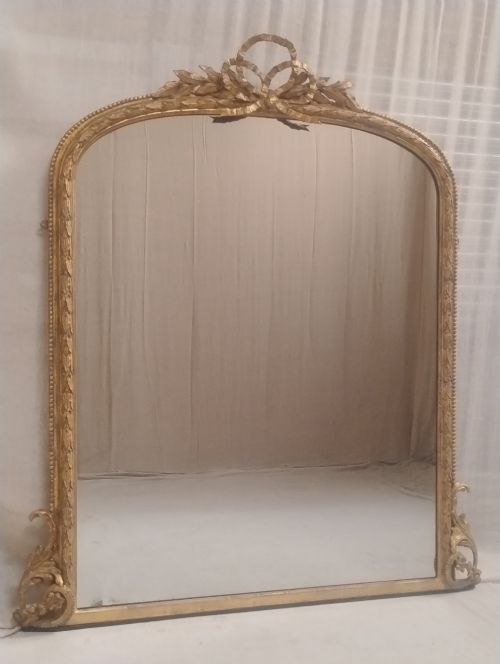
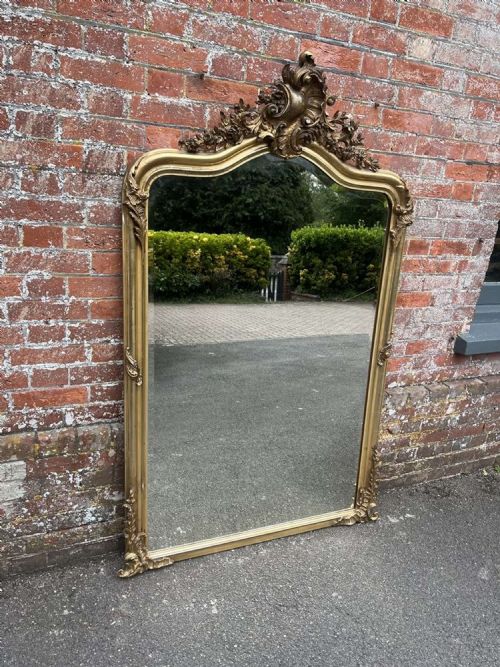
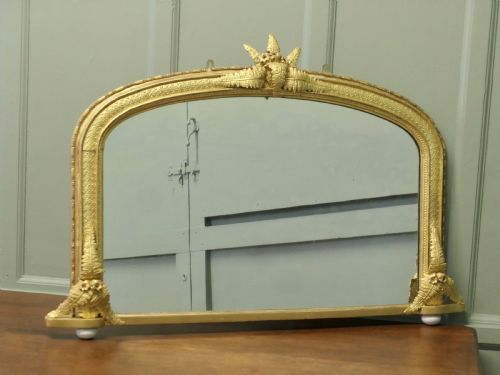
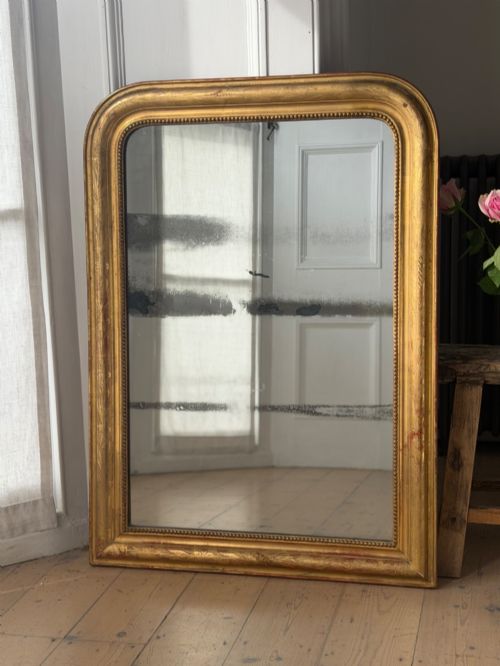
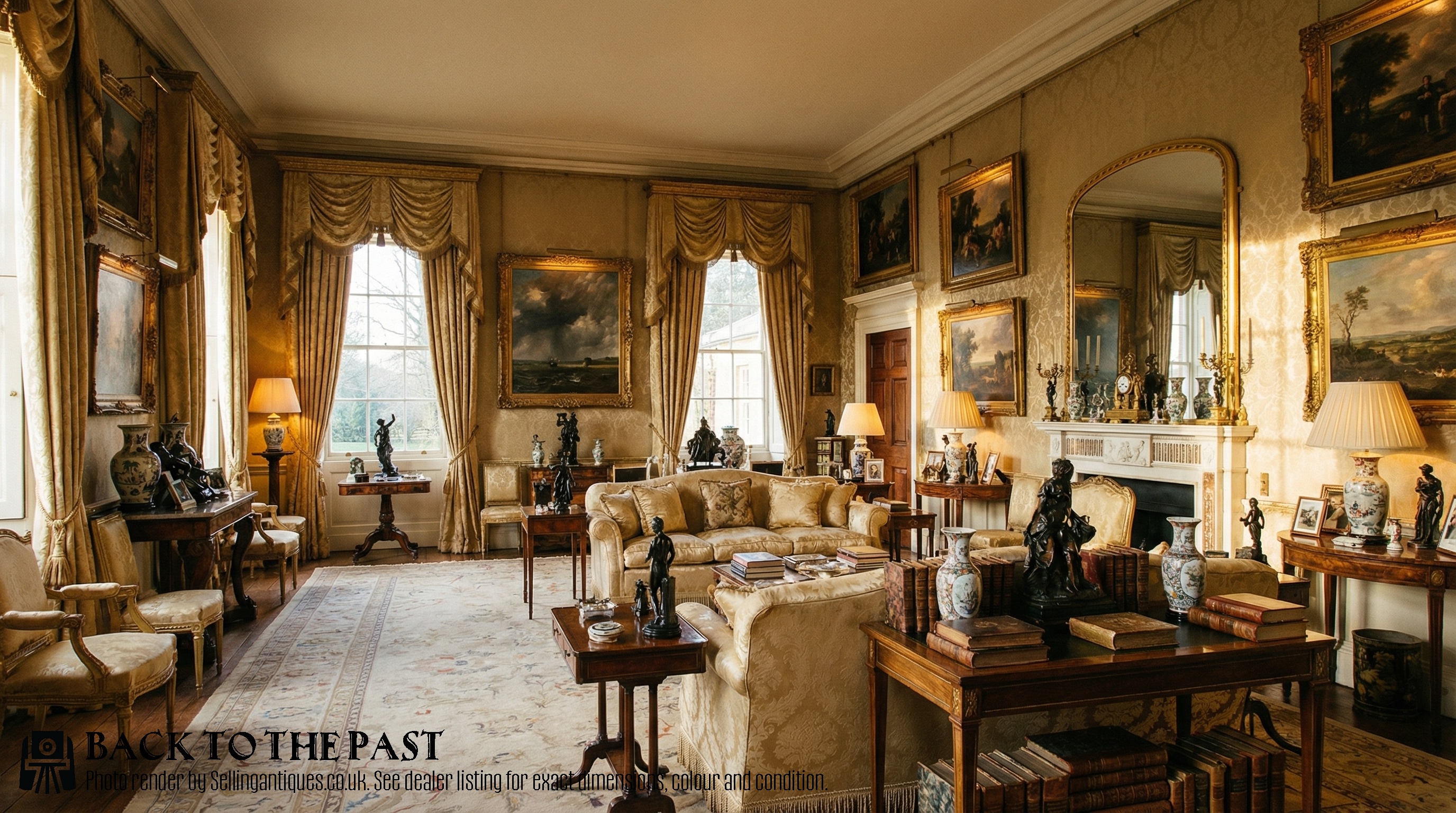
When searching for an arched gold wall mirror, collectors encounter large overmantel mirrors designed to sit above a fireplace, alongside tall pier mirrors and wall mirrors. These pieces originate primarily from the 18th century, the Georgian period, the Victorian era, and 19th-century France.
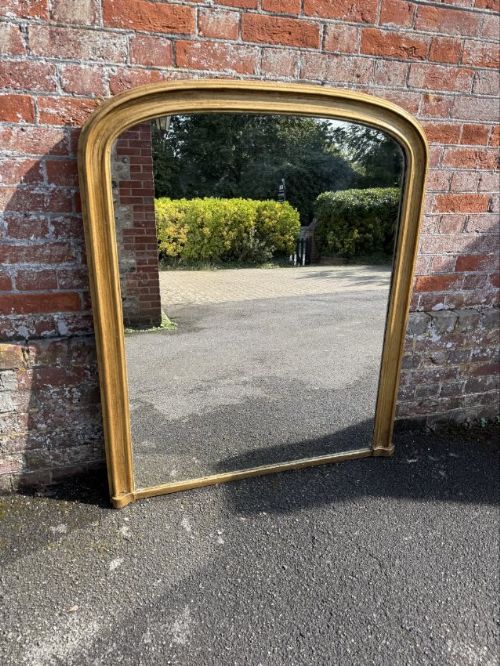
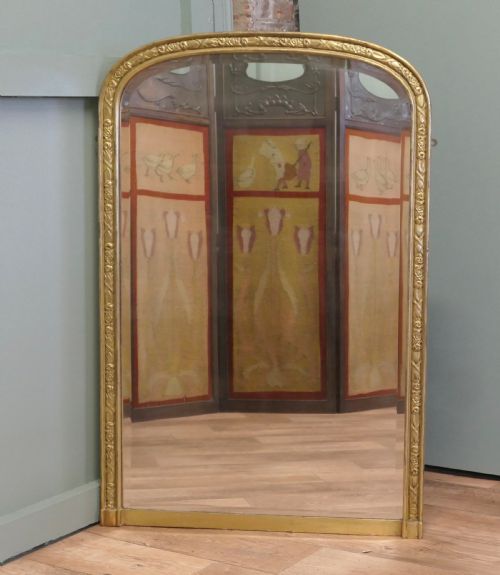
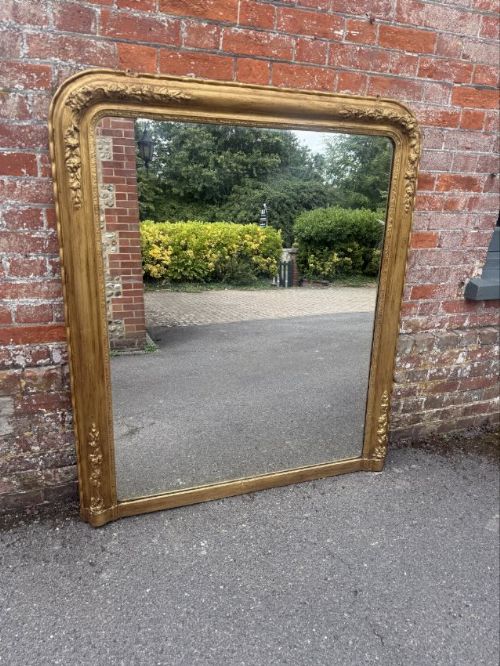
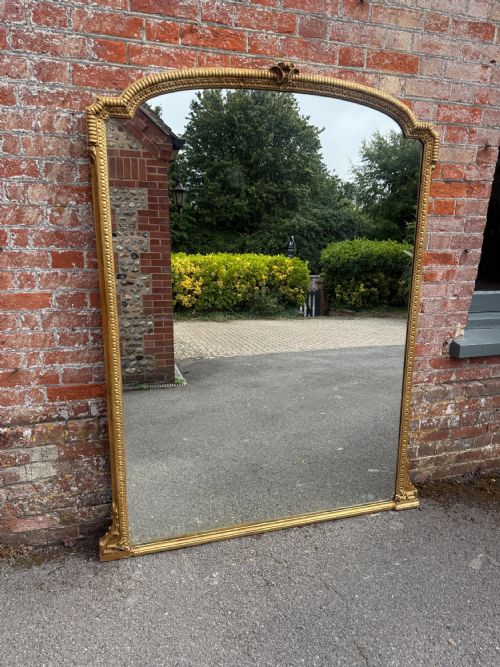
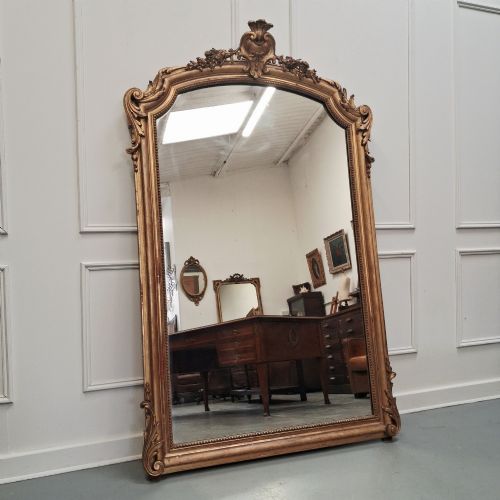
The version most commonly met on this page is the large English or French overmantel mirror featuring a shaped or arched top. These items typically display substantial proportions, often measuring well over a metre in height to command a chimney breast or principal wall.
Makers and craftsmen of the 19th century produced these frames in styles ranging from Rococo Revival and Louis Philippe to French Empire. The aesthetic combines traditional gilding with grand architectural curves intended to amplify natural light in principal reception rooms.
Materials and construction methods
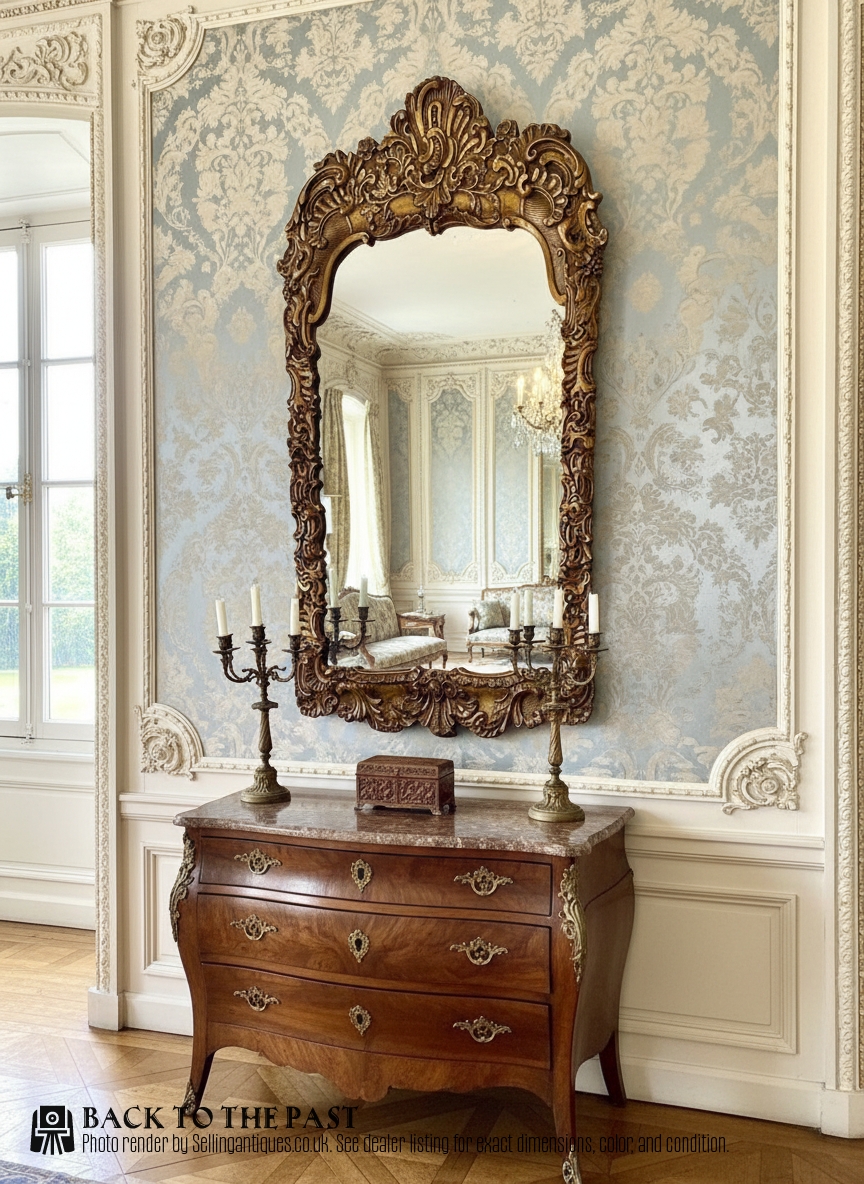
Makers constructed the structural frames of these mirrors using carved wood, applying layers of gesso to build up decorative moulding and crisp relief details. Over this foundation, artisans laid gold leaf or applied traditional gilding to achieve a reflective metallic surface.
Glaziers integrated mirror glass, occasionally utilising mercury glass with characteristic foxing, held within robust timber backs. The combination of plaster, wood, and gesso allowed craftsmen to fashion deep rope twists, hour-glass ribbing, and tulip motifs along the frame margins.
Arched Gold Wall Mirror Retail Price Guide 2026
Typical asking prices for arched gold wall mirror among the pieces listed under this phrase on Sellingantiques today, from the lower quarter to the upper quarter. They describe what is for sale here now, not the wider market.
Listings feature pieces spanning the 18th century, Georgian period, Victorian era, and 19th century, constructed from giltwood, gesso, and mirror glass.
Factors of craftsmanship and proportion
The distinction between standard examples and the finest pieces lies in the depth and sharpness of the hand-carved gesso work. Superior frames retain crisp ornamental detailing along the arched crest without the softening that comes from heavy over-restoration or the loss of original ground material.
Proportion and scale dictate the visual success of the piece, with better examples maintaining balanced margins that complement the curve of the arch. The preservation of the original gilt surface, showing natural toning over the decades rather than a modern repaint, marks the higher tier of these mirrors.
The Arched Gold Wall Mirror Glossary
- Gesso
- A mixture of gypsum and binder applied to wooden mirror frames to create a smooth surface for gilding. Artisans carved intricate relief patterns directly into this built-up layer.
- Giltwood
- Timber that has been coated with thin sheets of gold leaf or gold paint. This technique protects the wood while providing a brilliant metallic finish.
- Overmantel mirror
- A large wall mirror specifically proportioned to hang above a fireplace mantelpiece. These pieces often feature an arched or shaped top to mirror the architectural opening below.
- Pier mirror
- A tall, narrow mirror designed to be hung on the pier of wall space between two windows. They reflect additional light into darker sections of a room.
- Foxed mirror glass
- Glass that exhibits dark spots and speckled degradation due to the breakdown of the backing over time. Collectors often value this aged characteristic for its authentic period appearance.
Arched Gold Wall Mirror: Frequently Asked Questions
Where should an arched gold wall mirror be hung?
These mirrors traditionally anchor a living room above a fireplace mantelpiece, where their height draws the eye upward. They also function effectively on principal hallway walls to expand the sense of space.
Placement should account for the weight of the timber and gesso frame, requiring secure fixings directly into wall studs or masonry.
How do I identify a Victorian mirror?
Victorian examples frequently display heavy carved wood and gesso frames with arched or shaped tops, often incorporating ribbed or rope-twist mouldings. Their dimensions tend to be substantial to suit mid-to-late 19th-century domestic architecture.
Construction details on the reverse, including older timber boards and fixings, help confirm the nineteenth-century origin.
What is the difference between French and English styles?
French mirrors from the 19th century, such as Louis Philippe designs, typically feature cleaner, more restrained architectural lines with subtle beaded or curved crests. English overmantel versions of the same era often present heavier carved gesso ornamentation and bolder proportions.
Both traditions utilise gold leaf and wood, but the decorative vocabulary reflects the distinct aesthetic preferences of each country.