




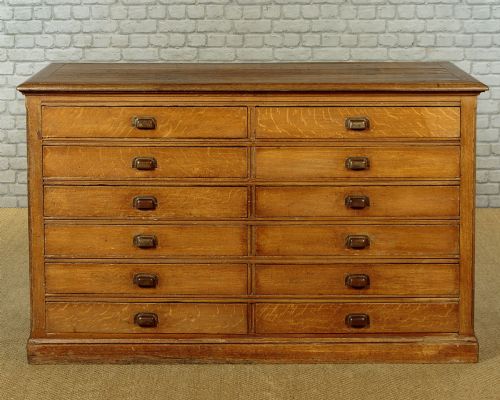

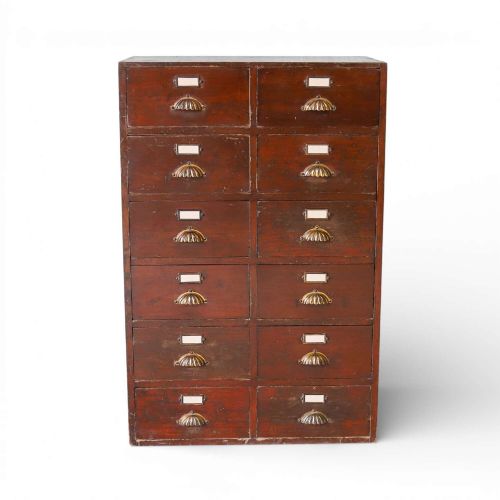
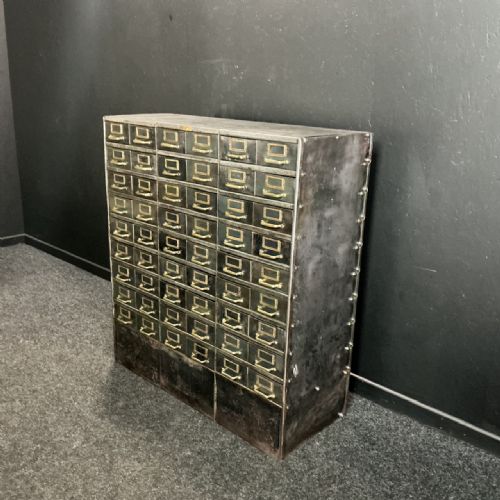
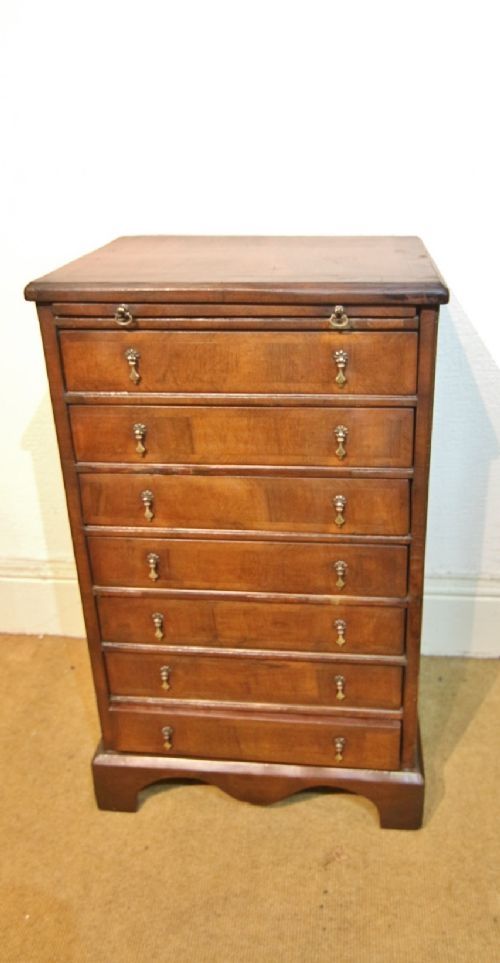

Apothecary Drawer Cabinet
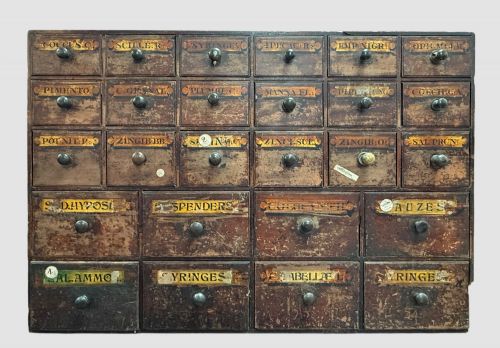
An apothecary drawer cabinet offers multiple small compartments built to organise medicines, specimens or small goods, combining functional storage with historic character.
Apothecary Drawer Cabinet
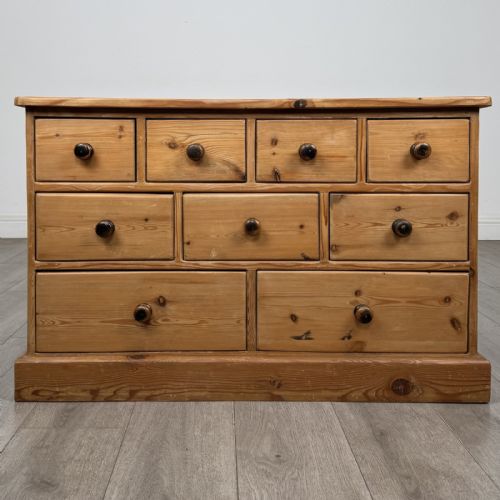
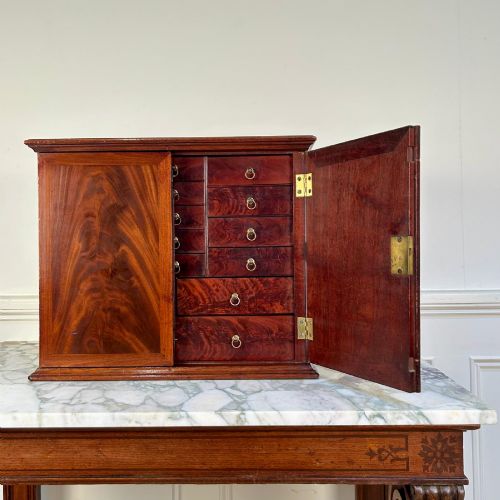
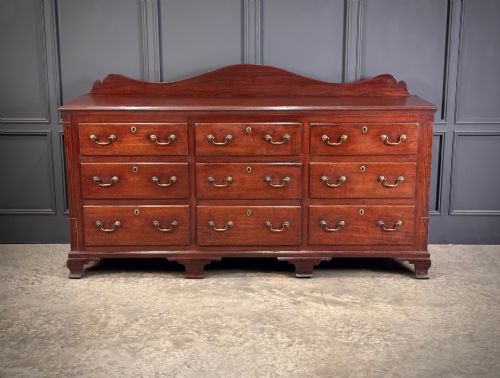
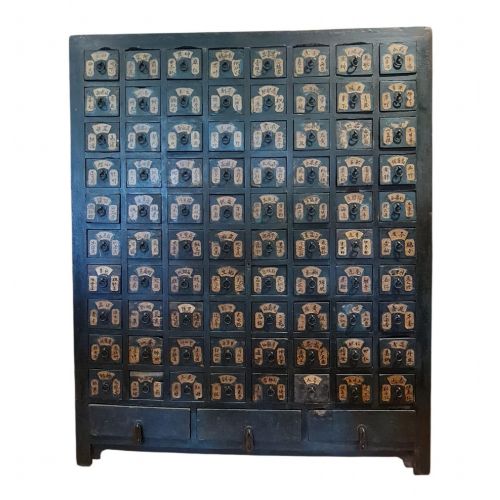
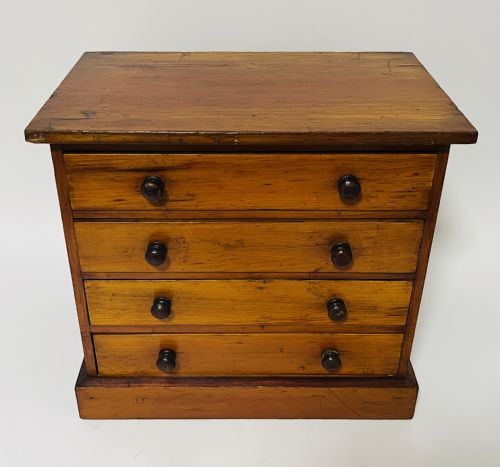
An apothecary drawer cabinet serves as a multi-compartment storage unit designed originally for pharmacies, medical practices, or specialised collections. When searching for an apothecary drawer cabinet, buyers encounter diverse forms ranging from large banks of drawers to shop fittings and spice chests.
The pieces span several periods, including Georgian, Victorian, and Edwardian eras, alongside industrial and regional styles. Origin points vary from English chemist shops to Chinese medicine cabinets and Hungarian shop fittings.
Most examples function as banks of drawers or modular chests containing numerous small compartments. These units meet the demand for dense, categorized storage suited to modern domestic or commercial interiors.
Materials and construction
Cabinet makers utilised a range of timbers including pine, mahogany, oak, walnut, elm, fruitwood, and teak. Wood selection often reflects the piece's origin, from English hardwoods to Chinese elm and deal.
Hardware details incorporate brass pull handles, iron fittings, glass panels, and dedicated label holders. Surfaces display varied finishes, from polished mahogany and stained deal to originally painted Hungarian pine.
Apothecary Drawer Cabinet Retail Price Guide 2026
Typical asking prices for apothecary drawer cabinet among the pieces listed under this phrase on Sellingantiques today, from the lower quarter to the upper quarter. They describe what is for sale here now, not the wider market.
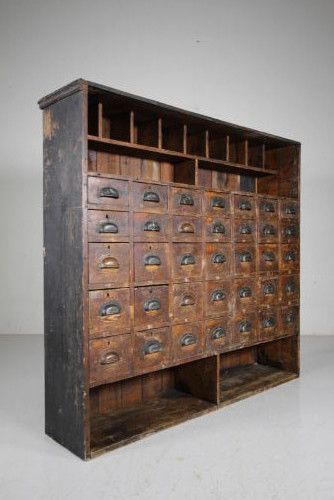
One extraordinary Hungarian shop fitting packs fifty distinct drawers into a single painted pine frame.
Evaluating quality and construction
Quality rests in the integrity of the multi-drawer construction, the preservation of original hardware such as shell pulls and label holders, and the retention of early painted or polished surfaces. Pieces bearing distinct workshop origins or specific commercial provenances hold greater documentary interest.
Construction standards appear in the precision of the small drawer dovetailing, the smooth operation of numerous drawer paths, and the survival of original backing timbers and internal dividers.
Luxmore's of Ilfracombe·D Napier & Sons
The Apothecary Drawer Cabinet Glossary
- Bank of drawers
- A large cabinet structure containing many individual storage drawers arranged in vertical and horizontal rows.
- Shop fitting
- Fixtures and furniture built specifically for commercial retail spaces such as chemist shops and apothecaries.
- Specimen cabinet
- A specialised storage unit designed to hold natural history items, microscope slides, or small collections.
- Shell pull
- A semi-circular stamped metal handle shaped like a shell, frequently combined with a label holder on apothecary drawers.
- Deal
- A traditional British term for softwoods like fir or pine used extensively in cabinet making.
Apothecary Drawer Cabinet: Frequently Asked Questions
What is an apothecary drawer cabinet?
An apothecary drawer cabinet is a multi-drawer storage unit originally utilised in pharmacies, dispensaries, or shops to organise medicines, herbs, and small goods.
These pieces feature numerous small compartments, often fitted with brass pulls and label holders to identify contents.
How were these cabinets used?
Apothecary cabinets served chemists and medical practitioners as secure, organised storage for dry ingredients, pills, and instruments.
Over time, many migrated from commercial shop fittings into domestic use as collectors chests and general storage furniture.
How do I date an apothecary cabinet?
Dating relies on timber selection, construction methods such as dovetailing, and hardware styles characteristic of Georgian, Victorian, or Edwardian periods.
Makers' marks, original painted finishes, and commercial labels or stamps further clarify the era of manufacture.
Where do these cabinets originate?
The listings include English, Chinese, and Hungarian pieces, reflecting diverse regional cabinet-making traditions and medical practices.
English examples often stem from Victorian chemist shops, while Chinese versions frequently originate as traditional medicine cabinets.
How do I live with an apothecary cabinet?
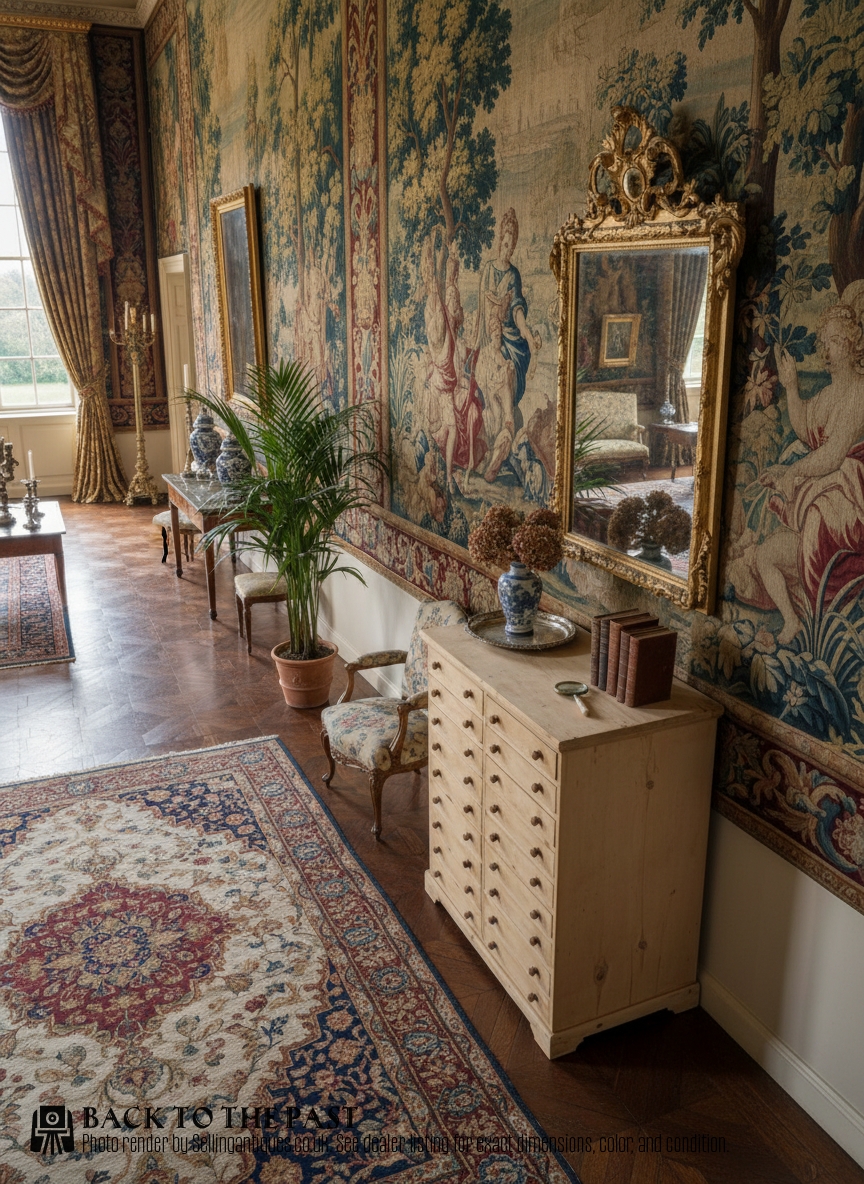
An apothecary cabinet fits well in modern interiors as a statement storage piece in kitchens, studies, or living spaces.
The numerous small drawers provide practical organisation for everyday items while adding historic character to a room.