

Antique Yew Seating
Antique yew seating brings together sturdy vernacular forms and rich timber, offering a robust centrepiece for a country interior.
Antique Yew Seating
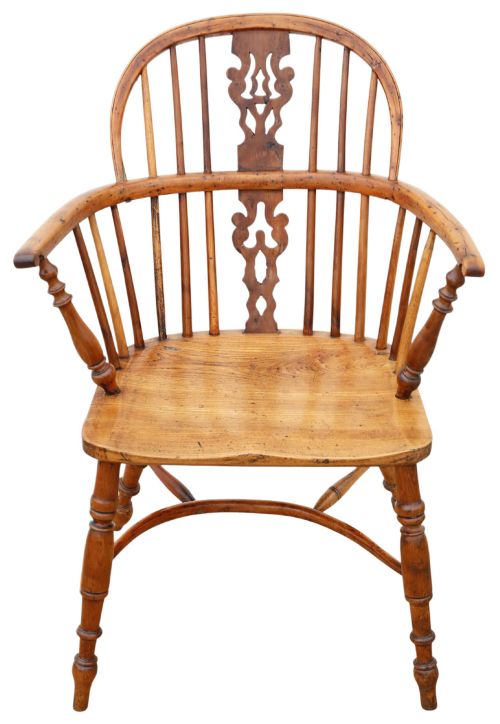
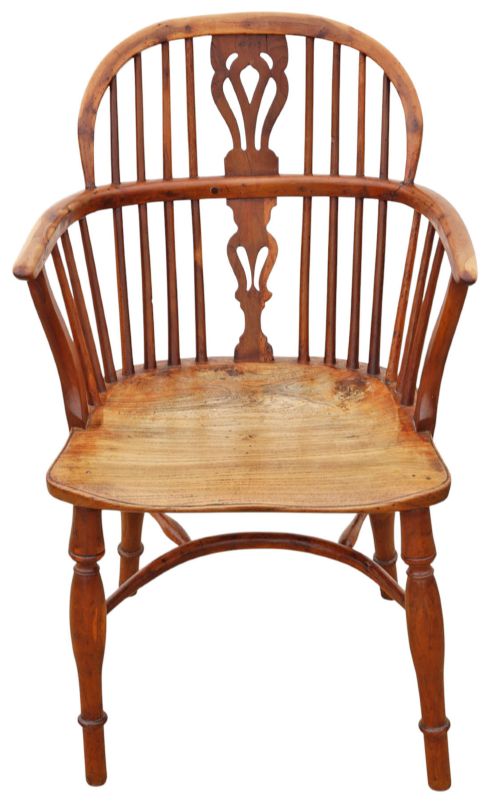
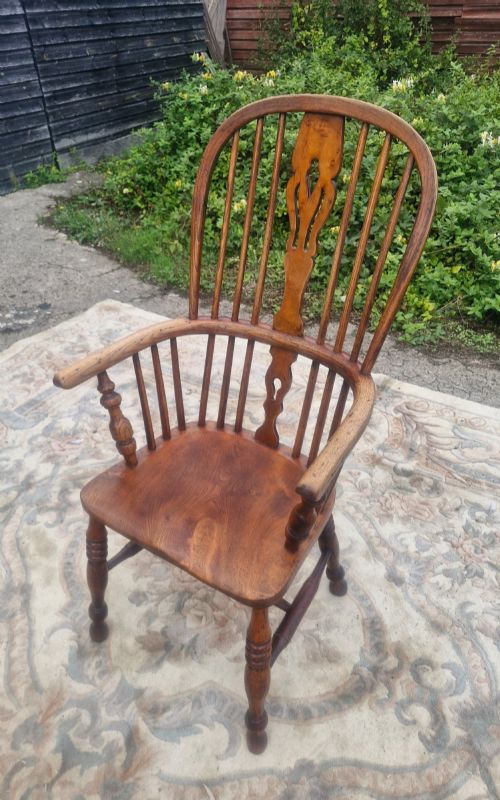
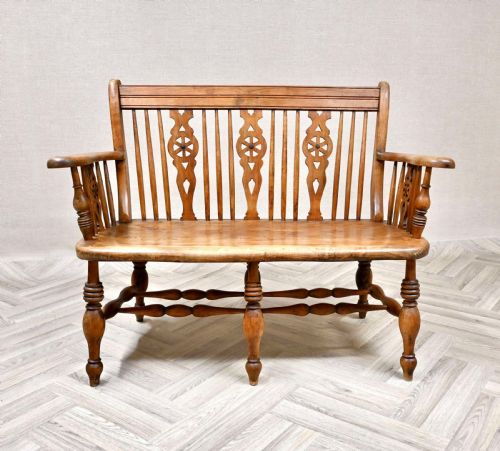
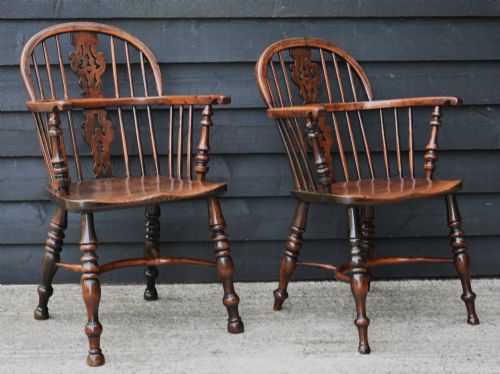
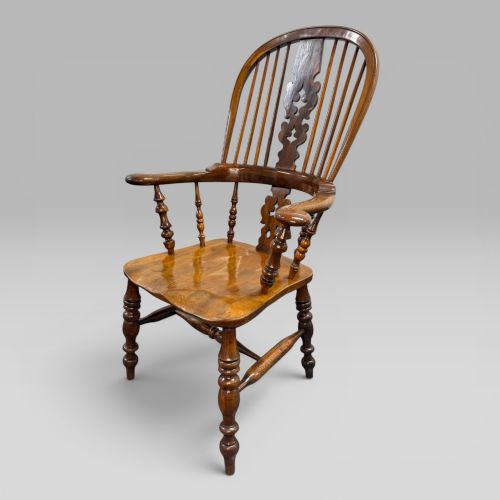
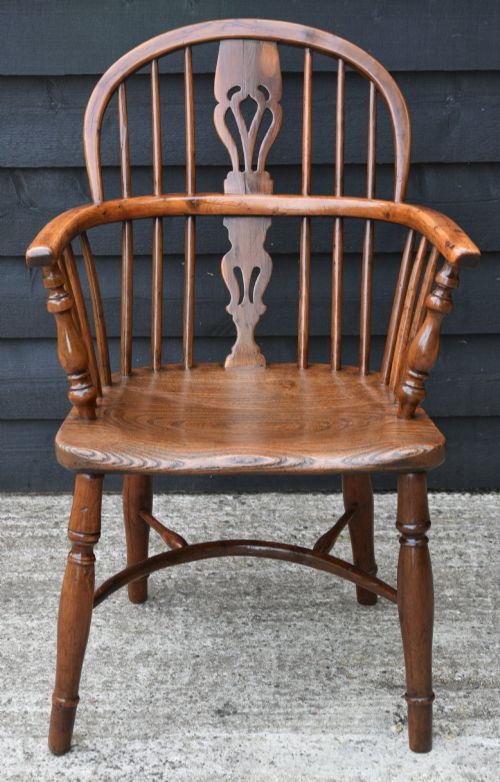
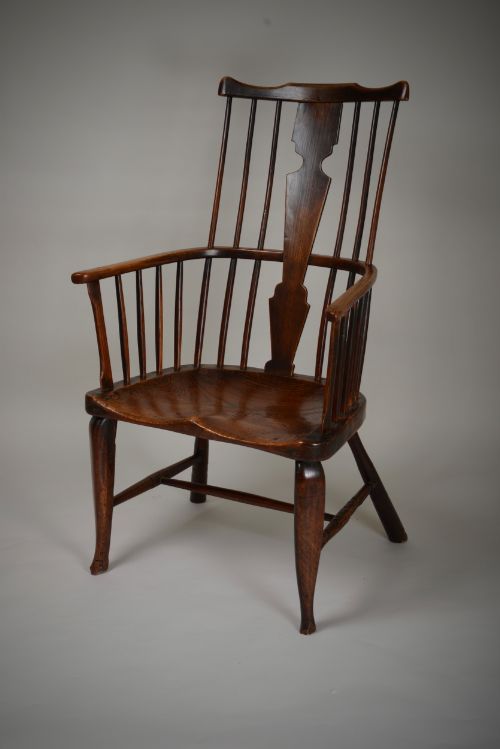
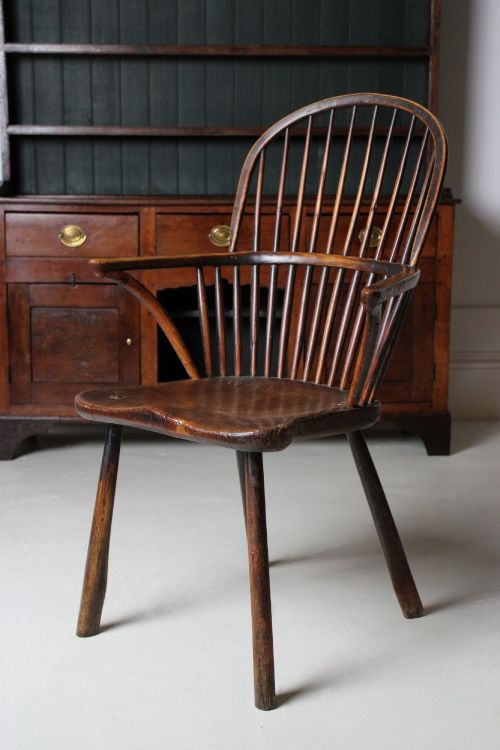
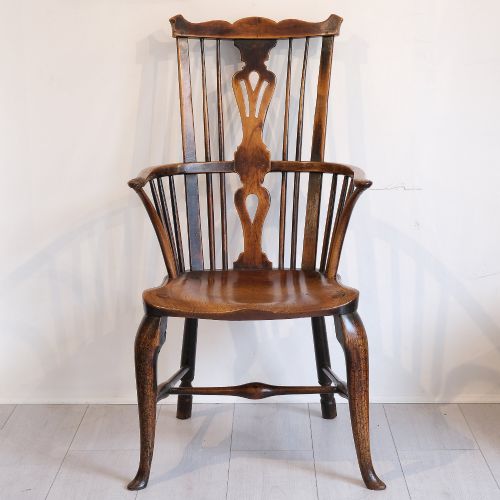
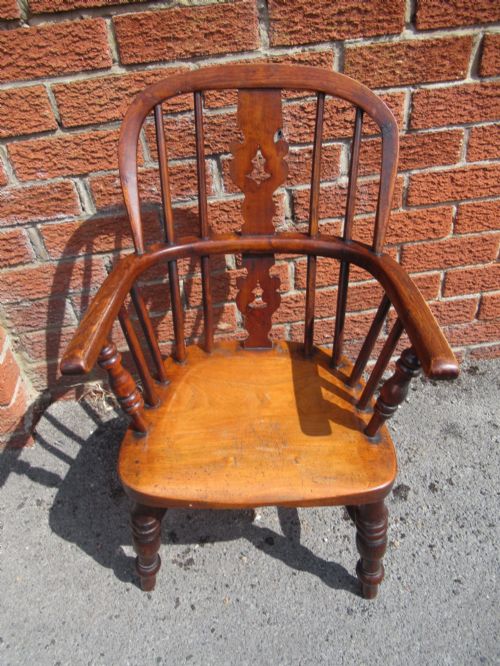
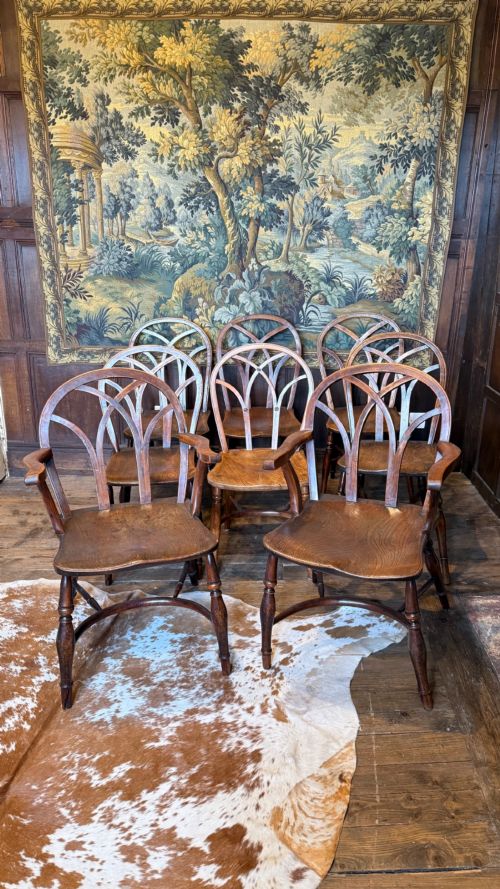
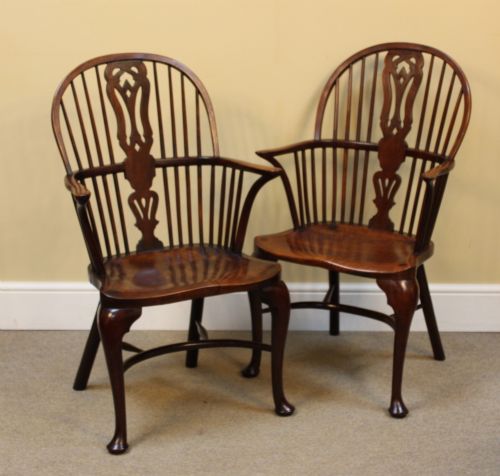
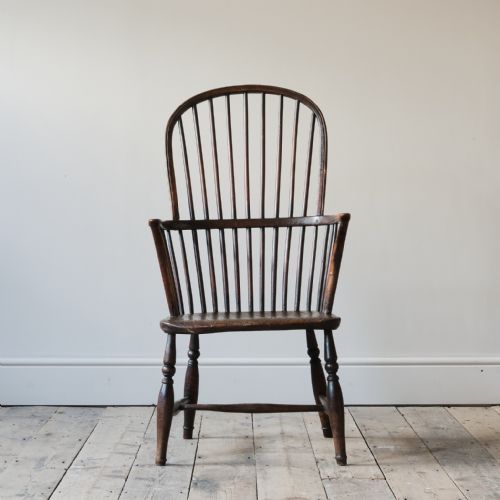
When you search for antique yew seating, you encounter a specialised selection of vernacular wooden chairs primarily shaped by regional English makers during the eighteenth and nineteenth centuries. The majority of pieces on this page take the form of Windsor armchairs, spanning high-backs, low-backs, comb-backs, and broad-arm variations alongside occasional child chairs and benches.
These items originate predominantly from vernacular workshops operating across Georgian and Victorian periods. Makers in regional centres combined traditional stick-back and hoop-back construction with local hardwoods to create durable domestic furniture.
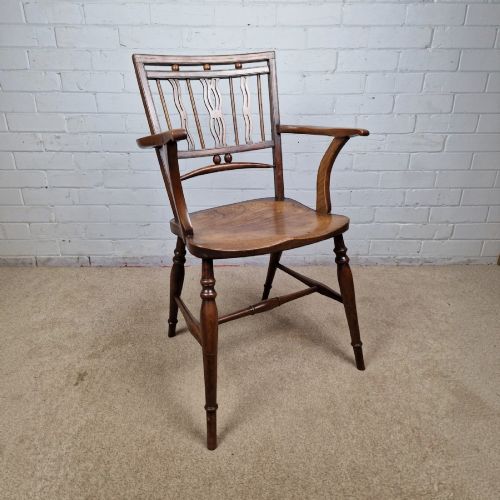
The selection ranges from single nineteenth-century armchairs to matched pairs and sets originating in provincial areas such as the Thames Valley. Standard seating varieties sit alongside specialised regional forms like the Mendlesham chair, providing distinct regional character within the domestic interior.
Gradations in Quality and Character
The distinction between ordinary and superior pieces rests on the choice of grain and the depth of the timber's figure. Yew wood displaying intense figuring and deep natural warmth elevates a chair far above plain or heavily repaired examples.
Proportional balance and the retention of original surface patination dictate the desirability of a piece. Skilled turnery on the spindles and well-sculpted armbows indicate workshop execution of higher order.
Several miniature child versions wait quietly among the full-sized armchairs, ready for the smallest household member.
John Brand of Sleaford
The Antique Yew Seating Glossary
- Windsor chair
- A wooden chair constructed with a solid elm seat into which the legs and back spindles are separately bored and wedged. This design spread widely through English provincial workshops during the eighteenth and nineteenth centuries.
- Comb back
- A Windsor chair variation where the top rail resembles the teeth of a comb, extending the vertical spindles upwards. This regional style appears frequently in eighteenth-century vernacular seating.
- Carver elbow-chair
- An armchair designed with generous armrests, often used at the head of a dining table or as a fireside seat. These pieces match the simpler side chairs in a larger set.
- Vernacular
- Furniture made by local provincial craftsmen following regional traditions rather than metropolitan academic designs. These items prioritise sturdy utility and local timber availability.
Antique Yew Seating: Frequently Asked Questions
What is an antique yew Windsor chair?
These are traditional wooden chairs built with a thick solid seat, typically elm, into which shaped legs and a yew wood spindle back are inserted.
Craftsmen built them in provincial English workshops during the eighteenth and nineteenth centuries for everyday domestic use.
How do I identify a Georgian yew chair?
Georgian examples often display finer joinery, slender turned spindles, and earlier stylistic cues like cabriole legs or pierced splats.
They date from the mid-eighteenth century up to roughly eighteen hundred and carry a deeper, polished patination from age.
Where were these chairs made?
Regional makers produced them across English country workshops, with notable output originating from the Thames Valley and various provincial towns.
Local timber availability dictated the mix of yew, elm, and ash in each regional design.
Can I use these chairs daily?
Their original purpose was heavy domestic use, meaning solid nineteenth-century construction handles everyday sitting well.
Regular care involves keeping them away from direct heat sources to prevent timber movement in the dry seat plates.