

Antique X Framed Chairs
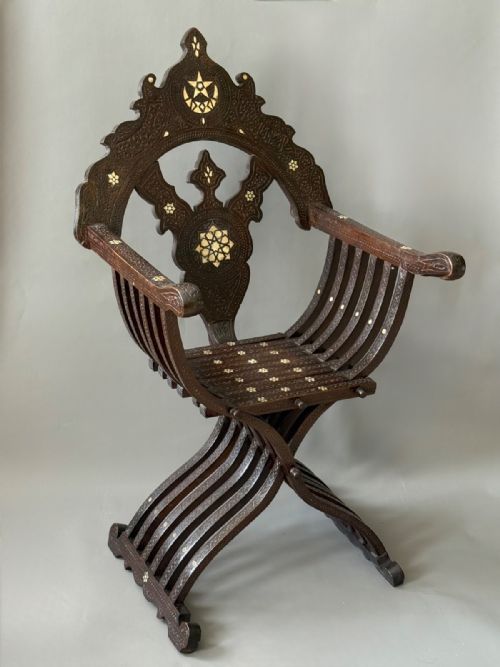
These antique x framed chairs offer enduring architectural presence and comfortable seating, bringing distinctive cross-brace design into a room.
Antique X Framed Chairs
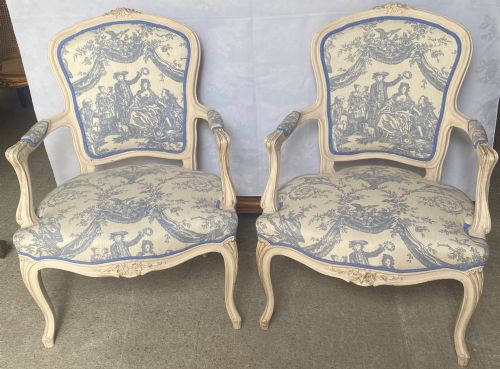
When searching for antique x framed chairs, buyers encounter a diverse selection of seating forms spanning multiple centuries and aesthetic movements. These pieces range from substantial library armchairs to delicate salon seating, united by their characteristic intersecting stretcher or frame supports.
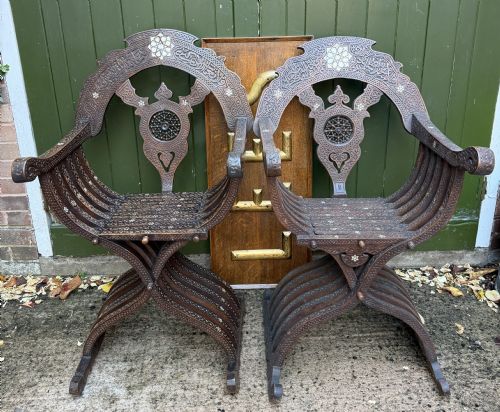
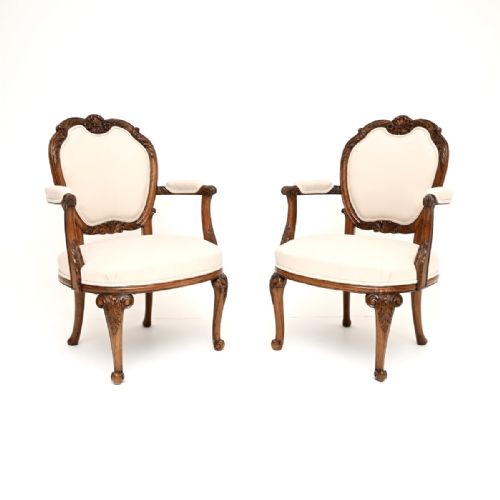
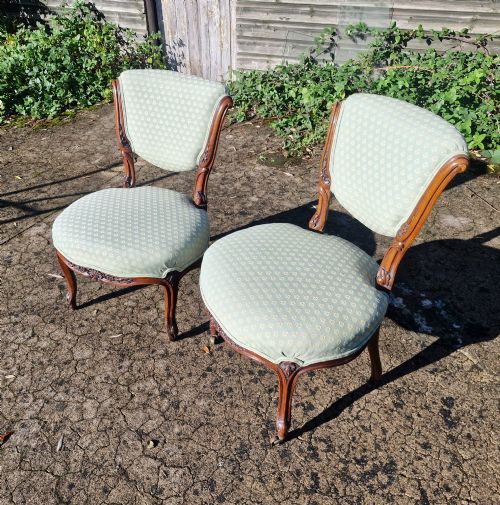
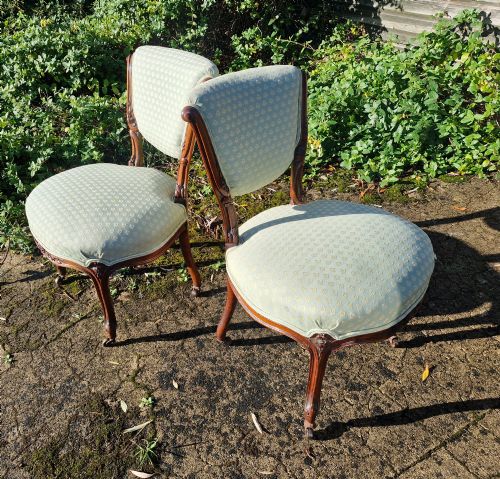
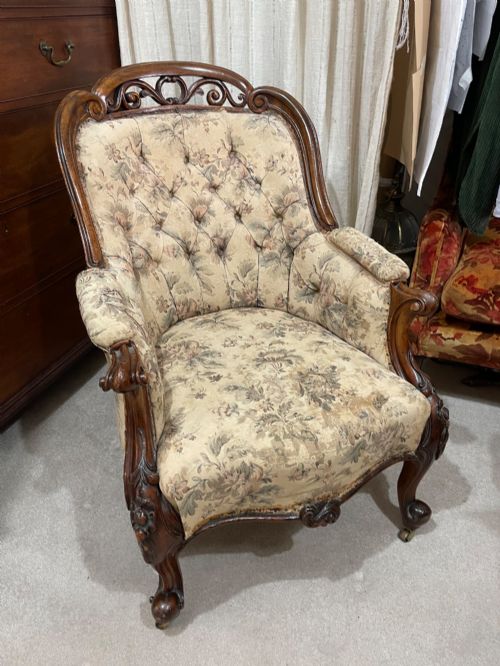
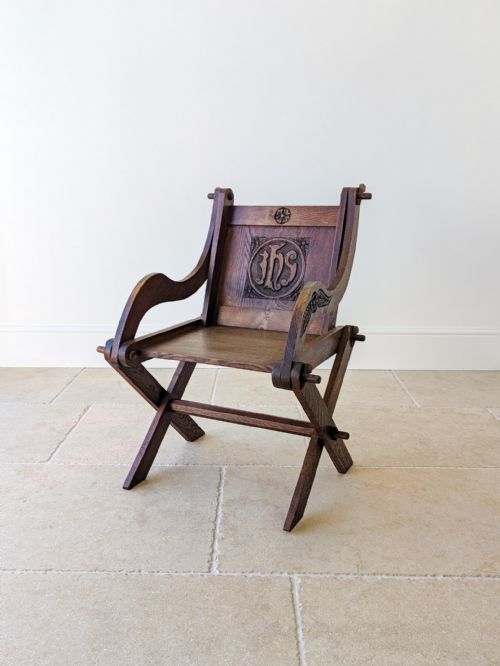
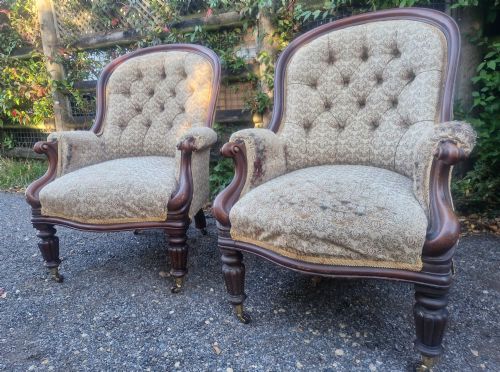
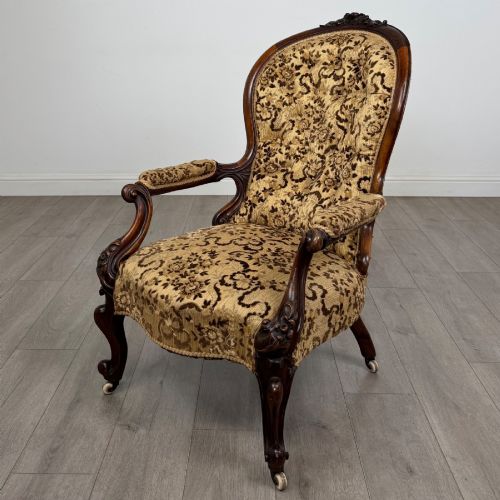
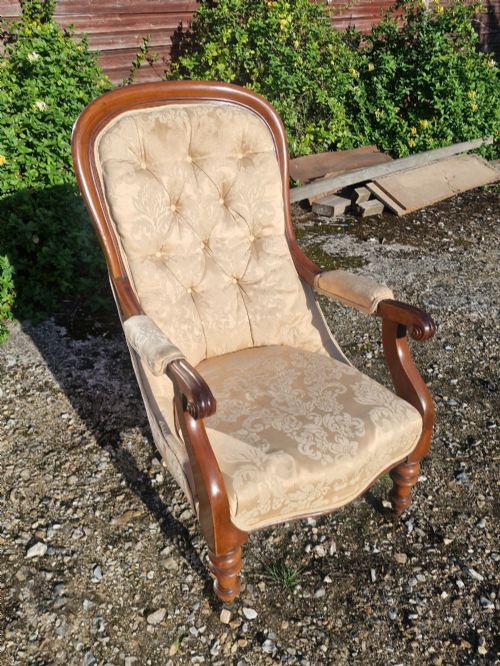
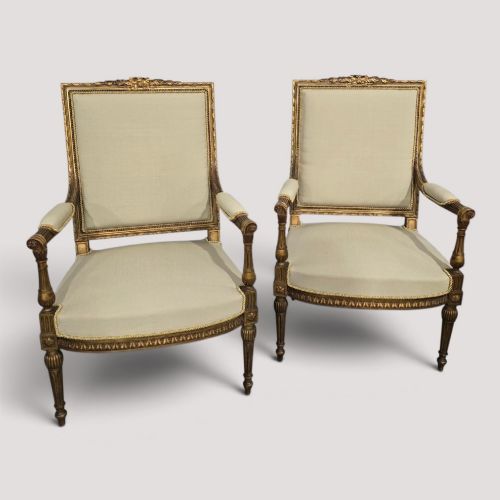
The most common examples on this page date from the nineteenth century, including Victorian walnut and mahogany library chairs, alongside continental French gilt open armchairs. Pieces such as nineteenth century ottomans with mother of pearl inlay and oak Glastonbury chairs also appear among the offerings.
Makers drew inspiration from various historical revivals, producing designs that reflect Gothic, Regency, Louis XVI, and Greek Revival influences. This variety allows buyers to integrate these structural seats into both period settings and modern interiors.
Materials and Construction
Craftsmen utilised robust timbers such as mahogany, oak, walnut, and beech to construct the primary support frameworks. These woods provided the necessary structural integrity to support the tension inherent in intersecting x-frame designs.
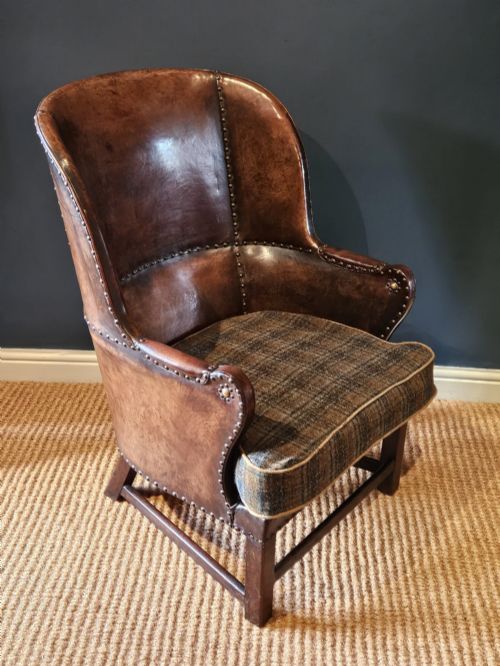
Upholstery materials recorded in the evidence include leather, fabric, Hessian, and split cane, complemented by specialised details like mother of pearl inlay and carved woodwork. Brass elements also appear in specific functional seating forms.
Joinery techniques focused on securing the diagonal members firmly to ensure stability under daily use. Original paint finishes and carved frames survive on several examples, demonstrating period surface treatments.
Antique X Framed Chairs Retail Price Guide 2026
Typical asking prices for x framed chairs among the pieces listed under this phrase on Sellingantiques today, from the lower quarter to the upper quarter. They describe what is for sale here now, not the wider market.
One enthusiastic nineteenth century vendor even threw in a free second armchair, proving that historical retail deals had their own distinct charm.
Assessing Quality and Execution
The distinction between standard examples and top-tier pieces rests on the crispness of the carving, the selection of timber grain, and the overall harmony of proportions. Superior frames exhibit deliberate attention to detail in the intersecting joints and decorative motifs.
Makers of higher-grade seating employed superior materials, such as figured walnut or dense mahogany, paired with intricate decorative elements like mother of pearl inlay or gilt wood. The structural integrity of the cross-brace configuration remains paramount in determining the quality of execution.
Howard And Sons
The Antique X Framed Chairs Glossary
- X Frame
- A structural furniture design featuring intersecting diagonal supports forming an X shape when viewed from the side. This ancient form provides both rigid support and decorative visual rhythm.
- Bergere
- An enclosed upholstered armchair with wooden framing and cane or upholstered sides. These seats gained popularity in French and English domestic interiors.
- Gothic Revival
- An architectural and decorative style drawing inspiration from medieval forms. Pieces in this manner often feature pointed arches and heavy oak construction.
- Gainsborough Chair
- A wide, open-armed armchair designed in the eighteenth century for writing desks or libraries. They typically feature upholstered backs and seats with open wooden arms.
- Wainscot Armchair
- An early form of wooden armchair constructed predominantly from solid oak with panelled backs. These sturdy seats date back to seventeenth century English domestic life.
Antique X Framed Chairs: Frequently Asked Questions
How do I identify an x framed chair?
Look for the distinctive diagonal cross-braces that form an X shape beneath the armrests or support the seat structure. These architectural supports define the silhouette.
Inspect the joinery where the diagonal members intersect to understand the period construction methods employed by the maker.
Where were these chairs placed historically?
These seats served primarily in libraries, formal salons, and studies as reading or desk chairs. Their sturdy construction suited active daily use.
Later Victorian and Edwardian examples often found places in drawing rooms or private parlours as decorative occasional seating.
How do I care for antique wood and leather?
Maintain wooden frames by applying appropriate wax polish sparingly to preserve the natural grain and historic finish. Avoid exposure to direct sunlight and excessive heat sources.
Condition leather upholstery gently using specialist balms to prevent drying and cracking while retaining the original texture.
Can I use an antique x frame chair daily?
Many of these chairs remain structurally sound for regular seating, provided the frame and internal webbing have been properly maintained. Assess the stability of the intersecting joints before heavy use.
Lighter salon pieces or delicate gilt versions suit occasional sitting rather than robust daily lounging.