

Antique Wrought Iron Furniture
Antique wrought iron furniture brings enduring strength and openwork grace to gardens and domestic rooms alike.
Antique Wrought Iron Furniture
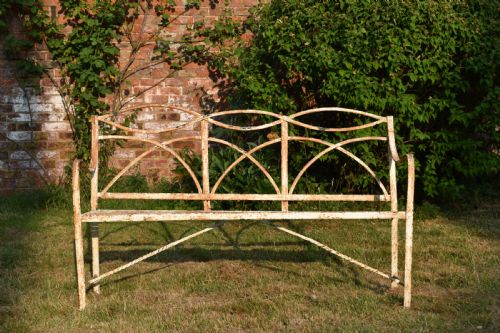
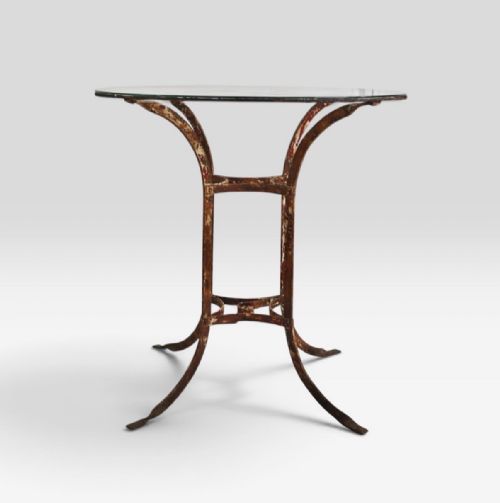
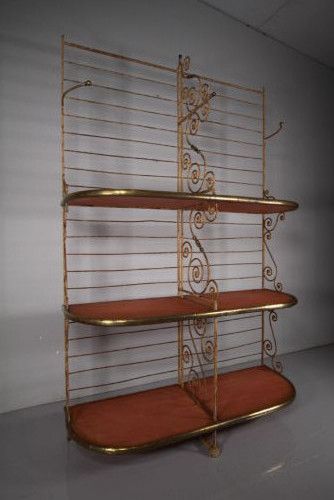
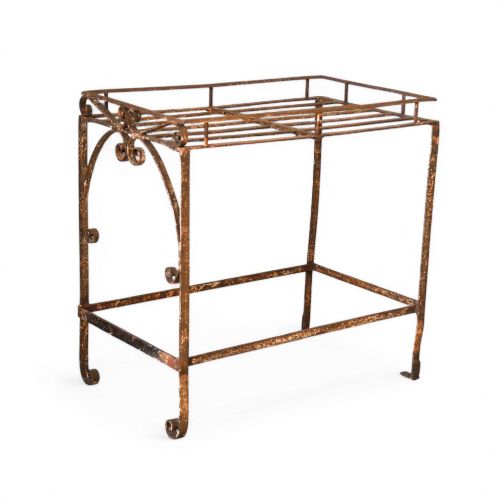
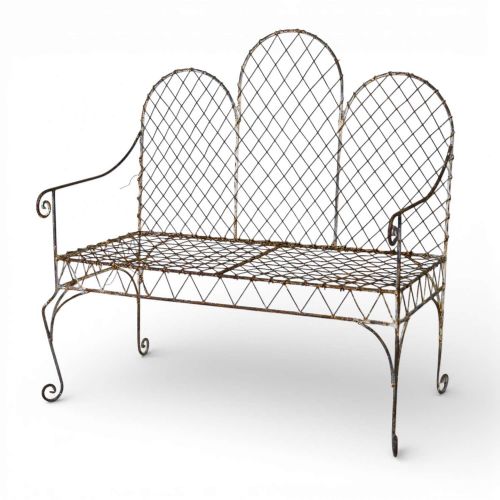
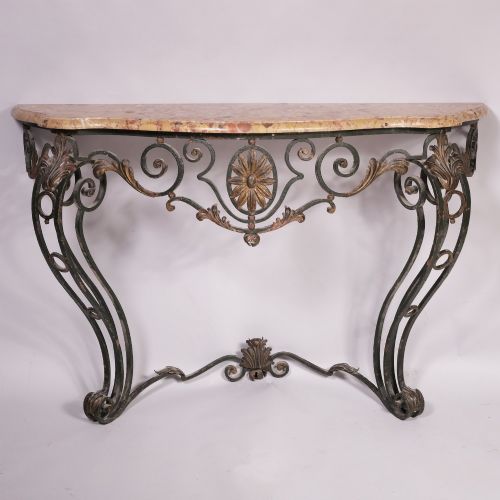
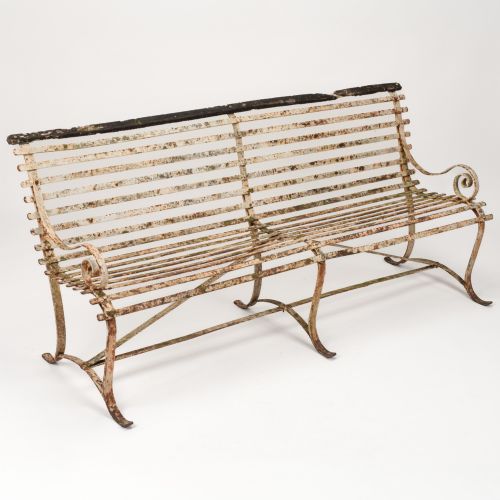
When you search for antique wrought iron furniture, you encounter robust seating and storage fashioned by blacksmiths and metalworkers across several centuries. The selections on this page span from Regency strapwork garden benches to industrial bakers racks and console tables.
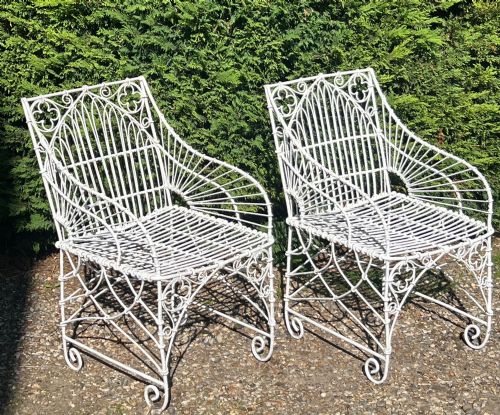
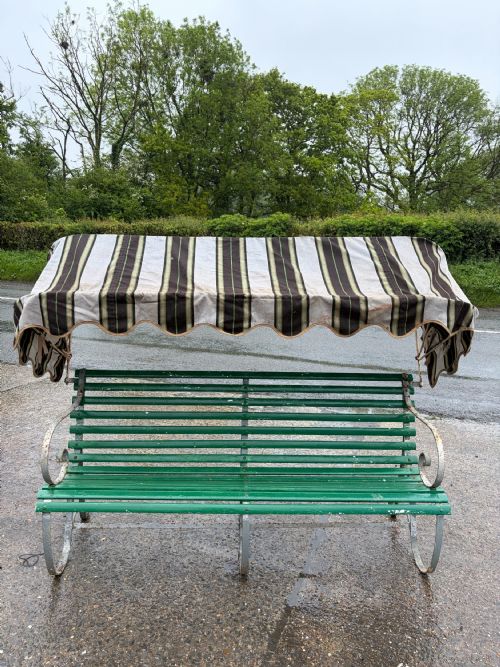
You are most likely to meet French and English garden seating alongside utilitarian bakery and patisserie racks. These pieces range from simple estate-made garden racks to ornate Victorian benches featuring canopies and scrolling scroll-work.
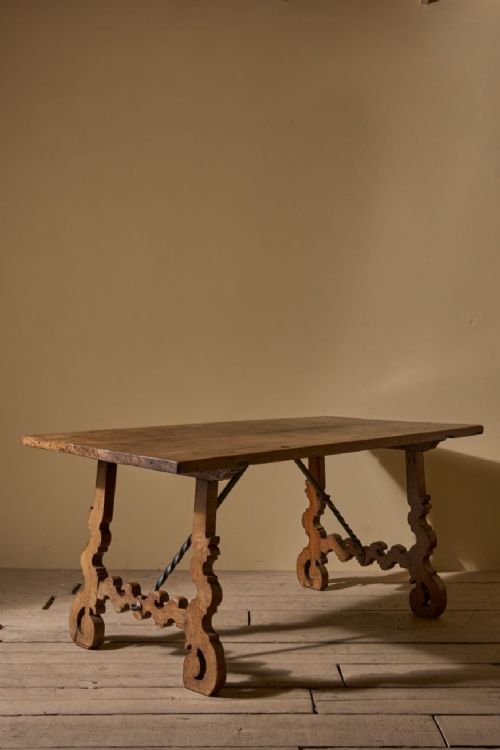
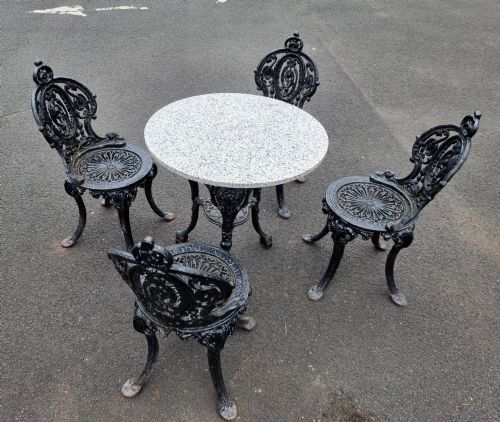
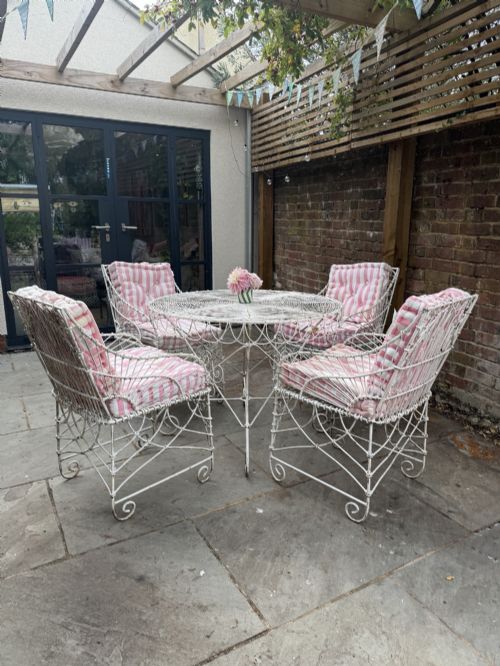
The forms extend beyond seating into plant stands, console tables, and dining sets designed for both exterior landscapes and grand interiors. Each piece demonstrates the heavy-duty utility demanded by bakeries, estates, and gardens of the past.
Materials and construction methods
Blacksmiths shaped wrought iron by heating the metal in a forge and hammering it on an anvil. This manual working aligns the slag inclusions within the iron, giving the material its characteristic fibrous grain and resistance to corrosion.
Makers combined hand-forged scroll-work with structural elements of cast iron, steel, and timber depending on the required load. Surfaces often retain layers of old paint, natural weathering, or original patination acquired over decades of exposure.
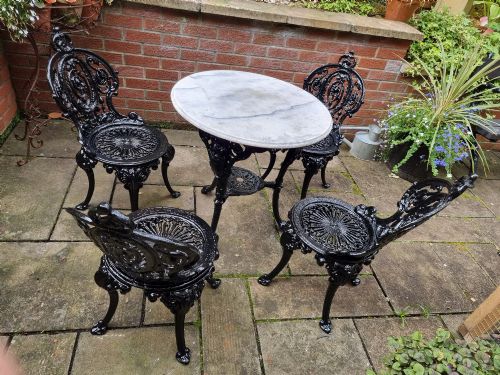
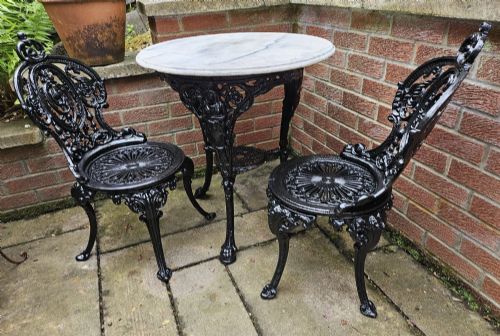
Certain interior forms incorporate contrasting materials such as marble tops on metal consoles or solid walnut sections paired with iron framework. Fasteners and joints rely on traditional riveting, collar joints, and forge-welding rather than modern welding.
Estate workers occasionally doubled as blacksmiths, hammering out sturdy garden racks with delightfully uneven scrolls during quiet winter afternoons.
Distinctions in quality and execution
The caliber of antique wrought iron furniture rests upon the deftness of the forging and the complexity of the scroll-work. Finely rendered strapwork and balanced proportions distinguish bespoke workshop commissions from mass-produced utilitarian items.
The integrity of the original metal forms a central pillar of distinction, where excessive pitting or thinning from rust diminishes the structural heft. Pieces retaining their early painted surfaces or authentic stamped foundry marks command greater consideration from purists.
Dubois of Lyon
The Antique Wrought Iron Furniture Glossary
- Wrought iron
- A tough, malleable form of iron containing silicate slag fibres that can be heated and hammered into decorative scrolls. It resists rusting far better than modern mild steel.
- Strapwork
- Flat strips of metal riveted or welded in geometric patterns to form supportive and decorative frameworks. This technique appears frequently on Regency garden benches.
- Bakers rack
- A tall, multi-tiered metal shelving unit originally utilised in French boulangeries for cooling bread and pastries. They now serve as prominent interior display shelving.
- Patination
- The natural sheen and surface changes developed by metal and paint over many decades of handling and atmospheric exposure. Good patination indicates age and undisturbed history.
- Console table
- A narrow table designed to stand against a wall, frequently featuring a marble top supported by an ornate iron base.
Antique Wrought Iron Furniture: Frequently Asked Questions
How do I protect antique iron garden furniture?
Keep the metal clean and dry during harsh winter months by storing pieces under cover or inside a shed. Applying a light coat of microcrystalline wax helps protect the surface and existing paint without altering the historic finish.
Avoid abrasive wire brushing when cleaning, as this removes original patination and exposes bare metal to fresh corrosion. Gentle washing with mild soapy water preserves the historic skin of the iron.
Can wrought iron furniture stay outside year round?
Wrought iron withstands outdoor conditions well due to its fibrous composition, but prolonged exposure to moisture accelerates rusting. Historic pieces benefit from sheltered placement on patios or lawns rather than direct contact with damp soil.
If left outside permanently, monitor the joints and feet where moisture collects most readily. Regular inspection ensures minor surface oxidation does not compromise structural integrity.
Where do bakers racks work best indoors?
Bakers racks provide vertical storage and display space in kitchens, dining rooms, and garden rooms. Their open ironwork allows light to pass through, making them ideal for smaller spaces that require functional shelving without visual bulk.
They also serve well in living areas for displaying collections of books and ceramics. The combination of sturdy metal shelves and decorative scroll-work adds industrial character to domestic interiors.