




Antique Writing Pad
An antique writing pad offers a tangible connection to historical correspondence, prized for rich mahogany, walnut, and decorative leather surfaces.
Antique Writing Pad
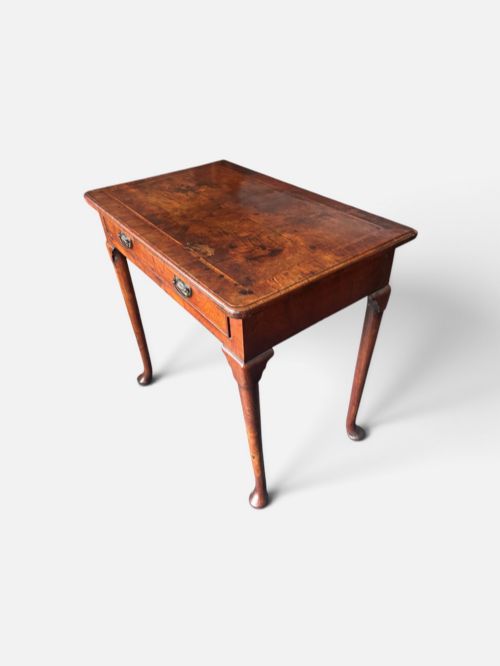
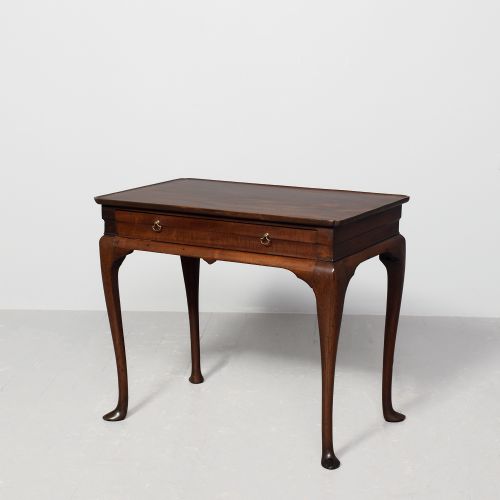
When you search for an antique writing pad, you encounter a curated selection of desk accessories, lowboys, and correspondence tables spanning the Georgian and Victorian eras. These items reflect traditional methods of letter writing and domestic administration, often featuring compartmentalised surfaces designed for paperwork.
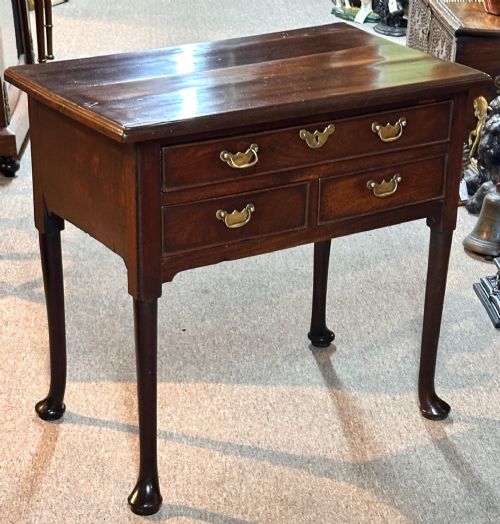
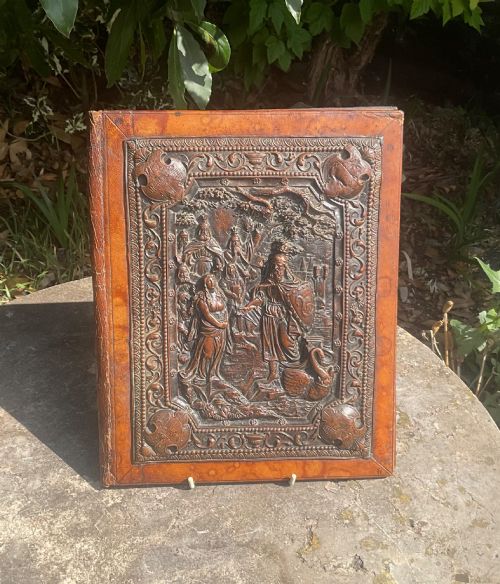
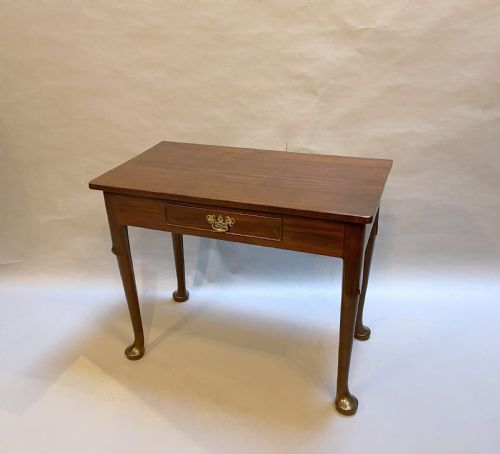
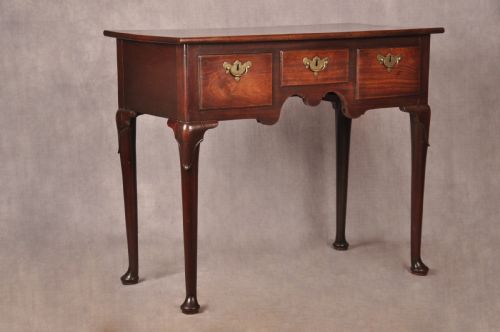
The pieces on this page lean heavily towards Georgian lowboys and side tables, alongside copper or silver-plated desk blotters from around nineteen hundred. Such forms serve functional roles in modern interiors while retaining the distinct craftsmanship of eighteenth and nineteenth-century workshops.
Materials range from substantial timber constructions like mahogany and walnut to delicate decorative details in brass, silver, and tortoiseshell. Each object bridges utility and aesthetic appeal, offering a practical workspace or surface for display.
Materials and construction methods
Makers utilised dense hardwoods such as mahogany and walnut for structural stability and fine grain finishing. These timbers formed the carcasses of lowboys and writing tables, often supported by cabriole legs or side frames.
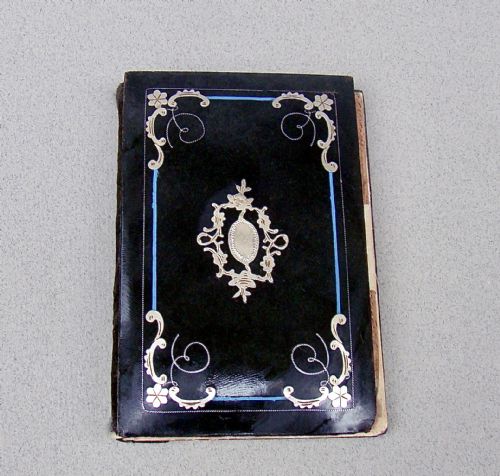
Metalwork played a key role in surface decoration and utility, employing brass, copper, and silver inlay. Tortoiseshell and gilt accents further enhanced desk blotters andaide-memoires, combining durability with refined ornamentation.
Materials represented across the selection include solid walnut, silver inlay, tortoiseshell, and gilt brass.
Distinguishing quality across examples
Quality reveals itself in the selection of timber and the precision of joinery, particularly in the construction of drawers and leg joints on lowboys. Superior examples display thoughtful grain matching and robust structural integrity.
The refinement of decorative elements, from silver inlay to brass hardware, distinguishes standard utility pieces from more ambitious commissions. Original surface patination and intact leather or blotter inserts also indicate a higher standard of preservation.
Wagner Lohengrin
The Antique Writing Pad Glossary
- Lowboy
- A small side table or dressing table with drawers, typically dating from the eighteenth century. These pieces frequently double as writing surfaces in smaller rooms.
- Aide-memoire
- A small memorandum book or decorative case used for recording notes. They often incorporate tortoiseshell and silver inlay.
- Blotter folio
- A desk accessory lined with absorbent paper for drying ink. These items frequently feature metal or leather covers.
- Cabriole leg
- A furniture leg that curves out and then in, resembling the leg of an animal. This form appears frequently on Georgian tables.
Antique Writing Pad: Frequently Asked Questions
How were lowboys used historically?
Lowboys served versatile roles in the home, functioning as dressing tables, side tables, or compact writing desks. Their small footprint allowed them to sit comfortably in bedrooms and reception rooms.
Drawers provided convenient storage for writing materials, documents, and personal items, keeping the top surface clear for correspondence.
Where should I place a desk blotter?
A desk blotter sits naturally on top of a writing desk, library table, or bureau to protect the wood surface while writing. It provides a smooth, slightly cushioned plane for pen work.
In modern settings, they serve equally well on contemporary home office desks to introduce historical texture and warmth.
How do I identify a Georgian lowboy?
Georgian lowboys typically feature walnut or mahogany construction with characteristic proportions, often supported by cabriole legs or straight legs with corner brackets. Drawer arrangements usually consist of one long drawer over two smaller ones.
Examining the secondary timbers inside the drawers helps confirm the period of manufacture and English provincial or metropolitan origin.
What maintenance do antique wood surfaces need?
Keep wooden writing furniture away from direct heat sources and strong sunlight to prevent the timber from drying out or warping. Regular dusting with a soft, dry cloth preserves the finish.
Applying a traditional beeswax polish occasionally helps nourish the wood and maintain its natural lustre without building up heavy residues.