
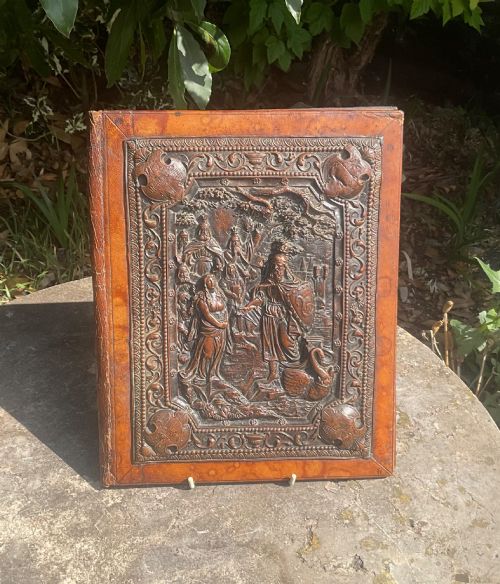
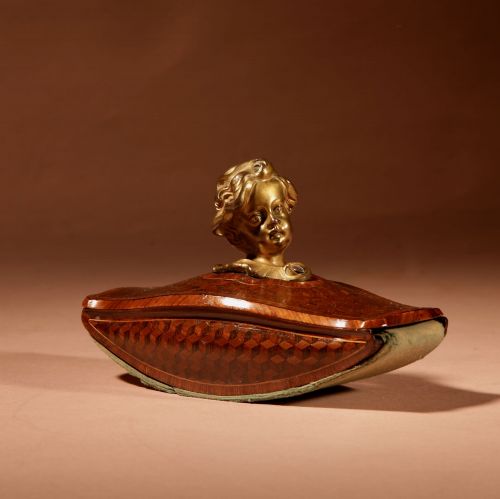


Vintage Desk Blotter
A vintage desk blotter is a writing desk accessory designed to absorb excess ink, and these pieces bring period craftsmanship to any study.
Vintage Desk Blotter
When you search for a vintage desk blotter, you encounter a range of desk accessories spanning the Victorian, Edwardian, and Art Deco periods. These items include rocker blotters, folio books, and complete desk sets used for correspondence before the ballpoint pen dominated daily writing.
The pieces on this page originate from diverse European traditions, encompassing French brass and marble stands alongside British silver and wood items. You are most likely to meet rocker ink blotters and folio books made from materials like leather, wood, and brass.
Many examples integrate with other desktop items, appearing alongside inkwells, stamp boxes, and writing cases. Their forms reflect the changing aesthetic tastes of the nineteenth and early twentieth centuries, moving from ornate nineteenth-century designs to clean Art Deco lines.
How they were made
Maker workshops utilised traditional metalworking techniques, casting brass and mounting ormolu onto French vert marble bases. Silversmiths hammered and plated metals to create folio books and rocker bases.
Cabinet makers joined wood with brass hardware, while glass artists pressed frosted and clear glass for decorative inkwells and blotter bodies. Leather and paper formed the absorbent core and protective covers of folding folios.
Listings feature items from the Victorian, Edwardian, and Art Deco periods, utilising brass, wood, leather, and frosted glass.
What varies in quality
Quality rests in the selection of materials and the execution of decorative details, such as the crispness of brass castings and the integration of marble mounts. Pieces featuring glass artistry by named makers demonstrate higher standards of design.
The preservation of original materials, including aged leather, untouched ormolu patination, and undamaged glass components, separates standard utilitarian pieces from finer decorative works.
Rene Lalique·Wagner Lohengrin
The Vintage Desk Blotter Glossary
- Rocker blotter
- A curved wooden or metal device with a handle and a replaceable sheet of absorbent paper used to dry ink. These handheld tools sat on desks across the Edwardian and Victorian eras.
- Folio book
- A folding leather or fabric-bound case designed to hold blotting paper and writing stationery. They often incorporate metal corners and clasps.
- Ormolu
- Gilded bronze or brass applied as decorative mounts on nineteenth-century desk stands and marble inkwells. This technique created rich metallic highlights on wooden and stone objects.
- Pounce pot
- A small perforated container used to sprinkle powdered resin or cuttlefish bone onto paper to prepare rough surfaces for writing. They pre-date modern blotting paper but appear in similar desk collections.
- Vert marble
- A dark green ornamental stone utilised for French desk stands and inkwell bases during the nineteenth century. It provided a heavy, stable foundation for daily writing instruments.
Vintage Desk Blotter: Frequently Asked Questions
How do I use a vintage desk blotter?
You slide or clamp a fresh sheet of absorbent paper onto the wooden or metal base of the rocker or folio.
Press or roll the blotter gently across freshly written ink to absorb excess moisture without smudging the handwriting.
What materials are common on these blotters?
Common materials include brass, wood, leather, silver, and ormolu mounts set upon marble bases.
Glass elements also appear, particularly in pressed glass designs from the early twentieth century.
How do I date a desk blotter?
Dating relies on the prevailing style, such as ornate Victorian brasswork, Edwardian wood rocker shapes, or geometric Art Deco lines.
Hallmarks on silver components and maker signatures on glass pieces provide more precise chronological markers.
Are these blotters part of larger sets?
Many items were originally produced as components of larger desk sets that included inkstands, stamp boxes, and writing cases.
Individual pieces often survived independently while retaining stylistic matches to inkwells and pen trays.
How do I clean a brass and marble blotter?
Dust marble surfaces gently with a dry cloth and avoid harsh chemical cleaners that might strip the original polish.
Leave brass patination untouched, as collectors generally prefer unpolished metal surfaces showing age.