


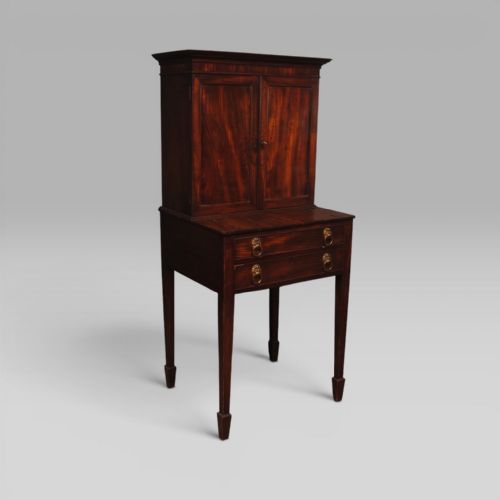

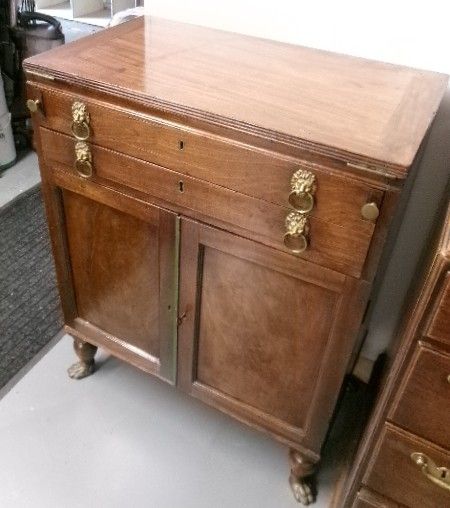


Antique Writing Cabinet Stand
An antique writing cabinet stand brings together compact storage and a dedicated writing surface, offering a handsome anchor for any room.
Antique Writing Cabinet Stand
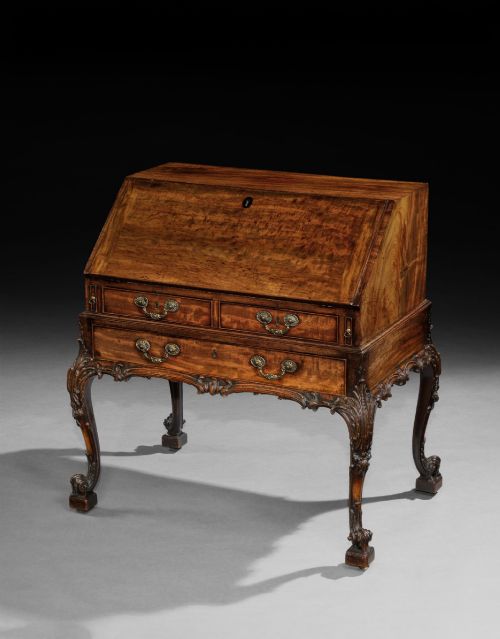
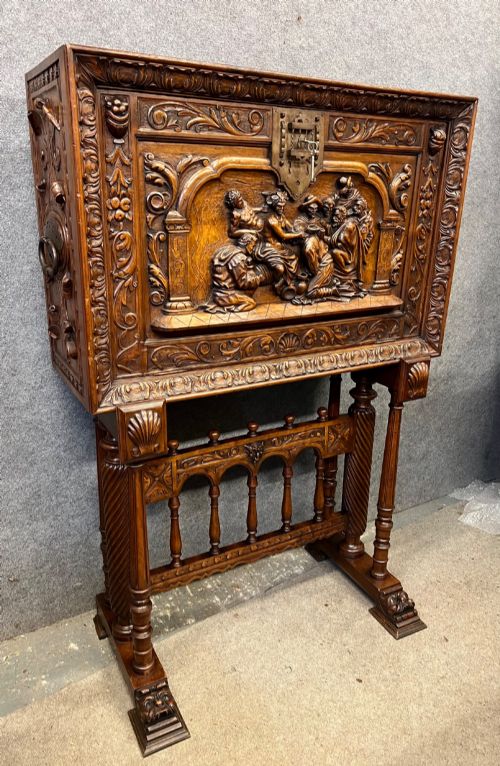
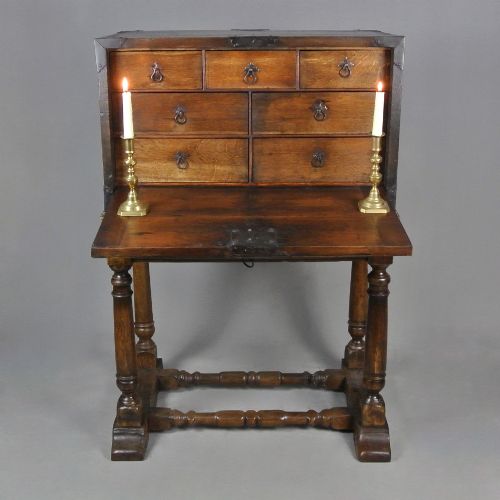
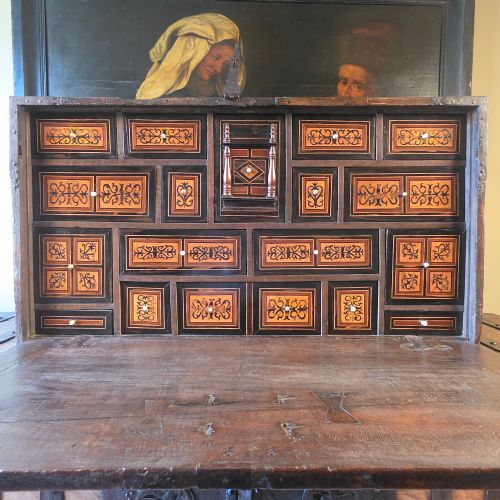
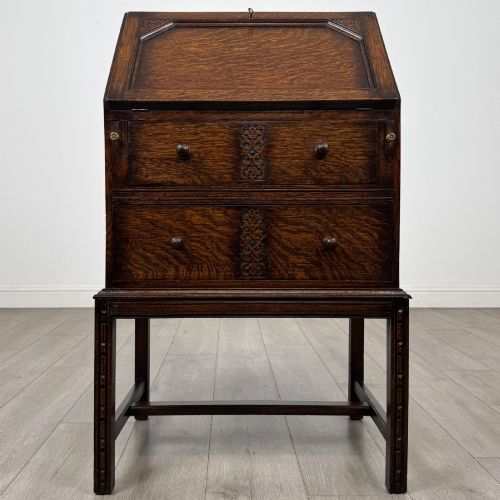
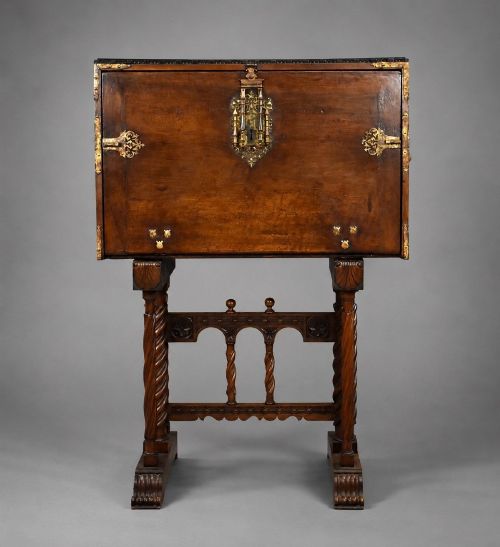
When you search for an antique writing cabinet stand, you encounter pieces designed to hold writing materials while raised upon legs, a frame, or a separate table base. These forms range from seventeenth-century walnut varguenos and Spanish strong boxes on stands to Georgian mahogany bureaux and Edwardian oak desks.
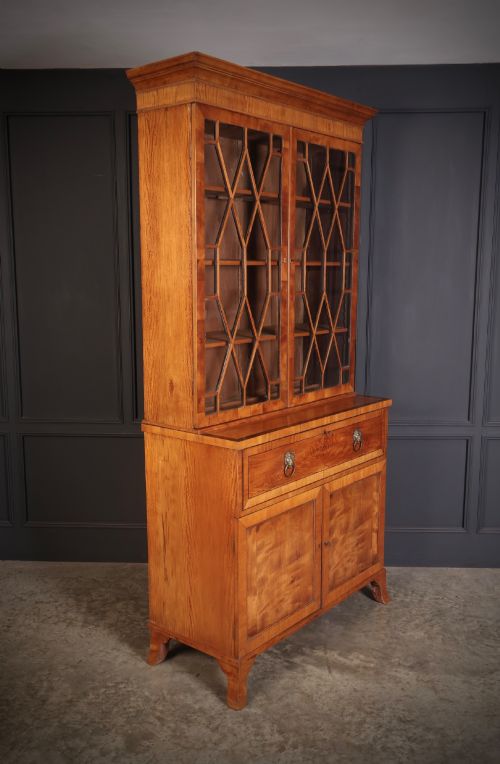
You are most likely to meet pieces spanning the seventeenth century through the Victorian and Edwardian periods, crossing styles like William and Mary, George III, and Spanish Renaissance. The selection includes escritoires, secretaire bookcases, and travelling bureaux on tables.
The underlying architecture generally combines a compartmented cabinet or desk section with a dedicated support structure, fulfilling the dual purpose of secure storage and practical writing utility.
Materials and construction methods
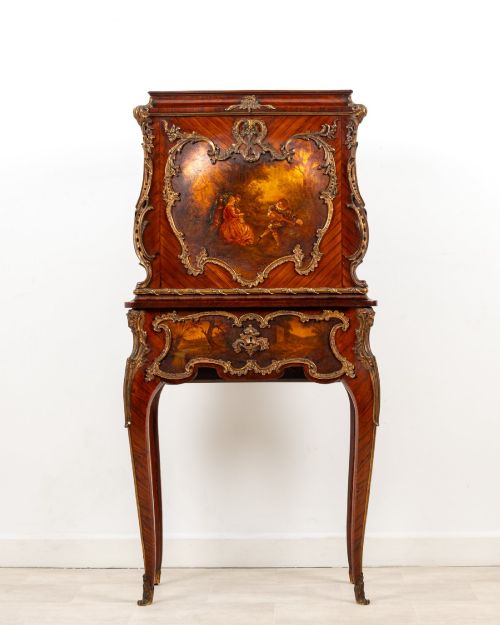
Cabinetmakers utilised timber construction predominantly, employing walnut, mahogany, and oak as structural foundations, often accented with satinwood, harewood, kingwood, or rosewood veneers and marquetry inlay. Walnut examples frequently display oyster cut veneers or burr patterns derived from careful timber selection.
Metalwork played a structural and decorative role, with brass handles, hinges, or paw feet complementing the woodwork, alongside iron mounts on earlier strong boxes and ormolu mounts on later continental pieces. Carving and decorative joinery defined the exterior surfaces, from heavily carved oak panels to intricate marquetry.
Antique Writing Cabinet Stand Retail Price Guide 2026
Typical asking prices for writing cabinet stand among the pieces listed under this phrase on Sellingantiques today, from the lower quarter to the upper quarter. They describe what is for sale here now, not the wider market.
One oak bookcase cabinet carries later sign-writing detailing German beer emblems, turning a traditional piece into a localized relic.
Judging execution and finish
The distinction between tiers of execution rests upon the precision of the cabinetwork, particularly in the internal fitted drawers and secret compartments. Superior examples exhibit seamless veneer matching, precise dovetailing, and careful timber selection across both visible and hidden surfaces.
Proportion and the integrity of the stand relative to the upper cabinet govern visual success. Pieces retaining their original matching stands and uncompromised surface patination command greater regard than those assembled from mismatched components or subjected to heavy modern intervention.
Stanley Webb Davies·Edwards and Roberts·Adriano Brambilla
The Antique Writing Cabinet Stand Glossary
- Bureau
- A desk with a sloping flap that opens to reveal a fitted interior of small drawers and pigeonholes. This form sits either on a dedicated frame or acts as the upper section of a cabinet.
- Vargueno
- A traditional Spanish cabinet type featuring a drop front that opens to display an elaborate arrangement of small drawers and compartments. It is typically mounted on a trestle or carved stand.
- Escritoire
- A writing cabinet or fall-front desk popular during the seventeenth and eighteenth centuries. It provides a vertical writing surface supported by a lower cabinet or stand.
- Secretaire
- A piece of furniture containing a drawer or compartment with a drop-down writing front. It often conceals a fitted interior designed for stationery and letters.
- Oyster veneer
- Timber cut transversely across small branches or roots to produce circular or oval patterns resembling oyster shells. This technique appeared frequently on late seventeenth-century walnut furniture.
- Marquetry
- Decorative patterns formed by the insertion of pieces of wood, bone, or other materials into a veneer. It creates elaborate pictorial or geometric designs across the surface.
Antique Writing Cabinet Stand: Frequently Asked Questions
What is a vargueno cabinet?
A vargueno is a distinctive Spanish cabinet featuring a drop-front panel that opens to reveal an intricate array of small drawers and gilded or painted compartments. These pieces historically rested upon decorative stands or tables for transport and display.
They represent early portable writing and storage architecture, reflecting Renaissance craftsmanship with heavy walnut construction and ornate iron mounts.
How do I date an oak bureau?
Dating relies on examining construction techniques, timber choice, and hardware styling, such as dovetailing methods, drawer linings, and the profile of the mouldings. Seventeenth-century examples often display pegged joints and heavy paneling, whereas Edwardian pieces show machine-sawn uniformity.
Hardware placement and lock mechanisms also offer clues, as hand-forged iron gives way to cast brass over successive centuries.
Are these pieces suitable for daily use?
These cabinets and desks accommodate modern stationery and laptop usage well, provided the writing surfaces are treated with appropriate care and protection against spills. Their internal compartments assist with desktop organisation.
Placing them away from direct heat sources and strong sunlight preserves the historic timber and veneer finish.