


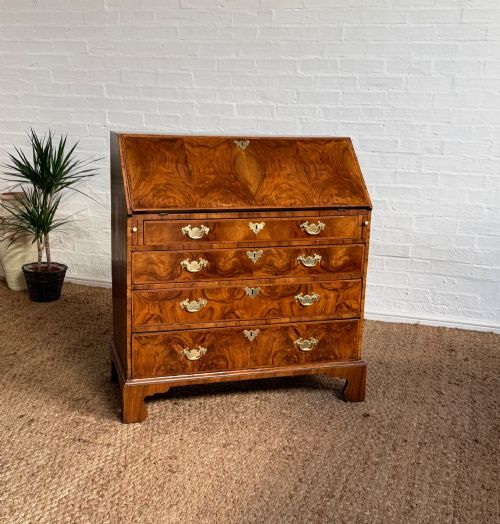
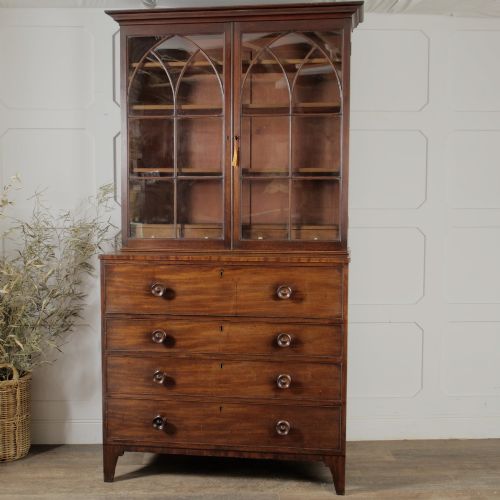
Antique Writing Cabinet Chest
An antique writing cabinet chest offers a practical workspace combined with concealed storage, uniting architectural presence with domestic utility.
Antique Writing Cabinet Chest
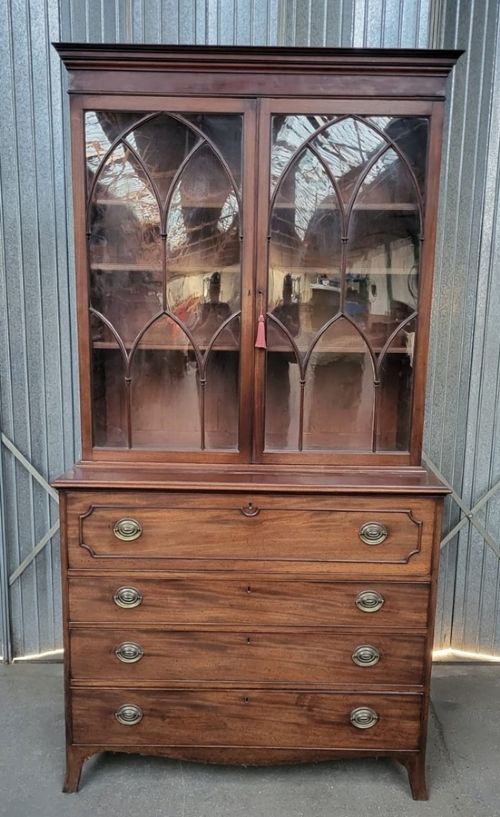
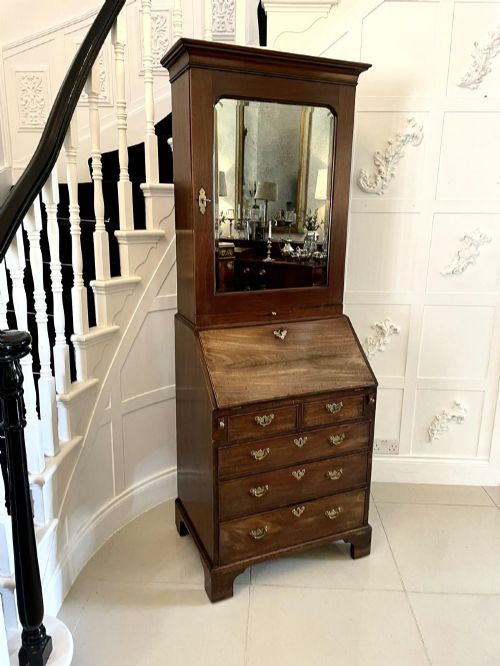
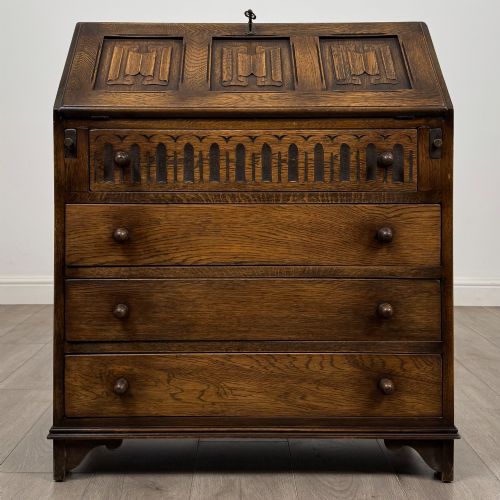
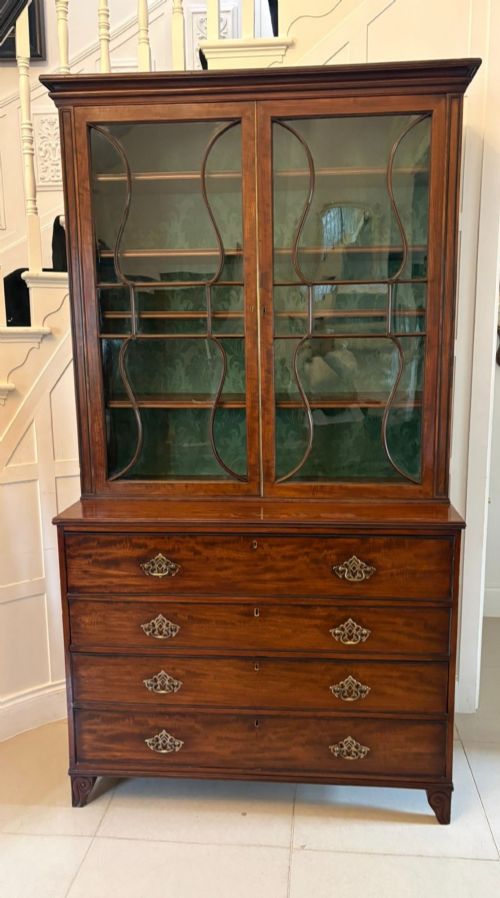
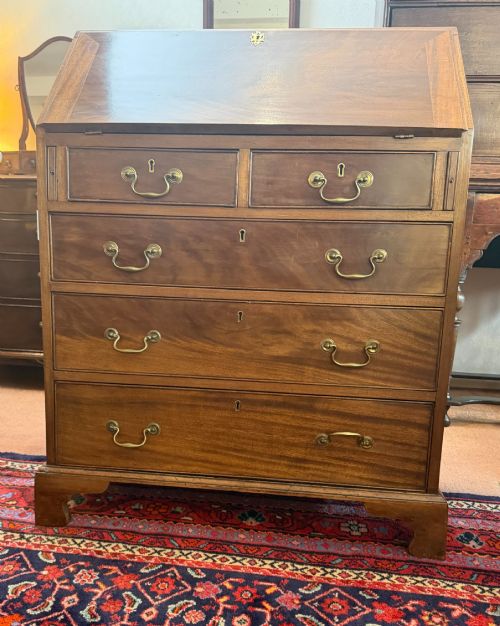
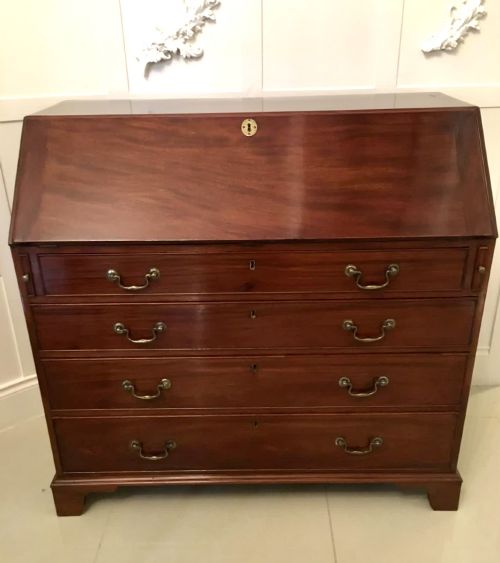
Buyers encounter bureau bookcases with glazed upper doors, fall-front bureaux with fitted interiors, and specialised furniture such as Wellington chests and escritoires. These pieces bridge the gap between a chest of drawers and a writing desk.
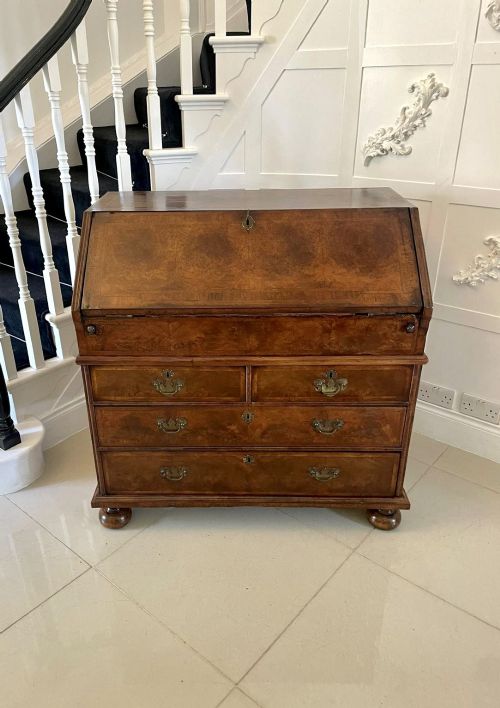
Origins span English workshops alongside Continental examples in burr walnut, mahogany, and oak. The core function remains the provision of a private writing surface supported by secure drawer storage underneath.
Assessing craftsmanship
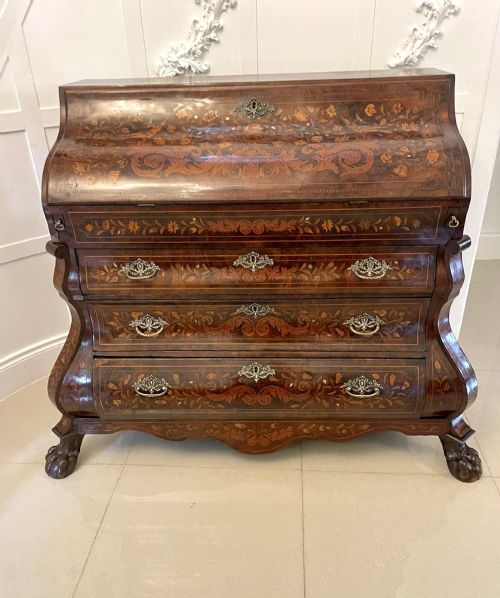
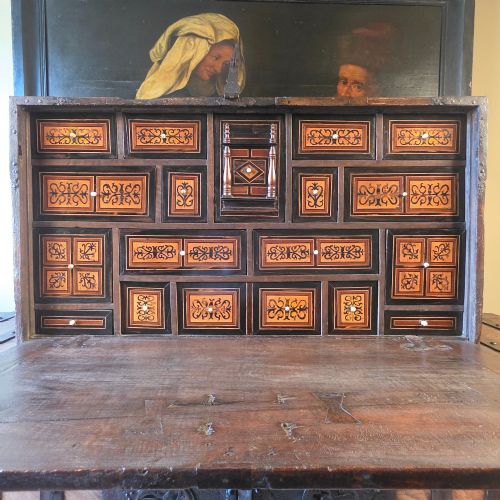
Superior examples demonstrate precision in veneer matching, particularly on burr walnut or flame mahogany surfaces where grain patterns mirror across central axes. The crispness of marquetry inlay and the subtlety of floral designs indicate the skill of the artisan.
Internal arrangement complexity separates standard pieces from exceptional ones, with concealed compartments, secret drawers, and well-fitted pigeonholes showing higher grade execution. Structural integrity in the fall-front mechanism and the alignment of drawer runners govern overall execution.
Several pieces conceal hidden compartments behind internal pigeonholes for storing secret correspondence.
George Oakley·Maison Krieger·Gillows
The Antique Writing Cabinet Chest Glossary
- Bureau
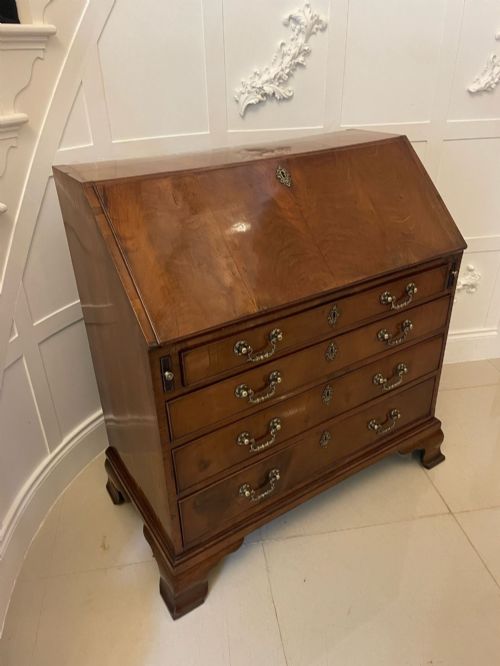
- A desk with a sloping hinged lid that opens to form a writing surface above a chest of drawers. This form evolved significantly during the seventeenth and eighteenth centuries.
- Secretaire
- A piece of furniture containing a drawer or compartment that pulls down to reveal a writing desk fitted with small drawers and pigeonholes. It frequently mimics the appearance of a standard chest of drawers.
- Marquetry
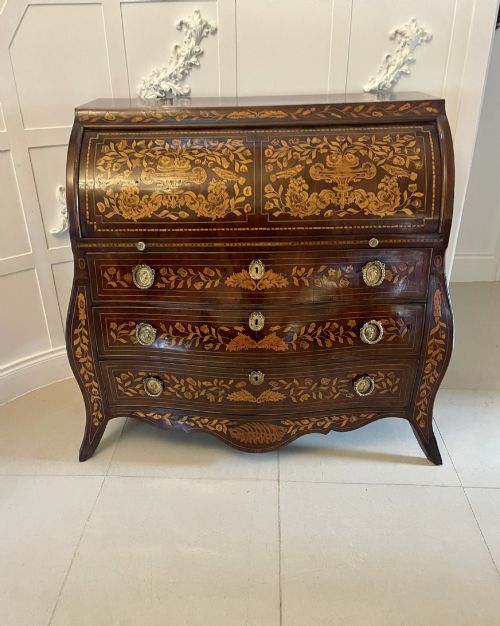
- Decorative veneer work consisting of inlaid pieces of wood, bone, or metal forming pictorial or geometric designs. Craftsmen applied these patterns to bureau facades and cabinet doors.
- Tambour
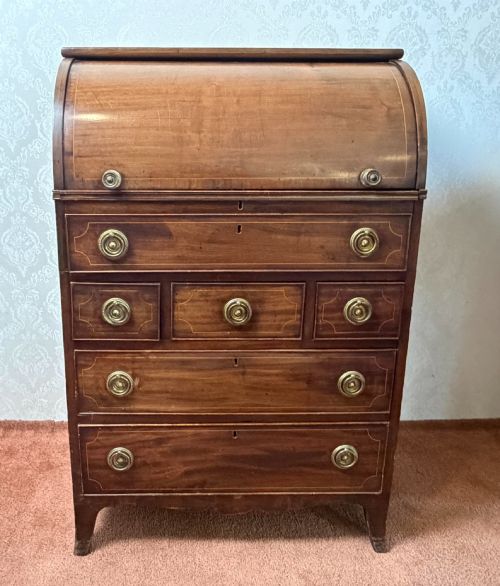
- A sliding shutter or door made of narrow vertical strips of wood glued to a canvas backing. This mechanism allows curved writing desks to conceal compartments.
Antique Writing Cabinet Chest: Frequently Asked Questions
What is a secretaire chest?
A secretaire chest combines the outward appearance of a standard chest of drawers with an upper drawer that drops forward on hinges. This hinged front reveals a fitted writing interior complete with small drawers and pigeonholes.
Beneath this pull-out writing section, standard storage drawers continue to the floor. This hybrid design offered private correspondence facilities without requiring a dedicated standalone desk.
How do I date a walnut bureau?
Dating relies on carcass construction, timber selection, and hardware styles. Earlier pieces from the seventeenth and early eighteenth centuries often utilise figured walnut and herringbone inlay on oak frames.
Later nineteenth-century examples display different veneering techniques and internal drawer configurations. Examining the secondary timbers inside the drawers provides additional chronological clues.
Where were these cabinets placed?
These pieces suited private withdrawing rooms, libraries, and bedrooms where correspondence and personal record keeping took place. Their dual function saved space by combining a desk with household storage.
Bookcase variants housed valuable library collections behind glass doors while keeping writing materials close at hand. The enclosed writing flap kept unfinished letters out of sight when guests visited.
How do fall-front desks work?
The fall-front panel is hinged along its lower edge, allowing it to fold down into a horizontal position for writing. Internal lopers or wooden arms pull out from the carcass to support the weight of the open flap.
When closed, internal brass hooks or locks secure the writing surface upright against the cabinet body. This mechanism keeps the fitted interior dust-free and private.