






Antique Woven Silk Panel
An antique woven silk panel brings centuries of textile artistry into a room, offering rich texture and historic design.
Antique Woven Silk Panel
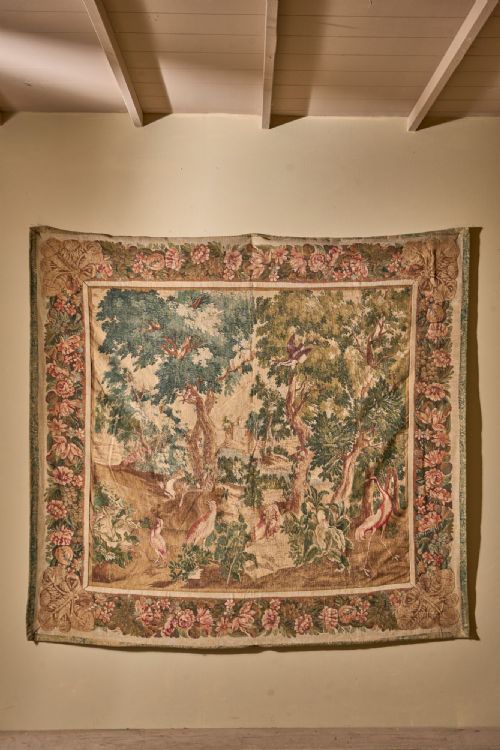
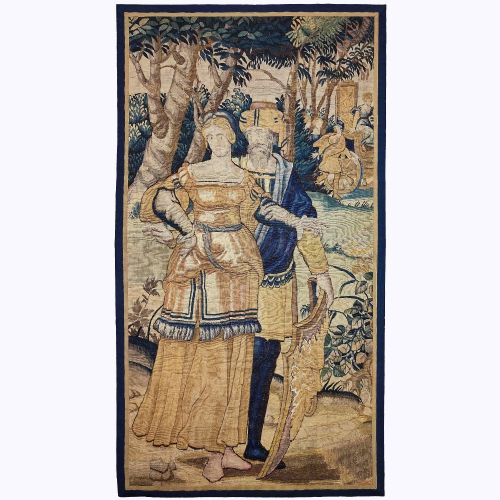
When you search for an antique woven silk panel, you encounter a diverse range of historic textiles spanning several centuries. The selection includes large wall hangings, framed fragments, and smaller decorative panels originating from European and Asian traditions.
You are most likely to meet 18th century and 19th century examples on this page, alongside earlier Flemish works and traditional tribal pieces. These textiles served various decorative and functional roles in historic interiors, from wall tapestries to cushion covers.
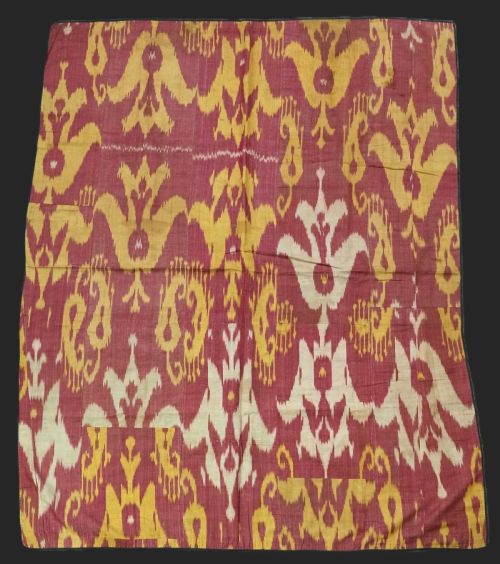
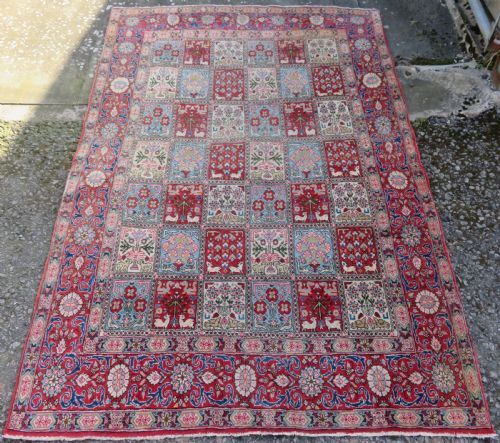
The materials and styles vary widely, reflecting the specific regional workshops and periods of their creation. European Baroque and Rococo designs sit alongside Uzbek ikats, Persian tribal rugs, and intricate silk lampas weaves.
How they were made
The construction of these textiles relies on traditional loom techniques utilising silk, wool, cotton, and occasionally metal thread. Weavers combined these fibres to create complex patterns, rich velvet textures, and dense pile surfaces.
Ciseler techniques and lampas weaving demonstrate the high level of skill employed in European workshops. Meanwhile, Central Asian pieces like the Uzbek ikat and Saryk Turkmen chuval face showcase distinct regional dyeing and weaving traditions.
Listings feature periods ranging from the 16th century to the 1930s, incorporating Flemish, French, Uzbek, and Persian styles.
What varies in quality
The distinction between standard examples and the finest panels rests on the intricacy of the weave and the preservation of the materials. Dense silk threadwork and sophisticated patterning indicate superior craftsmanship.
The integrity of the fibres and the stability of the structure also define the standard of a piece. Panels that retain their original scale, rich colour depth, and crisp design details command greater attention from collectors.
The Antique Woven Silk Panel Glossary
- Lampas
- A complex woven textile technique featuring a ground weave and supplementary pattern threads. This method creates striking contrasts in texture and sheen.
- Verdure tapestry
- A type of wall hanging dominated by botanical and landscape motifs. These scenes typically feature foliage, trees, and occasional animals.
- Ciselé velvet
- A velvet fabric where the pile is cut in relief to form a pattern against an uncut ground. It requires precise loom control during manufacture.
- Jajim
- A flatwoven textile traditionally produced in strips and stitched together. They often feature bold geometric stripes.
- Chuval
- A large face-bag used by nomadic tribes for storage. They are frequently characterised by repeating gul motifs and fine knotting.
Antique Woven Silk Panel: Frequently Asked Questions
How were antique woven silk panels displayed?
Historic interiors utilised these textiles primarily as wall hangings, tapestries, or decorative pilaster borders. Wealthy households mounted large panels to insulate stone walls and add colour to reception rooms.
Smaller fragments and cushion covers were incorporated into soft furnishings or framed as textile art. Today, collectors typically mount them behind glass or hang them directly on interior walls using conservation-safe supports.
How do I care for an antique silk panel?
These delicate textiles require protection from direct sunlight to prevent the silk fibres from fading and degrading over time. Ambient humidity should remain stable to avoid moisture damage to organic materials like wool and cotton.
Professional mounting provides structural support for fragile fragments, reducing tension across the weave. Regular, gentle dust removal with a soft brush helps maintain the surface without disturbing the threads.
How can I tell the period of a textile panel?
Dating relies on analysing the specific design style, such as the exuberant curves of French Baroque or the geometric motifs of tribal rugs. Material composition and weaving techniques also provide strong indicators of the era of manufacture.
Comparing structural details against documented examples from the 16th century through to the 1930s helps narrow down the origin. Regional characteristics, such as specific dye palettes used in Bukhara or Flemish workshops, offer further chronological clues.
What is the difference between a tapestry and a silk panel?
Tapestries are typically heavy, hand-woven pictorial wall hangings constructed with weft-faced threads that obscure the warp entirely. They frequently depict narrative scenes or verdure landscapes using wool and silk. N Silk panels encompass a broader category of flat-woven or velvet textiles where silk is the dominant material. These may feature geometric patterns, lampas weaves, or ikat designs rather than pictorial narrative scenes.