
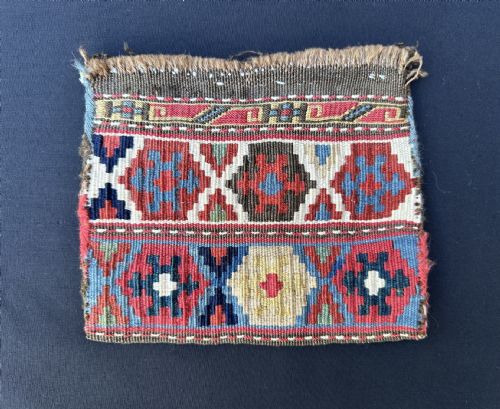
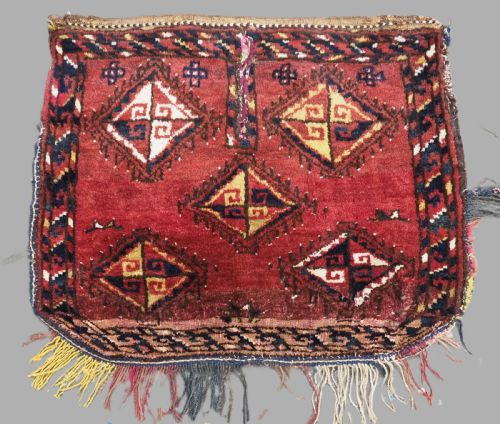


Antique Woven Bag
When you search for an antique woven bag, you encounter the utilitarian textile art of nomadic and tribal weavers across Persia, Central Asia and the Caucasus.
Antique Woven Bag
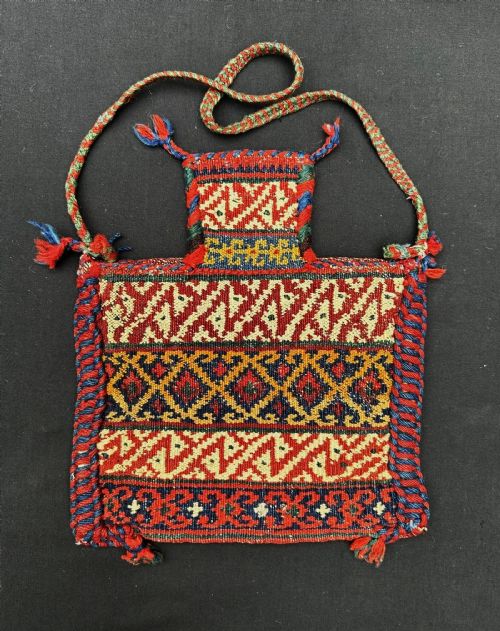
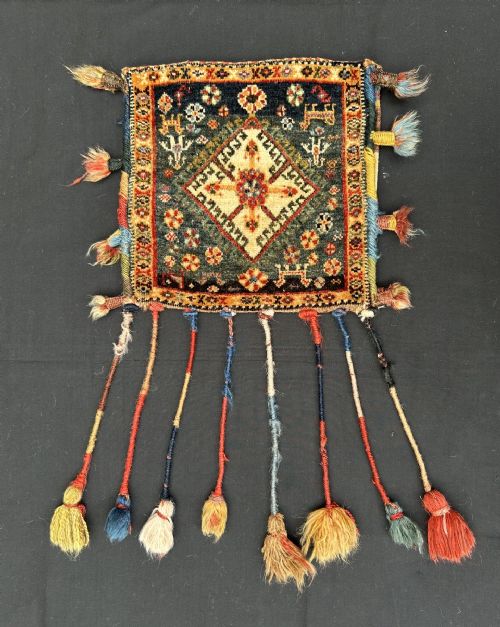
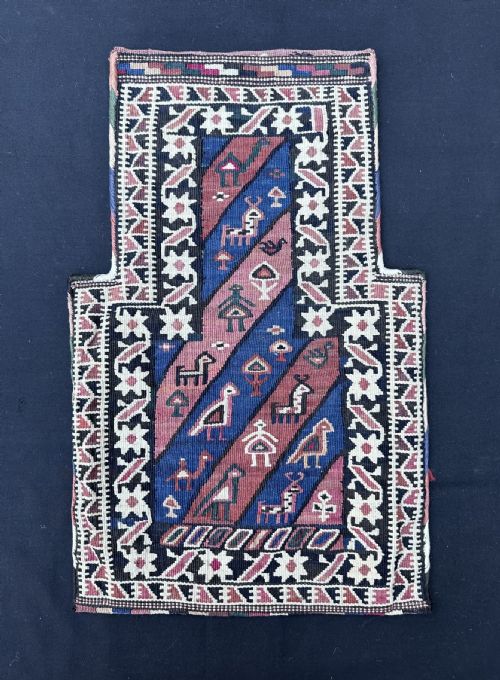
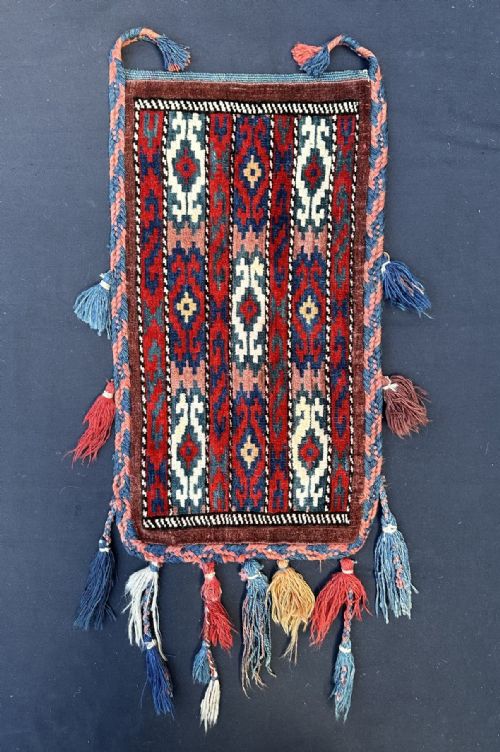
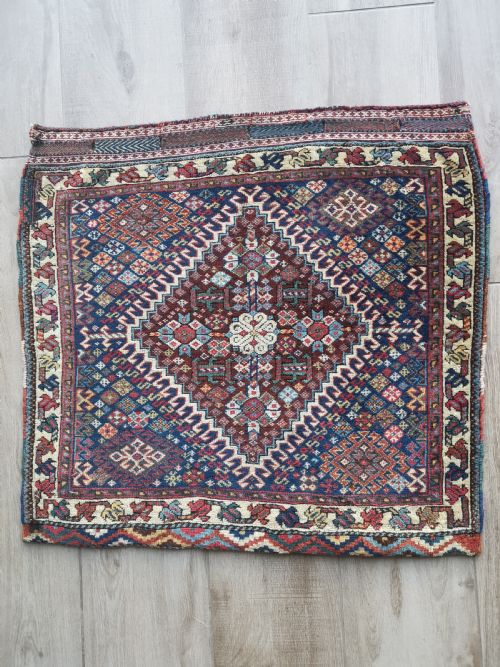
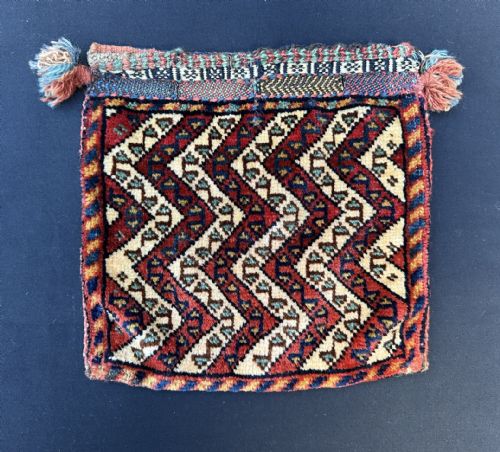
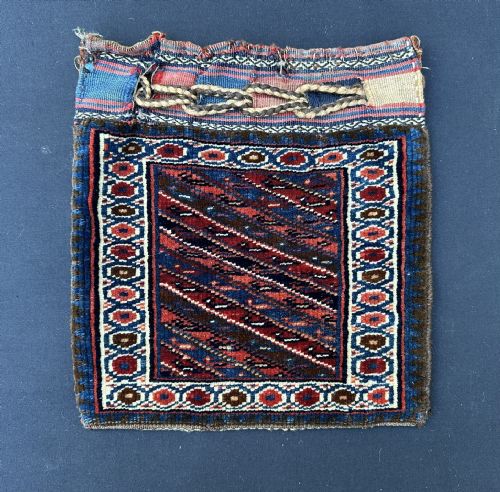
An antique woven bag represents the functional artistry of tribal and nomadic groups, including the Qashqa'i, Turkmen, Afshar and Baluch, created during the nineteenth and early twentieth centuries.
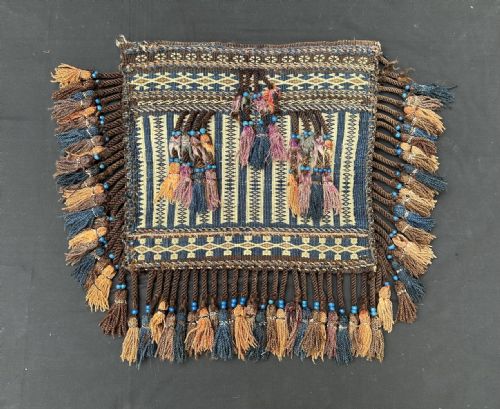
These pieces encompass specific utilitarian forms such as salt bags, saddle bags, vanity bags, storage sacks and tent trappings, rather than domestic floor rugs.
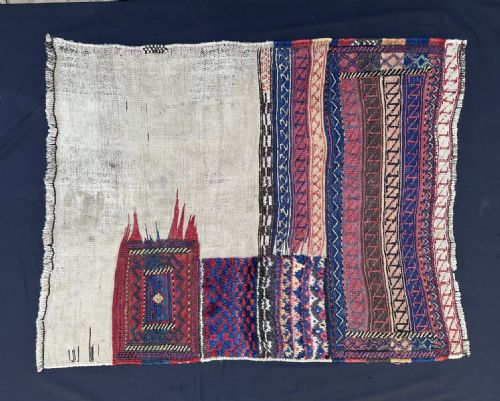
You are most likely to encounter smaller fragments, complete bag faces, and intact pouches displaying tribal motifs that reflect the specific confederacy or region of origin.
What Varies in Quality
Quality rests in the handling of the wool, the saturation and clarity of the natural dyes, and the precision of the tribal patterning.
The sophistication of the design layout and the rarity of the specific tribal attribution elevate certain items above standard utilitarian examples.
Listings feature nineteenth and early twentieth century pieces originating from Persian, Turkmen and Afghan tribal groups.
The Antique Woven Bag Glossary
- Khorjin
- A traditional double saddlebag used by nomadic groups for transport and storage. These pieces were often cut apart over time, leaving individual bag faces.
- Torba
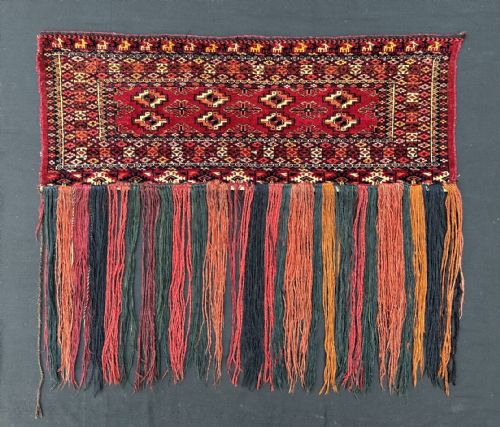
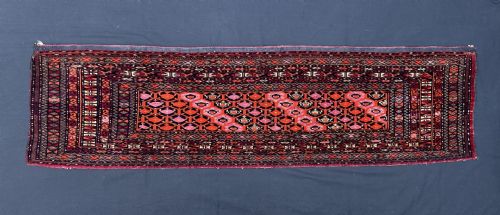
- A small storage bag produced by Turkmen tribes, typically wider than it is tall. They hung inside tents to hold household possessions.
- Chuval
- A large storage bag made by Turkmen weavers, used for bedding and household goods. These pieces display distinct tribal gul motifs.
- Chanteh
- A small vanity or personal bag woven by Persian nomads. They served as personal carriers for small items.
- Gul
- A medallion-like design element repeated across Turkmen and tribal textiles. Each pattern identifies the specific tribe or clan of the maker.
Antique Woven Bag: Frequently Asked Questions
What were antique woven bags used for?
Nomadic tribes utilised these containers for daily camp life, storing salt, grain, bedding and personal belongings during seasonal migrations. Saddlebags transported goods across pack animals while smaller pouches kept personal items secure inside tents.
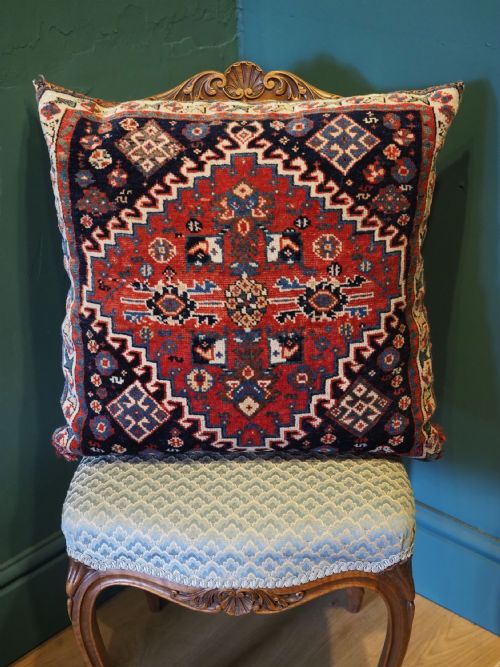
Over generations, many functional containers were separated into individual bag faces or converted into cushions for domestic display.
How do I identify different tribal styles?
Tribal attribution relies on specific colour palettes, structural formats and repeating motifs. Turkmen weaving is characterised by deep reds and distinct gul medallions, while Qashqai and Afshar pieces often feature geometric field patterns and varied animal or human figures.
Examining the weave density and wool quality helps narrow the origin to specific regions in Persia, Central Asia or the Caucasus.
How should I display a bag face at home?
Bag faces and small trappings mount successfully on textile-safe walls using discreet conservation-grade hanging methods or display rails. Alternatively, sturdy pieces function well as small table covers or decorative elements on low furniture.
Keeping textiles away from direct sunlight preserves the natural dyes and protects the wool fibres from degradation.
How do I care for antique wool textiles?
Maintenance requires gentle vacuuming on a low suction setting with a mesh screen to protect loose fibres and old threads. Professional textile conservators should handle any necessary washing or structural repairs.
Regular inspection prevents insect damage and ensures the wool remains clean and stable over time.