
Antique Wool Textile
An antique wool textile brings centuries of woven heritage into a modern room through tribal artistry and detailed needlework.
Antique Wool Textile
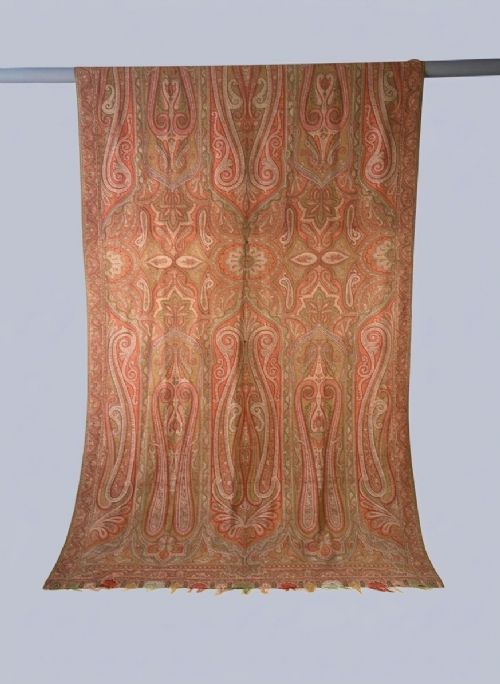
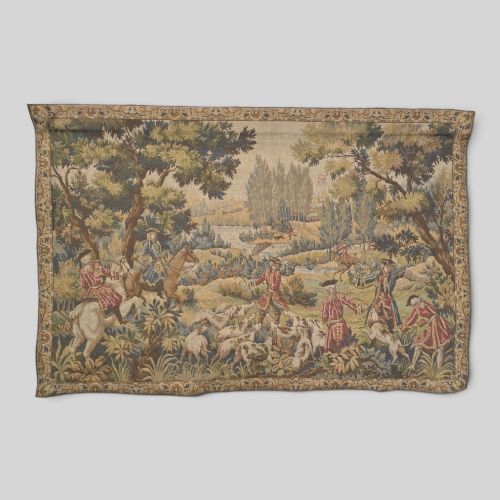
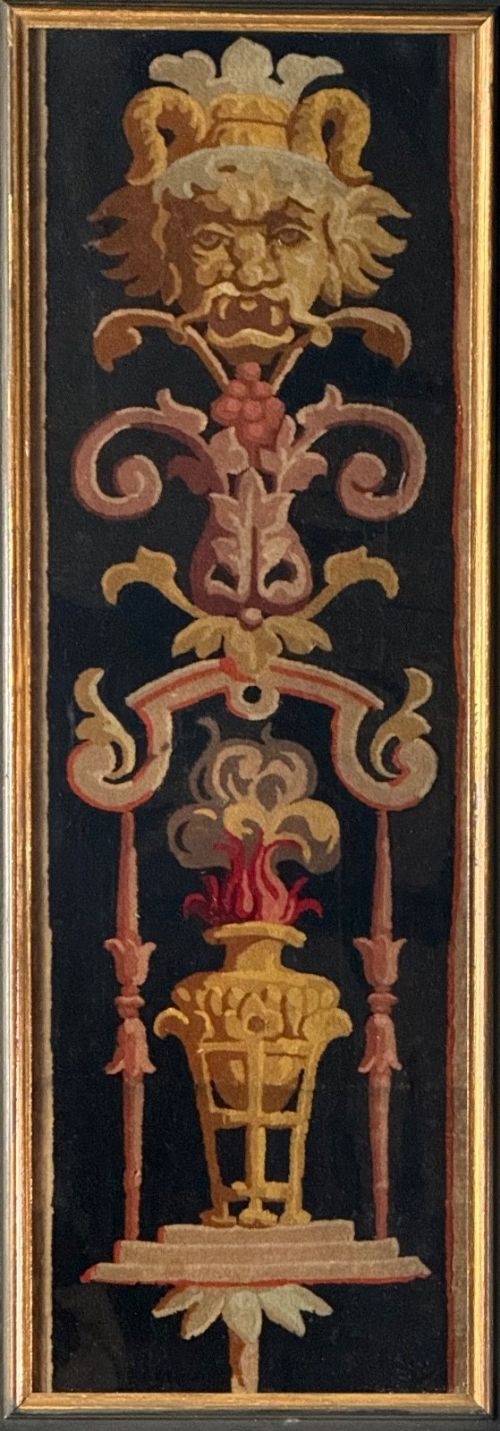
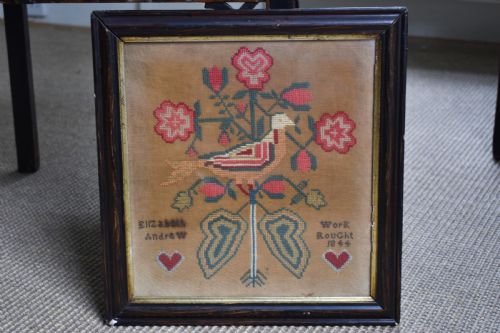
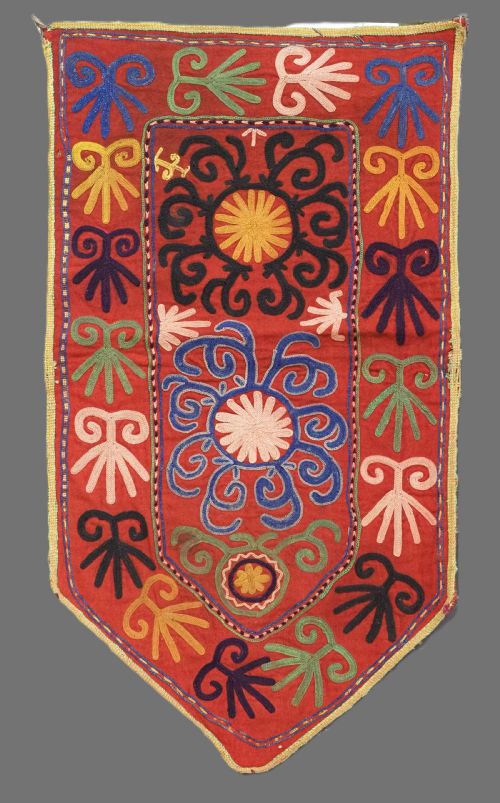
An antique wool textile encompasses a broad spectrum of historic woven items, ranging from Persian tribal bags to European tapestries and Scottish shawls. When searching for an antique wool textile, buyers frequently encounter nineteenth-century needlework samplers, Central Asian embroideries, and framed decorative panels. These pieces reflect diverse cultural traditions, utilising durable wool alongside cotton, silk, and linen to create lasting domestic and ceremonial objects.
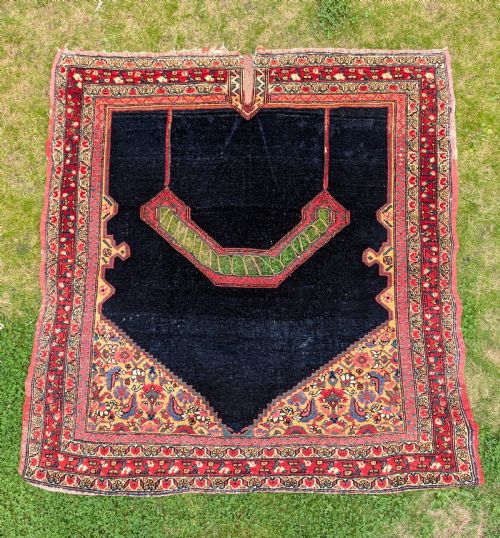
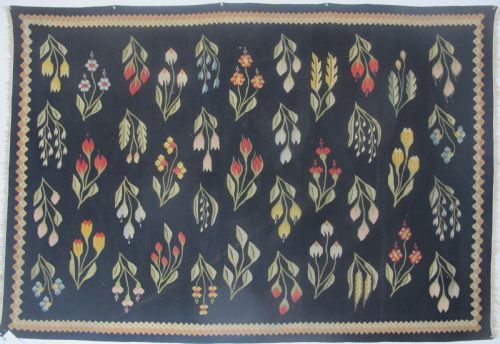
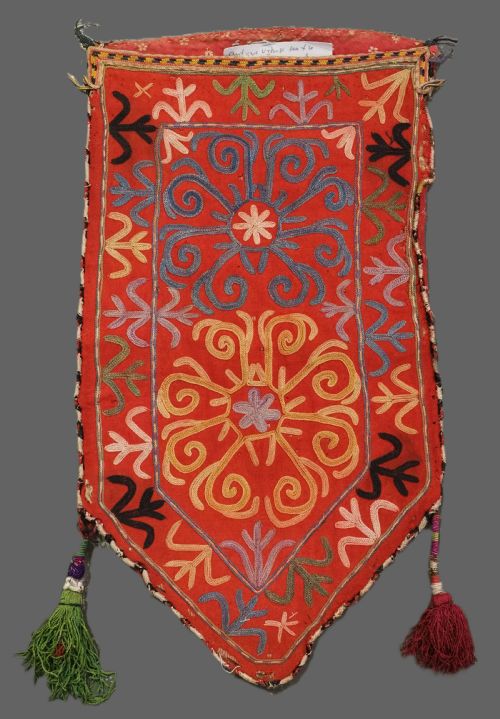
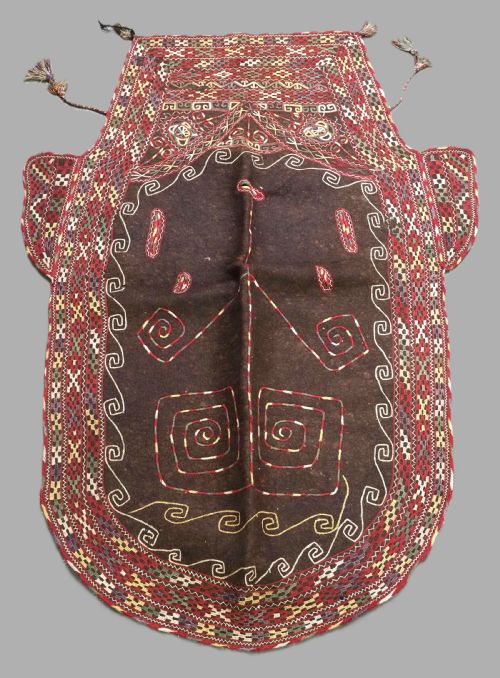
The selection includes specialised functional items such as saddle covers, horse blankets, tobacco bags, and storage pouches originating from nomadic groups. Wall hangings, tapestries, and crewelwork panels also feature prominently, representing both European craftsmanship and tribal weaving techniques. Pieces span multiple centuries, with significant representation from the nineteenth and early twentieth centuries.
Materials and Construction Methods
The primary material across these pieces is wool, often combined with hand-spun wool, cotton, silk, and linen to add texture and structural contrast. Artisans employed various techniques, including needlework, embroidery, crewelwork, and traditional weaving, to construct durable surfaces decorated with complex motifs.
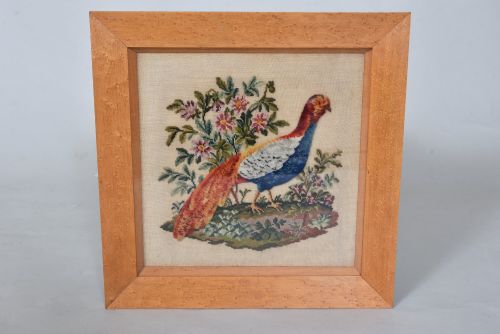
Support materials such as canvas and wood frequently accompany the textiles, particularly in framed needlework samplers and plushwork panels. Embroidered ceremonial blankets and tribal bags rely on tight stitching and felting methods to ensure longevity and resilience.
Listings feature wool textiles spanning from the seventeenth century through to the early twentieth century, incorporating cotton, linen, and silk elements.
Evaluating Quality and Execution
Quality in these textiles depends heavily on the precision of the needlework or weaving and the complexity of the design layout. Finer examples display dense, even stitching, vibrant dye retention, and well-balanced compositions that maintain their structural integrity across the entire surface.
The origin and cultural authenticity of the weaving influence the overall character of the piece. Nomadic and tribal pieces demonstrate distinct regional patterns, where the intricacy of the tribal motifs and the quality of the preparation separate standard utility objects from superior examples.
The Antique Wool Textile Glossary
- Crewelwork
- Embroidery executed in wool yarn on a heavy fabric base such as linen or cotton. This technique creates textured, raised designs frequently seen on historic wall hangings and panels.
- Sampler
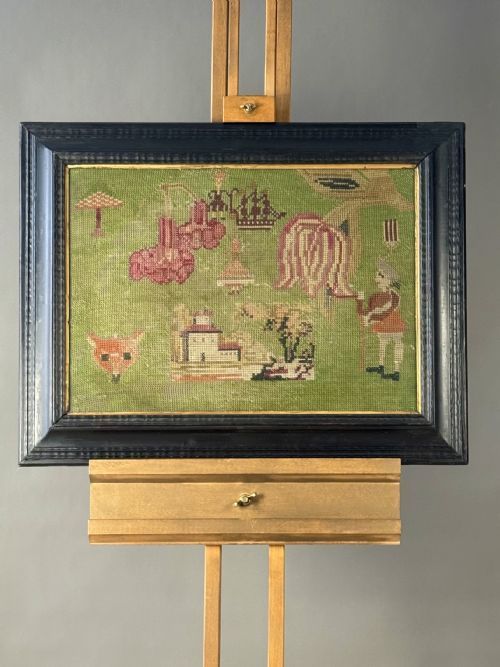
- A piece of needlework produced to demonstrate or test skill in various stitches. Historic examples often display alphabets, numbers, and pictorial motifs.
- Tapestry
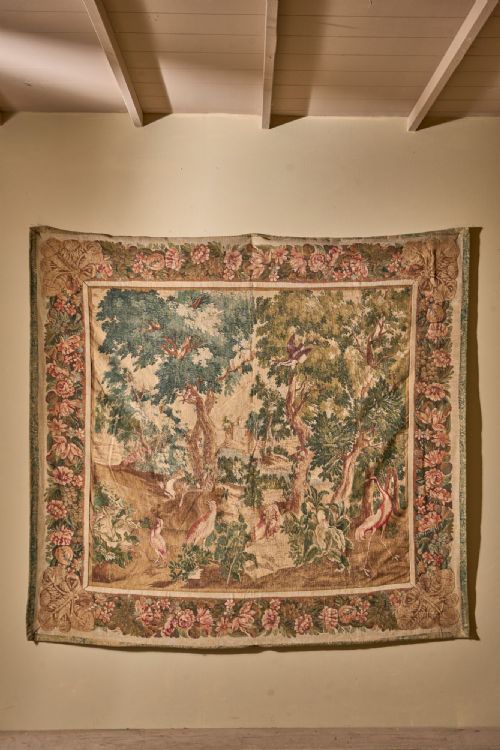
- A form of textile art woven by hand on a loom, typically featuring pictorial scenes or verdure designs. These panels served both decorative and insulating purposes in historic interiors.
- Plushwork
- A specialised needlework technique utilising cut pile to create a velvety, three-dimensional surface. It often depicts animals or floral subjects with tactile depth.
Antique Wool Textile: Frequently Asked Questions
How do I care for an antique wool textile?
Keep textiles away from direct sunlight to prevent the fading of natural wool and silk fibres. Gentle vacuuming through a mesh screen helps remove dust without damaging delicate embroidery.
Avoid hanging heavy wall pieces by a single point to distribute weight evenly across the fabric. Professional conservation cleaning is recommended when deeper maintenance becomes necessary.
What is the difference between tribal bags and wall tapestries?
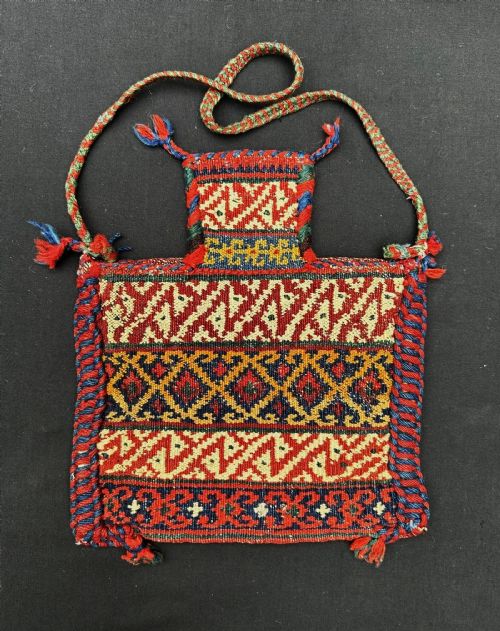
Tribal bags and trappings were created by nomadic groups for utilitarian storage and transport during daily life. They feature dense geometric or regional motifs specific to tribes such as the Yomut, Qashqai, and Lakai.
Wall tapestries and crewelwork panels were designed primarily as decorative interior furnishings for European homes. They often showcase classical, floral, or verdure scenes executed on a larger scale.
Where did nineteenth-century needlework samplers originate?
Needlework samplers from the nineteenth century were produced extensively across Britain and Europe as part of domestic education. Young makers practiced fundamental stitches and lettering to demonstrate household competence.
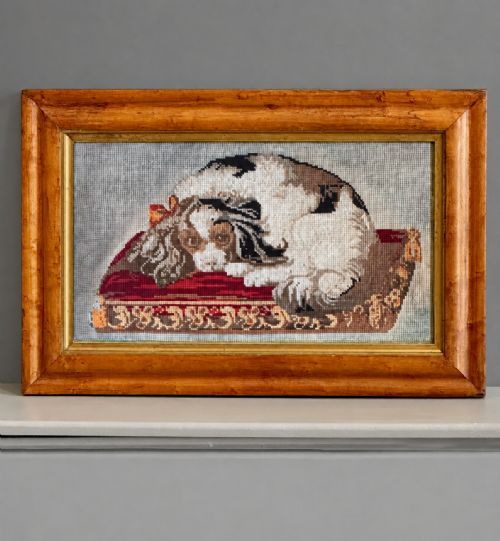
These pieces frequently incorporate framed wooden structures, such as burr maple, preserving the textile alongside its period presentation.
How can I identify Central Asian embroideries?
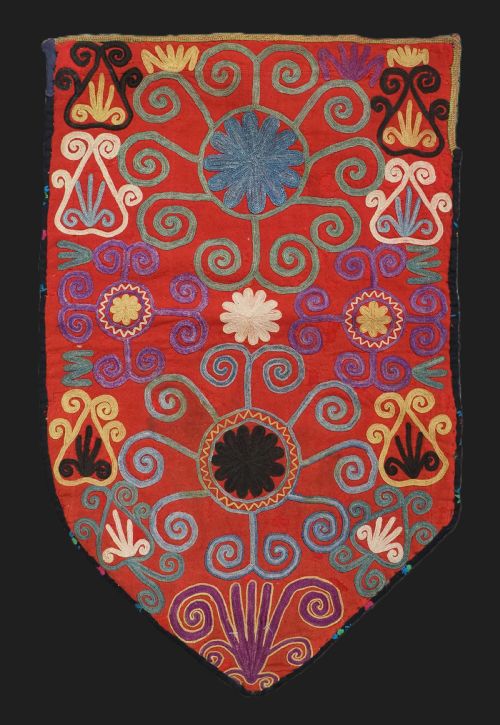
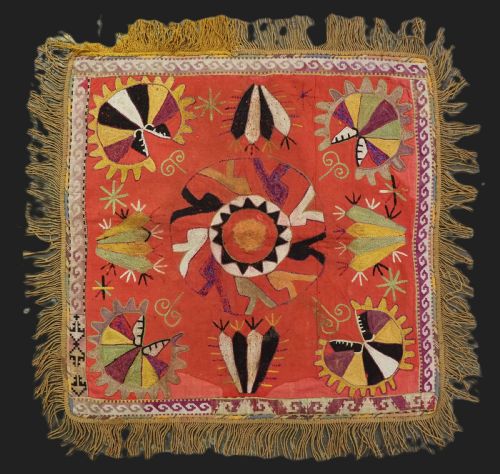
Central Asian embroideries, such as Lakai and Uzbek pieces, typically feature bold geometric and figurative motifs worked in vibrant wool and silk threads. They often served as ceremonial horse blankets, dowry items, or small wall hangings known as ilgich.
Double-faced construction and dense surface stitching distinguish these nomadic textiles from contemporary European needlework.