





Antique Wool Fringe Textile
These antique wool fringe textile pieces are tribal and nomadic weavings offering rich historic character and tactile warmth to interiors.
Antique Wool Fringe Textile
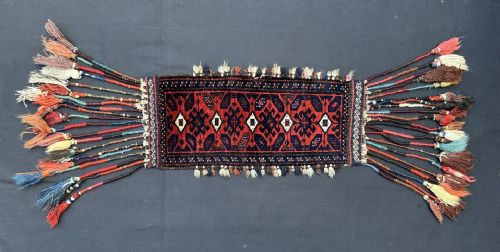
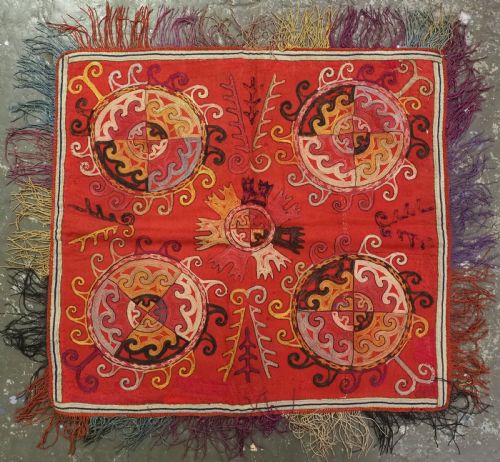
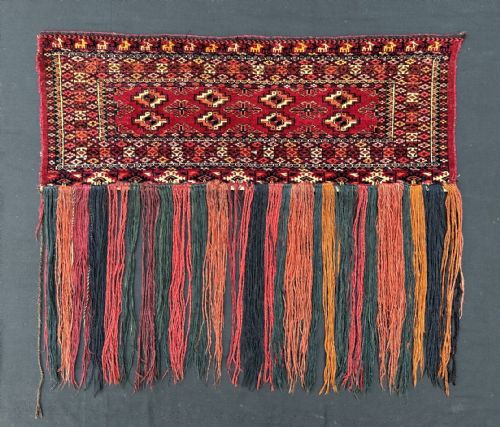
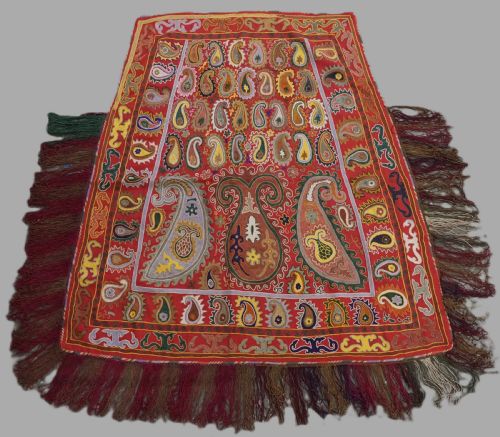
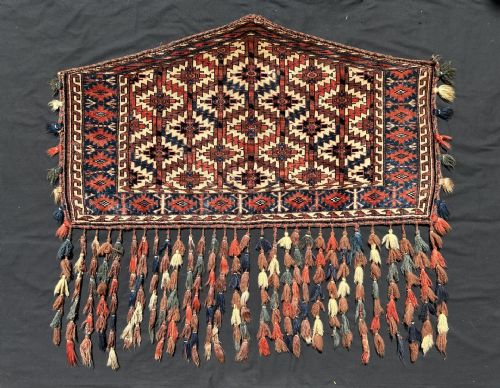
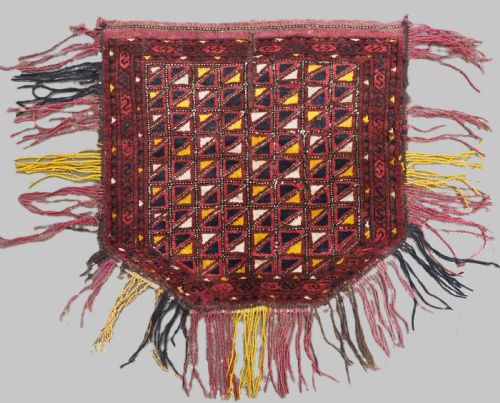
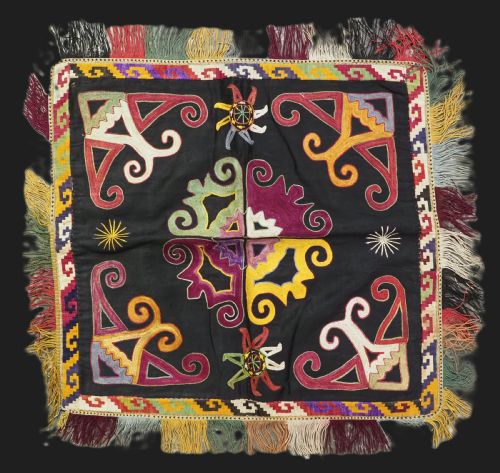
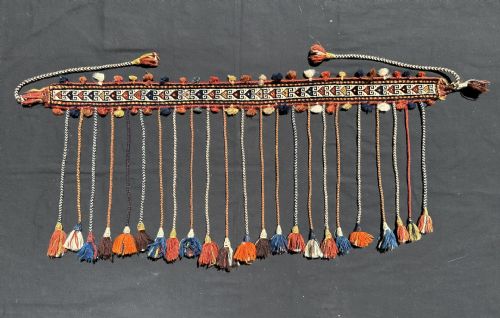
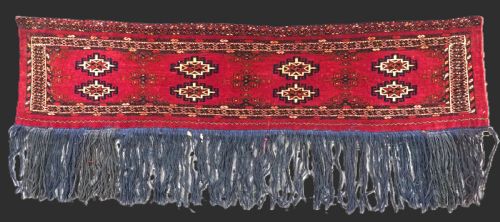
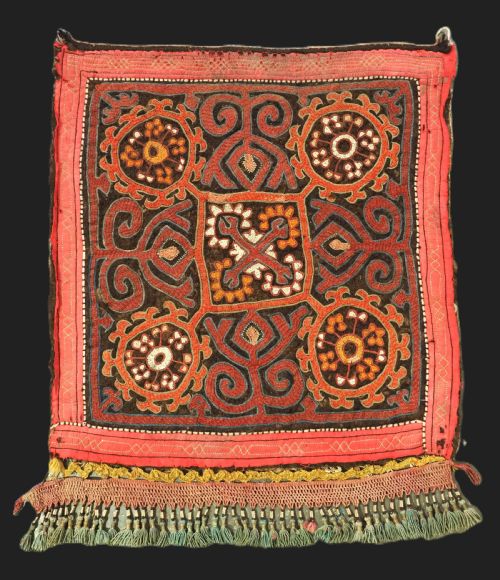
When you examine an antique wool fringe textile, you generally encounter Central Asian tribal weavings, Turkmen bags, Persian animal decorations, and Uzbek dowry embroideries. These items include camel trappings, torbas, asmalyks, cushions, and wall hangings originating from nomadic and village traditions.
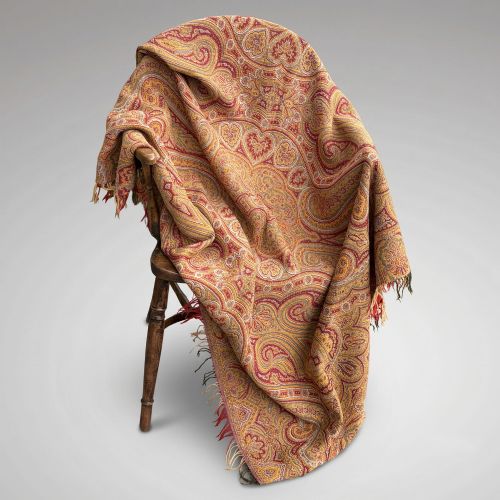
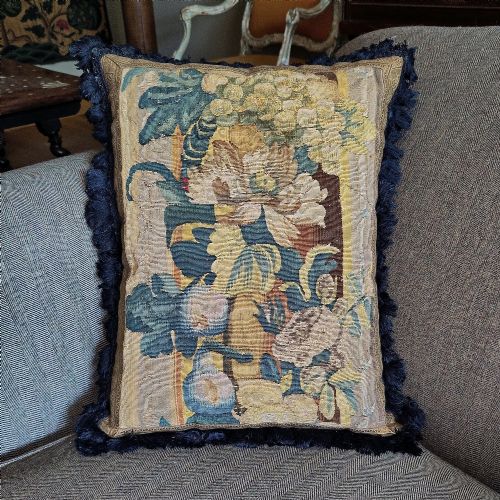
The pieces on this page span from the seventeenth century through the Victorian era and into the early twentieth century, reflecting varied regional aesthetics. You find Yomut, Tekke, Ersari, and Lakai tribal works alongside Victorian paisley shawls and Flemish tapestry fragments.
How they were made
These textiles rely principally on wool, cotton, and silk foundations, often incorporating natural dyes, felt, and applied fringe. Artisans embellished many items with cowrie shells and glass beads to create textured, decorative surfaces.
Nomadic and village makers constructed these pieces using intricate embroidery, plain weave backs, and specialised pile techniques suited for utilitarian objects like saddle covers, tent door hangings, and dowry bags.
Antique Wool Fringe Textile Retail Price Guide 2026
Typical asking prices for wool fringe textile among the pieces listed under this phrase on Sellingantiques today, from the lower quarter to the upper quarter. They describe what is for sale here now, not the wider market.
Listings span periods from the seventeenth century through the Victorian era up to the nineteen-thirties, featuring wool, cotton, silk, and felt.
What varies in quality
Quality in these weavings rests upon the precision of the drawing, the crispness of traditional motifs such as the curled leaf design, and the retention of original tassels or fringe. Pieces with well-balanced proportions and clear tribal iconography distinguish themselves within the range.
The depth and vibrancy of natural dyes significantly influence the visual appeal of each textile. Superior examples maintain intact structures and harmonious colour palettes across their wool, cotton, and silk elements.
The Antique Wool Fringe Textile Glossary
- Torba
- A small Turkmen bag traditionally used for domestic storage inside a yurt or tent. These pieces often feature specific gul motifs and flat-woven backs.
- Asmalyk
- A pentagonal trapping mounted on camel flanks during wedding processions. Yomut and Tekke tribes produced notable examples of these decorative hangings.
- Ilgich
- An Uzbek dowry embroidery created for wall hanging purposes. They display distinctive needlework techniques and tribal patterns.
- Kap
- A utilitarian storage bag produced by nomadic groups in Central Asia. They frequently incorporate wool pile faces and sturdy plain weave structures.
- Gul
- A medallion pattern repeated across Turkmen carpets and trappings. Different tribes utilised distinct gul forms for identification.
Antique Wool Fringe Textile: Frequently Asked Questions
How were these textiles used?
Nomadic communities utilised these pieces as utilitarian bags, tent door portieres, and animal decorations for camels and horses during ceremonies and migrations.
Many items also served as dowry embroideries or domestic wall hangings intended to decorate yurt interiors and living spaces.
How do I hang a textile?
You can mount these pieces on walls using a non-damaging sleeve attachment or display them flat behind protective glass.
Ensure the weight of the textile distributes evenly across the support structure to prevent pulling on the wool or cotton fibres.
How do I clean an antique textile?
Gently vacuum the surface on a low setting through a mesh screen to remove surface dust without disturbing the fringe or beads.
Avoid liquid cleaning or immersion unless handled by a professional textile conservator to protect natural dyes.
How do I tell tribal groups apart?
Tribal attribution relies on distinctive structural designs, colour combinations, and recurring motifs such as specific gul patterns.
Tekke, Yomut, Ersari, and Lakai groups each maintained unique weaving traditions and knotting or embroidery techniques.