
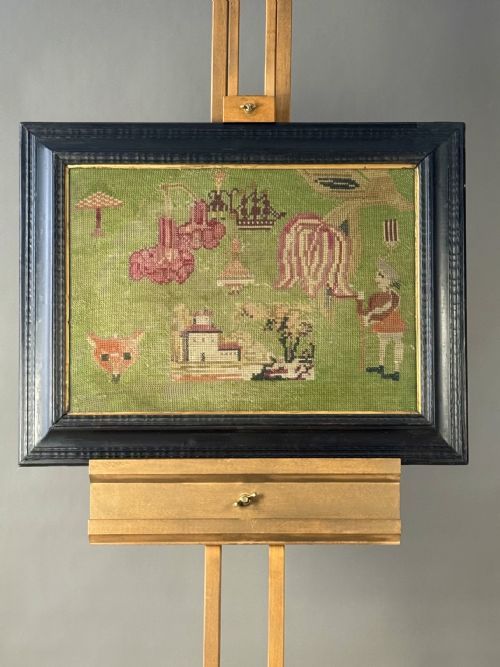
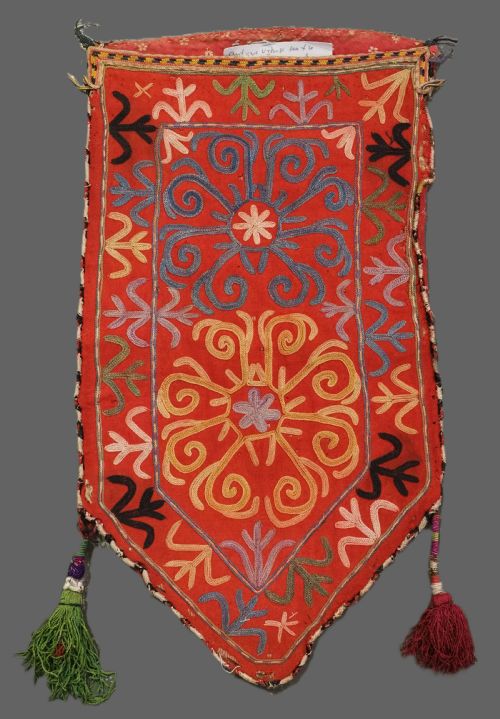
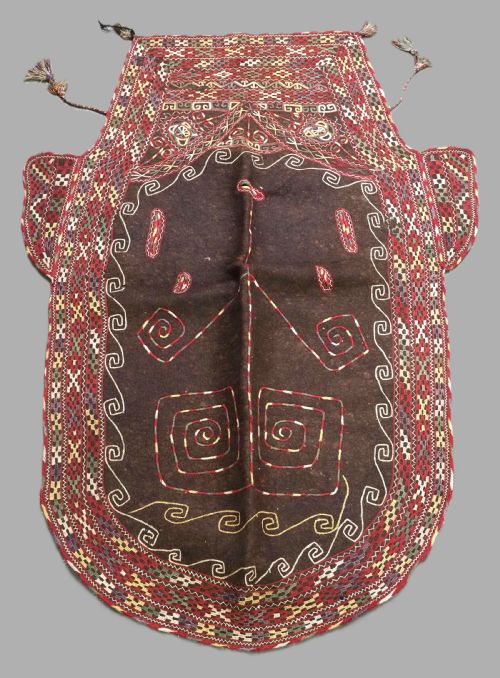
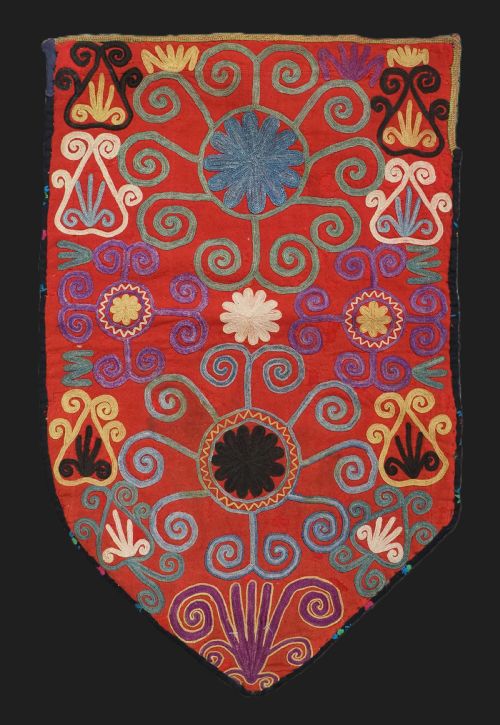
Antique Wool Embroidery
These antique wool embroidery pieces bring rich texture and heritage to a room, offering tactile historical craft for the walls.
Antique Wool Embroidery
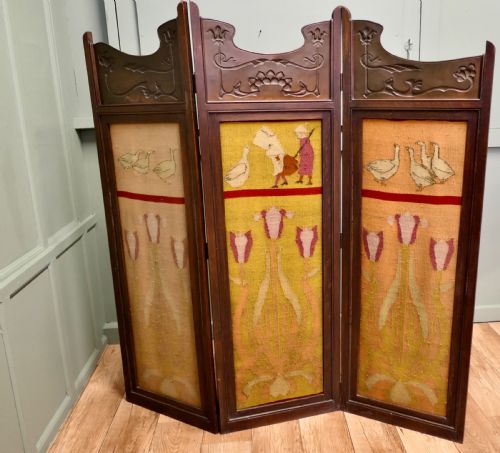
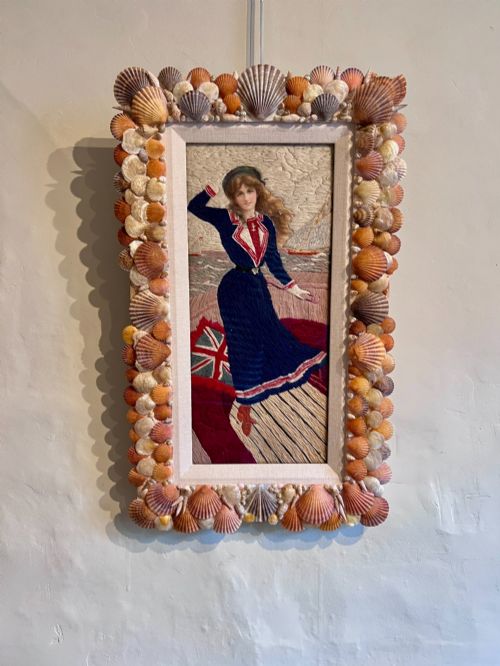
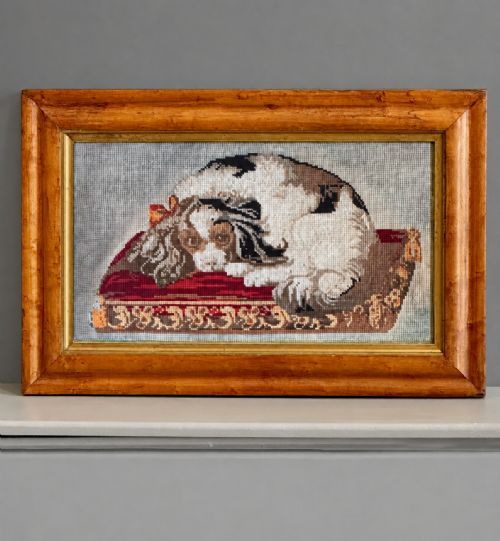
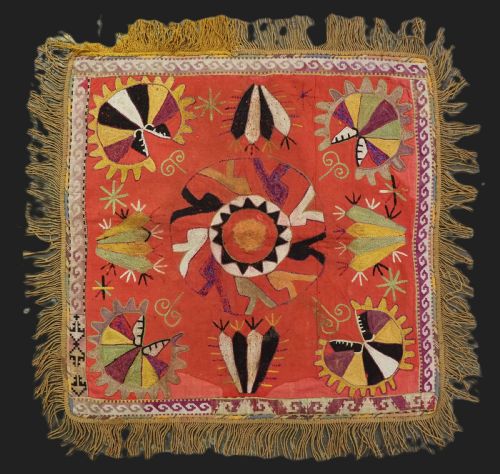
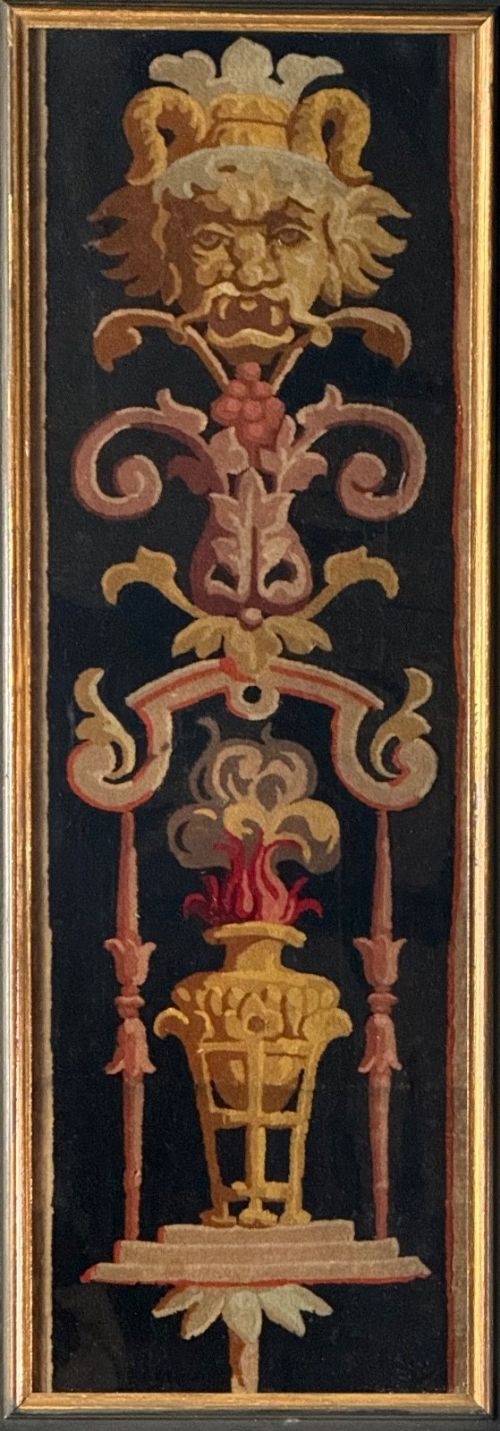
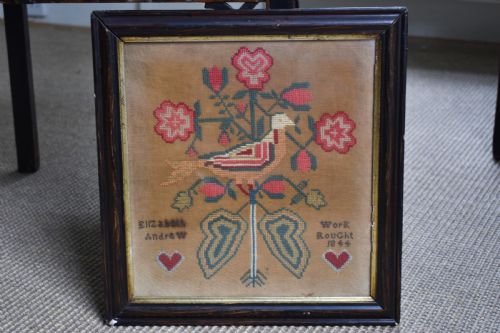
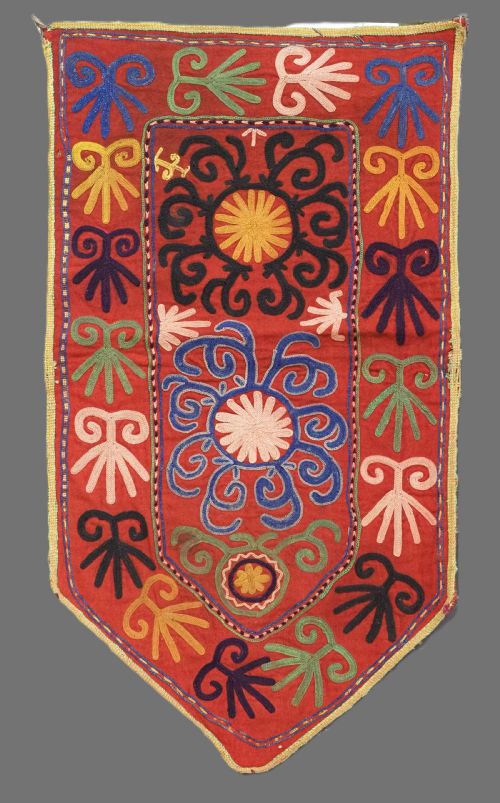
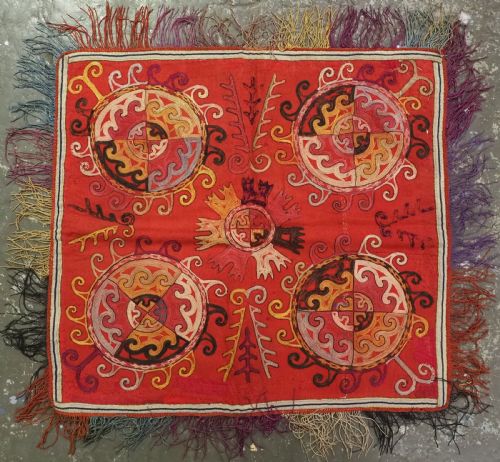
Antique wool embroidery encompasses textile art, wall art, and wall hangings designed to bring historical character into interiors. Pieces range from large crewelwork panels and framed needlework pictures to Berlin wool work and tapestry wall hangings.
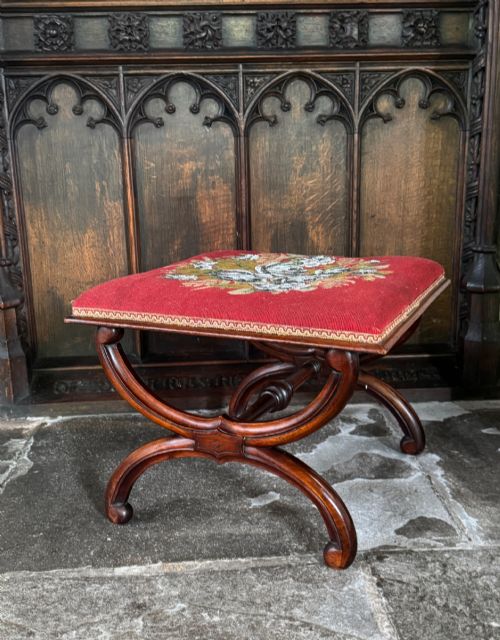
Buyers are most likely to encounter Victorian and 19th-century works on this page, alongside occasional 18th-century English needlework pictures and Jacobean Revival or Regency examples. These items appear in various formats, including oval tapestry pictures and gilt-framed wall hangings.
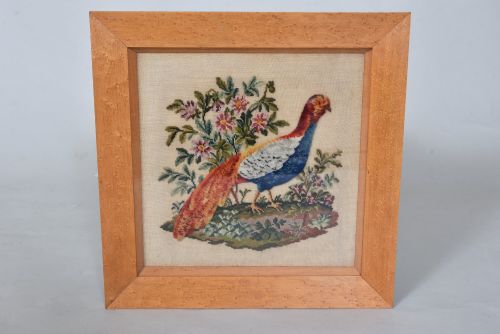
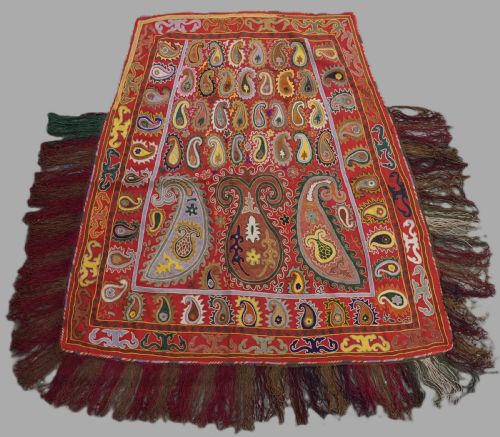
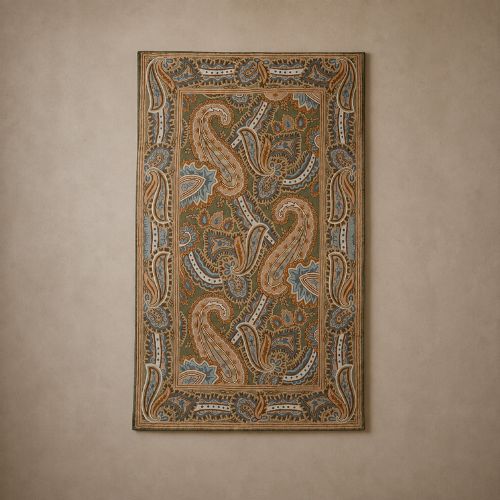
Subjects vary from botanical studies and interior scenes to courtly maidens and large paisley textile panels. The forms span diverse regional origins such as English, German, and Italian workshops.
How they were made
Makers utilised wool stitched onto supporting ground fabrics such as linen, canvas, cotton, and silk. Techniques combined needlepoint, crewelwork, and Berlin wool work, often incorporating felt and detailed stitching.
Finished embroideries were frequently framed to preserve the textile, utilising giltwood and wood frames, sometimes complemented by glass protection.
Antique Wool Embroidery Retail Price Guide 2026
Typical asking prices for wool embroidery among the pieces listed under this phrase on Sellingantiques today, from the lower quarter to the upper quarter. They describe what is for sale here now, not the wider market.
Listings feature wool embroidery spanning from the 18th century through to the 1920s, incorporating wood, giltwood, glass, linen, and canvas.
What varies in quality
Quality rests in the precision of the needlework and the complexity of the composition, distinguishing simple amateur output from masterly pictorial execution. Finer examples display subtle colour gradation and tight, even stitching across the wool and silk elements.
The sophistication of the framing also elevates a piece, with period giltwood frames and original wood surrounds offering greater historical integrity than later replacements.
The Antique Wool Embroidery Glossary
- Crewelwork
- Embroidery executed with wool yarn on a sturdy backing fabric. It permits thick, textured stitches that create raised, tactile designs.
- Berlin wool work
- A style of counted-thread embroidery popular in the 19th century. It uses brightly coloured wools worked from printed graph patterns.
- Needlepoint
- Embroidery stitched onto an open-weave canvas foundation. The technique covers the entire canvas to form a dense, durable pictorial surface.
- Tapestry
- A term loosely applied in trade to hand-stitched needlework pictures. True tapestry is woven on a loom, but antique needlework copies often share the same pictorial scope.
- Giltwood
- Wood carved and coated with gold leaf or a gold-coloured finish. It provides a reflective, ornate border for framed textile panels.
Antique Wool Embroidery: Frequently Asked Questions
How do I hang antique wool embroidery safely?
Keep textile art out of direct sunlight to prevent the wool and silk threads from fading over time. Ensure the wall is dry and free from dampness that might damage the underlying linen or canvas.
Use sturdy picture wire attached securely to the wood or giltwood frame rather than relying on the textile itself. Professional framing with UV-filtering glass offers an extra layer of preservation.
What is the difference between crewelwork and Berlin wool work?
Crewelwork traditionally uses two-ply wool on linen or cotton twill, often featuring swirling floral and paisley motifs. It has roots in earlier decorative traditions and organic, free-flowing designs.
Berlin wool work emerged later in the 19th century, utilising bright synthetic dyed wools stitched tightly onto canvas from printed gridded patterns. The result is a much denser, pictorial surface with symmetrical or geometric precision.
How do I date an embroidered picture?
Examine the framing materials, the type of canvas or linen backing, and the palette of the wool threads. 18th-century pieces often feature fine, muted needlework pictures, while mid-19th-century German Berlin wool work displays brighter colour combinations.
Stylistic clues such as Victorian botanical subjects or Regency motifs also help narrow down the period. Comparing the stitching technique with dated examples provides further confirmation.