


Antique Wool Chuval
An antique wool chuval is a tribal Central Asian storage bag face designed for household use, prized by collectors for its geometric design and rich palette.
Antique Wool Chuval
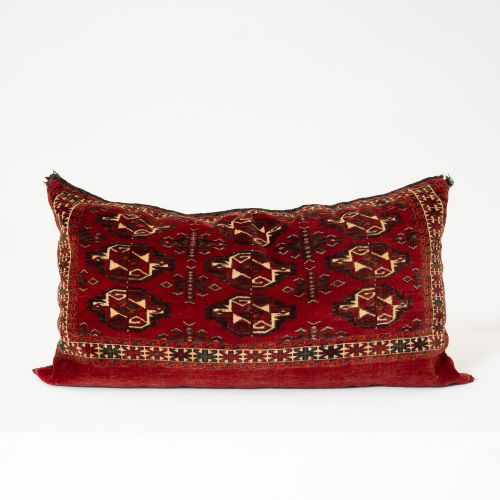
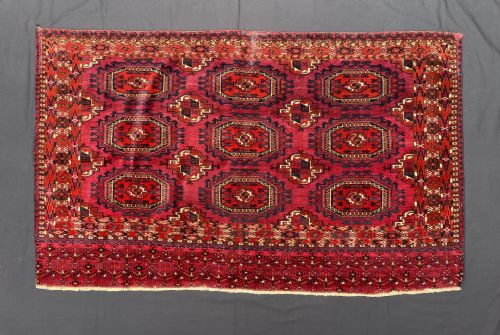
An antique wool chuval represents a traditional Central Asian tribal storage bag face, created by nomadic groups such as the Tekke, Yomut, Ersari, and Saryk tribes. These pieces typically display structured rows of primary medallions known as guls, alongside secondary motifs and lower elem panels.
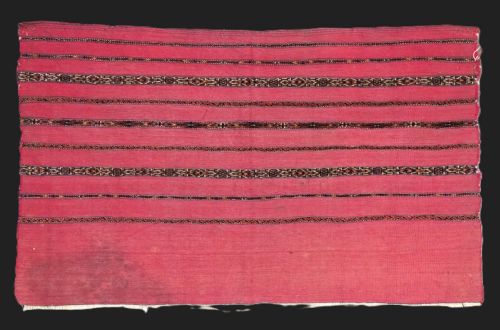
Buyers encounter both complete bag faces and surviving fragments, occasionally retaining their plain weave backs or hanging loops. The selection spans from mid-nineteenth-century examples to early twentieth-century pieces, reflecting diverse regional styles across Turkmenistan and the Trans-Caspian steppes.
Materials and Construction
Weavers constructed these textiles primarily using hand-spun wool for the pile, complemented by cotton foundations and occasional silk highlights in specific design areas. Natural dyes provided the deep crimson, ivory, and dark tones characteristic of tribal weaving traditions.
The density of the weave varies considerably, ranging from standard tribal structures to extremely fine knotting on specialised pieces. Plain weave backs and sturdy hanging loops completed the functional utility of the original storage sacks.
Listings span periods from the mid-18th century to the early 20th century, utilising hand-spun wool, cotton, and natural dyes.
Distinctions in Quality
Quality in these tribal textiles rests upon the fineness of the weave, the clarity of the gul motifs, and the preservation of the pile. Pieces featuring scarce design variants, such asaina guls or turreted Salor guls, demonstrate higher artistic achievement.
The integrity of the natural dyes and the survival of complete formats, including original backs and elem panels, elevate individual examples. Greater precision in knotting and balanced proportions distinguish the finer works within the weaving tradition.
The Antique Wool Chuval Glossary
- Chuval
- A large tribal storage bag used in nomadic households for bedding and clothing. These items were traditionally produced in pairs by Turkmen weavers.
- Gul
- A primary octagonal medallion repeated across the field of Turkmen rugs and bag faces. Different tribes utilised distinct gul variations for identification.
- Elem
- The decorated lower panel situated beneath the main field of a chuval or rug. This section often displays distinct floral or banded motifs.
- Torba
- A smaller tribal storage bag utilised for specific domestic items. These pieces share similar wool construction and tribal motifs with larger chuvals.
- Kizil
- A term denoting red-ground Turkmen weavings dominated by deep madder dye tones. These pieces form a distinct group within tribal attribution.
Antique Wool Chuval: Frequently Asked Questions
How were chuvals used originally?
Nomadic families utilised these large bags inside tents to store bedding, clothing, and household goods. They hung against lattice walls or stacked on animals during migration.
The inclusion of hanging loops facilitated wall attachment within the traditional dwelling.
How do I identify tribal origins?
Attribution relies on specific gul designs, colour palettes, and structural characteristics associated with groups like the Tekke, Yomut, and Ersari tribes. Secondary borders and elem panels provide further clues to regional manufacture.
Different tribal groups maintained distinct design vocabularies passed through generations of weavers.
Are backs commonly found?
Most surviving examples are bag faces separated from their original plain weave backs over time. Complete pieces featuring both the pile face and the original back remain less common.
Some examples also preserve their functional hanging loops attached along the top edge.