

Antique Wooden Worktable
An antique wooden worktable brings domestic history straight into a room, offering clever storage compartments and sturdy surfaces designed for needlework or kitchen preparation.
Antique Wooden Worktable
When you search for an antique wooden worktable, you encounter a versatile class of furniture spanning the Georgian, Regency, and Victorian eras. These pieces originally served domestic tasks such as sewing, needlework, and food preparation in country houses and sculleries.
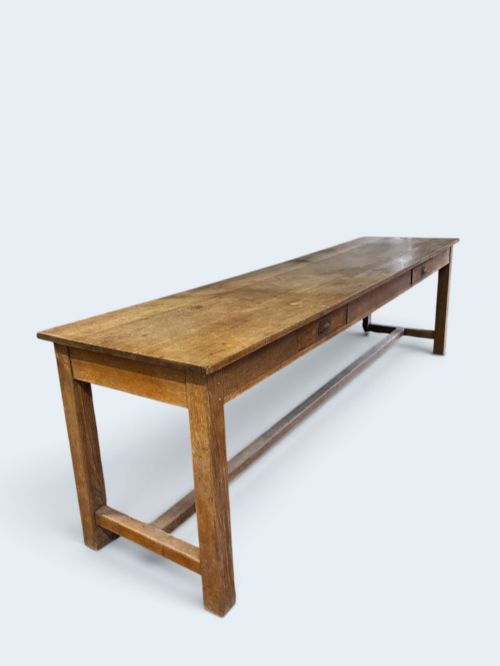
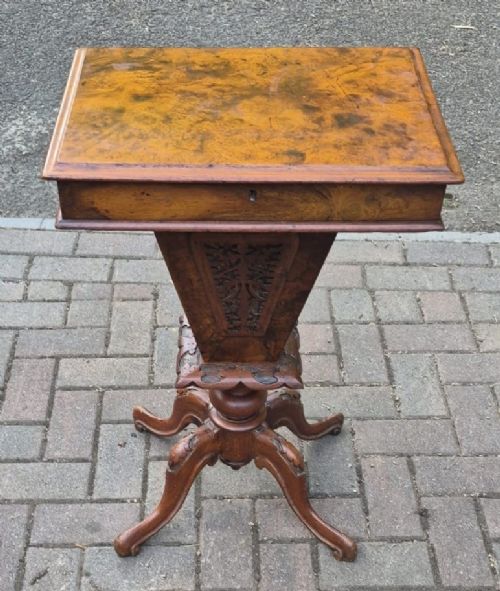
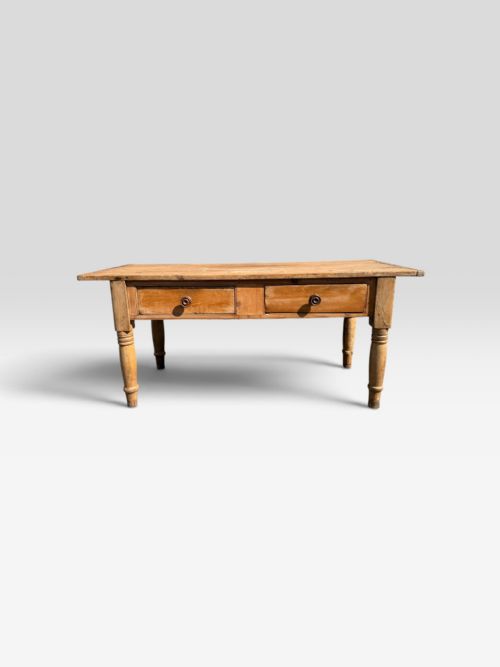
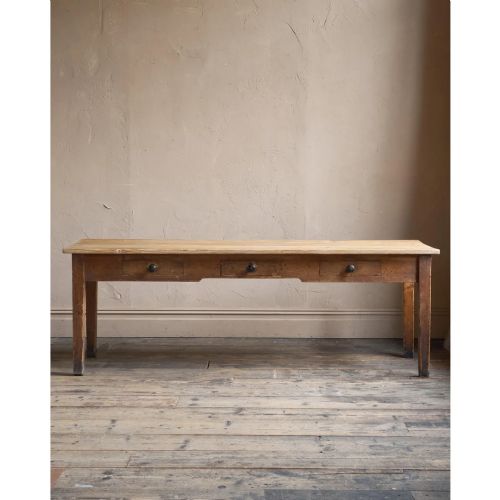
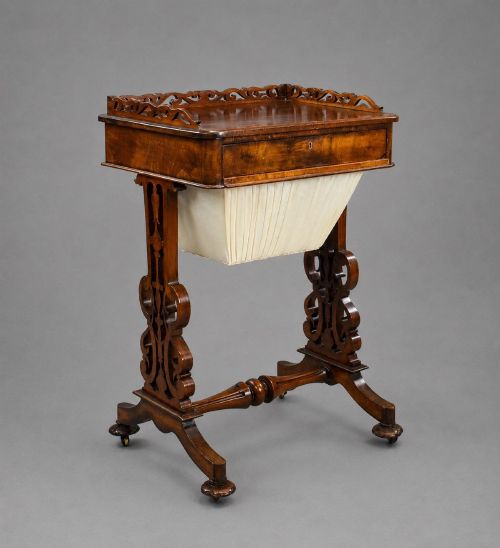
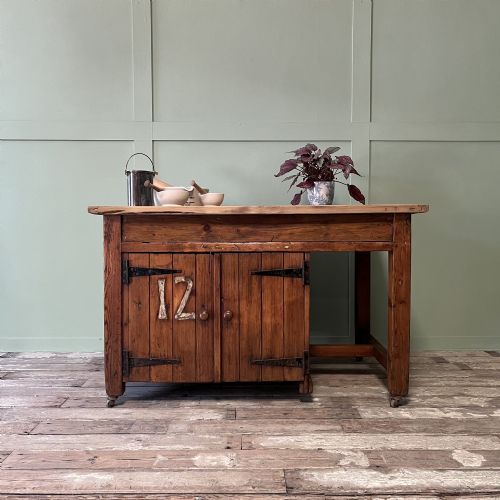
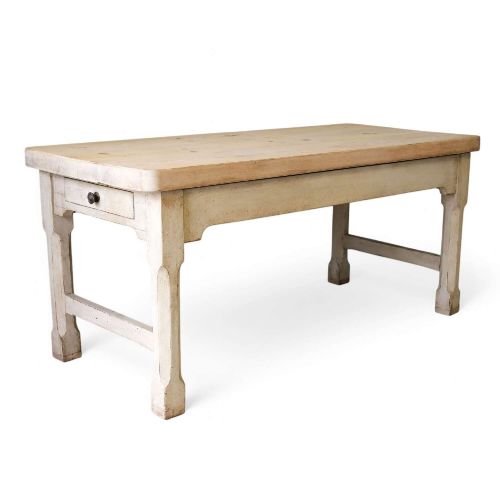
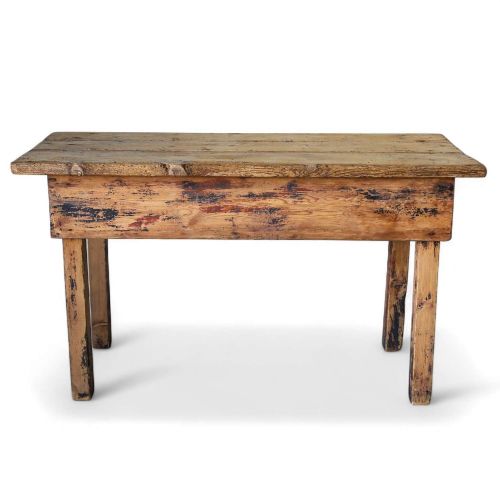
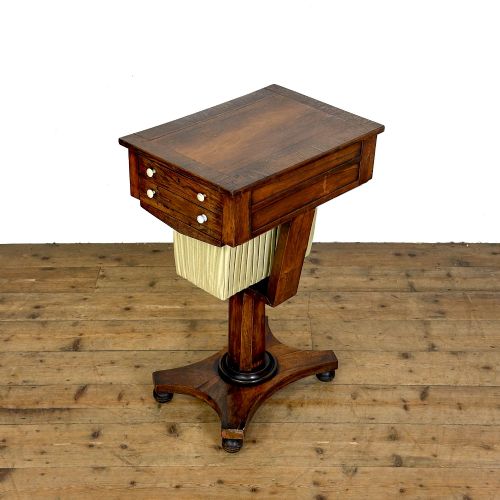
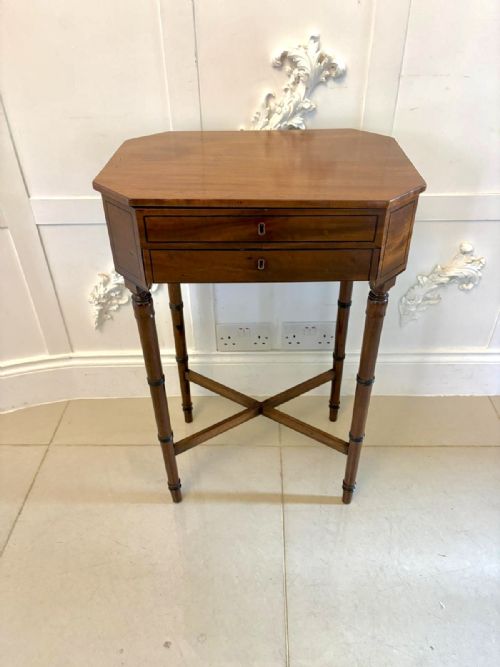
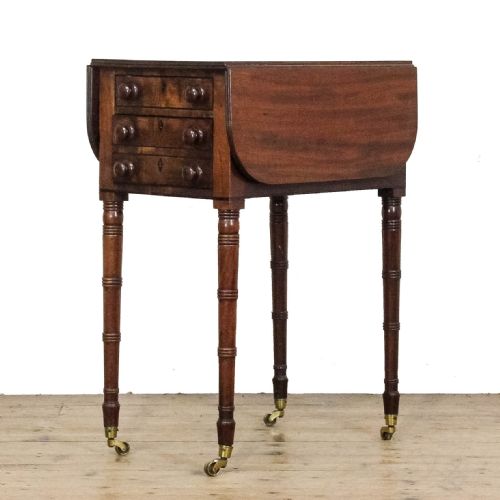
The selections on this page are dominated by Victorian walnut and mahogany sewing tables alongside robust pine farmhouse and prep tables. Smaller examples often feature fitted interiors and drop leaves, while larger variants provide substantial timber surfaces with functional drawers.
Materials and Construction
Cabinet makers utilised dense hardwoods like mahogany, walnut, and burr walnut for refined parlour sewing tables, applying decorative flame veneers and delicate string inlay. Structural elements and secondary timbers often relied on pine, elm, and oak.
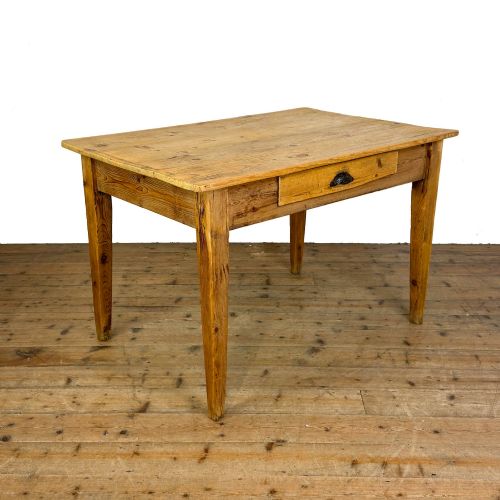
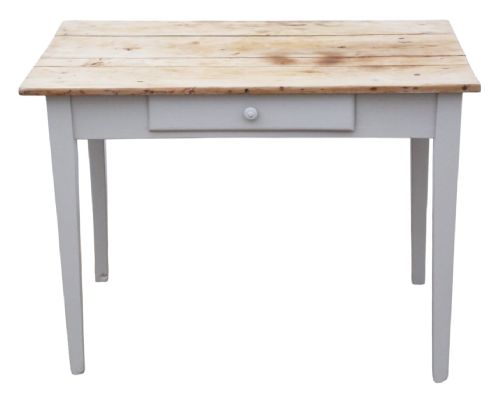
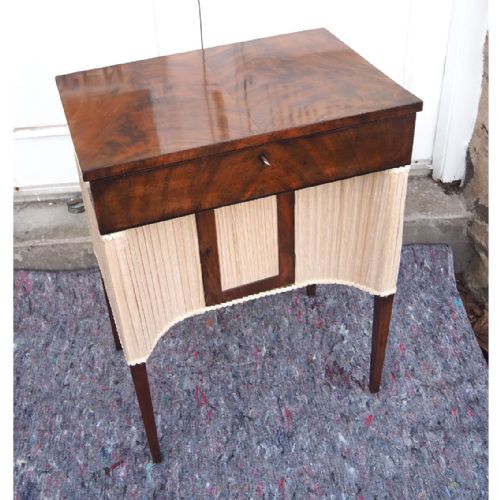
Country pieces and prep tables prioritise utility through solid pine construction, scrubbed tabletops, and pegged joints designed to withstand daily labour. Brass fittings, castors, and hanging fabric baskets complete the functional design of many surviving examples.
Many Victorian sewing tables still contain original miniature compartments once designed to hide away elusive spools of silk thread.
Judging Quality
Quality rests upon the selection of timber figures, such as the rich grain in burr walnut or flame mahogany, paired with crispness in carved details and inlay. Superior examples retain their original internal compartments, fitted trays, and working locks.
Construction integrity distinguishes workshop output, seen in well-joined drawers, stable pedestals, and minimal alterations to scrubbed pine tops or painted surfaces. Untouched patination elevates a piece far above heavily stripped or excessively restored alternatives.
The Antique Wooden Worktable Glossary
- Pembroke table
- A small occasional table featuring two hinged drop leaves on opposing sides, frequently fitted with a single drawer.
- Scrub top
- A solid wooden tabletop, typically pine, left unvarnished and repeatedly scrubbed clean with soap and water.
- Burr walnut
- A prized timber veneer showing swirling, knotty growth patterns harvested from walnut trees.
- Pedestal table
- A table supported by a central pillar rising from a stable plinth or tiered feet.
- Inlay
- A decorative technique where contrasting strips of wood or shell are fitted flush into the primary surface.
Antique Wooden Worktable: Frequently Asked Questions
What is an antique wooden worktable used for today?
These tables adapt easily to modern rooms as bedside cabinets, lamp stands, or compact desk spaces.
Their concealed drawers and compartments suit the storage of stationery, keys, and modern miscellany.
How do I distinguish a sewing table from a prep table?
Sewing tables generally use refined hardwoods like mahogany or walnut, featuring small upper drawers and fitted silk baskets.
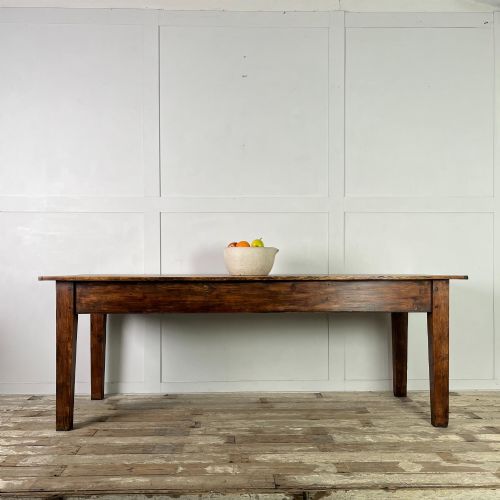
Prep tables are built larger from pine or fruitwoods with thick tops intended for kitchen labour.
Are these tables suitable for daily kitchen use?
Pine farmhouse and prep tables tolerate everyday family use and provide durable workspace for cooking.
Softer woods develop characteristic marks over time that reflect their utilitarian origins.
How can I date a wooden worktable?
Georgian and Regency examples show clean classical lines and fine cockbeaded drawer construction.
Victorian pieces often display heavier proportions, rich walnut veneers, or elaborate turned pedestals.