

Antique Wooden Tiered Table
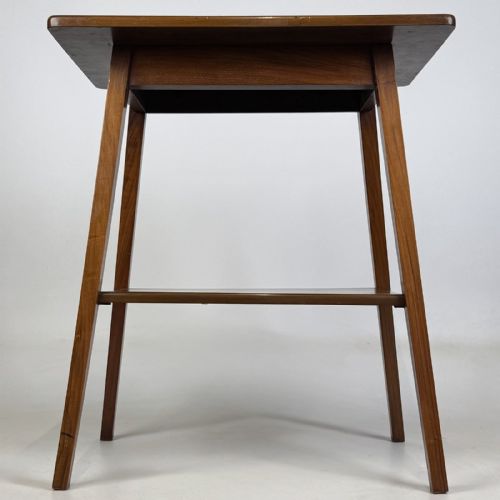
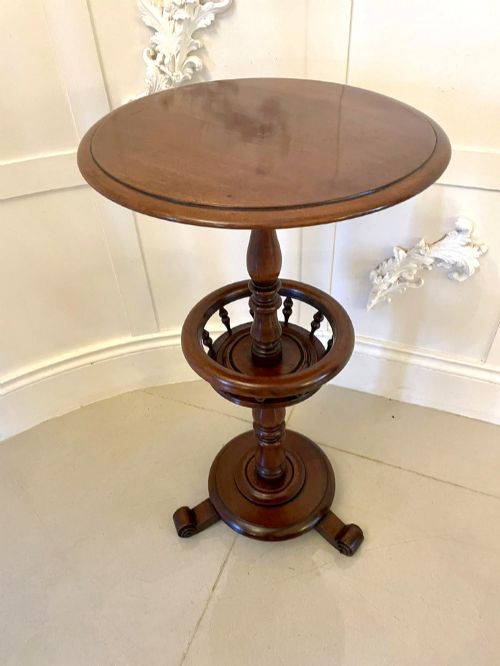
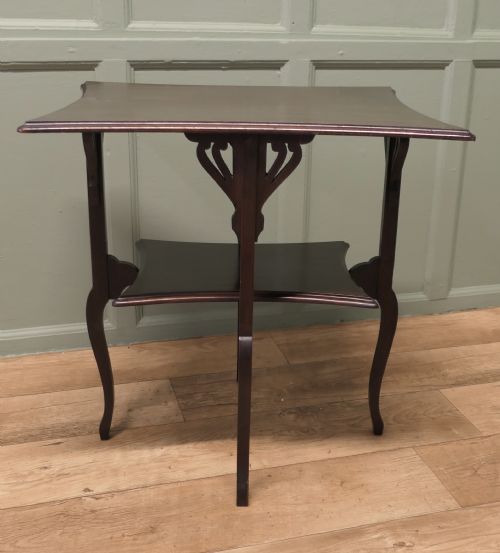
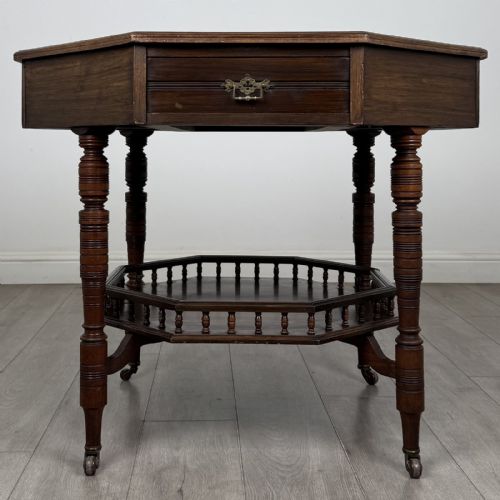
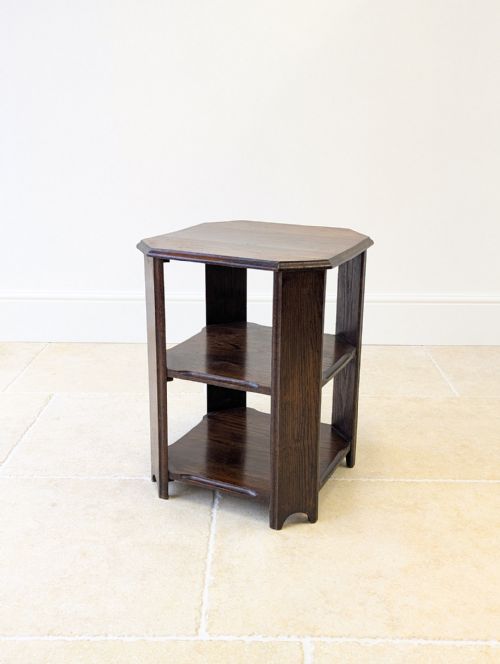
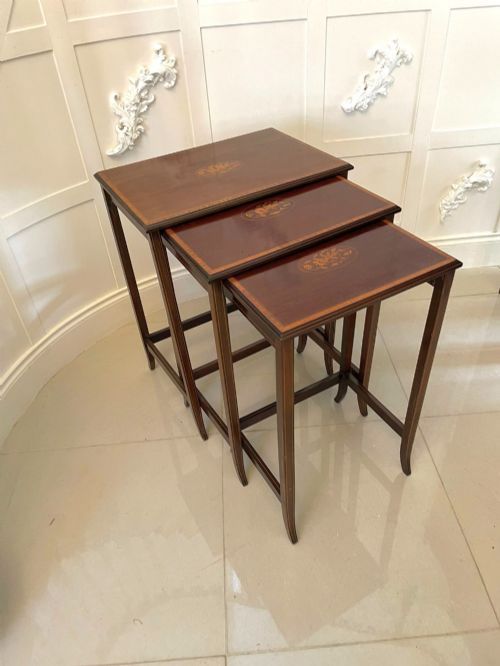
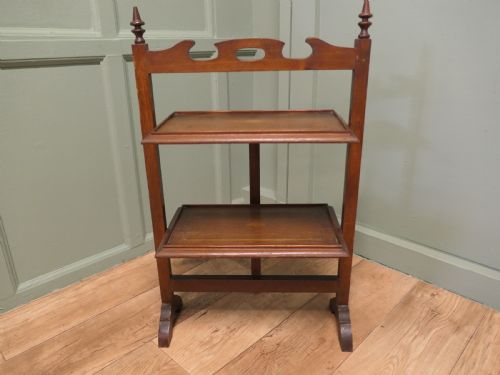
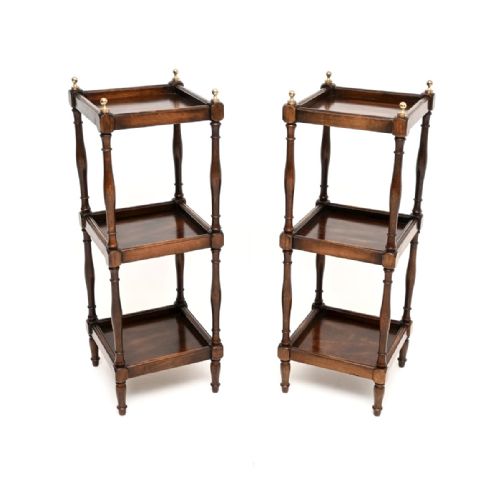
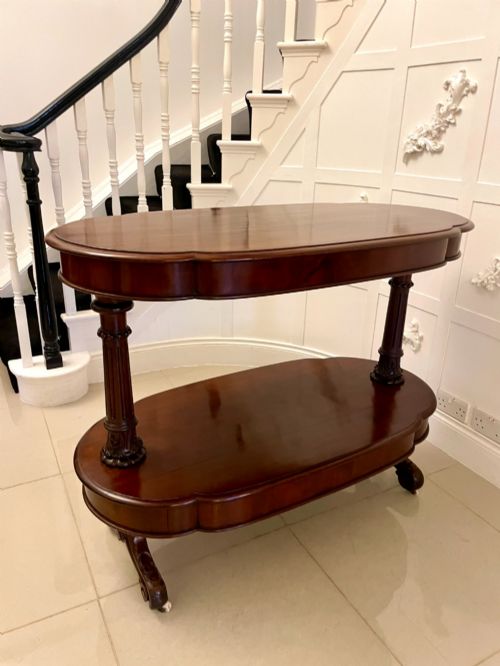
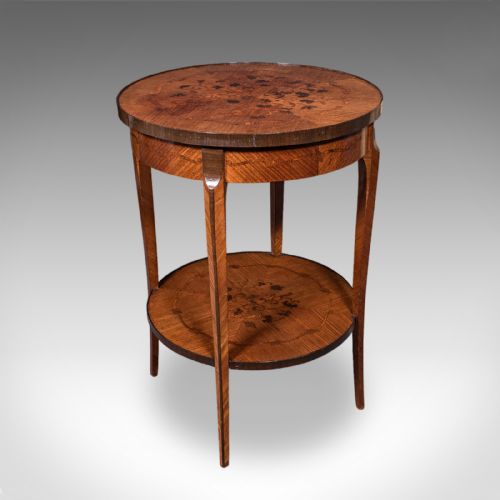
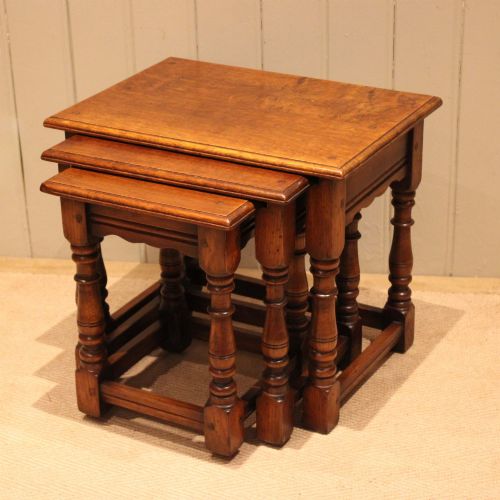
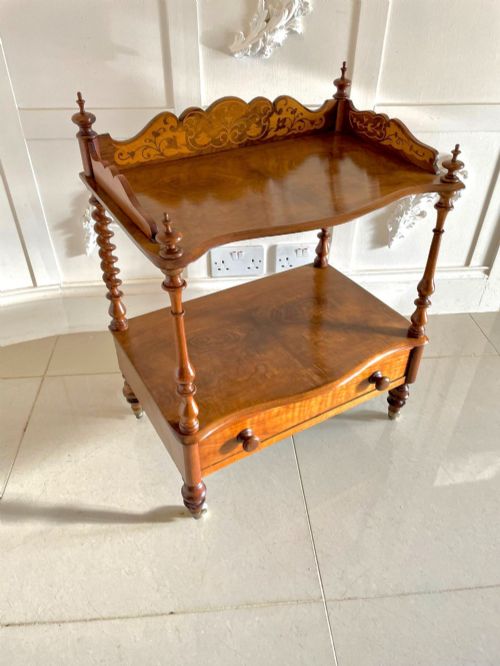
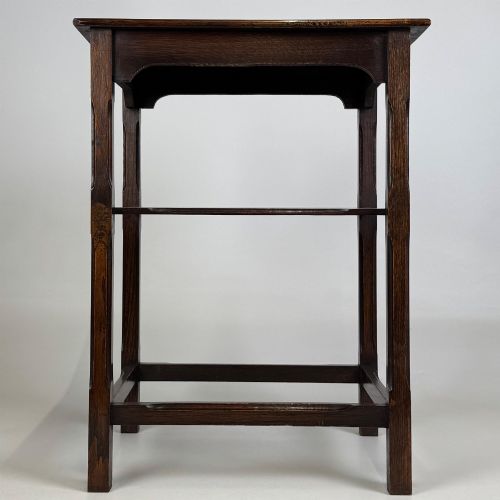
These antique wooden tiered table examples span the Victorian and Edwardian periods, offering multiple levels for display and daily use.
Antique Wooden Tiered Table
An antique wooden tiered table provides multiple surfaces arranged vertically, appearing most frequently in forms such as occasional tables, plant stands, and tea trolleys. These multi-level pieces emerge across the 19th century, Victorian, and Edwardian eras, serving practical functions in domestic interiors.
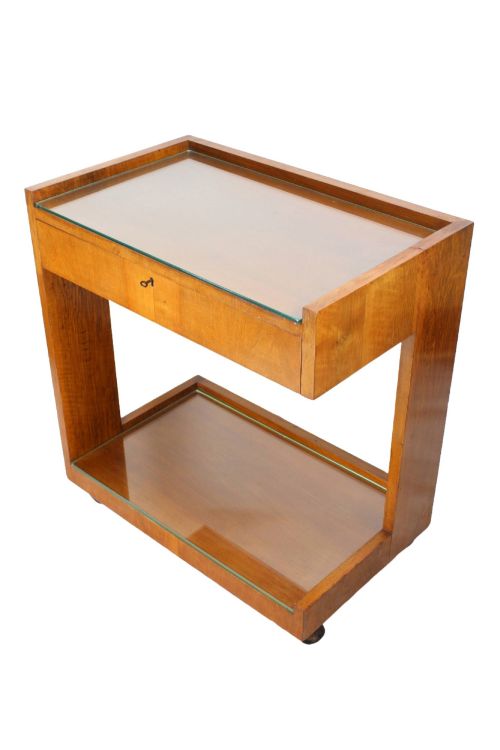
Buyers encounter variations ranging from simple oak side tables with two tiers to elaborate burl walnut and mahogany examples featuring marquetry, brass fittings, and specialised magazine storage. The selection includes wheeled serving trolleys and stationary display stands designed to hold lamps, plants, and books.
Materials and construction
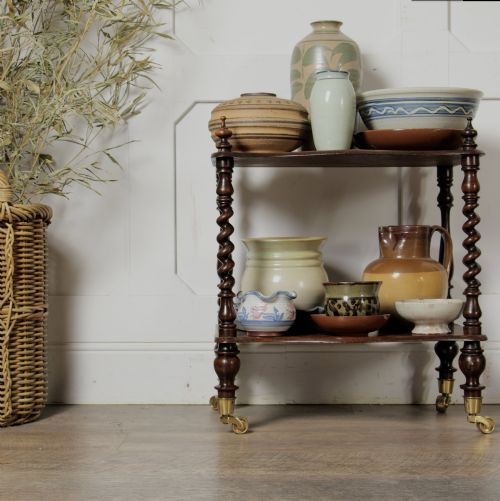
Cabinetmakers utilised robust timber such as oak, walnut, mahogany, and rosewood, often applying decorative veneers like burr walnut or kingwood to prominent surfaces. Structural elements incorporate turned legs, barley twist supports, and bobbin legs to hold the stacked tiers securely.
Joinery methods reflect the prevailing style of each period, from Arts and Crafts pegged joints to Victorian inlay and Edwardian turning. Metal fittings such as brass castors appear on mobile serving trolleys and drinks trolleys to facilitate movement between rooms.
Design styles span the Victorian, Edwardian, Arts and Crafts, and Art Deco periods.
Assessing quality and craftsmanship
The distinction between tiers rests upon the selection of timber, where figured veneers and rich grain patterns elevate standard utility furniture into decorative focal points. Grain matching across multiple levels indicates careful planning by the maker.
Refinement in carving, inlaid marquetry, and the integration of functional elements like rising mechanisms or drop leaves separate standard production items from workshop pieces. The stability of the vertical supports and the precision of the joints determine the structural integrity of the piece.
Gregory & Co·Liberty of London·William Birch
The Antique Wooden Tiered Table Glossary
- Whatnot
- A set of open shelves or tiers used for displaying ornaments or books. This form became popular during the Victorian period.
- Etagere
- A piece of furniture consisting of a series of small open shelves for holding ornaments. French examples often feature turned legs and walnut construction.
- Barley twist
- A type of furniture turning resembling a twisted rope. This decorative column style appears frequently on 19th century stands.
- Marquetry
- Decorative veneer work arranged in pictorial or geometric patterns on wooden surfaces. It adds visual complexity to tabletop panels.
- Canterbury
- A low, open-tiered stand historically used for holding sheet music or periodicals. Certain examples combine this compartment with an occasional table top.
Antique Wooden Tiered Table: Frequently Asked Questions
What is an antique wooden tiered table used for?
These pieces provide extra surface area across multiple levels without occupying a large floor footprint. Historically, they held tea services, lamps, and reading materials in reception rooms.
Today, owners utilise the tiers to display plants, ceramics, and books while maintaining a compact arrangement in smaller living spaces.
How do I date an antique wooden tiered table?
Dating relies on identifying the prevailing timber choices, structural hardware, and stylistic motifs present in the construction. Victorian pieces often display heavy walnut or mahogany with elaborate turnings.
Edwardian and later examples tend toward lighter oak frames, simpler lines, or specific decorative movements like Arts and Crafts and Art Deco.
Are tiered tables stable enough for daily use?
Solid construction using hardwoods like oak and mahogany ensures that these tables remain sturdy for everyday placement of lamps and objects. The weight distribution across multiple shelves generally aids balance.
Tables equipped with castors, such as tea trolleys, require periodic checks of the wheel mounts and vertical supports to maintain smooth movement.
What is the difference between a whatnot and a tea trolley?
A whatnot is a stationary display stand featuring stacked open shelves designed primarily to hold decorative objects, books, or small collections. It remains fixed in position.
A tea trolley incorporates wheels, handles, and occasionally drop leaves or removable trays to transport food and drink between rooms safely.