
Antique Wooden Throne Armchair
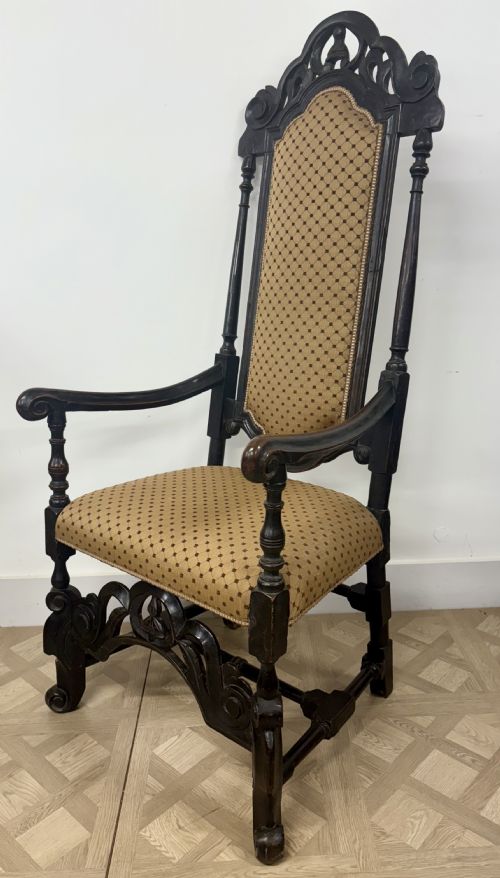
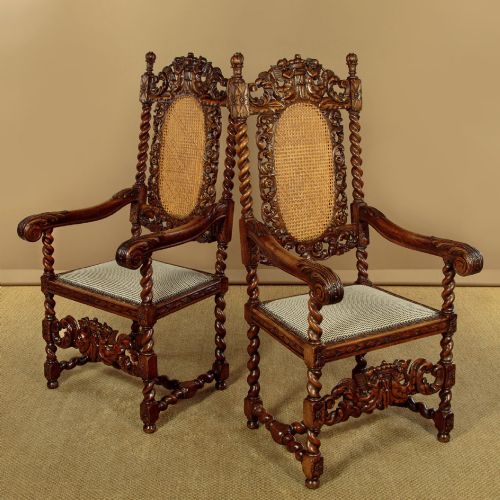
An antique wooden throne armchair brings serious architectural presence to a room, offering heavy carved timber and high backs designed for authority.
Antique Wooden Throne Armchair
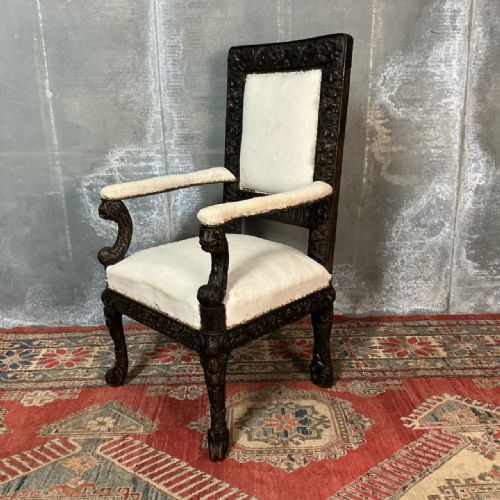
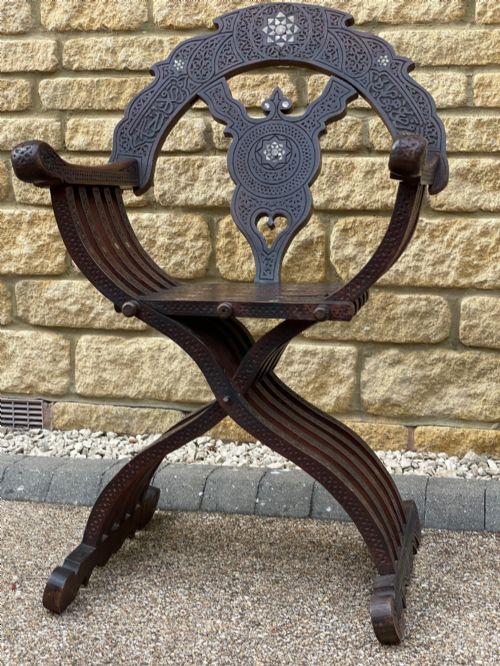
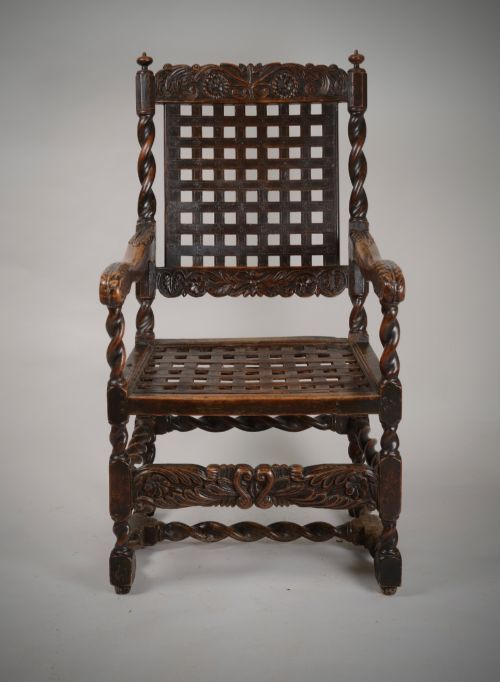
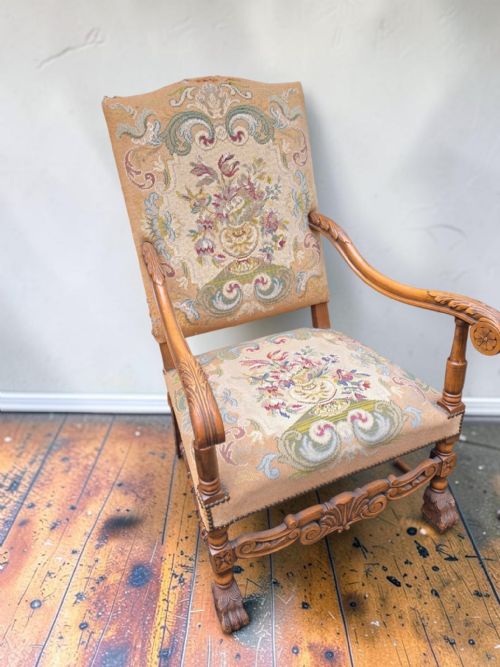
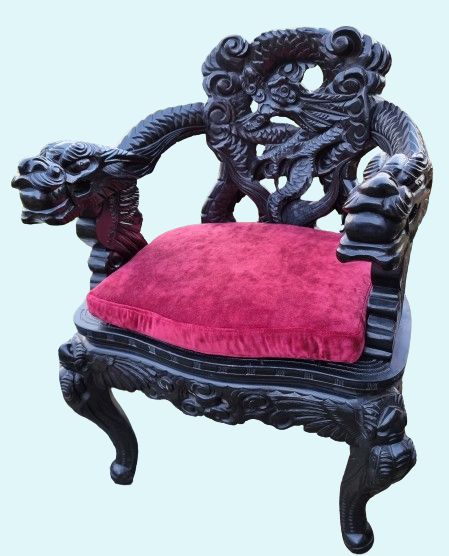
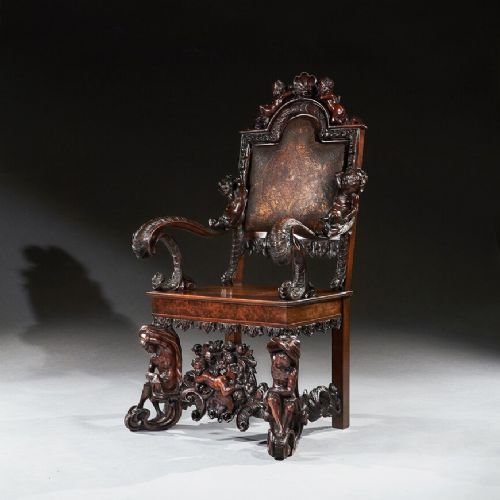
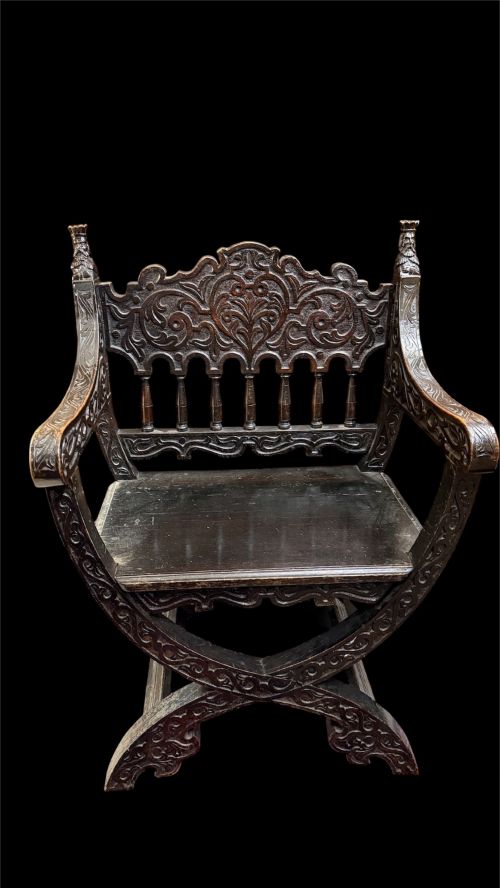
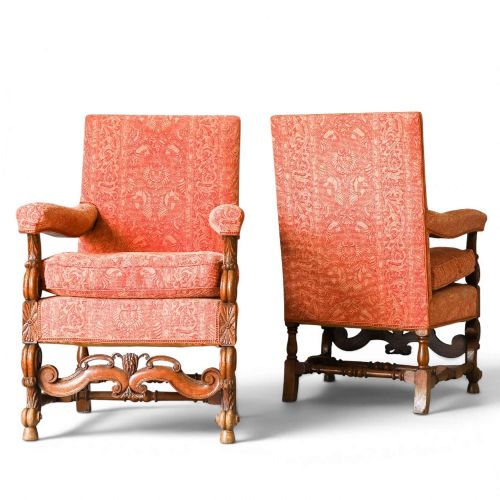
An antique wooden throne armchair is a commanding seat built with solid timber, high upright backs, and substantial armrests designed to denote status. Buyers searching this phrase encounter substantial seating ranging from early wainscot forms to later revival interpretations.
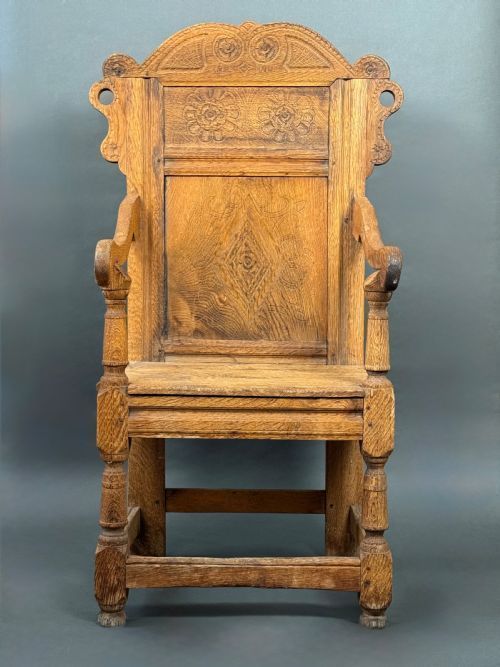
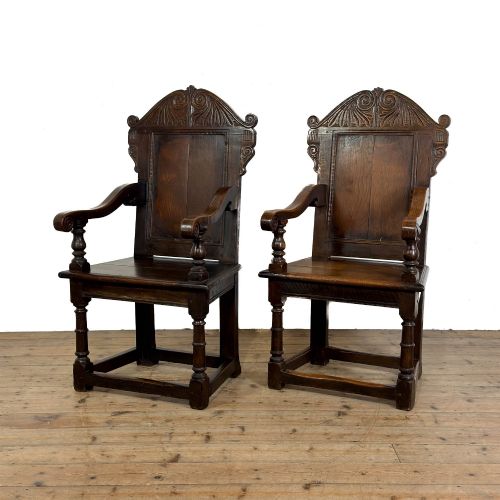
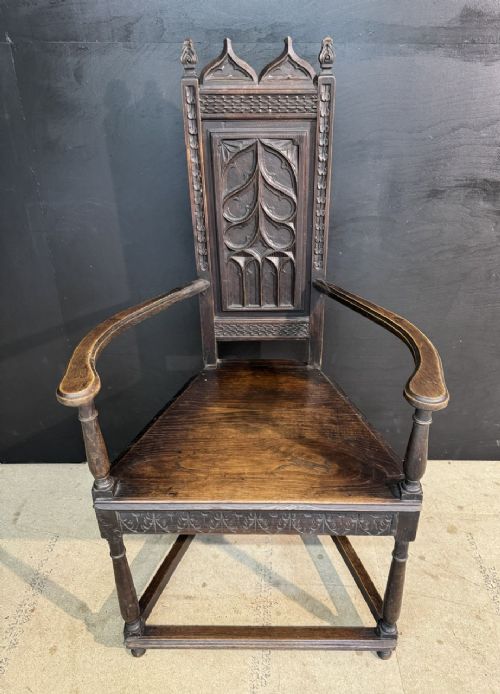
The selections span several centuries, with robust seventeenth-century oak examples appearing alongside nineteenth-century walnut and giltwood revival pieces. Regional variations emerge clearly, including Lancashire, Yorkshire, and Scottish wainscot chairs alongside continental Italian and French models.
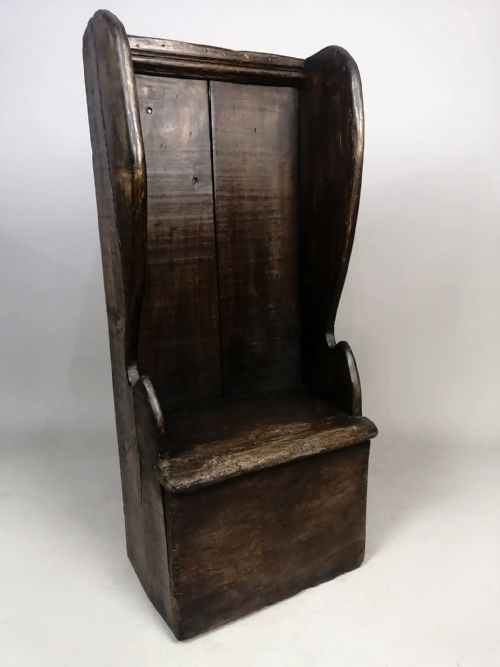
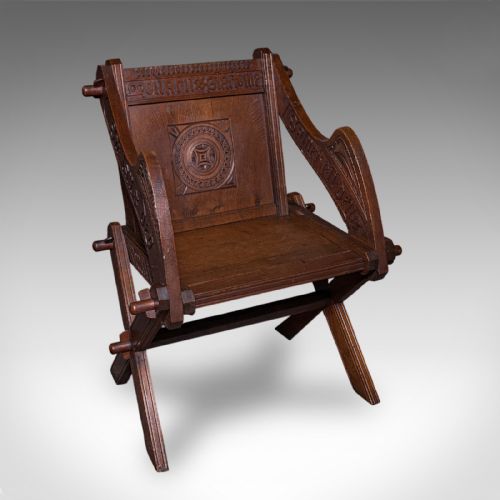
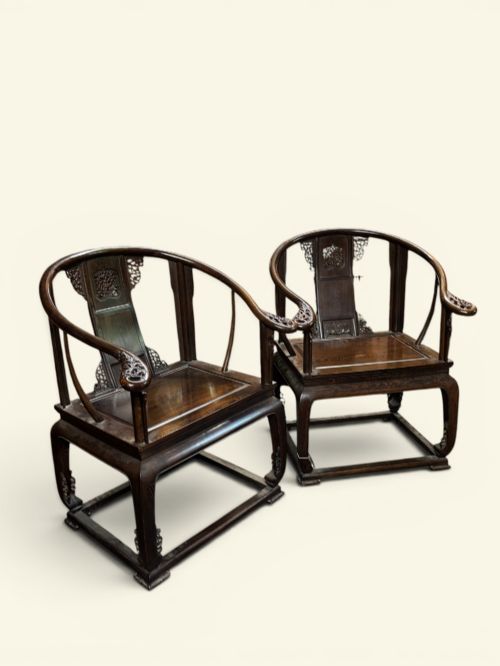
Formations also extend to specialised seating like child lambing chairs, chapel thrones, and horseshoe-back hard-wood chairs. Oak and walnut dominate the offerings, matched with carved details that reference Jacobean, Gothic, and Baroque styles.
Distinctions in craftsmanship and survival
Depth and crispness of the hand carving separate standard pieces from exhibition-grade work. The integration of original timber joints without excessive modern replacement preserves the structural integrity of early examples.
Proportion and scale dictate visual impact, where large walnut or oak frames maintain balance despite heavy ornament. The retention of period upholstery materials or untouched surface patination elevates historical value.
Andrea Brustolon
The Antique Wooden Throne Armchair Glossary
- Wainscot chair
- A solid wooden armchair constructed with panelled backs, common in seventeenth-century domestic interiors. These seats rely on heavy timber frame construction rather than applied upholstery.
- Giltwood
- Timber treated with a thin layer of gold leaf applied over a prepared ground. This finish appears frequently on Baroque and Renaissance revival throne chairs.
- Elbow chair
- A traditional term for an armchair with wooden armrests, often used interchangeably with arm chair. These pieces generally feature open arms rather than closed upholstered sides.
- Hardwood
- Dense timber derived from broad-leaved trees, including oak, walnut, and fruitwood. These materials formed the structural core of heavy seating.
- Revival
- A nineteenth-century design movement recreating earlier styles such as Jacobean, Gothic, and Renaissance. Makers utilised historic motifs on large-scale seating.
Antique Wooden Throne Armchair: Frequently Asked Questions
How do I date an oak wainscot armchair?
Dating relies on construction marks, joint types, and regional carving styles characteristic of the seventeenth and eighteenth centuries.
Examination of the timber patination and tool marks helps confirm the period of manufacture.
Where were heavy throne armchairs originally used?
These imposing seats belonged in great halls, courtrooms, churches, and wealthy domestic chambers to seat heads of households or figures of authority.
Their elevated backs and solid wooden arms provided both physical protection from drafts and visual dominance.
Are these chairs comfortable for daily seating?
Most antique wooden throne armchairs prioritize architectural presence and upright posture over modern cushioned comfort.
Many examples feature solid wooden seats or taut tapestry covers suited for formal use rather than lounging.
What is the difference between Jacobean and revival pieces?
Original Jacobean pieces date from the seventeenth century and exhibit period tool work and structural wear.
Revival pieces date from the nineteenth century, utilising historic motifs with later Victorian manufacturing techniques.