





Antique Wooden Thread
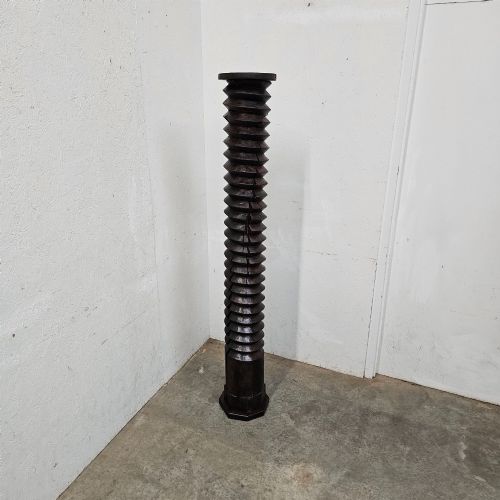
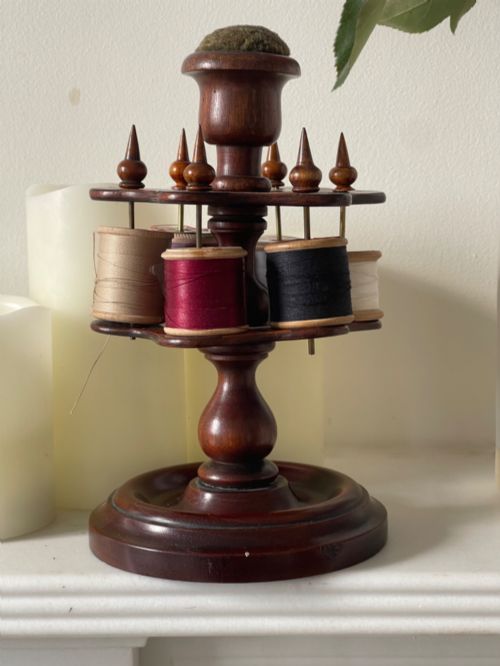
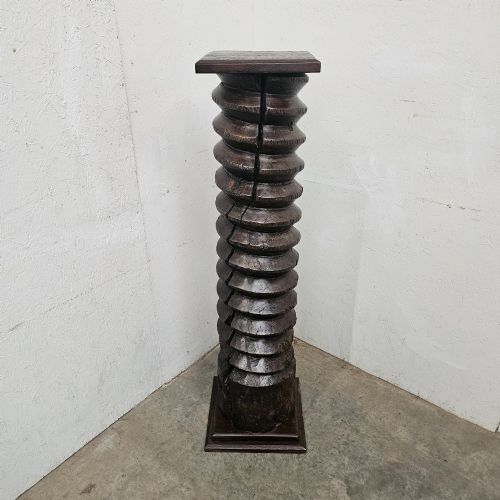
These antique wooden thread pieces, including reel stands, sewing boxes and string holders, bring genuine period craft to the table.
Antique Wooden Thread
When you search for antique wooden thread items, you encounter functional sewing accessories and treen created to organise domestic needlework. The selection spans the Georgian and Victorian eras, alongside later nineteenth and early twentieth century examples.
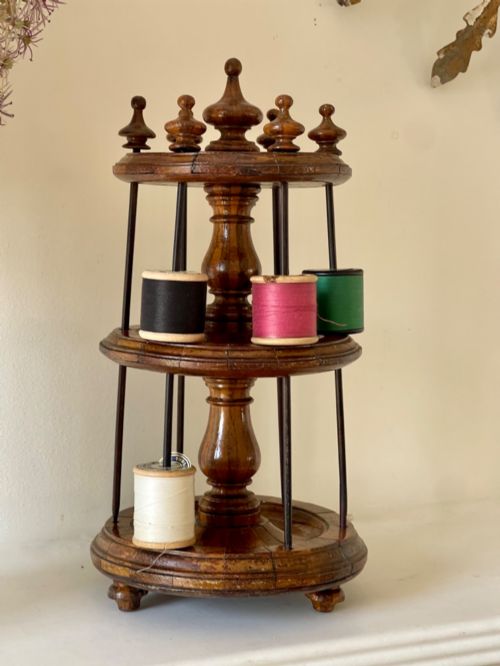
You are most likely to meet turned wood string boxes, sewing boxes, and cotton reel stands from the nineteenth century. These objects served utilitarian purposes in homes and haberdashery shops before becoming collectable decorative pieces.
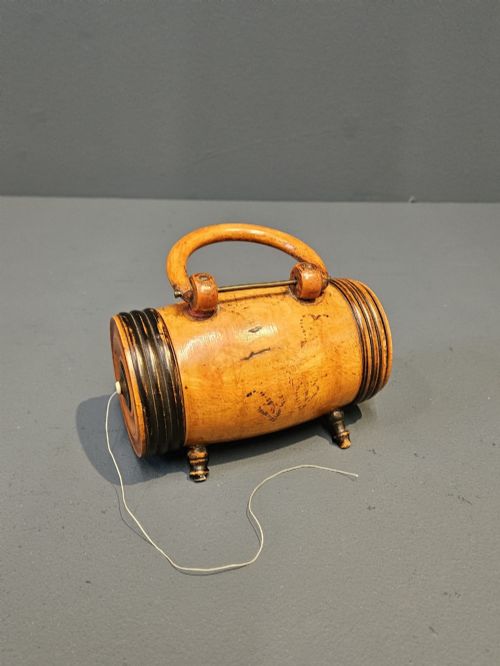
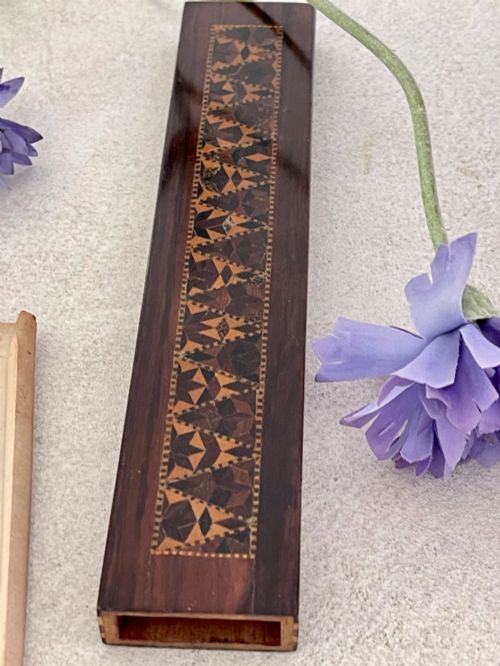
The material record shows everyday hardwoods alongside specialised items like Tunbridge Ware reel boxes and carved fruitwood barrels. Each piece reflects the specific sewing habits and interior details of its period.
How they were made
Woodworking techniques rely heavily on turning and hand carving, shaping fruitwood, oak, rosewood and mahogany into functional forms. Makers utilised lathes for spherical string boxes and double-ended barrels, producing smooth surfaces and neat profiles.
Decorative work on these pieces often incorporates intricate inlay, such as Tunbridge Ware mosaic patterns applied to reel boxes and sewing chests. Metal, glass and silk elements frequently accompany the woodwork to form complete sewing accessories and display cases.
Antique Wooden Thread Retail Price Guide 2026
Typical asking prices for wooden thread among the pieces listed under this phrase on Sellingantiques today, from the lower quarter to the upper quarter. They describe what is for sale here now, not the wider market.
Listings feature items spanning the eighteenth to the early twentieth century, constructed from turned hardwood, rosewood, oak and mahogany.
What varies in quality
The standard of execution in turning and surface finish marks the difference between basic utility items and finer cabinet work. Crisp details on turned mouldings and precise joints on boxes indicate greater skill from the maker.
Surface preservation and the survival of original interior fittings heavily influence the character of each piece. Intact Tunbridge Ware decoration or original glass and metal components demonstrate a higher degree of original craftsmanship.
Chadwick’s Sewing Cottons·Ermen & Roby
The Antique Wooden Thread Glossary
- Treen
- Small wooden domestic objects produced by turning or carving. These items range from kitchenalia to sewing accessories.
- Tunbridge Ware
- Woodworking characterised by mosaic patterns made from tiny wood pieces of various natural colours. This technique adorned boxes and reel holders.
- Haberdashery
- Goods used in sewing and dressmaking, including cottons, reels and ribbons. Cabinets and display cases housed these items for retail.
- Fruitwood
- Dense timber derived from fruit-bearing trees, commonly utilised for turned treen and small treen containers. It provides a smooth finish for detailed turning.
- String Box
- A hollow container designed to hold balls of twine, often featuring a small aperture at the top for the cord. Nineteenth-century examples often sit on ball feet.
Antique Wooden Thread: Frequently Asked Questions
How were string boxes used?
String boxes sat on desks or tables to keep balls of twine neat and accessible for wrapping parcels or household tasks. A central aperture allowed the cord to pull through smoothly without tangling.
Victorian homes often utilised spherical wooden barrels or urn-shaped designs that blended utility with decorative treen display. The ball feet or pedestals kept the wood elevated from damp surfaces.
How do I date an antique sewing box?
Dating relies on examining the timber species, construction methods, and decorative styles like Tunbridge Ware inlay or Jacobean Revival motifs. Georgian pieces often display simpler, robust joinery, while Victorian examples introduce elaborate fitted interiors and varied hardwoods.
Trade labels, hardware materials such as brass or steel, and accompanying textiles also provide clues to the exact manufacturing decade.
Where should I place these items at home?
These small wooden pieces suit display on side tables, bookshelves, or inside glass cabinets where their turned profiles remain visible. Keeping them away from direct sunlight and radiators protects the wood and prevents shrinkage.
Using them to store modern threads or small trinkets allows you to enjoy their original purpose while protecting fragile surfaces from heavy daily wear.