

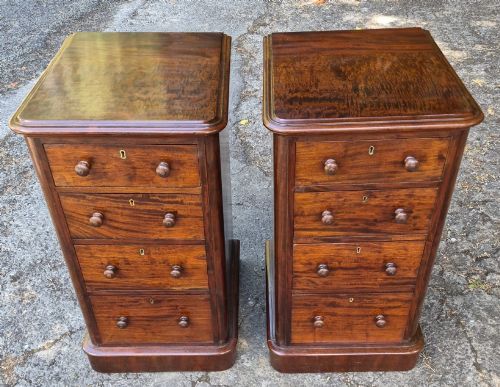
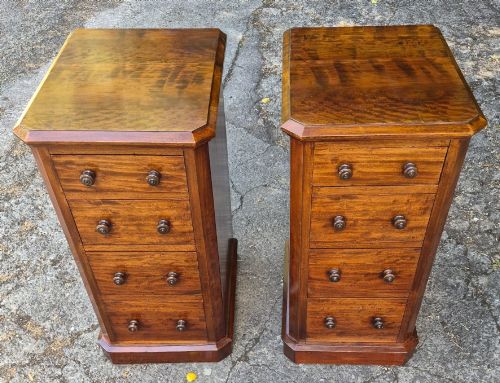
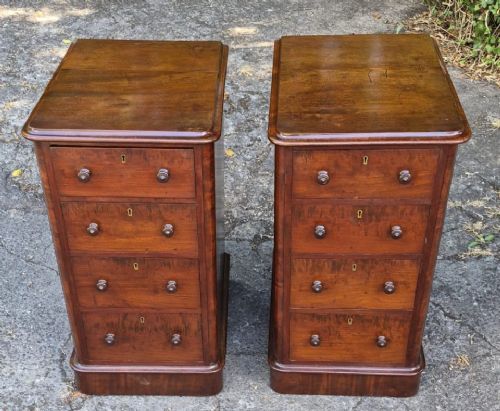
Antique Wooden Table Chest
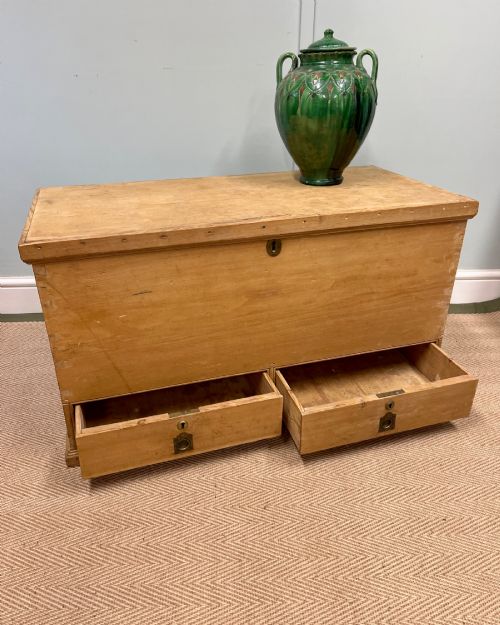
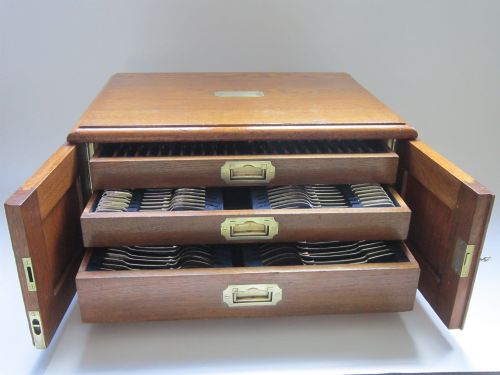
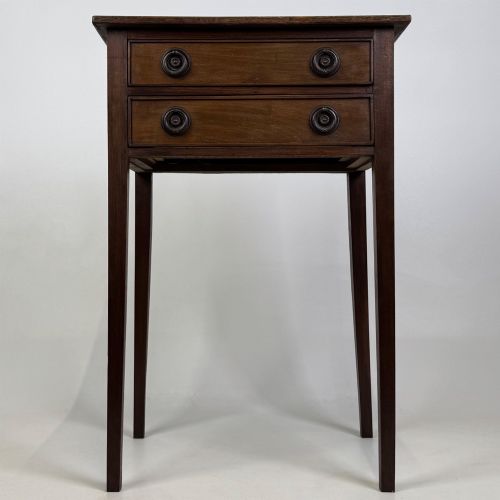
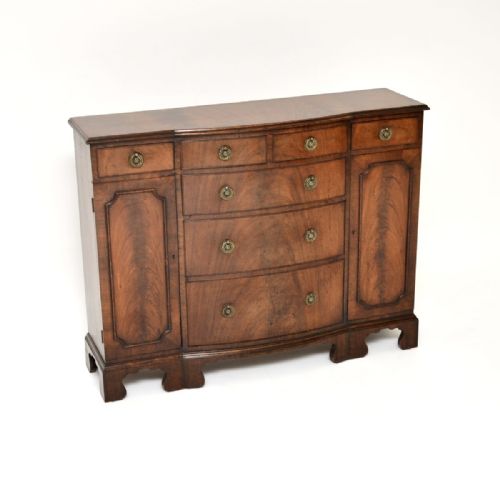
These antique wooden table chest pieces are compact storage forms that sit upon tables or surfaces, offering practical utility and period character.
Antique Wooden Table Chest
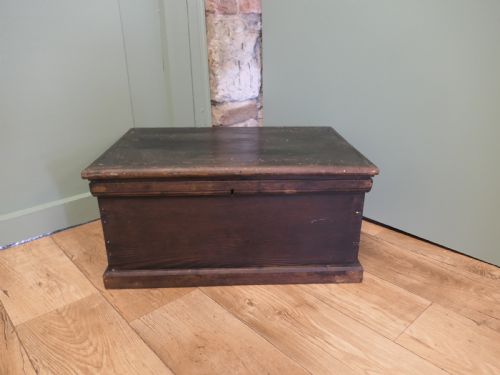
An antique wooden table chest typically takes the form of a small tabletop box, bedside chest, or compact storage container designed to rest on furniture rather than stand directly on the floor. These pieces emerge across periods ranging from the seventeenth century through to the twentieth century, encompassing Georgian, Victorian, and Edwardian eras.
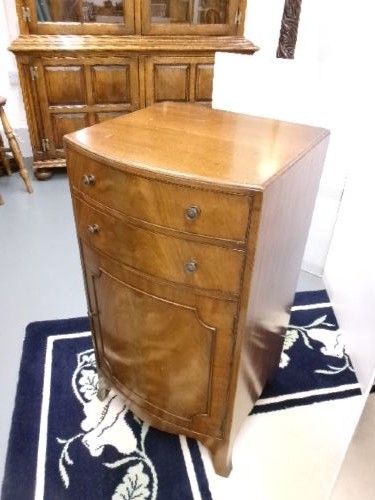
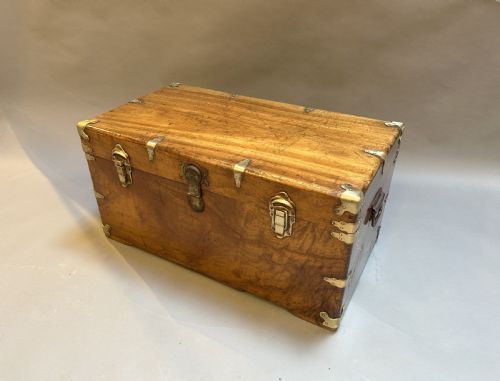
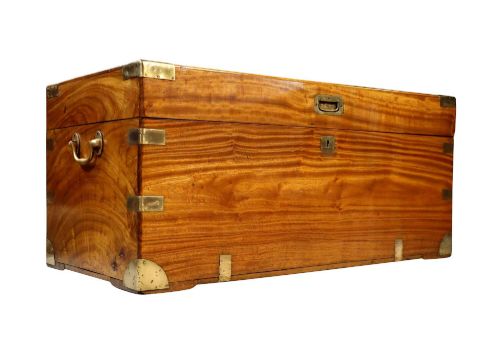
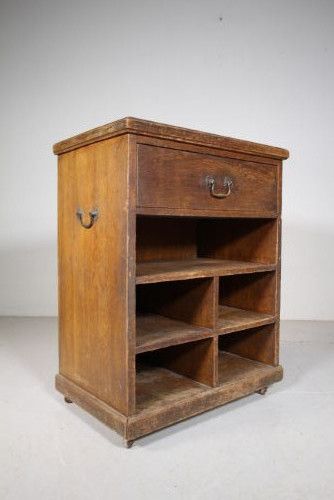
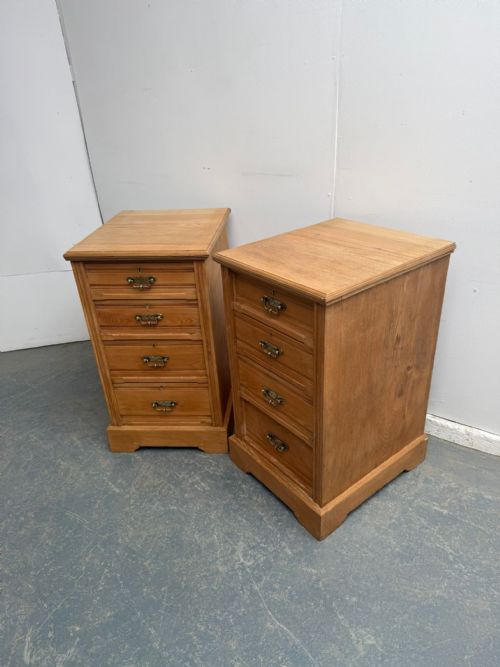
The selections frequently manifest as table boxes, bible boxes, or miniature chests with internal compartments. Buyers also encounter related variants like camphor wood trunks and small bedside cabinets fashioned in oak, mahogany, and pine.
Materials and Construction
Cabinet makers utilised dense hardwoods such as oak, mahogany, walnut, and padouk, alongside softer timbers like pitch pine and elm. Construction often involved sturdy dovetail joints and solid panels designed to withstand everyday handling and travel.
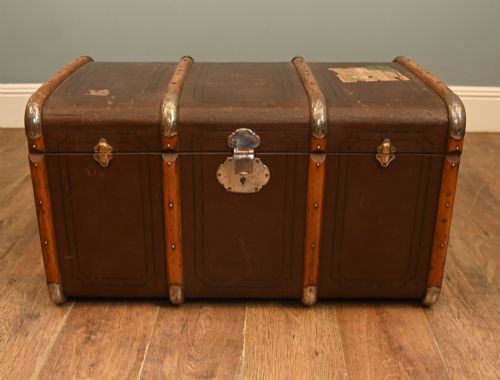
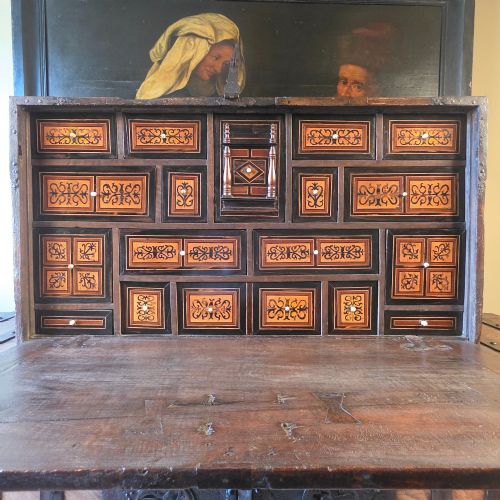
Metal mounts in brass and iron frequently reinforce corners and lids, particularly on campaign and steamer pieces. Surfaces display natural wax finishes, geometric mouldings, or intricate marquetry inlay depending on the period.
The listings feature pieces spanning the seventeenth century to the 1930s, constructed in oak, mahogany, walnut, camphor wood, and pine.
Assessing Quality
The standard of a piece rests on the selection of timber grain, the precision of joinery, and the preservation of original surfaces. Superior examples retain their fitted interior partitions, working locks, and authentic hardware without extensive timber replacement.
Proportion and decorative restraint distinguish finer items from simpler utilitarian boxes. Examples featuring period brass binding, marquetry, or geometric mouldings demonstrate a higher degree of workshop execution.
Heal & Sons
The Antique Wooden Table Chest Glossary
- Bible box
- A small wooden desk box with a sloping lid, historically used for holding books and writing materials. These compact containers often feature internal compartments and date from the seventeenth century.
- Campaign trunk
- A portable storage chest constructed for travel, equipped with recessed brass handles and reinforced corners. These pieces utilise sturdy timbers like camphor wood and mahogany to withstand transit.
- Teapoy
- A small pedestal table or box designed to hold tea canisters, frequently featuring internal caddies. Originating in the eighteenth and nineteenth centuries, they appear in various exotic and native hardwoods.
- Marquetry
- A decorative technique where thin pieces of wood veneer are applied to a structure to form intricate pictorial designs. This method appears on panels and tabletops from later periods.
- Dovetail joint
- A corner woodworking joint interlocking wedge-shaped fingers for maximum tensile strength. Its presence and fineness indicate the skill of the cabinet maker.
Antique Wooden Table Chest: Frequently Asked Questions
How were table chests used historically?
These compact chests served multiple functions ranging from holding household ledgers and stationery to securing jewellery and writing equipment. Their portability allowed owners to move them between rooms or pack them for travel.
Many contained fitted interior compartments, small drawers, or internal ledges to keep contents organised and protected.
How do I care for a wooden table chest?
Maintain these pieces by keeping them away from direct sunlight and steady heat sources that can dry out the timber and cause splitting. Regular application of a traditional beeswax helps nourish the wood grain.
Avoid excessive moisture on unsealed surfaces and lift the chests rather than dragging them across table tops to protect the base timbers.
How can I tell the age of a table chest?
Dating relies on observing construction techniques, tool marks, timber selection, and hardware styles. Earlier pieces from the seventeenth and eighteenth centuries often display hand-sawn boards and pegged joinery.
Later Victorian and Edwardian examples incorporate machine-sawn components, standardised fixings, and distinct decorative motifs characteristic of their respective manufacturing periods.